
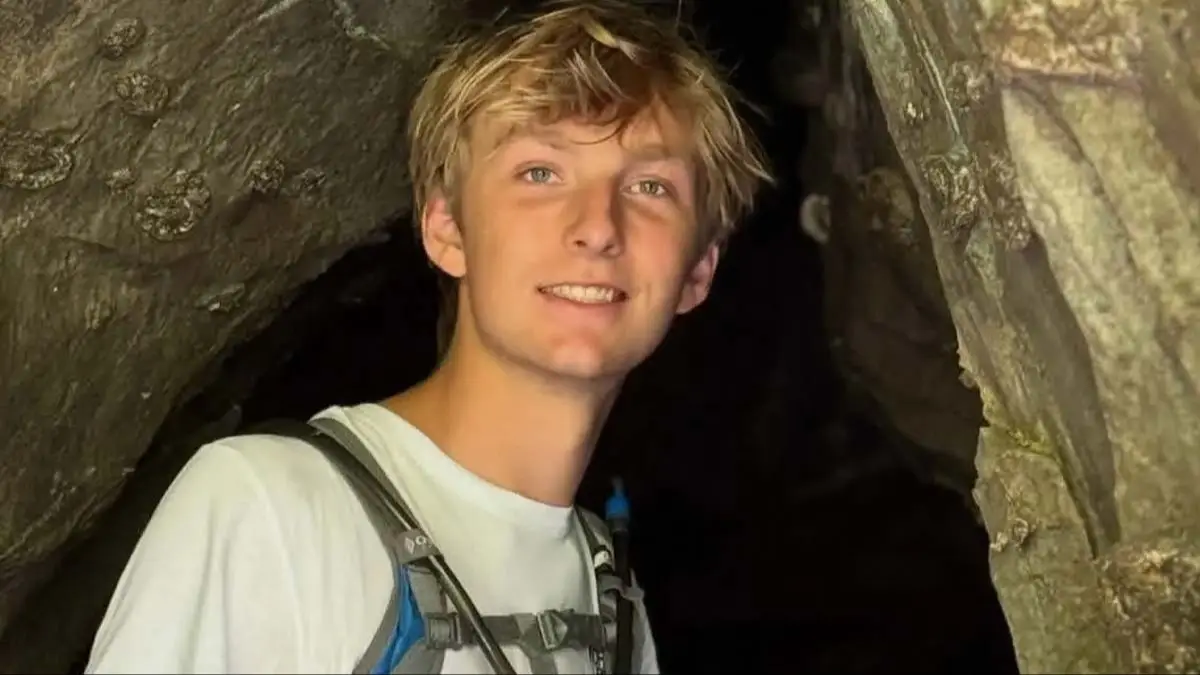
Table of Contents
- The Final Day Weston Was Seen Alive
- A Family’s Public Plea For Help
- The Heartbreaking Announcement From Weston’s Mother
- Questions Still Surround Weston’s Death
- The Emotional Weight Of Traveling Abroad
- Reports Of A Family Argument Drew Attention
- Social Media’s Powerful Role In Missing Person Cases
- Why Stories Like This Affect So Many People
- The Lasting Impact On Weston’s Family
- What Weston’s Story Leaves Behind
The Final Day Weston Was Seen Alive
According to information shared by the family and media reports, Weston disappeared on May 29 while traveling in Kyoto with relatives.
The family had reportedly arrived in the Japanese city the same day.
At some point during the evening, Weston decided to separate from the group and explore on his own while other family members visited a temple.
Around 6 p.m., he was reportedly seen leaving Kyoto Station alone.
Hours later, surveillance footage allegedly captured him walking in the Yamashina area near trails leading into mountainous terrain.
That footage would later become one of the final confirmed sightings of the Auburn University student alive.
After Weston failed to return or respond normally, concern quickly escalated among family members.
The situation became even more alarming after his location tracking was disabled.
According to his mother, turning off his location was unusual behavior for Weston and immediately raised concern among loved ones monitoring his movements through the Life360 app.
As hours passed without contact, panic began replacing confusion.
A Family’s Public Plea For Help
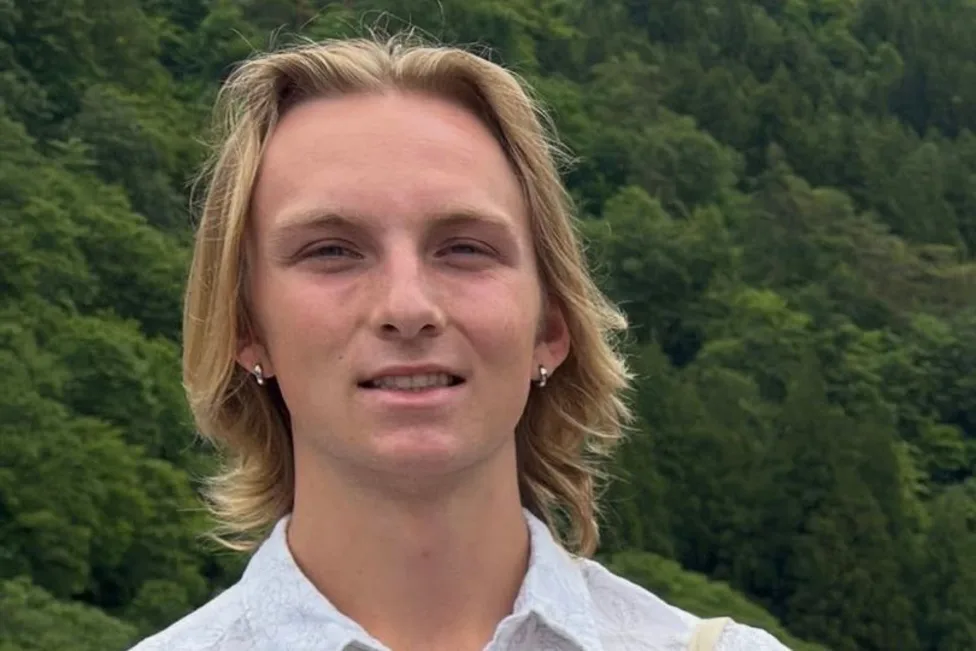
In the days following the disappearance, Weston’s family launched urgent public appeals asking for help locating him.
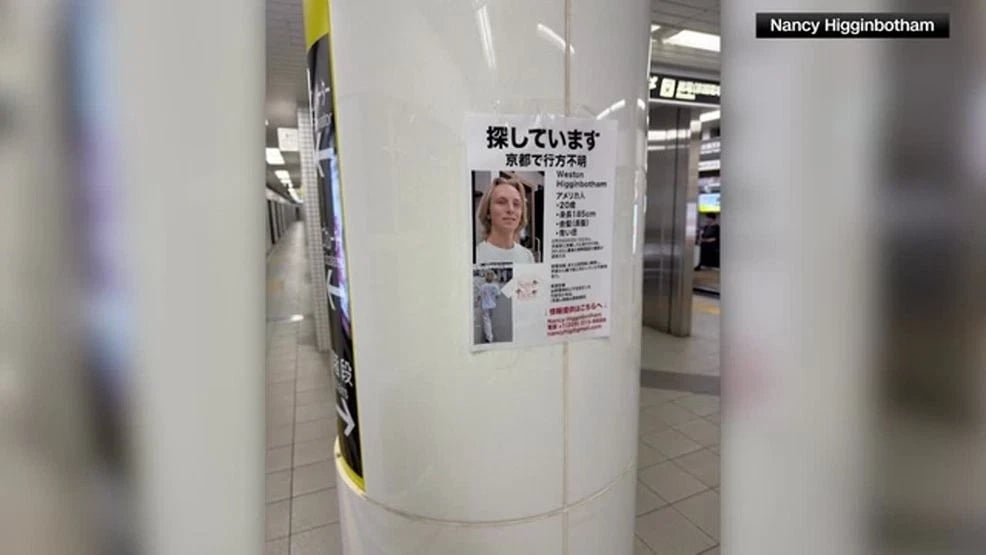
His mother, Nancy Higginbotham, shared emotional messages online while pleading for anyone with information to come forward.
Photos of Weston spread rapidly across social media platforms as supporters across multiple countries shared missing person posts.
The family’s emotional appeals resonated with many people because of how relatable the situation felt.
A young traveler disappearing in a foreign country instantly triggered fear and empathy among parents, students, and travelers worldwide.
Many people followed the case closely as volunteer groups, local authorities, and online communities attempted to piece together Weston’s final movements.
Supporters across the internet hoped each new update would bring good news.
Instead, after days of searching, the family received devastating confirmation.
The Heartbreaking Announcement From Weston’s Mother
On June 6, Nancy Higginbotham shared the news no parent ever wants to deliver.
In an emotional Facebook statement, she revealed that Weston had been found deceased by a volunteer search and rescue group in a mountainous area outside Kyoto.
Her message immediately spread online as thousands reacted with grief and condolences.
She described the pain as impossible to put into words and thanked people around the world who had supported the search effort.
Nancy explained that the kindness, prayers, encouragement, and public support had carried the family through the darkest days of their lives.
She also shared that the family had gone public with Weston’s story in hopes of helping bring him home safely.
Now, facing unimaginable grief, the family requested privacy while mourning their son.
The emotional statement deeply affected many people following the story because it captured the devastating transition from hope to heartbreak that so many missing person cases tragically become.
Questions Still Surround Weston’s Death

At this stage, authorities have not publicly disclosed the cause of Weston’s death.
That absence of information has fueled widespread speculation online, though officials have not announced evidence of foul play.
The mountainous terrain near Kyoto where Weston was found is known for hiking trails and forested paths that can become difficult to navigate, especially for travelers unfamiliar with the area.
Japanese authorities are expected to continue reviewing the circumstances surrounding his disappearance and death.
Many followers of the case are now waiting for further clarification regarding what may have happened during Weston’s final hours.
Because the story involved an American student traveling abroad, the tragedy also gained international media attention.
Cases involving missing tourists often attract intense public focus because they combine uncertainty, emotional vulnerability, and fear associated with unfamiliar locations.
For many people, the mystery surrounding Weston’s disappearance made the story even more emotionally gripping.
The Emotional Weight Of Traveling Abroad
One reason the case resonated so strongly online is because international travel is often associated with excitement, freedom, and adventure.
For families, vacations abroad are supposed to create lifelong memories.
But incidents involving missing travelers remind people how quickly circumstances can change.
Traveling in unfamiliar environments can create unexpected risks, especially when individuals separate from groups or venture into isolated areas alone.
Language barriers, unfamiliar geography, cultural differences, and limited local knowledge can all complicate emergencies abroad.
In Weston’s case, the fact that he disappeared in Kyoto, one of Japan’s most visited and internationally recognized cities, added another layer of shock for many observers.
Japan is often viewed globally as one of the safest countries in the world.
That perception made the tragedy feel even more unsettling to people following the case.
Reports Of A Family Argument Drew Attention

Part of the media coverage surrounding Weston’s disappearance focused on reports that he had argued with his mother shortly before leaving on his own.
According to reporting referenced by multiple outlets, the disagreement allegedly involved her use of ChatGPT.
The detail quickly became widely discussed online, though many observers urged caution against drawing conclusions or assigning blame.
Family disagreements during stressful travel situations are extremely common, especially during long trips involving fatigue, emotional pressure, and unfamiliar surroundings.
Mental health experts often note that small arguments can appear much larger in hindsight after tragedies occur.
For many people following the story, the detail added another painful layer to an already heartbreaking situation.
It served as a reminder of how ordinary moments can suddenly become emotionally significant after unexpected loss.
Social Media’s Powerful Role In Missing Person Cases
The search for Weston also demonstrated how social media increasingly shapes modern missing person investigations.
Within hours of public appeals being posted, thousands of strangers began sharing his information online.
International communities joined together hoping visibility could lead to sightings or new clues.
Volunteer groups reportedly assisted with search efforts while online users analyzed timelines, CCTV reports, and travel details.
In many ways, missing person cases have changed dramatically in the digital era.
Families now rely not only on law enforcement but also on massive online networks capable of spreading information globally within minutes.
While social media can sometimes spread misinformation, it can also mobilize enormous support during emergencies.
The worldwide response to Weston’s disappearance showed how quickly strangers can unite behind a family facing unimaginable fear.
Why Stories Like This Affect So Many People
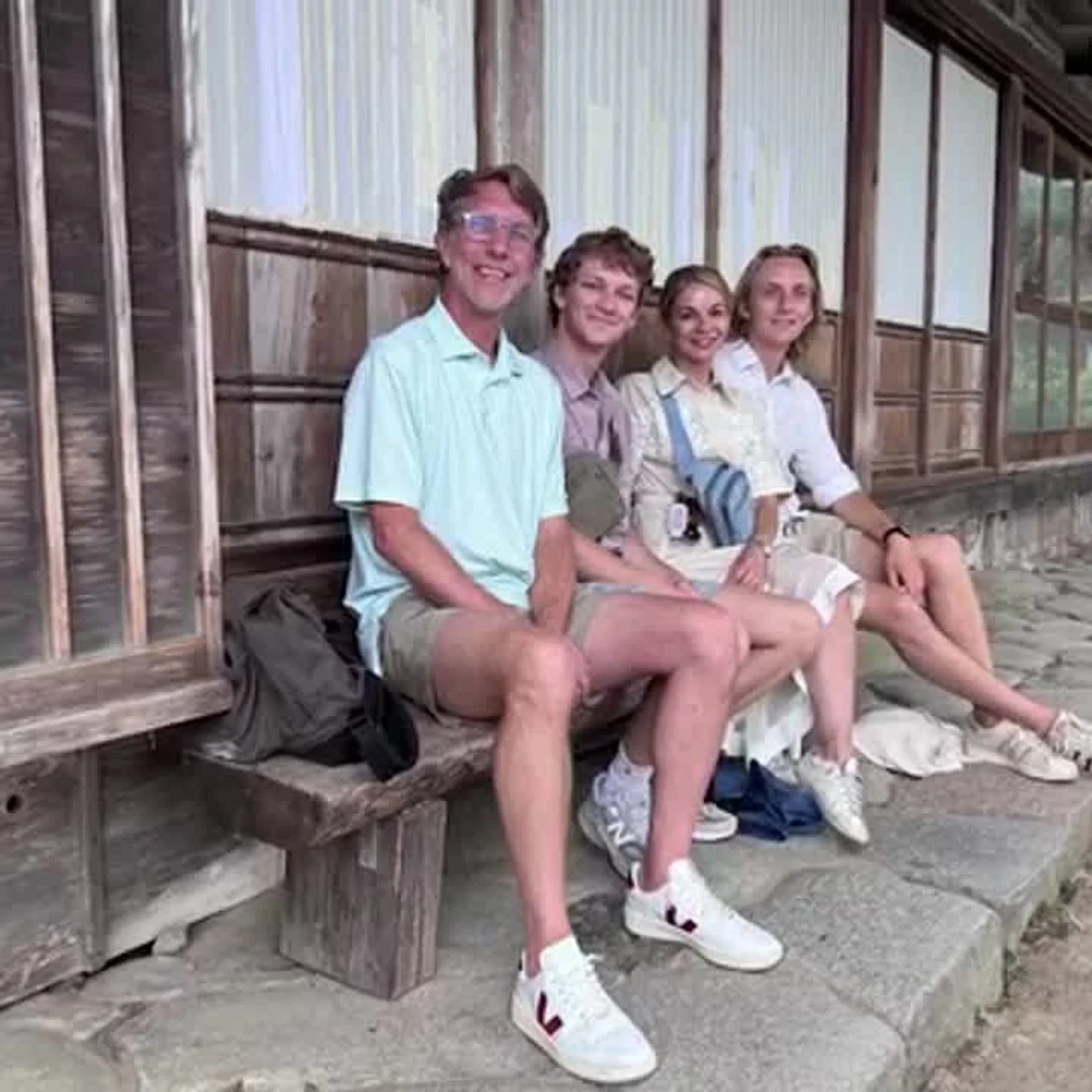
Cases involving young travelers often strike an especially emotional nerve because they represent interrupted futures.
Weston was only 20 years old and attending Auburn University. To many people, he symbolized youth, possibility, and the excitement of exploring the world.
Stories like this force people to confront uncomfortable realities about uncertainty and fragility.
Parents imagine their own children traveling abroad. Students imagine themselves in unfamiliar cities. Families think about moments when loved ones briefly separated during vacations.
The emotional relatability of the case is one reason it spread so widely online.
People were not simply following a news story. They were imagining themselves inside it.
That emotional connection transformed Weston’s disappearance from a local incident into an international story of grief, fear, hope, and loss.
The Lasting Impact On Weston’s Family
Although public attention will eventually move elsewhere, the emotional impact on Weston’s loved ones will likely last forever.
Families affected by sudden tragedies often describe life afterward as permanently divided into before and after.
The Higginbotham family traveled to Japan expecting shared experiences and memories. Instead, they are now returning home carrying unimaginable grief.
Nancy’s public statement reflected both devastation and gratitude.
Despite the tragedy, she thanked the countless people who supported the search effort and stood beside the family emotionally during the crisis.
That mixture of heartbreak and appreciation resonated deeply with many readers online.
Even strangers who never met Weston found themselves emotionally affected by the family’s loss.
What Weston’s Story Leaves Behind
The death of James “Weston” Higginbotham has left behind far more than unanswered questions.
It has become a story about family, vulnerability, travel, and the unpredictable moments that can change lives forever.
For some, the tragedy is a reminder to stay connected with loved ones while traveling.
For others, it highlights the emotional power of online communities during emergencies.
And for many parents, the story reflects one of the deepest fears imaginable: losing a child far from home while desperately hoping for good news.
As authorities continue investigating what happened outside Kyoto, one reality remains painfully clear.
A young man who left to explore one evening never returned, and a family that began a vacation together is now facing a grief impossible to fully explain.
The search may be over, but the emotional impact of Weston’s story will likely remain with many people for a very long time.