
Table of Contents
- The Terrifying Moment The Boy Realized Someone Was Inside
- The Decision That Changed Everything
- Why The Story Sparked Intense Public Reaction
- Police Began Investigating The Incident
- Home Invasions Leave Lasting Emotional Trauma
- America’s Ongoing Debate Over Self Defense
- Why Stories Involving Children Feel Different
- The Incident Became A Symbol For Larger National Issues
- The Human Side Often Gets Lost
- Why The Story Still Resonates Today
The Terrifying Moment The Boy Realized Someone Was Inside
The incident reportedly happened on a Wednesday afternoon inside a home in Talladega, Alabama.
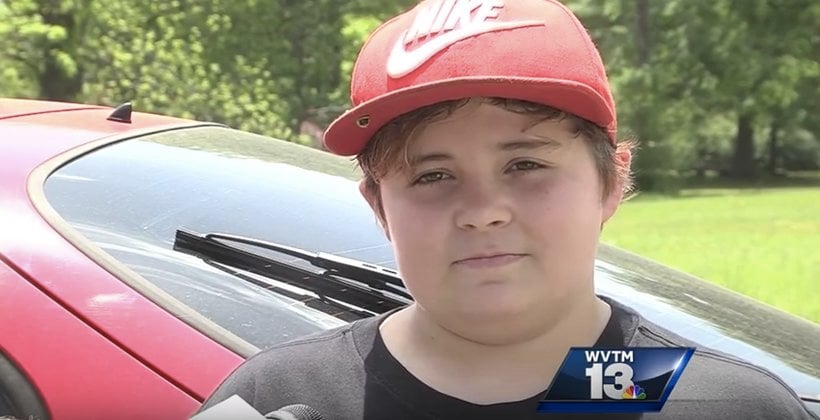
According to the child, identified in reports as Chris Gaither, he had been alone in the house when he suddenly heard noises that immediately felt wrong.
At first, the sounds may have seemed minor. But within moments, he realized someone else was inside the home.
That realization instantly transformed an ordinary afternoon into a terrifying situation.
The boy later explained that the intruder came downstairs and allegedly began threatening him aggressively.
According to Chris, the man threatened to kill him while shouting profanities.
For many people reading the story afterward, this became the most emotionally intense part of the case.
An 11 year old child allegedly hearing an adult intruder threaten his life inside his own home created immediate public sympathy and fear.
In situations involving home invasions, experts often note that victims experience intense adrenaline, panic, and confusion within seconds.
For a child, those emotions can become even more overwhelming.
The Decision That Changed Everything

After allegedly hearing the threats, Chris says he grabbed a 9mm handgun.
The boy later explained that he feared for his safety and believed he needed to protect himself.
What happened next would quickly turn the case into national news.
According to Chris, the suspected intruder eventually began fleeing the house carrying a clothes hamper.
The boy says he followed the man outside and opened fire as the suspect attempted to escape.
Reports indicate the suspected burglar was struck in the leg during the shooting.
Chris later described the moment in blunt detail during interviews, saying the bullet passed through the clothes hamper and into the suspect’s leg.
The child also claimed the wounded man began crying immediately after being shot.
That quote quickly spread online and became one of the most discussed parts of the story.
Why The Story Sparked Intense Public Reaction
The case immediately triggered fierce debate across social media and news platforms.
Supporters praised the child for surviving a dangerous situation and protecting himself during what they viewed as a terrifying home invasion.
Many argued the story demonstrated the importance of self defense and firearm training, especially in rural areas where police response times may vary.
Others focused on the emotional trauma the child likely experienced.
Critics questioned why an 11 year old had access to a handgun and worried about the broader risks of children using firearms during stressful situations.
The debate quickly expanded beyond this single incident.
Instead, the story became part of larger national arguments involving gun culture, home protection, child safety, and parental responsibility.
Cases involving children and firearms often create particularly emotional public reactions because they combine fear, vulnerability, and questions about maturity.
For some readers, Chris appeared courageous.
For others, the situation represented a troubling example of how dangerous circumstances involving guns can become.
Police Began Investigating The Incident
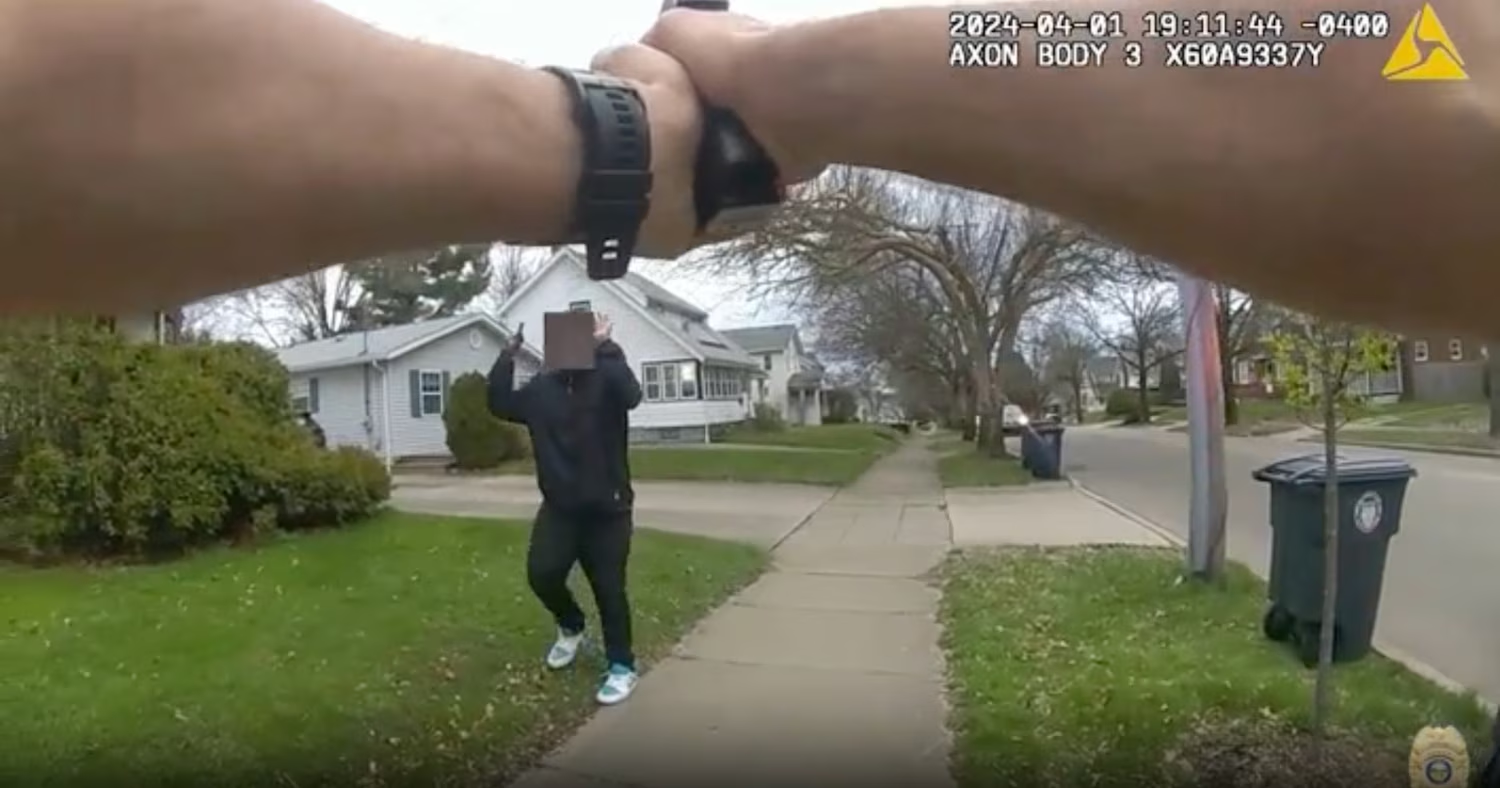
Authorities later confirmed they were investigating the shooting.
However, police initially released limited details about the incident itself.
Reports indicated the wounded suspect was treated at a hospital for injuries to his leg.
At the time, investigators had not publicly disclosed additional information regarding possible charges connected to the break in or shooting.
Law enforcement cases involving self defense can often become legally complex.
Investigators typically examine whether the perceived threat was immediate, whether force was justified, and how events unfolded during the confrontation.
Because the suspect was reportedly fleeing when he was shot, some observers questioned whether the circumstances could complicate legal interpretations of self defense laws.
Others argued the child had already endured a terrifying threat inside the home and was acting under extreme fear and adrenaline.
Those legal and emotional questions helped keep public attention focused on the story long after the initial headlines faded.
Home Invasions Leave Lasting Emotional Trauma
One reason the case resonated so strongly nationwide is because home invasions tap into deep psychological fears shared by many people.
A home is supposed to feel safe.
When someone allegedly breaks into that space and threatens violence, victims often describe long lasting emotional trauma afterward.
Experts say survivors of home invasions may experience anxiety, panic attacks, nightmares, sleep problems, and feelings of insecurity for months or even years.
For children, those effects can become even more serious.
The emotional impact of believing someone intends to kill you inside your own home can shape a child’s sense of safety permanently.
Although public discussion surrounding the case focused heavily on the shooting itself, mental health professionals often emphasize that surviving violent situations can carry invisible emotional scars long after physical danger ends.
America’s Ongoing Debate Over Self Defense
The Alabama case also reopened broader national conversations about self defense laws and firearm ownership.
Supporters of strong self defense protections argued the boy’s actions may have saved his life.
Many people pointed to the alleged death threats made by the intruder as justification for the child’s fear and reaction.
Others argued the story reflected the reality many Americans believe they face when police cannot arrive instantly during emergencies.
At the same time, critics warned that situations involving children and firearms can quickly become deadly in unintended ways.
Some questioned whether children should ever be placed in positions where they feel responsible for defending themselves with guns.
Others argued the story highlighted larger social problems involving crime, fear, and firearm access.
The emotional intensity surrounding the case reflected how deeply divided Americans remain regarding guns and self defense.
Why Stories Involving Children Feel Different
Crime stories involving children often spread rapidly because they create stronger emotional reactions than incidents involving adults.
In this case, many people imagined themselves as parents hearing an 11 year old describe defending himself alone inside a house.
That emotional connection made the story especially powerful.
The image of a child hearing threats, grabbing a gun, and facing an intruder taps into fears many families share privately.
It also forces uncomfortable questions.
Should children know how to use firearms in emergencies?
Could that knowledge save lives?
Or does it create even greater risks?
There are no easy answers, which is one reason stories like this continue sparking intense public debate years later.
The Incident Became A Symbol For Larger National Issues
Although the shooting happened inside one Alabama home, the story quickly became symbolic of much larger cultural issues across the United States.
For gun rights supporters, it represented a child surviving because he had access to protection.
For gun control advocates, it highlighted concerns about normalization of firearms among young children.
For others, the story reflected growing fears surrounding crime and home invasions.
In many ways, the incident evolved beyond a single criminal investigation.
It became part of America’s ongoing cultural argument over safety, rights, fear, and responsibility.
That transformation is common in emotionally charged crime stories involving children.
People often project broader political and social concerns onto individual incidents, turning them into symbols for much larger debates.
The Human Side Often Gets Lost
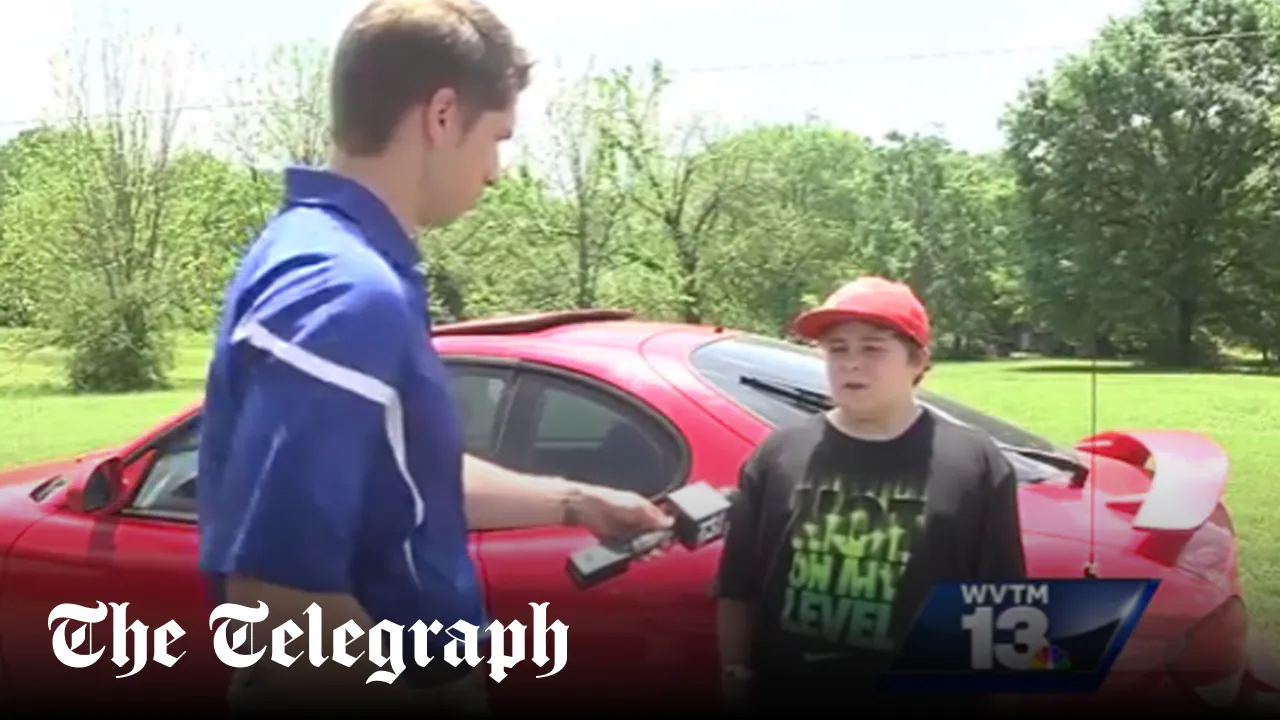
Amid all the political arguments and social media debates, it is easy to forget the deeply human reality at the center of the story.
An 11 year old child believed he was in danger.
A suspected intruder was wounded.
A terrifying situation unfolded inside a family home.
Regardless of political opinion, incidents like this leave emotional consequences for everyone involved.
For children especially, surviving frightening confrontations can shape memories and emotions for years.
Experts often note that public attention surrounding viral crime stories sometimes overshadows the psychological recovery required afterward.
In many cases, the emotional aftermath continues long after cameras disappear.
Why The Story Still Resonates Today
Years later, the Alabama shooting case continues attracting attention because it combines several of society’s deepest fears and debates into one dramatic moment.
It involves childhood vulnerability, violent crime, guns, self defense, and survival.
But beneath all those arguments lies a much simpler emotional reality.
A child was terrified.
Whether people view his actions as heroic, tragic, controversial, or understandable, most agree the situation itself should never have happened.
No 11 year old should have to face decisions involving life and death inside their own home.
Yet for one terrifying afternoon in Alabama, that became reality.
And that is why the story continues staying with so many people long after the headlines first appeared.