
Table of Contents
- The Deadly Home Invasion That Changed Everything
- Police Discover A Much Larger Criminal Operation
- Why The Homeowner Still Went To Prison
- The Tragic Death Of D’halani Armstrong
- The Complicated Reality Of Self Defense Cases
- Federal Authorities Emphasized A Larger Crackdown
- Why The Story Triggered Strong Public Debate
- The Emotional Impact On Families Involved
- Self Defense Does Not Erase Other Crimes
- What The Gainesville Case Ultimately Reveals
The Deadly Home Invasion That Changed Everything
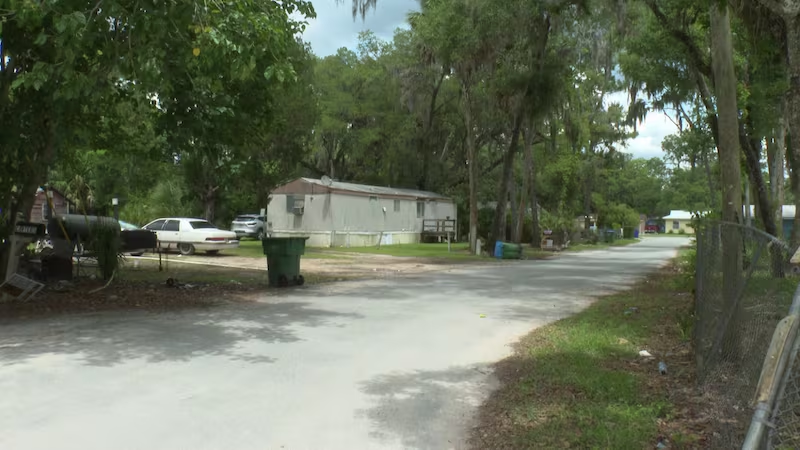
The violent incident began in 2022 at the Gainesville home of 47 year old Dovico Raynard Miles.
According to federal prosecutors, two armed men targeted the property specifically because they believed drugs and money were stored inside.
Authorities identified the robbers as Jason Ward and Alderious White.
Investigators later alleged that the robbery was part of a coordinated criminal plan involving multiple people connected to drug trafficking activity.
What happened next quickly turned deadly.
During the armed invasion, gunfire erupted inside the home. In the chaos, Miles’ niece, D’halani Armstrong, was shot and killed.
Officials say Miles returned fire against the intruders, causing them to flee the scene.
For many observers, that moment appeared to fit a familiar narrative involving a homeowner defending himself and his family against armed criminals.
But investigators say the story did not end there.
Police Discover A Much Larger Criminal Operation

After the shooting, law enforcement officers arrived at the property to investigate the homicide.
What they allegedly discovered dramatically changed the direction of the case.
According to federal authorities, Miles attempted to hide both firearms and drugs in his backyard before police fully processed the crime scene.
Investigators later recovered large quantities of illegal drugs, including cocaine, methamphetamine, and marijuana.
Authorities also reported finding multiple firearms and more than $10,000 in cash inside the property.
That evidence transformed the investigation from solely a robbery and homicide case into a major federal prosecution involving narcotics trafficking and weapons charges.
Perhaps most damaging for Miles was the fact that he was already a convicted felon prohibited from possessing firearms.
Even though prosecutors acknowledged he returned fire during the robbery, federal authorities argued the broader criminal conduct uncovered at the home could not be ignored.
Why The Homeowner Still Went To Prison
For many people hearing the story for the first time, the sentence seemed confusing.
If Miles was defending himself against armed robbers, why was he ultimately sentenced to more than 22 years in prison?
The answer involves the distinction between self defense during the shooting itself and the criminal activity investigators say existed surrounding the incident.
Federal prosecutors did not convict Miles for defending himself against the robbers.
Instead, the sentence resulted from federal charges connected to drug trafficking, illegal firearm possession, and violations tied to his supervised release status as a convicted felon.
Authorities argued that Miles was illegally operating a drug trafficking operation while possessing firearms he was legally prohibited from owning.
According to investigators, those illegal activities directly contributed to the robbery because the intruders specifically targeted the home seeking drugs and cash.
That distinction became central to the federal prosecution.
The Tragic Death Of D’halani Armstrong

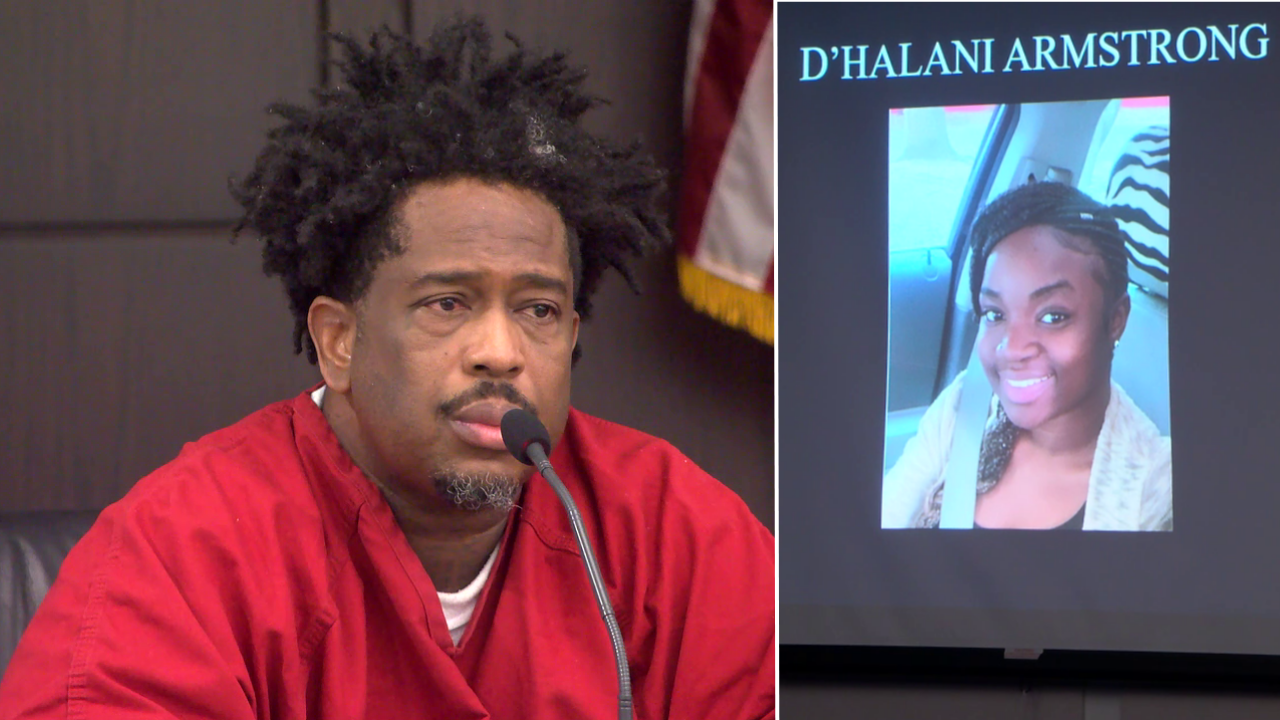
At the emotional center of the entire case remains the death of Miles’ niece, D’halani Armstrong.
Her death transformed what could have been a robbery investigation into a devastating homicide case involving multiple defendants.
Court proceedings later revealed details about the violent plan prosecutors say led to the fatal invasion.
Federal authorities alleged that Patrick Watson orchestrated the robbery that ultimately resulted in Armstrong’s death.
In December 2025, Watson received a life sentence for his role in the murder.
Meanwhile, the two intruders who physically entered the property also received lengthy prison sentences.
White was sentenced to 50 years behind bars, while Ward accepted a plea agreement involving 30 years in prison.
The punishments reflected the severity of the crime and the deadly consequences that followed.
Yet despite those convictions, the sentencing of Miles himself continued sparking debate because many people still viewed him as someone who had survived a violent attack on his own home.
The Complicated Reality Of Self Defense Cases
The Gainesville case highlights how self defense situations can become legally and morally complicated when other criminal conduct is involved.
In many traditional self defense cases, homeowners are viewed clearly as innocent victims protecting themselves from outside threats.
But prosecutors argued this situation differed significantly because the robbery itself was allegedly motivated by illegal drug trafficking happening inside the property.
That complexity blurred public perceptions.
Some people argued Miles still had every right to defend himself during the invasion regardless of unrelated criminal behavior.
Others believed the illegal drug activity created the dangerous circumstances leading to the violence in the first place.
Cases like this often force uncomfortable conversations about how crime, violence, and self defense sometimes intersect in ways far more complicated than simple headlines suggest.
Federal Authorities Emphasized A Larger Crackdown
Following the sentencing, federal officials framed the case as part of a broader national effort targeting violent crime and narcotics trafficking.
Statements from prosecutors emphasized aggressive enforcement strategies against individuals involved in illegal firearms and drug operations.
Officials described the prosecution as part of larger federal initiatives focused on reducing violent crime connected to drug trafficking networks.
Law enforcement leaders argued the sentence demonstrated that authorities would pursue both violent offenders and individuals illegally distributing narcotics within communities.
For federal prosecutors, the case represented more than a single robbery or shooting.
Instead, they presented it as an example of how drug trafficking environments can create conditions that ultimately lead to deadly violence.
Why The Story Triggered Strong Public Debate
One reason the Gainesville case attracted widespread attention is because it challenged people’s expectations about victims and criminals.
At first glance, many readers sympathized with Miles as a homeowner forced to defend himself against armed intruders.
But as investigators released more information, public opinion became divided.
Some continued viewing him primarily as someone protecting his family during a terrifying invasion.
Others focused more heavily on the illegal drugs, firearms, and trafficking allegations uncovered afterward.
The emotional conflict became even stronger because of the death of Armstrong, an innocent family member caught in the middle of the violence.
The case ultimately became difficult to categorize neatly.
It involved self defense, but also illegal firearms.
It involved armed robbers, but also narcotics trafficking.
It involved a grieving family, but also federal criminal prosecution.
That complexity is exactly why the story continued drawing public attention long after the original robbery occurred.
The Emotional Impact On Families Involved
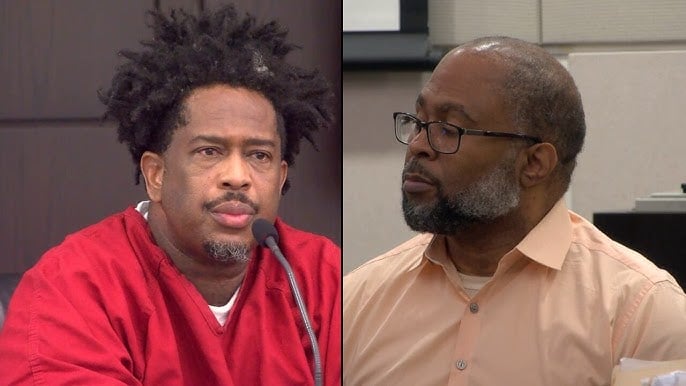
Behind the legal arguments and courtroom proceedings are multiple families forever affected by the violence.
Armstrong lost her life during the robbery.
Miles lost years of freedom through his federal sentence.
The robbers themselves received decades long prison terms.
Entire families on all sides of the case now face lasting emotional consequences.
Violent crimes involving home invasions often create ripple effects extending far beyond the immediate victims and suspects.
Communities experience fear. Families experience grief. Children lose parents, siblings, cousins, and loved ones.
Even when courts eventually hand down sentences, emotional closure rarely arrives so neatly.
The Gainesville case reflects how quickly violence can permanently alter multiple lives at once.
Self Defense Does Not Erase Other Crimes
One of the broader legal lessons many experts point to in this case is that acting in self defense during one moment does not erase unrelated criminal conduct discovered afterward.
Prosecutors acknowledged that Miles exchanged gunfire during a robbery targeting his home.
However, federal authorities argued that his status as a convicted felon combined with evidence of drug trafficking created separate criminal violations carrying severe penalties.
That distinction is important legally.
Self defense protections generally apply specifically to immediate threats involving violence. They do not automatically shield individuals from unrelated crimes uncovered during investigations.
The Gainesville case demonstrates how a single violent event can expose much larger criminal activity already occurring behind the scenes.
What The Gainesville Case Ultimately Reveals

At its core, the Gainesville home invasion case is a story about how quickly criminal environments can spiral into irreversible tragedy.
A robbery intended to steal drugs and money ended with a young woman dead, multiple men sentenced to decades in prison, and a homeowner who survived the attack eventually receiving a lengthy federal sentence himself.
There are no clear winners anywhere in the story.
Everyone involved ultimately lost something significant.
For many readers, the case also raises difficult questions about responsibility.
Who bears blame when illegal activity attracts violence?
Can someone simultaneously be both a victim and a criminal?
How should society view acts of self defense when they occur inside broader criminal circumstances?
Those questions do not have simple answers.
What remains undeniable, however, is the devastating human cost left behind.
A young woman lost her life. Families were shattered. Multiple men will spend decades behind bars.
And a case that initially appeared straightforward slowly revealed a far darker and more complicated reality underneath.
That is why the Gainesville story continues resonating with so many people today.
It is not just about crime or punishment.
It is about how one violent night exposed the fragile and dangerous intersection between fear, survival, illegal activity, and irreversible consequences.