
Table of Contents
- A Supreme Court Term Packed With Political Firepower
- Gun Rights Return To The Center
- Drug Users And Firearm Possession
- Transgender Athletes Face Major Legal Test
- Public Opinion And Political Pressure
- Immigration Cases Could Reshape Trump Policies
- Religious Freedom Also Before The Court
- A Conservative Court Moving Law Rightward
- Why These Rulings Matter Beyond Courtrooms
- What Happens Next
A Supreme Court Term Packed With Political Firepower
The Supreme Court’s current term has already attracted attention because of high profile cases involving Trump administration policies.
Disputes over tariffs, immigration powers, and the firing of regulatory officials have placed the court directly in the middle of major political battles.
But beyond those headline grabbing cases, the justices are also preparing to rule on issues that cut deeply into American cultural identity.
Gun rights and transgender athlete policies are among the most closely watched disputes.
Both topics have become central to state legislatures, campaign speeches, advocacy groups, and national debates.
The court’s rulings could either strengthen conservative legal victories in these areas or limit how far states and federal officials can go.
Gun Rights Return To The Center
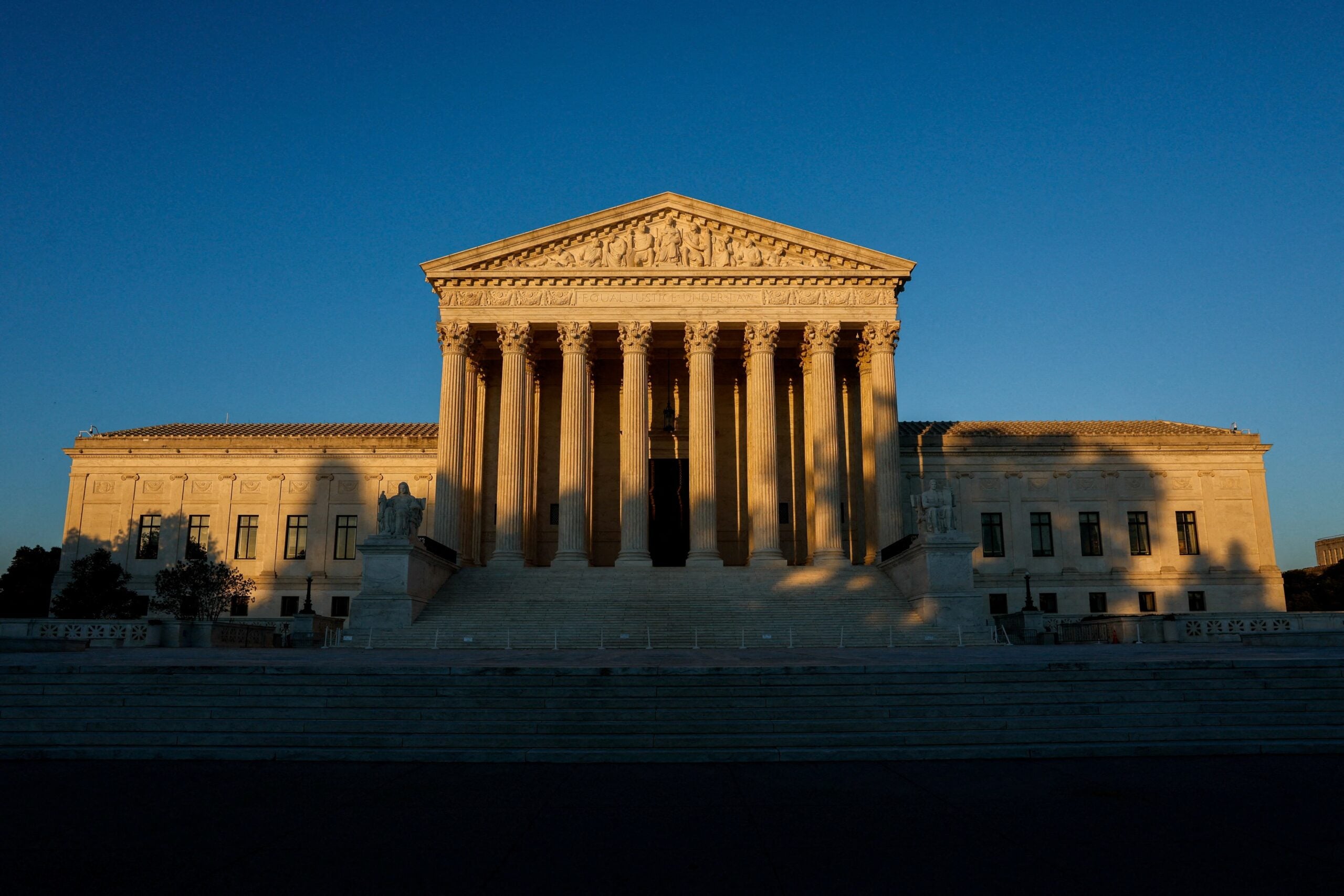
One major case involves a Hawaii law restricting the carrying of handguns on private property open to the public, including many businesses, unless the owner gives express permission.
Supporters of the law argue it protects property owners and public safety.
Opponents argue it unfairly limits the constitutional right to carry firearms.
During arguments, conservative justices appeared skeptical of the Hawaii restriction, raising the possibility that the court may again expand Second Amendment protections.
The case is especially important because it may clarify how lower courts should apply the Supreme Court’s 2022 Bruen decision.
That ruling required gun restrictions to be consistent with America’s historical tradition of firearm regulation.
Since then, courts across the country have struggled with how to apply that historical test.
Drug Users And Firearm Possession
Another major gun case involves a federal law barring unlawful users of controlled substances from possessing firearms or ammunition.
The case was brought by a Texas man who said he uses marijuana several times a week and was charged under the law.
The same provision was also used in charges against Hunter Biden before he was pardoned by his father, former President Joe Biden.
The Trump administration is defending the law.
The case is delicate because the court may be skeptical of banning all unlawful drug users from gun possession, but it may not want to weaken other firearm restrictions involving felons or fugitives.
A broad ruling could affect far more than marijuana users.
It could reshape how courts interpret who may legally be barred from owning guns.
Transgender Athletes Face Major Legal Test
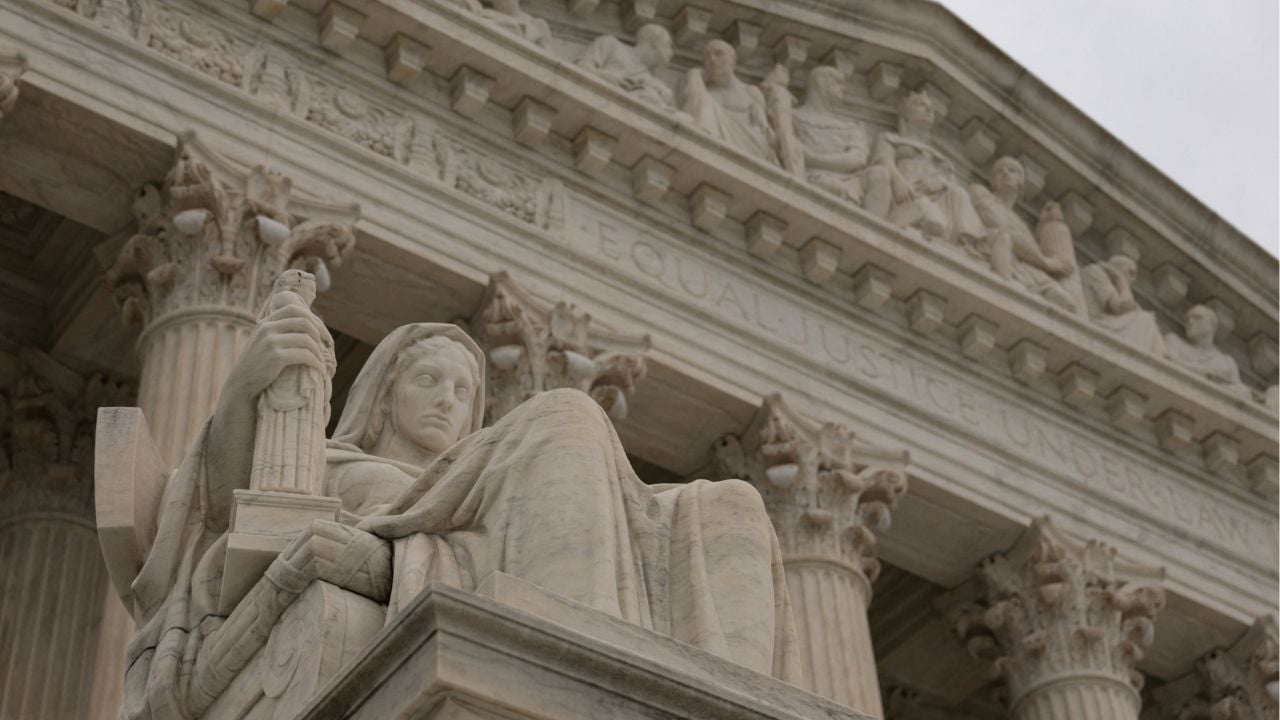
The court is also expected to rule on laws from Idaho and West Virginia that ban transgender athletes from competing on female sports teams at public schools, including universities.
The Trump administration is backing those state laws.
Supporters argue the bans protect fairness in women’s sports.
Opponents argue they discriminate against transgender students and violate equal protection principles.
During arguments, conservative justices appeared likely to uphold the restrictions.
If the court does so, the decision could give more states confidence to pass similar laws.
This would mark another major legal setback for transgender rights after recent court actions allowed several restrictions to take effect.
Public Opinion And Political Pressure
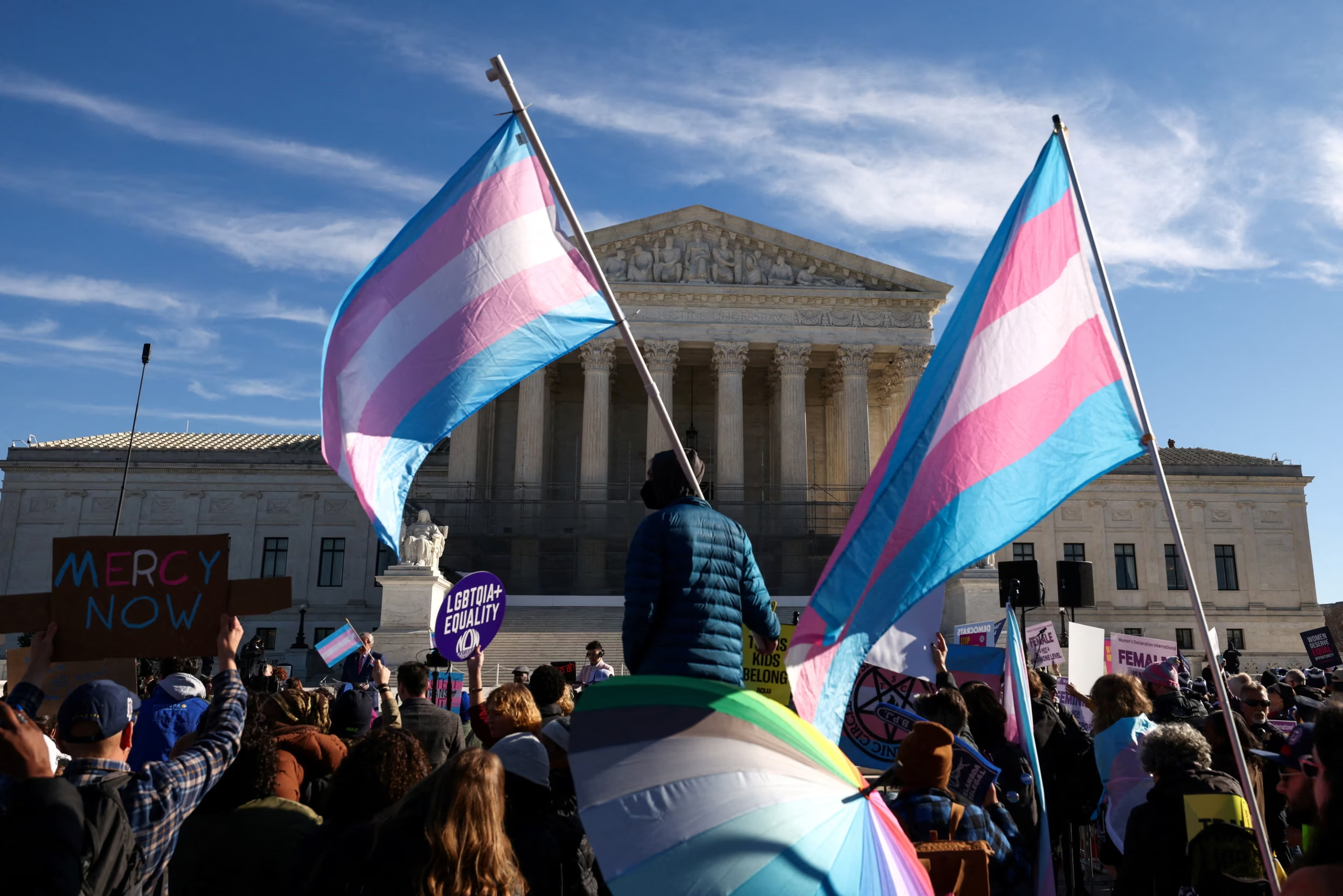
The transgender athlete cases arrive during a period of intense political pressure.
Polls show many Americans oppose transgender athletes competing in categories that match their gender identity, especially at the college level.
Supporters of the restrictions say the public consensus is clear.
Civil rights groups, however, argue that constitutional protections should not depend on majority opinion.
They say transgender students are already vulnerable and that these laws increase isolation and stigma.
The court’s ruling could define how far states can go when separating sports eligibility by biological sex rather than gender identity.
Immigration Cases Could Reshape Trump Policies
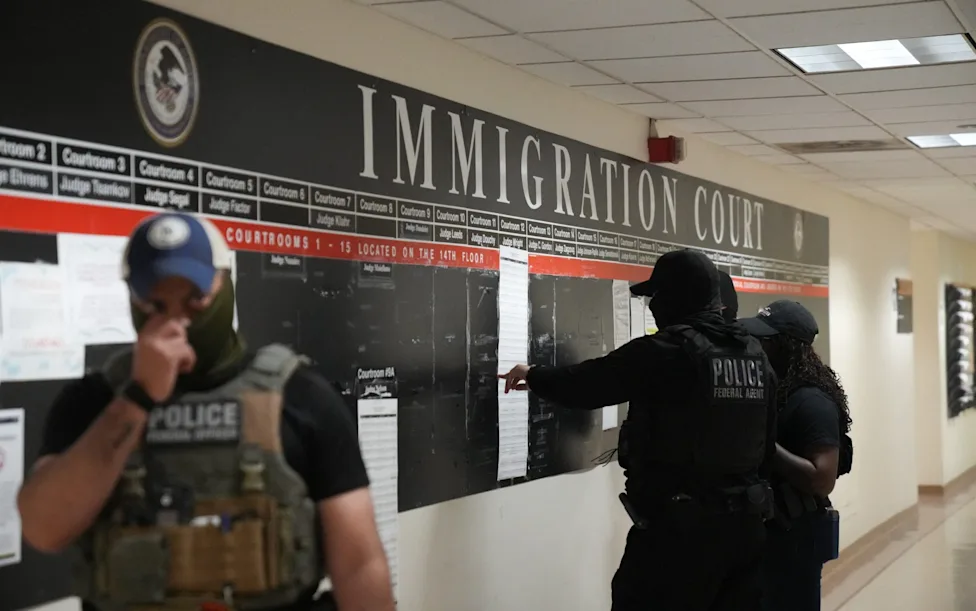
Immigration is another major area where the court is expected to act.
The justices are considering cases involving Trump’s effort to restrict birthright citizenship and his attempt to remove Temporary Protected Status from hundreds of thousands of Haitian and Syrian immigrants.
Early arguments suggested Trump may face difficulty on birthright citizenship.
But the administration may have a stronger chance in the Temporary Protected Status case.
Both rulings could carry major consequences.
A birthright citizenship decision could affect one of the oldest constitutional understandings in American immigration law.
A ruling on Temporary Protected Status could affect large immigrant communities already living and working in the United States.
Religious Freedom Also Before The Court
The court is also weighing a religious rights case involving a Rastafarian man in Louisiana who sued prison officials after guards shaved his head in violation of his beliefs.
The case was brought under a federal law protecting incarcerated people from religious discrimination.
Although it has received less public attention than the gun and transgender athlete disputes, it still raises important questions about how religious freedom applies behind prison walls.
The court has often been sympathetic to religious liberty claims in recent years.
A ruling in favor of the plaintiff could strengthen protections for prisoners whose religious practices conflict with prison policies.
A Conservative Court Moving Law Rightward
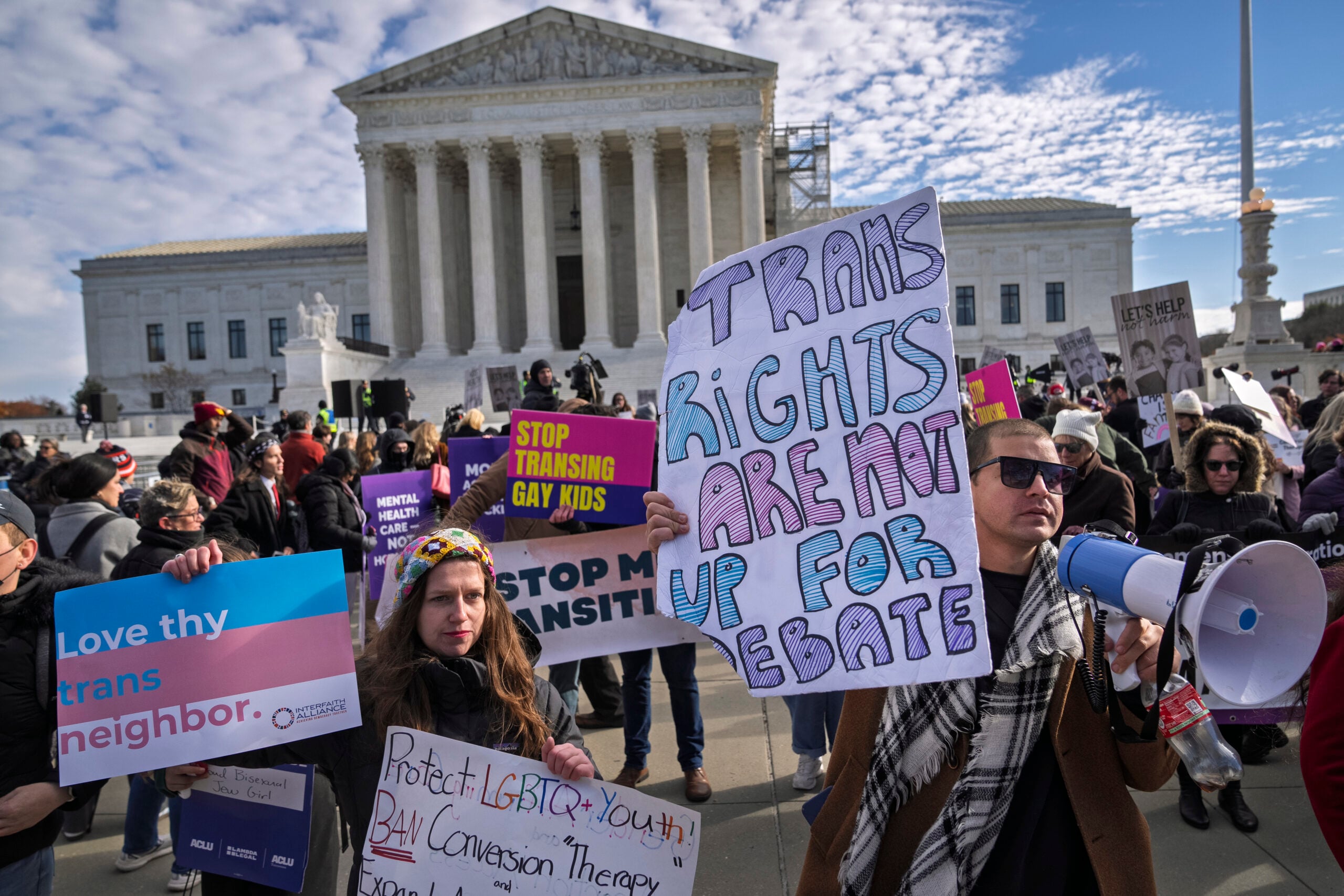
The current Supreme Court has repeatedly moved American law in a more conservative direction.
Its rulings on guns, abortion, religious liberty, agency power, and presidential authority have already reshaped national policy.
This term could continue that pattern.
If the court expands gun rights, upholds transgender athlete bans, and gives Trump victories on immigration or executive authority, it would reinforce the court’s role as one of the most powerful forces in American conservative politics.
For liberals and civil rights groups, the term could bring another round of major losses.
For conservatives, it could represent another historic legal shift.
Why These Rulings Matter Beyond Courtrooms
These cases matter because they affect everyday life.
A gun ruling can determine whether people may carry firearms into businesses.
A transgender athlete ruling can decide whether students can play on teams aligned with their gender identity.
An immigration ruling can affect whether families remain protected from deportation.
A religious freedom ruling can decide whether prisoners retain basic spiritual protections.
That is why the court’s final decisions are being watched so closely.
They are not abstract legal theories.
They are rulings that could change schools, workplaces, prisons, families, and public safety rules across the country.
What Happens Next
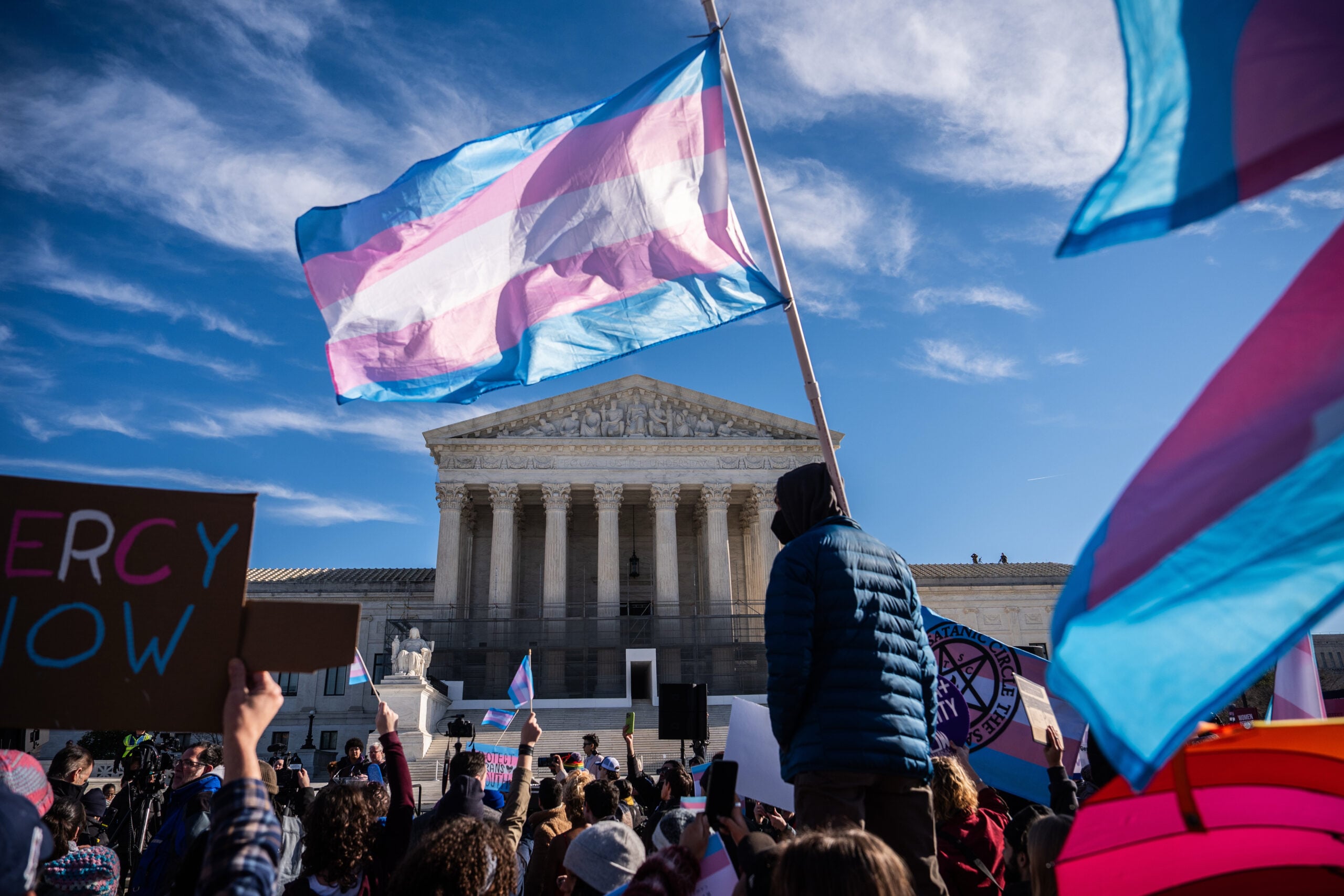
The Supreme Court is expected to finish its term by the end of June.
As the final opinions are released, each ruling will likely trigger major political reaction.
Republican leaders are expected to celebrate decisions that uphold gun rights, immigration enforcement, and restrictions on transgender policies.
Democrats and advocacy groups are expected to warn that the court is weakening civil rights protections and expanding conservative power.
Either way, the decisions will likely shape the next stage of America’s political and cultural battles.
The court may be ending its term, but the national debate surrounding these cases is only beginning.
As the justices prepare to deliver their final rulings, one thing is clear: the Supreme Court is not just deciding legal questions. It is helping define the future direction of American life.