
Table of Contents
- Florida’s Sudden Reversal Shocked Many Observers
- The Three Day Waiting Period Has Existed For Decades
- Why The NRA Challenged The Law
- The Supreme Court Changed The Legal Landscape
- Supporters Call It A Major Constitutional Victory
- Gun Control Advocates Warn Of Dangerous Consequences
- Florida’s Decision Could Influence Other States
- The Debate Reflects America’s Deep Divide Over Guns
- Why The Timing Matters Politically
- What Happens Next Could Reshape Gun Laws Nationwide
Florida’s Sudden Reversal Shocked Many Observers
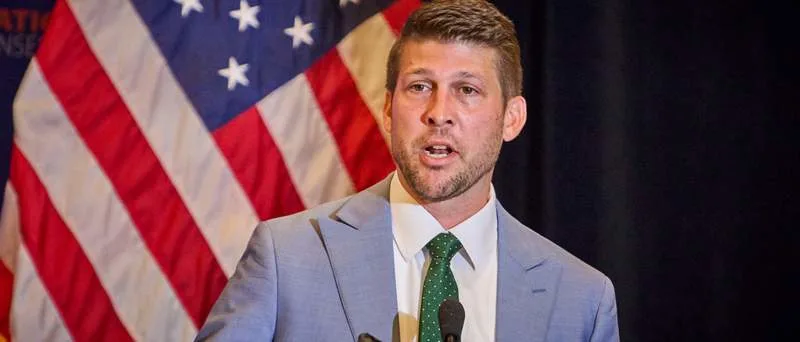
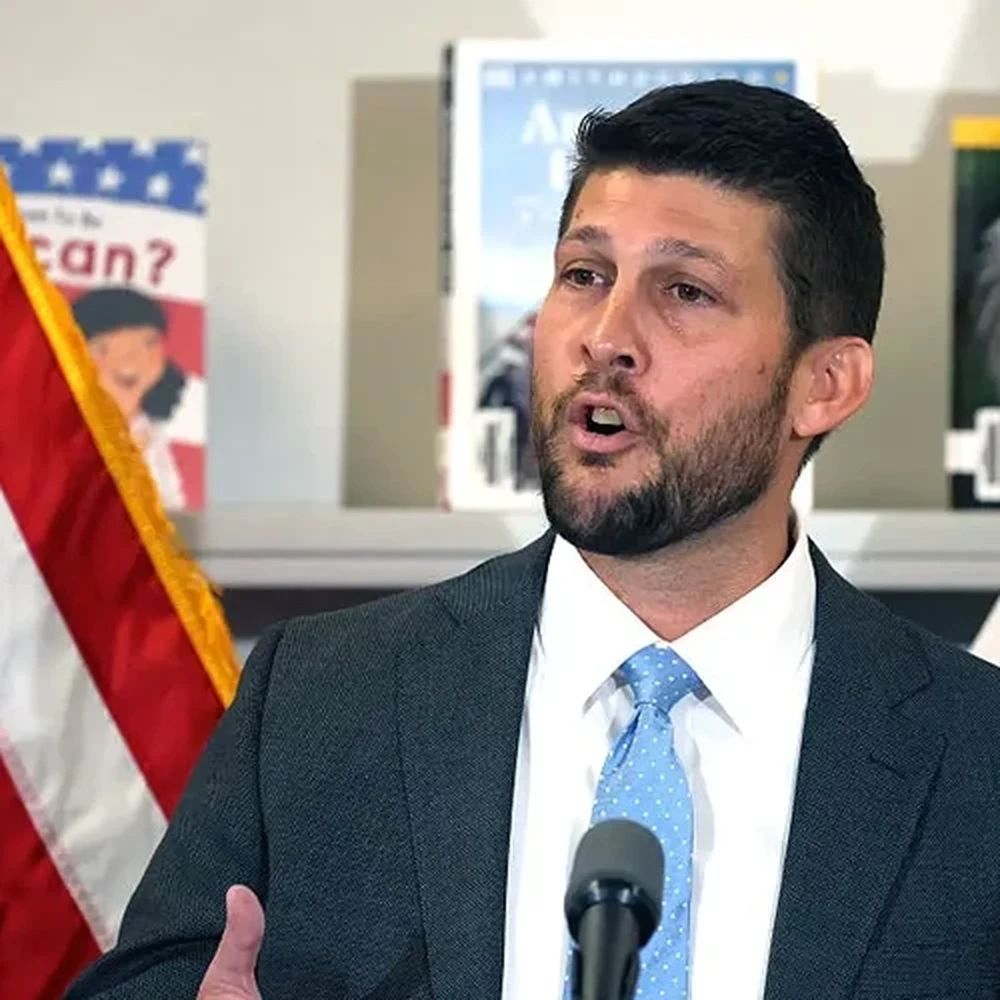
Florida Attorney General James Uthmeier announced the state’s decision to settle the lawsuit in a public statement that immediately drew national attention.
The lawsuit had been filed by the National Rifle Association in federal court during 2025.
The NRA argued that Florida’s mandatory waiting period violated the constitutional rights of law abiding gun buyers by delaying firearm purchases even after buyers successfully passed background checks.
Rather than continue defending the law aggressively in court, Florida officials decided to settle the case.
Uthmeier framed the decision as part of his office’s responsibility to protect constitutional rights.
For supporters of gun rights, the announcement represented a dramatic political and legal shift.
Historically, waiting periods have often been defended as common sense safety measures designed to reduce impulsive acts of violence, suicides, and emotionally driven crimes.
But recent court rulings expanding Second Amendment protections have increasingly placed those laws under constitutional pressure.
The Three Day Waiting Period Has Existed For Decades
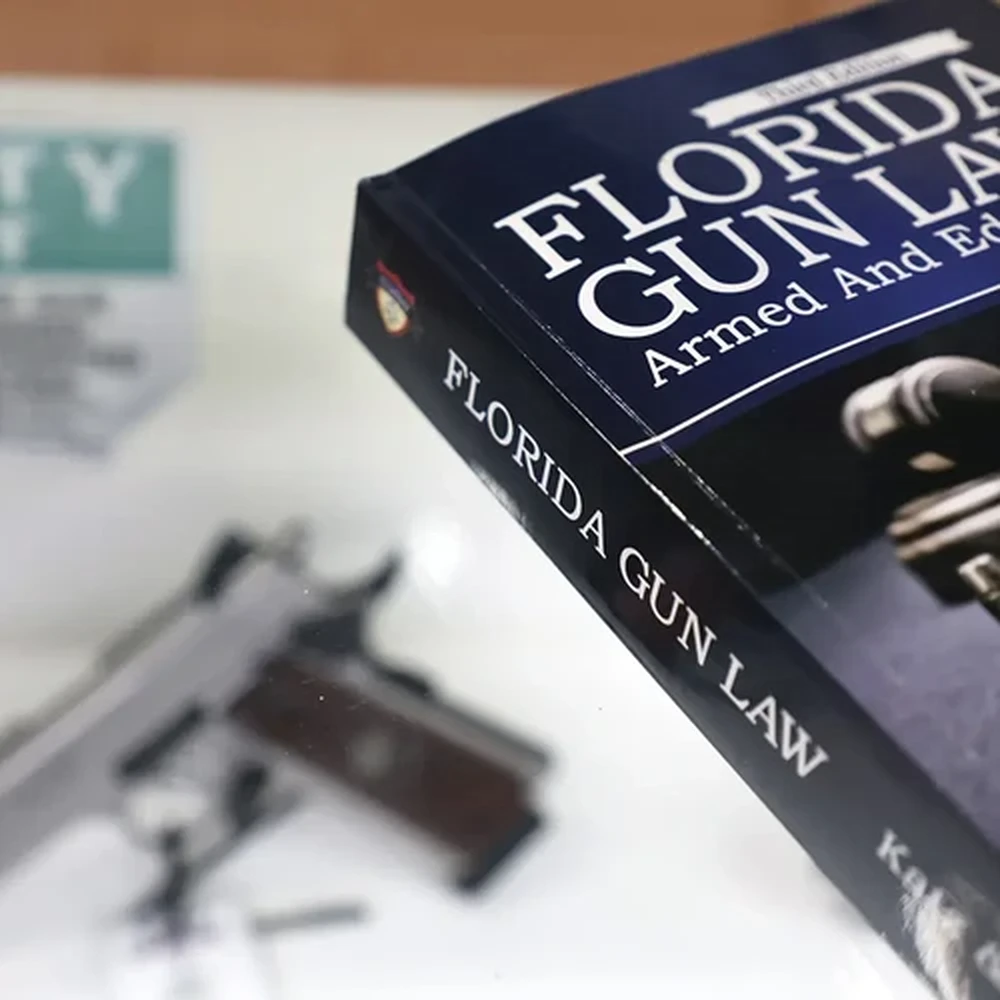
Florida’s firearm waiting period did not appear overnight.
The original measure was approved during the 1998 midterm elections through Amendment 12, receiving support from roughly 72 percent of voters at the time.
Supporters believed the law would create a cooling off period between firearm purchases and possession, potentially reducing crimes committed in moments of anger or crisis.
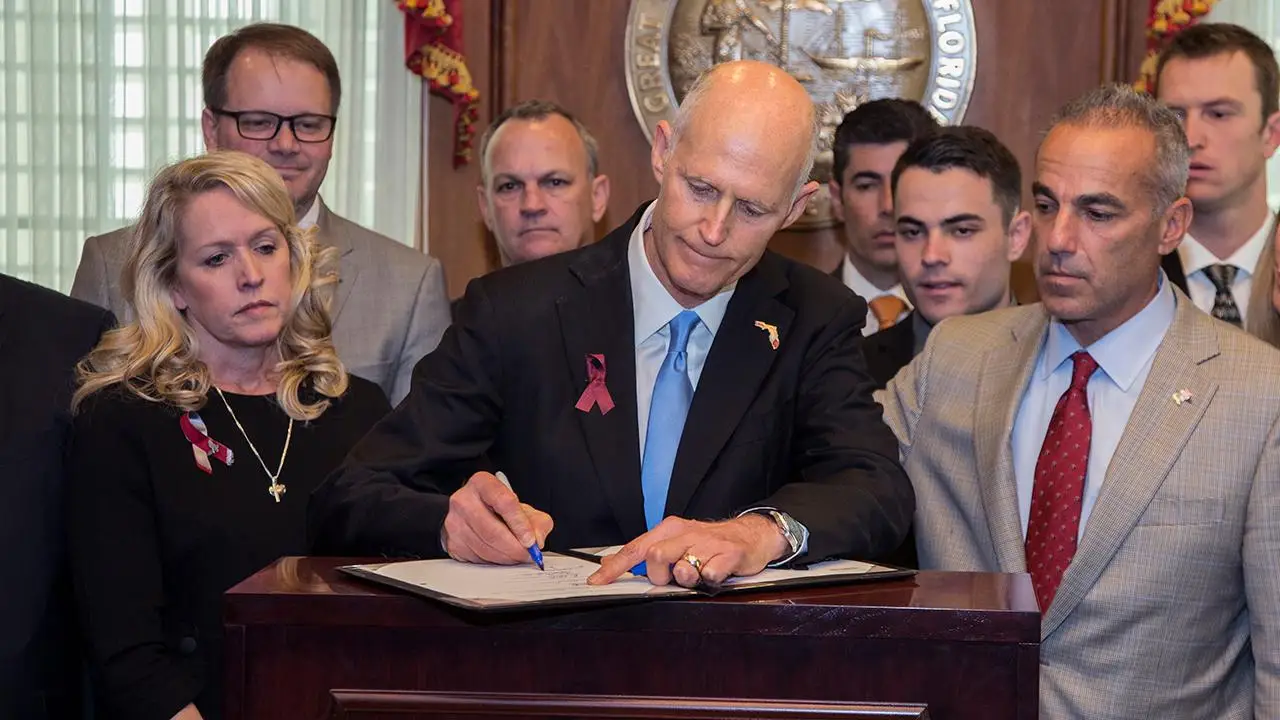
Years later, following the devastating 2018 mass shooting at Marjory Stoneman Douglas High School in Parkland, Florida lawmakers expanded firearm restrictions further.
That legislation was signed into law by then Republican Governor Rick Scott.
The Parkland tragedy deeply shaped gun policy discussions nationwide and intensified public support for additional firearm regulations in several states.
At the time, many political leaders argued stronger safeguards were necessary to prevent future violence.
Now, however, the legal foundation supporting those restrictions is being challenged more aggressively than ever before.
Why The NRA Challenged The Law
The NRA’s lawsuit focused heavily on the idea that constitutional rights should not be delayed for individuals who already pass background checks immediately.
According to the legal challenge, Florida law prevented firearm sellers from transferring weapons to buyers until at least three days after the background check process began.
This applied even when the buyer cleared the system instantly.
Gun rights advocates argued that forcing law abiding citizens to wait despite already passing federal checks violated the Second Amendment.
Supporters of the lawsuit compared firearm rights to other constitutional freedoms, arguing that the government cannot arbitrarily delay fundamental rights without compelling justification.
For the NRA and other gun rights groups, the case represented part of a much larger legal strategy aimed at dismantling firearm restrictions nationwide.
The Supreme Court Changed The Legal Landscape
One major reason cases like this are gaining traction involves recent Supreme Court decisions dramatically expanding Second Amendment protections.
In particular, the court’s 2022 Bruen decision transformed how judges evaluate firearm laws.
That ruling stated gun regulations must align with America’s historical tradition of firearm restrictions.
Since then, lower courts across the country have struggled to determine which modern gun laws remain constitutionally valid under that historical framework.
Waiting periods, assault weapon bans, magazine limits, and concealed carry restrictions have all faced renewed legal challenges.
Gun rights supporters believe the Supreme Court’s conservative majority has created the strongest environment for expanding firearm rights in generations.
Critics argue the court’s approach risks weakening public safety protections designed to reduce gun violence.
Florida’s decision to settle rather than continue fighting the NRA lawsuit reflects how dramatically the legal climate surrounding gun policy has changed.
Supporters Call It A Major Constitutional Victory
Following the announcement, gun rights organizations celebrated the decision as a landmark victory.
NRA leaders praised Florida officials for acknowledging what they described as unconstitutional restrictions on law abiding citizens.
Supporters argued people should not lose immediate access to firearms after already clearing background checks successfully.
Many gun rights advocates also emphasized self defense concerns.
They argued that forcing vulnerable individuals to wait several days for firearms could place them in danger during emergencies involving stalking, domestic violence threats, or personal security fears.
For many conservatives, the issue is not only about guns but about broader concerns regarding government overreach and constitutional freedoms.
That perspective has become increasingly influential within Republican politics, especially as courts continue expanding interpretations of the Second Amendment.
Gun Control Advocates Warn Of Dangerous Consequences

Gun control organizations, however, see the situation very differently.
Supporters of waiting periods argue the laws save lives by creating time barriers that may reduce impulsive violence and suicides.
Research surrounding waiting periods has often focused on their potential to interrupt emotionally driven acts during moments of crisis.
Advocates fear removing such restrictions could increase firearm related deaths and injuries.
Many also worry the Florida settlement may encourage similar legal challenges nationwide.
If courts continue striking down firearm regulations using broader Second Amendment interpretations, several longstanding gun laws could face increased legal vulnerability.
For critics of the settlement, the case reflects a judicial system increasingly prioritizing firearm rights over public safety concerns.
Florida’s Decision Could Influence Other States
One reason the case matters nationally is because several other states maintain firearm waiting periods or similar purchasing delays.
If Florida officially ends enforcement of its law and courts ultimately strike it down permanently, legal experts believe challenges elsewhere may quickly follow.
Gun rights groups have increasingly coordinated lawsuits targeting state firearm restrictions they believe conflict with modern Supreme Court rulings.
States with stricter gun laws could become especially vulnerable to future litigation.
Some legal analysts believe America may soon enter a new phase of constitutional battles where courts systematically reevaluate decades of firearm regulation under the Supreme Court’s expanded Second Amendment framework.
That possibility has alarmed gun control supporters while energizing firearm rights activists.
The Debate Reflects America’s Deep Divide Over Guns
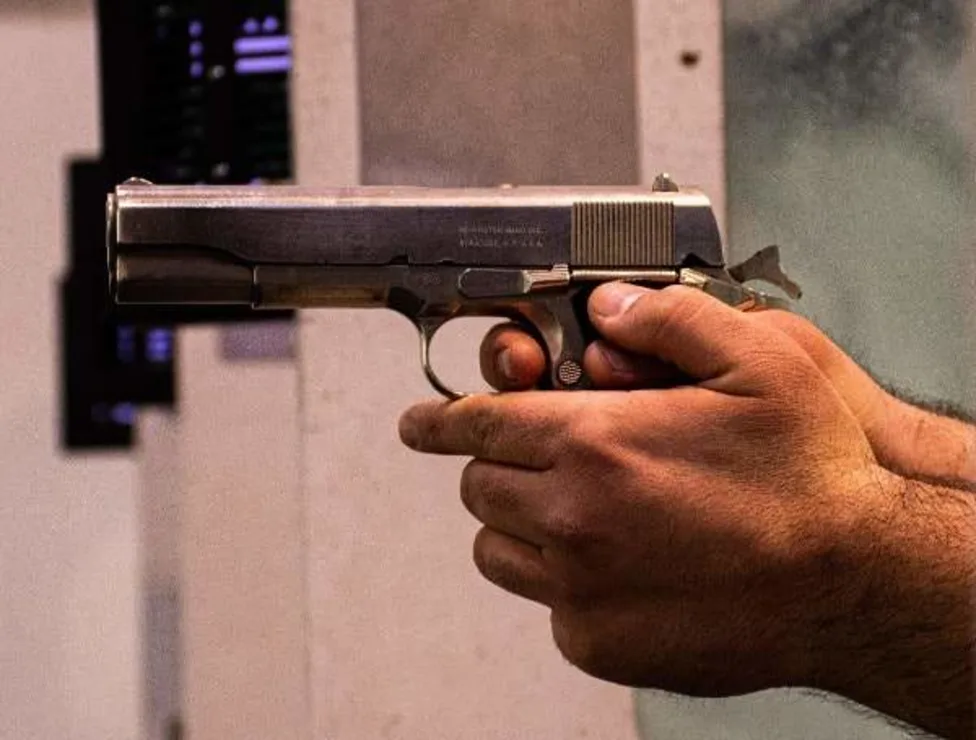
The Florida case also highlights how deeply divided Americans remain over firearm policy.
For many people, gun ownership represents personal freedom, self defense, and constitutional protection against government overreach.
For others, widespread firearm access represents a growing public safety crisis contributing to mass shootings, suicides, and violent crime.
Both sides often view the issue emotionally because it involves fear, security, identity, and rights.
That emotional divide explains why even technical legal disputes about waiting periods quickly become national political flashpoints.
The debate rarely stays limited to a single law.
Instead, each case becomes symbolic of broader arguments over what kind of country Americans want to live in.
Why The Timing Matters Politically
The Florida settlement also arrives during a politically sensitive moment nationally.
Gun rights remain one of the most energizing issues for conservative voters heading into future elections.
At the same time, gun violence continues generating calls for stronger restrictions from progressive groups and many urban communities.
Republican leaders increasingly frame firearm ownership as a core constitutional freedom under threat.
Democrats and gun control advocates often frame expanded gun access as a public safety danger.
That political polarization means legal developments involving the Second Amendment now carry major national implications far beyond individual courtrooms.
What Happens Next Could Reshape Gun Laws Nationwide
Although Florida’s settlement marks a major moment, the broader legal battle over firearm regulations is far from over.
Courts across the country continue hearing cases involving magazine bans, assault weapon restrictions, concealed carry rules, age limits, and firearm purchasing requirements.
The Supreme Court’s growing influence over gun law interpretation means future rulings could reshape American firearm policy for decades.
Florida’s concession may ultimately become part of a much larger national transformation involving how constitutional gun rights are understood.
For gun rights supporters, that future represents long overdue restoration of freedoms they believe were unfairly restricted.
For gun control advocates, it raises serious fears about weakening safeguards during a period when many communities already struggle with gun violence.
Either way, the Florida case demonstrates one undeniable reality.
America’s battle over guns is no longer only happening in legislatures or political campaigns.
It is increasingly being decided inside courtrooms where judges are redefining the balance between constitutional rights and public safety.
And as those rulings continue unfolding, the legal future of gun laws in the United States may look very different than it did only a few years ago.