
Table of Contents
- The Police Raid That Turned Into A Viral Story
- Why The Talking Parrot Fascinated Millions Online
- The Strange Silence After The Arrest
- How Criminals Allegedly Train Animals For Illegal Operations
- The Darker World Of Narco Animals And Exotic Pets
- Why Birds Are Especially Vulnerable In Captivity
- Another Talking Parrot Once Warned Drug Dealers In Colombia
- The Ethical Questions Hidden Behind The Viral Headlines
- What Happened To The Trafficking Parrot After The Raid
The Police Raid That Turned Into A Viral Story
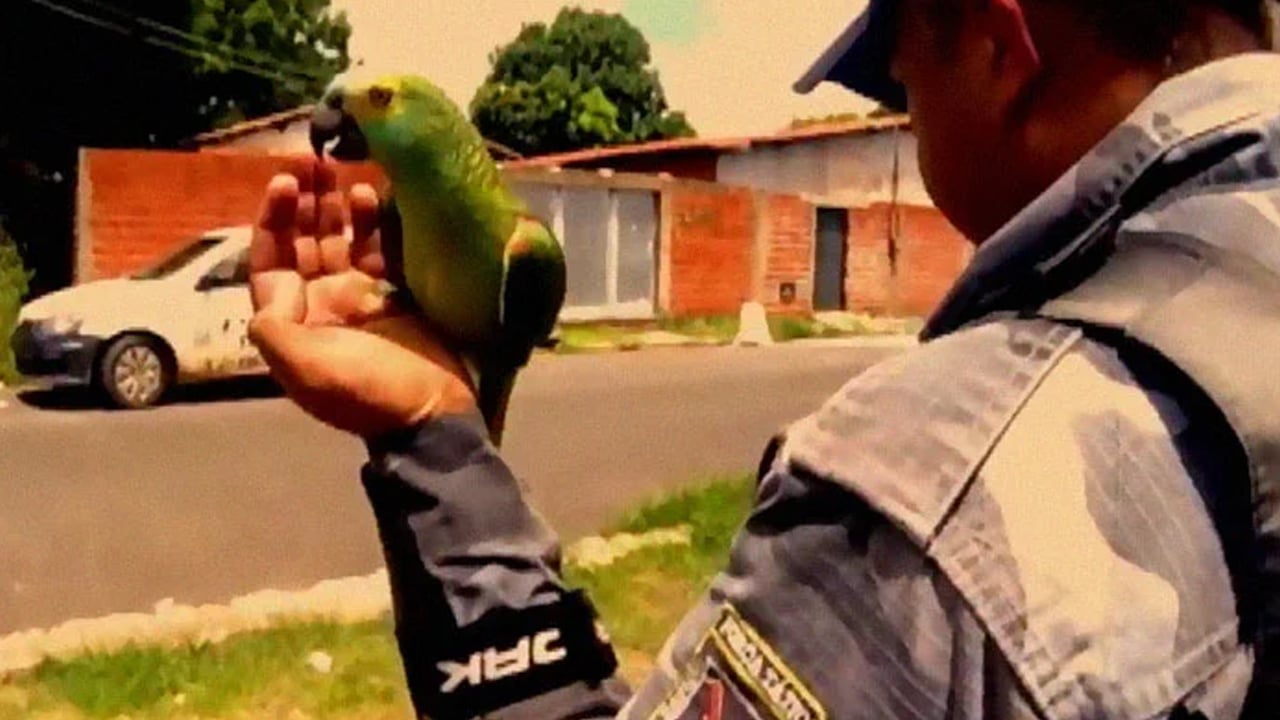
The operation took place in the Brazilian state of Piaui, where authorities had been investigating alleged crack cocaine trafficking activities linked to a local household.
Police officers reportedly approached the residence carefully, hoping to catch suspects off guard before evidence could be destroyed or individuals could escape.
Instead, according to officers involved in the operation, the parrot immediately began shouting warnings as police got closer to the property.
Witnesses claimed the bird repeatedly yelled “Mamae policia!” which translates to “Mama, police!”
Authorities believe the parrot had likely been trained specifically to recognize law enforcement officers and alert its owners whenever danger approached.
One police officer involved in the raid described the bird as “super obedient,” saying it appeared to know exactly what it was supposed to do when officers arrived.
“As soon as police got closer, it started shouting,” one official reportedly said. “It must have been trained for this.”
Although the warning allegedly caused confusion during the raid, officers still managed to arrest suspects connected to the investigation.
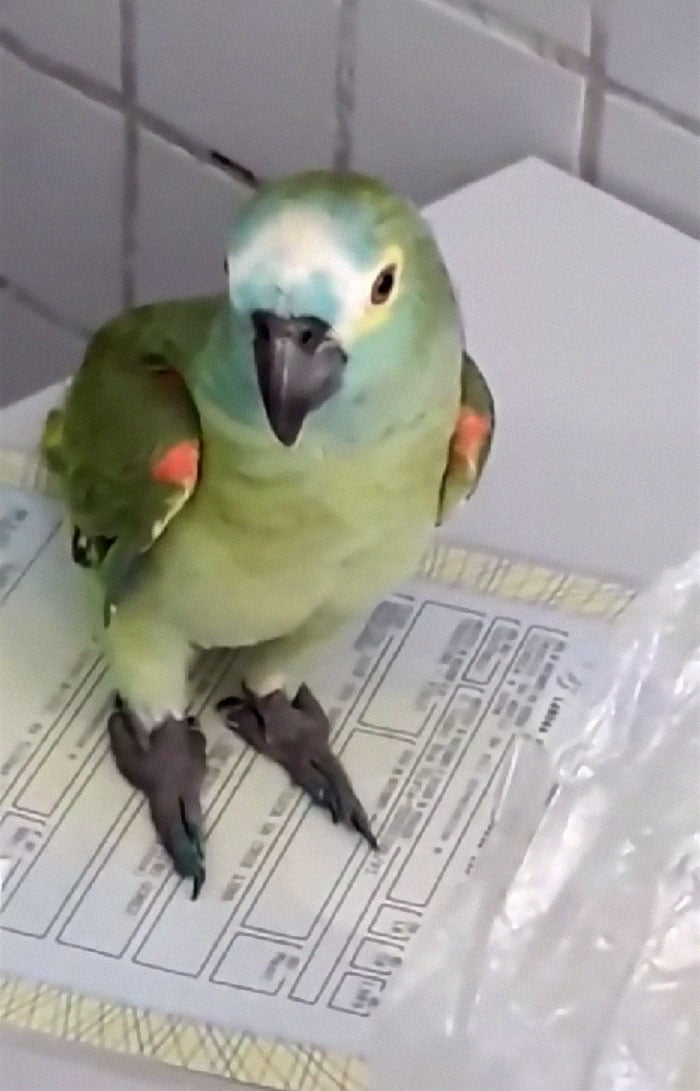
Footage later broadcast by local Brazilian television stations showed officers carrying the parrot away from the property while it calmly stood on an officer’s hand.
Within hours, images of the bird spread rapidly across social media platforms around the world.
Why The Talking Parrot Fascinated Millions Online
The story quickly became international news because it combined several elements that naturally capture public attention: crime, animals, intelligence, humor, and mystery.
People around the world were fascinated by the idea that a parrot could become part of a criminal operation.
Some internet users joked that the bird deserved its own lawyer.
Others sarcastically referred to the parrot as a “criminal mastermind.”
But beyond the humor, many experts pointed out that parrots are among the most intelligent bird species on Earth, capable of forming associations, recognizing patterns, mimicking sounds, and learning repeated behavioral routines.
Professional bird trainers explained that parrots can absolutely be conditioned to react to specific cues, including uniforms, voices, groups of people, or particular movements associated with police officers.
That means the story, while bizarre, was entirely believable.
Bird trainer Kirean, who later commented publicly about the case, explained that parrots can learn repeated warning phrases through simple conditioning over time.
According to him, the bird may have learned to associate approaching strangers, police uniforms, or even sounds of vehicles with the need to alert its owners.
Because parrots are highly social and intelligent creatures, they often repeat behaviors that receive strong reactions from humans around them.
If drug traffickers repeatedly rewarded the bird after warning them, the behavior could quickly become routine.
The Strange Silence After The Arrest
Ironically, one detail made the story even stranger.
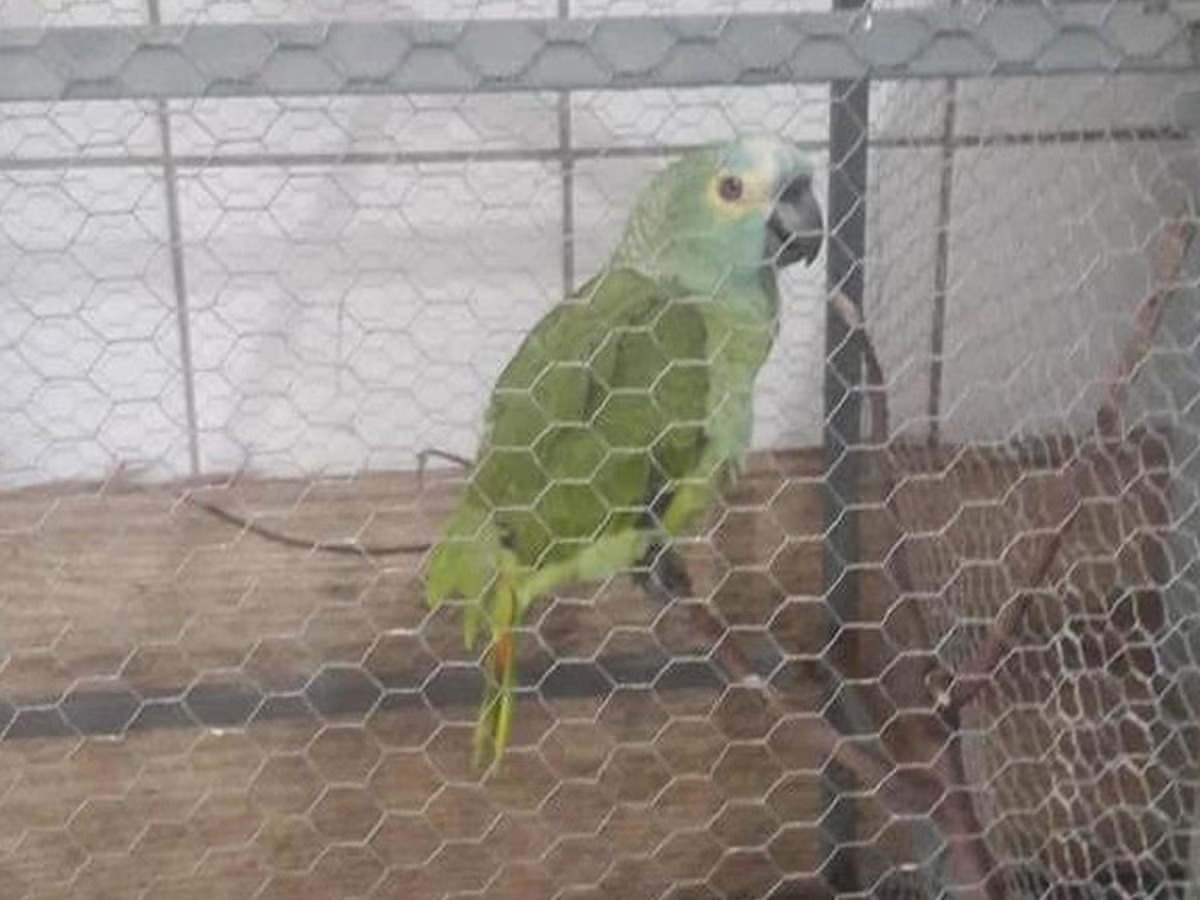
Police later claimed the parrot completely stopped talking after being taken into custody.
According to local reports, officers joked that the bird was refusing to cooperate with investigators.
The parrot reportedly remained silent throughout questioning and transportation after the raid.
That sudden silence only fueled online fascination.
Some social media users humorously claimed the bird “knew its rights.”
Others joked that the parrot had entered “criminal lawyer mode.”
While those comments were playful, bird experts say parrots can indeed become withdrawn or silent after stressful environmental changes.
Parrots form deep emotional attachments to familiar surroundings and caretakers. Sudden separation from owners, loud environments, or fear can dramatically affect their behavior.
Experts also explained that parrots often stop speaking when placed around unfamiliar humans because vocal mimicry is strongly connected to trust and bonding.
The silence may therefore have reflected stress rather than intelligence or stubbornness.
Still, the image of a “non cooperating parrot suspect” became one of the internet’s most memorable animal crime stories.
How Criminals Allegedly Train Animals For Illegal Operations
Although many people viewed the story as entertaining, law enforcement experts say criminals using animals is not actually uncommon.
Around the world, organized crime groups have reportedly used animals for surveillance, intimidation, transportation, and warning systems for decades.
Dogs are often trained to bark when strangers approach hidden locations.
Certain birds can reportedly be conditioned to react loudly to unfamiliar movement or uniforms.
In prisons, authorities have even intercepted pigeons allegedly used to smuggle drugs, mobile phones, or messages.
The Brazilian parrot case highlighted how intelligent animals can unknowingly become tools inside criminal enterprises.
Bird trainers noted that parrots are especially useful because of their ability to mimic human speech.
Unlike many animals, parrots can repeat exact warning phrases that instantly communicate danger to nearby people.
This makes them highly effective natural alarms.
Experts say training such behavior may not even require sophisticated methods. Simple repetition, emotional reactions, and rewards can gradually teach parrots to associate police presence with repeated warning phrases.
That possibility alarmed some law enforcement officials because it demonstrated how adaptable criminal organizations can become.
The Darker World Of Narco Animals And Exotic Pets
The talking parrot case also brought renewed attention to a larger issue tied to drug trafficking culture across parts of Latin America.
For years, authorities in countries such as Brazil, Colombia, Mexico, and Venezuela have uncovered private collections of exotic animals owned by drug traffickers.
These so called “narco zoos” often include lions, tigers, monkeys, jaguars, snakes, tropical birds, and rare wildlife species.
Many criminal leaders reportedly view exotic animals as symbols of wealth, fearlessness, and power.
Some build massive private animal compounds near hidden ranches or cartel properties.
Others keep dangerous wildlife as status symbols meant to intimidate rivals and impress associates.
But animal welfare experts say the animals themselves often suffer terribly.
Many are removed illegally from their natural habitats as babies and raised in captivity under poor conditions. Some are chained, malnourished, isolated, or psychologically damaged after years without proper care.
When authorities raid cartel properties and arrest owners, the animals are frequently left abandoned and traumatized.
Experts say reintroducing captive exotic animals back into the wild can be extremely difficult.
Why Birds Are Especially Vulnerable In Captivity
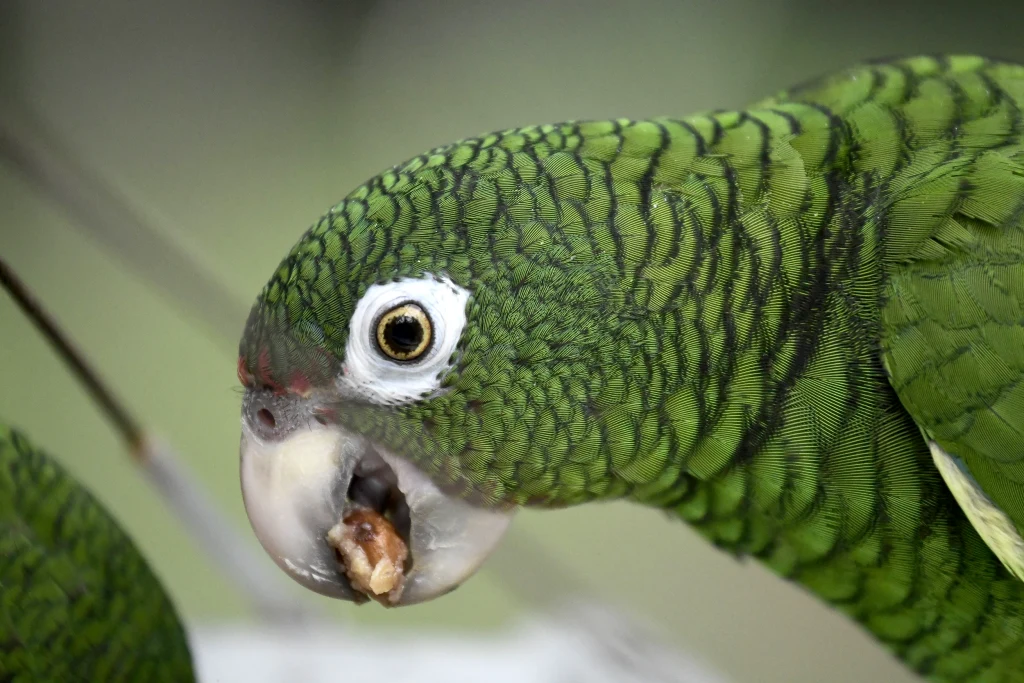
According to bird specialists, parrots are among the most emotionally sensitive animals commonly kept in captivity.
Unlike some pets that adapt more easily to changing environments, parrots form deep psychological bonds and routines that strongly affect their wellbeing.
Sudden relocation, isolation, or separation from familiar humans can trigger depression, aggression, or silence.
Some parrots reportedly stop eating or become self destructive under severe stress.
Bird trainer Kirean explained that rehabilitating an adult parrot after years of captivity can become extremely challenging.
Adult birds may struggle to adapt to new flocks, resist forming bonds, or lose survival instincts necessary for life in the wild.
Even if released, many captive parrots cannot successfully find food or protect themselves from predators.
Experts say this creates heartbreaking long term consequences for animals raised inside criminal environments.
While humans may move on after arrests, the animals often spend years dealing with psychological damage caused by captivity.
Another Talking Parrot Once Warned Drug Dealers In Colombia
Surprisingly, the Brazilian trafficking parrot was not the first bird linked to criminal warnings.
Years earlier in Colombia, authorities encountered another famous parrot named Lorenzo during anti drug operations.
According to reports at the time, Lorenzo had allegedly been trained to shout warnings whenever police officers approached.
The bird reportedly yelled “Run! Run!” in Spanish when authorities moved toward a suspected criminal property.
Police later discovered weapons and marijuana hidden nearby.
Colombian officials eventually claimed that hundreds of birds seized from criminal operations may have been trained similarly.
That revelation shocked many people because it suggested organized criminal groups had repeatedly experimented with using intelligent birds as living security systems.
The Brazilian parrot case therefore reinforced concerns that such tactics may be more common than previously believed.
The Ethical Questions Hidden Behind The Viral Headlines
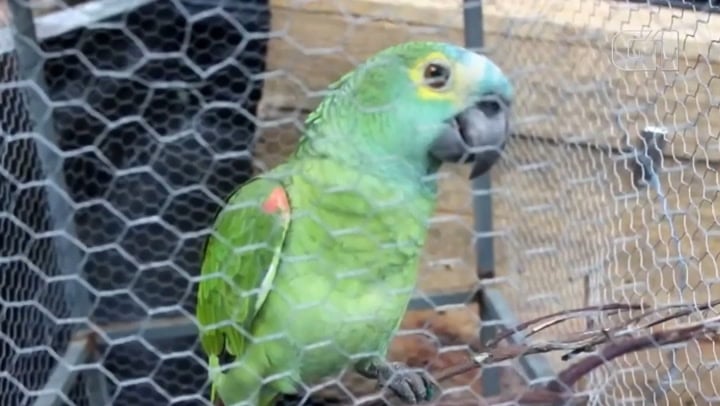
As funny as the story initially appeared, it also raised deeper ethical questions about how humans use animals.
The parrot itself had committed no crime.
It had simply repeated behaviors humans allegedly taught it.
Animal welfare advocates argued that the bird was ultimately another victim of criminal exploitation, manipulated into participating in dangerous situations without understanding what was happening.
The story therefore sparked broader discussions about responsibility, captivity, and the emotional lives of intelligent animals.
Experts emphasized that parrots are not decorative objects or entertainment devices.
They are highly cognitive creatures capable of forming memories, emotional attachments, and learned social patterns.
When raised inside violent or unstable environments, those experiences can permanently shape their behavior.
Some experts even questioned whether animals used in criminal operations experience stress responses similar to trauma.
While science continues studying animal emotions, researchers increasingly recognize that many intelligent species experience fear, anxiety, attachment, and grief in surprisingly complex ways.
What Happened To The Trafficking Parrot After The Raid
After the arrests, authorities announced the parrot would likely be transferred to a local zoo or wildlife rehabilitation center.
Officials hoped trainers could eventually help the bird adapt to a healthier environment.
Whether the bird was ever successfully rehabilitated remains unclear.
Experts noted that adult parrots raised around humans often face enormous challenges if released into the wild later in life.
Many survive only in captivity because they lose essential survival skills during domestication.
Still, the case left a lasting impression on millions of people around the world.
What began as a strange local police raid transformed into an unforgettable global story about intelligence, crime, and the complicated relationship between humans and animals.
Years later, the “talking trafficking parrot” remains one of the internet’s most bizarre crime stories.
Yet beneath the humor lies something more uncomfortable.
The case revealed how deeply human behavior can shape the lives of animals, even dragging them into dangerous worlds they never chose for themselves.
And perhaps that is what made the story resonate so widely.
It was not just about a parrot warning drug dealers.
It was about how intelligent creatures can become trapped inside human systems of greed, crime, and survival, often paying the emotional price long after the headlines disappear.