
Table of Contents
- Why Monterey Park Residents Voted Against Data Centers
- Why AI Data Centers Are Suddenly Everywhere
- The Hidden Environmental Cost Of Artificial Intelligence
- Why Communities Across America Are Starting To Push Back
- The Growing Fear Of Rising Utility Costs
- Why Tech Companies Say Data Centers Are Essential
- Why The Public Is Becoming More Skeptical Of AI Expansion
- Could More Cities Start Banning Data Centers?
- The Bigger Question Behind Monterey Park’s Decision
- What This Could Mean For The Future Of Artificial Intelligence
Why Monterey Park Residents Voted Against Data Centers
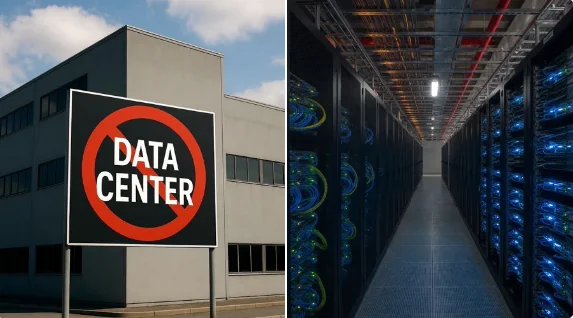
The newly approved measure specifically prohibits data centers throughout the city in an effort to protect air quality, drinking water resources, public health, and local utility stability.
Supporters of the ban argued that massive server facilities consume enormous amounts of electricity and water while providing limited direct benefit to surrounding neighborhoods.
Many residents feared that future projects could increase energy costs, strain infrastructure, worsen environmental conditions, and reduce overall quality of life.
The measure emerged after a proposed data center project sparked controversy inside Monterey Park earlier this year.
Although details surrounding the project remained limited, community concern escalated quickly once residents learned about the scale of resources modern AI focused facilities require.
Facing mounting public backlash, the city council eventually adopted a temporary moratorium on data center construction while debates continued.
The original project was later withdrawn.
But residents did not stop there.
Instead, voters moved toward creating a permanent citywide prohibition, ensuring future administrations could not easily approve similar projects later.
For many residents, the issue represented more than one proposed building.
It represented anxiety over what rapid AI expansion could mean for ordinary communities.
Why AI Data Centers Are Suddenly Everywhere
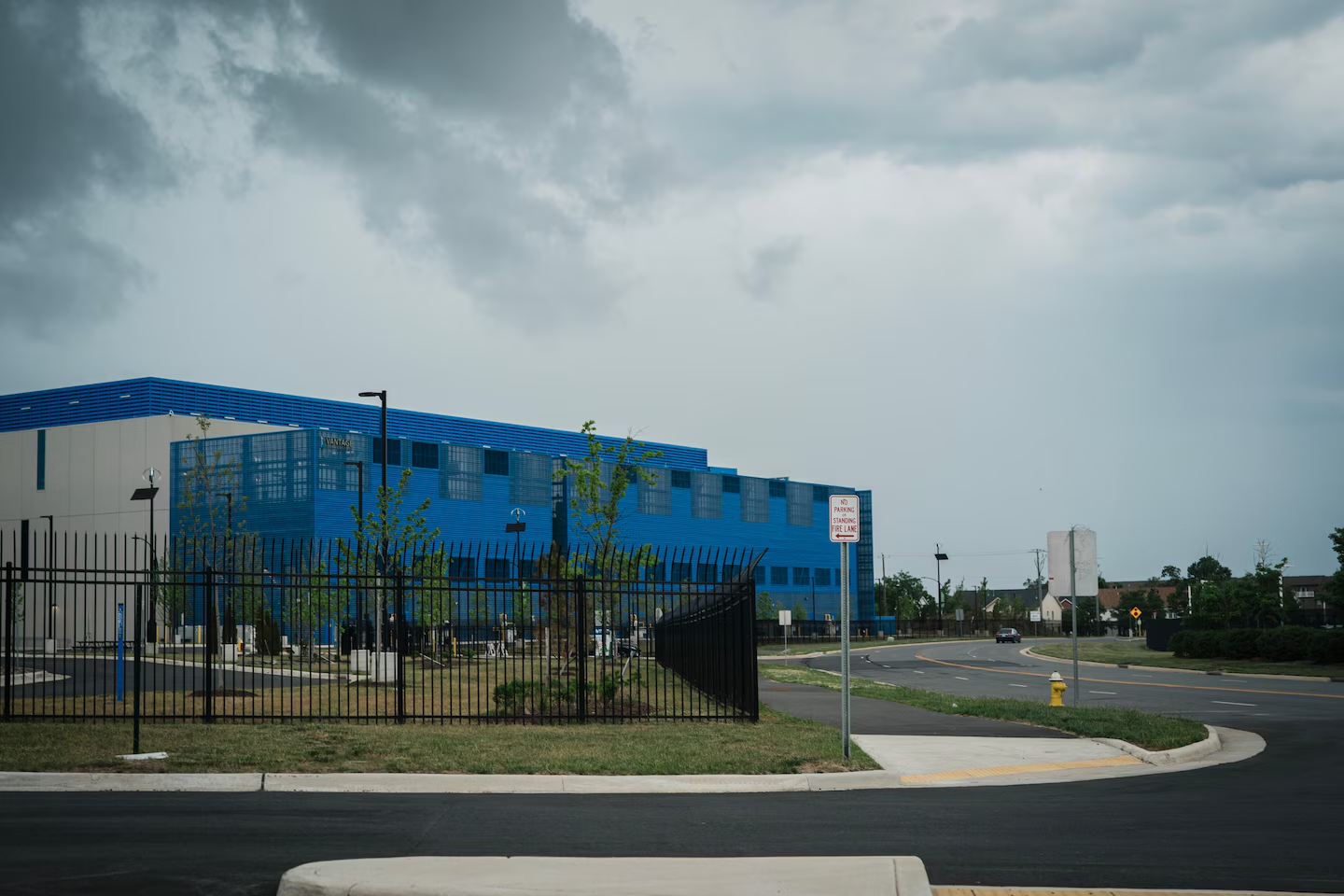
The controversy surrounding Monterey Park reflects a larger global reality.
Data centers have become one of the most important pieces of infrastructure in the modern economy, especially as artificial intelligence systems rapidly expand.
These facilities contain thousands of servers working continuously to process enormous amounts of data.
Every AI chatbot response, image generator request, cloud storage upload, streaming service, online search, and digital transaction relies on vast networks of data centers operating behind the scenes.
But artificial intelligence has dramatically increased demand.
Modern AI systems require extraordinary computing power for both training and operation. Companies competing in the AI race are now building increasingly massive campuses filled with advanced processors running nonstop around the clock.
Industry experts estimate that global electricity demand from data centers could surge sharply over the next decade as AI adoption grows.
That rapid expansion has triggered growing concern in communities where companies hope to build new facilities.
The Hidden Environmental Cost Of Artificial Intelligence
One reason opposition is growing involves the enormous resource consumption associated with AI infrastructure.
Many people imagine artificial intelligence as something invisible existing only online.
In reality, AI depends on huge physical facilities consuming tremendous amounts of power and water.
Large data centers often require advanced cooling systems to prevent servers from overheating. Some facilities consume millions of gallons of water annually for cooling purposes alone.
Electricity usage is equally staggering.
Certain AI focused facilities can use as much power as small cities.
Critics argue that communities may end up bearing environmental costs while receiving relatively few local economic benefits in return.
Residents in Monterey Park specifically pointed to concerns involving water resources, air quality, and electricity rates.
In drought vulnerable states like California, water consumption has become especially sensitive.
As climate concerns intensify, many Americans are beginning to question whether unlimited AI expansion is environmentally sustainable.
Why Communities Across America Are Starting To Push Back
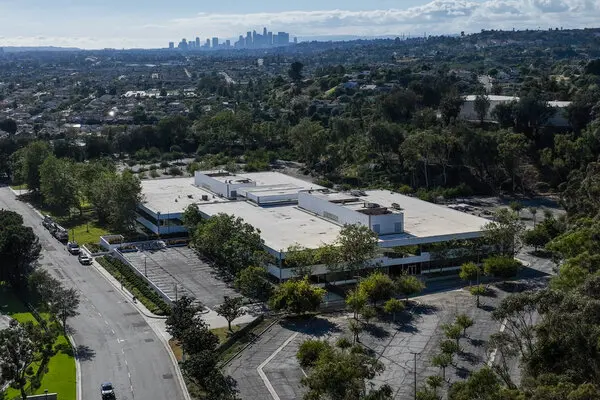
Monterey Park may be the most high profile example so far, but resistance to data center expansion has been building across the United States for months.
Communities in multiple states have begun raising concerns about noise pollution, land usage, electricity demand, water shortages, tax incentives, and environmental impact tied to large scale server facilities.
In Wisconsin, residents recently approved a referendum requiring major data center projects receiving tax benefits to gain voter approval first.
That move followed public frustration surrounding a large local development supported by tax incentives.
Meanwhile, lawmakers in several states have introduced proposals seeking temporary moratoriums or restrictions on data center construction.
In Maine, legislators even passed a statewide data center ban before it was ultimately vetoed by Governor Janet Mills.
New York lawmakers are also reportedly considering temporary restrictions on new data center construction, though uncertainty remains over whether Governor Kathy Hochul would support such measures.
What once seemed like a niche infrastructure issue has now evolved into a national political conversation.
The Growing Fear Of Rising Utility Costs
One of the strongest concerns raised by communities involves utility pricing.
As data centers consume more electricity, residents worry ordinary households may eventually absorb part of the financial burden.
Power grids already face growing strain in many regions due to population growth, electric vehicles, heat waves, and increasing digital dependence.
Adding energy hungry AI facilities into the system could intensify those pressures.
Some experts warn that electricity demand from AI infrastructure may outpace current grid expansion plans if growth continues unchecked.
Communities fear this could eventually contribute to higher energy bills or increased risk of outages during periods of heavy demand.
Water costs create additional anxiety.
In regions vulnerable to drought or resource shortages, residents increasingly question whether massive industrial cooling systems should receive priority access to water supplies.
Supporters of the Monterey Park ban argued that preventing future strain now could protect residents from higher costs later.
Why Tech Companies Say Data Centers Are Essential
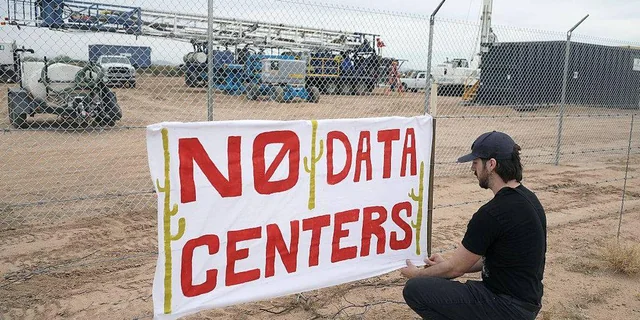
Despite public resistance, technology companies argue that data centers are now essential infrastructure supporting modern society.
Without them, cloud computing, streaming services, artificial intelligence, online communication, digital banking, healthcare systems, and countless internet based services would not function.
Executives also argue that AI development could produce enormous economic and scientific breakthroughs.
Supporters believe artificial intelligence may eventually revolutionize medicine, transportation, education, manufacturing, climate research, and productivity.
To achieve those goals, however, massive computing infrastructure is necessary.
Technology firms have therefore accelerated efforts to build larger and more advanced facilities as competition intensifies.
Major companies are investing billions of dollars into AI infrastructure expansion worldwide.
Many executives warn that slowing development could weaken American technological leadership against countries rapidly advancing their own AI capabilities.
This creates a difficult balancing act between innovation and public concern.
Why The Public Is Becoming More Skeptical Of AI Expansion
For years, many Americans viewed technology growth as largely positive.
But attitudes appear to be shifting.
A recent Gallup survey found that roughly 71 percent of American adults opposed construction of a data center in their local area.
That statistic stunned many industry analysts.
The results suggest growing skepticism surrounding how technological expansion affects ordinary communities.
Many people increasingly worry that large corporations profit from AI growth while local residents deal with environmental stress, noise, rising costs, and infrastructure strain.
Others fear AI itself may eventually threaten jobs, privacy, or social stability.
Because data centers represent the physical backbone of artificial intelligence, opposition toward them may also reflect broader unease about how rapidly AI is transforming society.
Monterey Park’s vote may therefore symbolize something much larger than local zoning policy.
It may represent the first visible sign of organized public resistance against uncontrolled AI expansion itself.
Could More Cities Start Banning Data Centers?
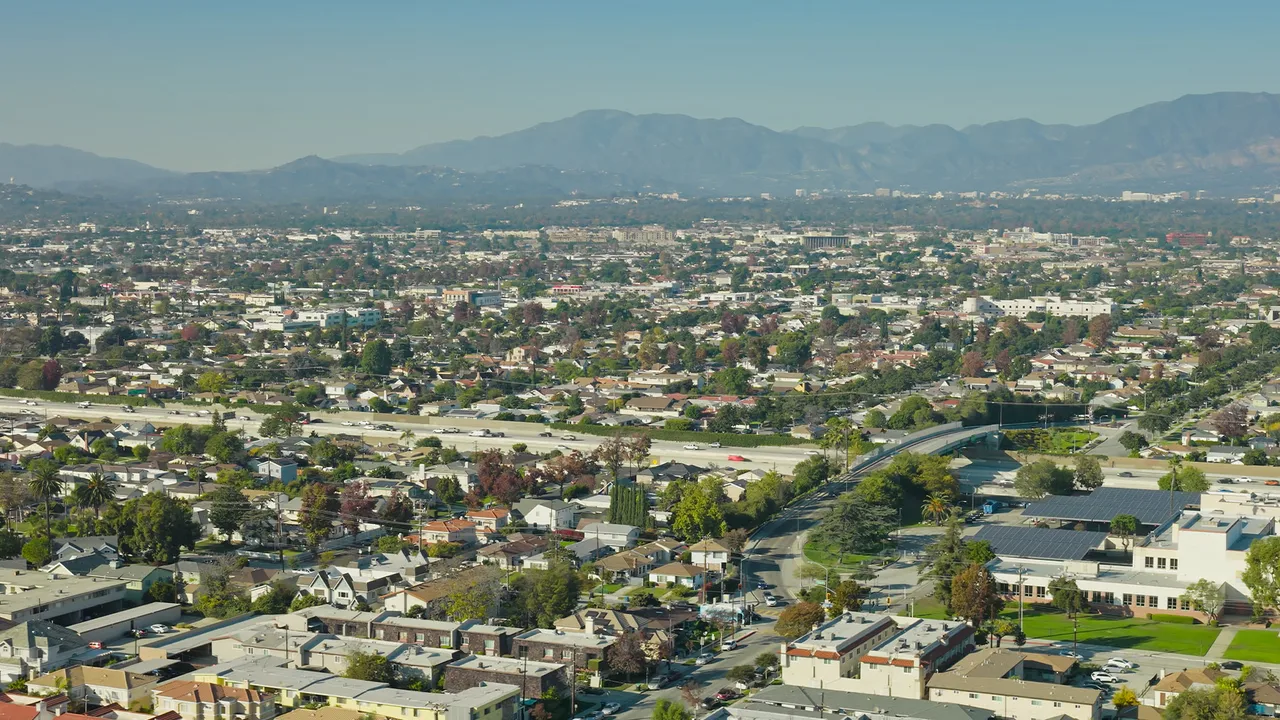
Following Monterey Park’s decision, many experts believe other communities may soon consider similar restrictions.
Cities facing water shortages, electricity concerns, or rapid industrial expansion could increasingly encounter pressure from residents demanding tighter regulation.
Local governments may also begin reconsidering generous tax incentives often offered to attract data center investments.
Some economists argue communities sometimes overestimate the long term economic benefits these facilities provide.
Unlike factories or large employment centers, modern data centers can operate with relatively small staffing requirements once construction finishes.
Critics therefore question whether environmental costs outweigh economic gains.
At the same time, supporters warn that widespread restrictions could slow technological innovation and weaken national competitiveness.
This tension between local concerns and global technological ambition may define future political battles surrounding AI infrastructure.
The Bigger Question Behind Monterey Park’s Decision
At its core, the Monterey Park vote raises a larger question facing societies worldwide.
How much physical sacrifice should communities make in order to support artificial intelligence growth?
AI often feels intangible because users interact with software through phones and computers.
But behind every AI generated image, chatbot conversation, and machine learning system exists an enormous industrial network consuming real land, water, electricity, and resources.
As AI becomes more integrated into daily life, the physical footprint supporting it will continue expanding.
Communities may increasingly find themselves forced to decide whether they are willing to host that infrastructure.
Monterey Park residents made their answer clear.
For now, at least, they are not willing to trade local environmental stability for participation in the AI boom.
What This Could Mean For The Future Of Artificial Intelligence
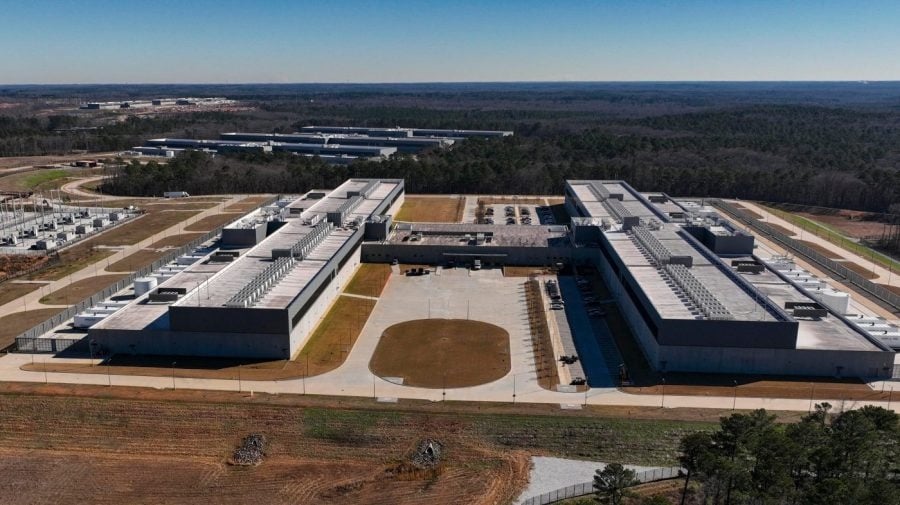
The Monterey Park decision may ultimately become remembered as more than a local election result.
It could mark the beginning of a new phase in the global AI conversation, one where communities demand greater control over how technological infrastructure affects their environment and daily lives.
For years, the focus surrounding artificial intelligence centered mainly on innovation, investment, and technological capability.
Now, attention is shifting toward sustainability, public acceptance, and resource consumption.
That shift could reshape how future AI infrastructure is planned and regulated.
Technology companies may eventually face increasing pressure to design greener, quieter, and more resource efficient facilities if they hope to avoid growing public opposition.
Meanwhile, communities across America are likely watching closely.
Because if one small California city successfully blocked data centers through direct voter action, others may soon attempt to do the same.
And if that trend spreads, the future expansion of artificial intelligence infrastructure in the United States could become far more politically complicated than many technology companies ever expected.