
Table of Contents
- The Tragic Death Of Infant Parker Boes
- The Plea Agreement That Changed The Trial
- The Courthouse Punch That Shocked Everyone
- Why Child Death Cases Create Intense Emotional Reactions
- Prosecutors Called The Case Difficult And Emotional
- Why Plea Deals In Child Death Cases Often Divide Public Opinion
- The Psychological Toll On Families After Child Loss
- Why Courthouse Violence Happens In Emotional Cases
- The Community Reaction After The Sentencing
- The Lasting Questions Left Behind By The Case
The Tragic Death Of Infant Parker Boes
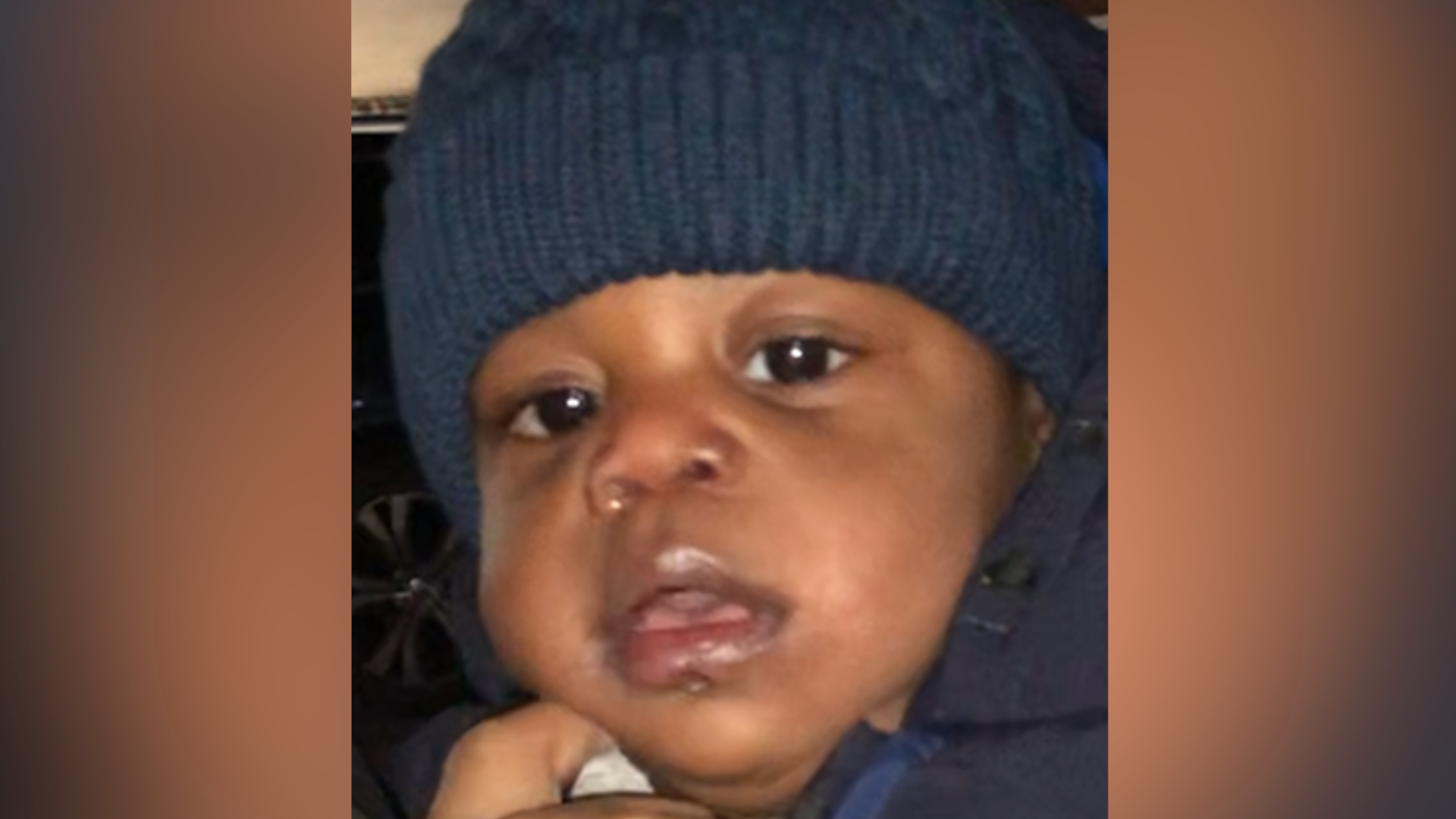
The case centered around the death of infant Parker Boes, an 11 week old baby whose death shocked residents across Gibson County, Indiana.
Authorities said Parker died from blunt force head trauma in May 2018, triggering a criminal investigation that eventually led to charges against his father, Kwin Boes.
The details surrounding the child’s death deeply disturbed the local community.
Cases involving infants often carry a particularly emotional impact because the victims are entirely defenseless and dependent on adults for protection and care.
For many residents, the story became difficult to process emotionally.
Friends, relatives, and community members struggled to understand how such a young child could suffer fatal injuries inside his own home.
Court records later revealed that prosecutors pursued serious felony charges tied to Parker’s death.
Initially, Boes faced two Level 1 felony charges, which could have resulted in a significantly longer prison sentence if convicted at trial.
As the legal process unfolded, however, negotiations between prosecutors and defense attorneys eventually resulted in a plea agreement.
The Plea Agreement That Changed The Trial
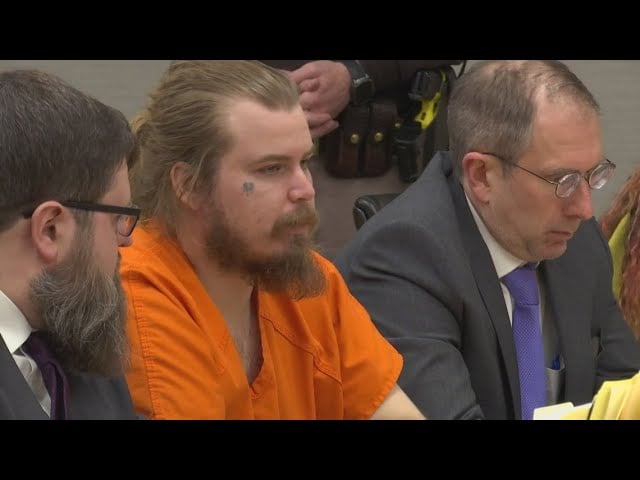
Just weeks before the trial was scheduled to begin, attorneys reached a plea deal that dramatically altered the direction of the case.
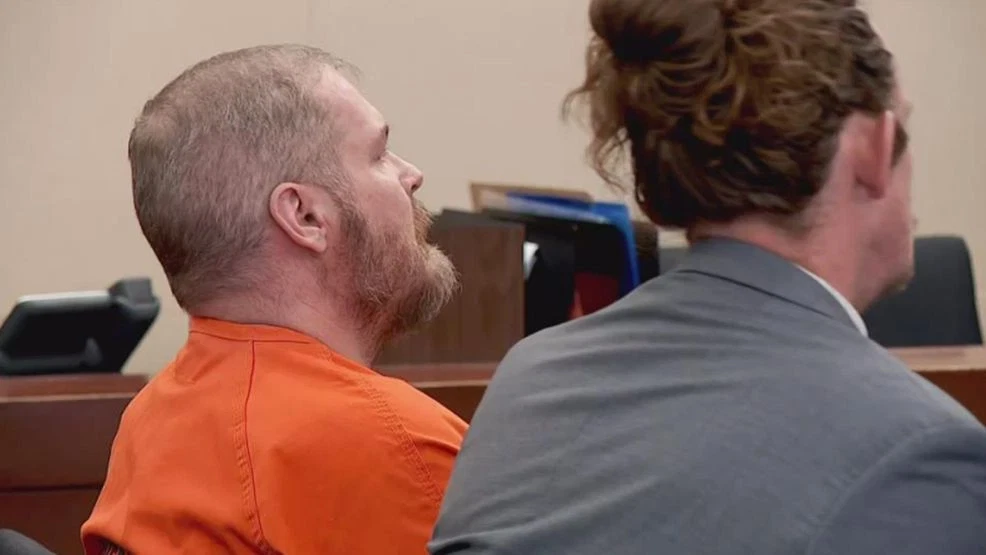
Under the agreement, prosecutors dismissed two Level 1 felony charges in exchange for Boes pleading guilty to a Level 2 felony charge of domestic battery resulting in death.
The plea agreement eliminated the need for a lengthy public trial, sparing family members from potentially reliving traumatic details during courtroom testimony.
Still, the agreement also generated mixed emotions.
Some observers believed the plea deal ensured accountability while avoiding uncertainties associated with trial proceedings.
Others questioned whether the sentence would ever feel sufficient considering the loss of an infant life.
Before the agreement, Boes reportedly faced the possibility of up to 40 years in prison.
Ultimately, the judge sentenced him to 25 years, including 20 years served in prison followed by five years of probation after release.
Authorities later stated the sentence could potentially be reduced with good behavior.
That possibility became especially emotional for Parker’s grieving relatives.
The Courthouse Punch That Shocked Everyone
Moments after sentencing concluded, tensions inside the courthouse suddenly erupted.
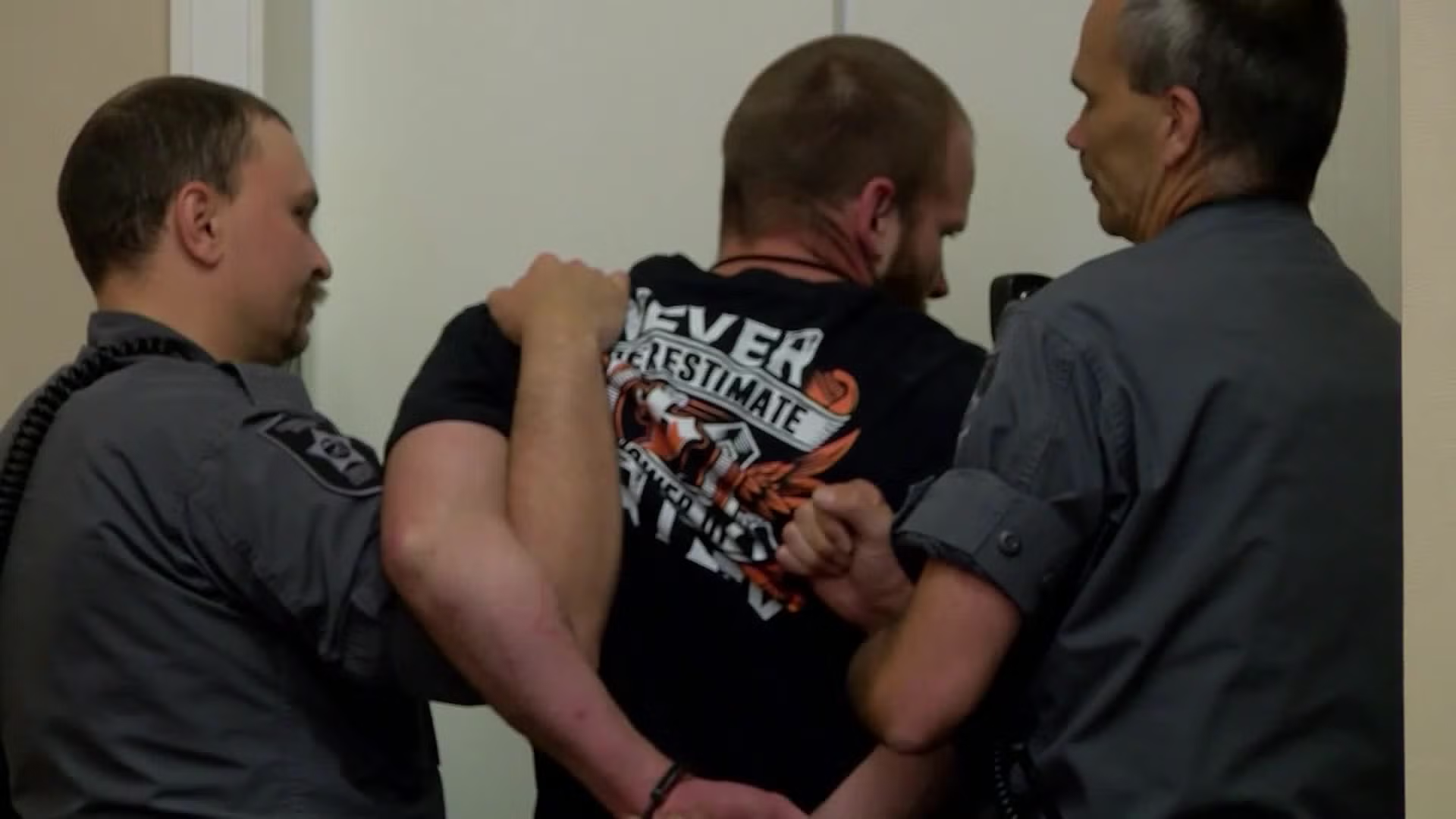
According to authorities, a man identified as Jeremiah Hartley, reportedly Parker’s uncle, punched Boes shortly after the hearing ended.
The emotional outburst happened in full view of people inside the courtroom and nearby courthouse areas.
Video footage quickly spread through local media coverage, transforming the sentencing hearing into a viral regional news story.
Witnesses described the moment as fast, emotional, and deeply tense.
Court security and deputies quickly intervened before the situation escalated further.
Although the incident lasted only seconds, it instantly changed the atmosphere surrounding the sentencing.
Instead of ending quietly, the hearing concluded with another criminal charge being filed.
Sheriff Tim Bottoms later confirmed that Hartley would face a battery charge connected to the courthouse attack.
For many observers, however, the punch represented more than a legal violation.
It represented the visible explosion of grief, anger, frustration, and heartbreak that had likely been building for more than a year.
Why Child Death Cases Create Intense Emotional Reactions

Cases involving the death of infants or young children often produce unusually intense emotional reactions both inside and outside courtrooms.
Unlike many criminal cases where victims can tell their own stories, infant victims cannot speak for themselves.
That reality frequently places enormous emotional pressure on parents, grandparents, siblings, relatives, and prosecutors.
The grief surrounding child death cases can become overwhelming because family members are often forced to imagine pain, fear, or suffering experienced by someone completely innocent and defenseless.
Legal proceedings can intensify that trauma.
Court hearings require families to repeatedly revisit disturbing evidence, medical findings, photographs, and testimony tied to the child’s death.
For some relatives, emotions become almost impossible to contain.
The courthouse confrontation in Indiana highlighted how deeply emotional criminal proceedings can become when families feel justice can never truly compensate for a child’s life being lost.
Prosecutors Called The Case Difficult And Emotional
During interviews following sentencing, prosecutors acknowledged the emotional difficulty surrounding the case.
Chief Deputy Prosecutor Abigail Brown-Cox described the death of an infant as especially heartbreaking.
“It’s an infant, and it’s hard to deal with,” she reportedly stated after the hearing. “You just have to cope with it as best you can.”
She also acknowledged the unimaginable pain experienced by Parker’s relatives throughout the investigation and legal process.
Cases involving children often take emotional tolls not only on families, but also on investigators, prosecutors, emergency responders, judges, medical professionals, and jurors.
Many officials working such cases privately admit the emotional weight can linger long after proceedings end.
Although prosecutors stated they felt the plea agreement represented a reasonable outcome under the circumstances, the visible anger inside the courthouse showed that legal closure does not necessarily create emotional closure.
Why Plea Deals In Child Death Cases Often Divide Public Opinion
Plea agreements remain one of the most controversial aspects of criminal justice, especially in emotionally charged cases involving children.
Supporters argue plea deals help secure convictions while avoiding lengthy trials that can retraumatize victims’ families.
Trials also carry risks.
Even strong cases can produce uncertain jury outcomes.
By securing guilty pleas, prosecutors often guarantee prison sentences without risking acquittal or reduced convictions.
Critics, however, frequently feel plea agreements reduce accountability.
In highly emotional cases, families sometimes struggle accepting sentences that feel smaller than the emotional devastation they experienced.
The Indiana case reflected those tensions clearly.
While prosecutors publicly expressed satisfaction with the agreement, the emotional courthouse confrontation suggested some family members may still have felt deep frustration or unresolved anger.
Public reaction online mirrored that divide.
Some people believed the 25 year sentence represented substantial punishment.
Others argued no sentence could ever feel sufficient in the death of a baby.
The Psychological Toll On Families After Child Loss
Experts say the emotional destruction caused by losing a child often lasts a lifetime.
Parents and relatives grieving infant deaths frequently experience depression, anxiety, guilt, trauma, insomnia, and emotional instability for years after the loss.
Relationships sometimes collapse under the pressure.
Families can become divided over blame, anger, or legal outcomes.
Even after criminal cases conclude, emotional recovery remains incredibly difficult.
For relatives in cases involving abuse or violence, the grief can become even more complicated because it intertwines with rage and unanswered questions.
Some psychologists explain that traumatic grief often produces overwhelming emotional surges that temporarily overpower rational thinking.
That reality may help explain why courtroom confrontations occasionally occur after highly emotional verdicts or sentencing hearings.
In those moments, years of grief, stress, and emotional pain can suddenly erupt physically.
Why Courthouse Violence Happens In Emotional Cases
Although rare, emotional outbursts inside courthouses are not uncommon in cases involving children, murder, or violent crimes.
Courtrooms often force victims’ families into direct physical proximity with individuals they blame for devastating losses.
Security measures exist precisely because emotions can become unpredictable.
Family members sometimes react strongly after hearing sentences they view as too lenient or after seeing defendants appear emotionally detached during proceedings.
In some situations, victims’ relatives have shouted, lunged at defendants, or attempted physical attacks immediately after hearings conclude.
Security officers are trained to respond quickly because emotional courtroom environments can shift rapidly.
The Indiana courthouse incident became another example of how fragile emotional control can become when families face unimaginable grief.
The Community Reaction After The Sentencing
Residents throughout Gibson County followed the case closely from the moment of Parker’s death through the final sentencing hearing.
Many community members expressed sympathy toward the family and sadness over the loss of such a young child.
The courthouse punch itself generated mixed reactions online.
Some people condemned the attack, arguing violence inside a courthouse undermines legal order and creates further criminal consequences.
Others admitted they understood the emotional impulse behind it, even if they did not support the act itself.
That complicated reaction reflected the emotional complexity surrounding child death cases.
Many people struggle balancing legal principles with emotional instincts when confronting crimes involving vulnerable children.
The story therefore resonated far beyond Indiana because it tapped into universal emotions surrounding grief, justice, and helplessness.
The Lasting Questions Left Behind By The Case
Long after the courtroom emptied and headlines faded, the tragedy surrounding Parker Boes continued raising difficult questions.
Could the child’s death have been prevented?
Did the sentence deliver justice?
Can families ever truly recover emotionally after losing a child in such circumstances?
Cases like this rarely end neatly.
Legal proceedings eventually conclude, but emotional consequences often continue indefinitely for everyone involved.
The courthouse punch became symbolic not simply because it was dramatic, but because it exposed the raw emotional devastation hidden beneath criminal cases involving children.
Behind every court document and sentencing hearing exists a family trying to survive unimaginable loss.
And while the justice system can deliver prison sentences, plea agreements, or criminal charges, it cannot erase grief.
That reality may be the hardest part of all.
For many families affected by child loss, the emotional sentence continues long after the courtroom doors close.