
Table of Contents
- St. Louis Shooting Highlights Home Defense Risks
- The Incident Unfolded
- Neighbor Conflicting Accounts
- Legal Considerations: Self-Defense for Minors
- The Context of Gun Access for Children
- Historical Precedents and Recent Trends
- Community and Media Reactions
- Psychological and Social Implications
- Law Enforcement and Investigative Process
- Broader Implications for Gun Policy
- Lessons From a Tragic Incident
St. Louis Shooting Highlights Home Defense Risks
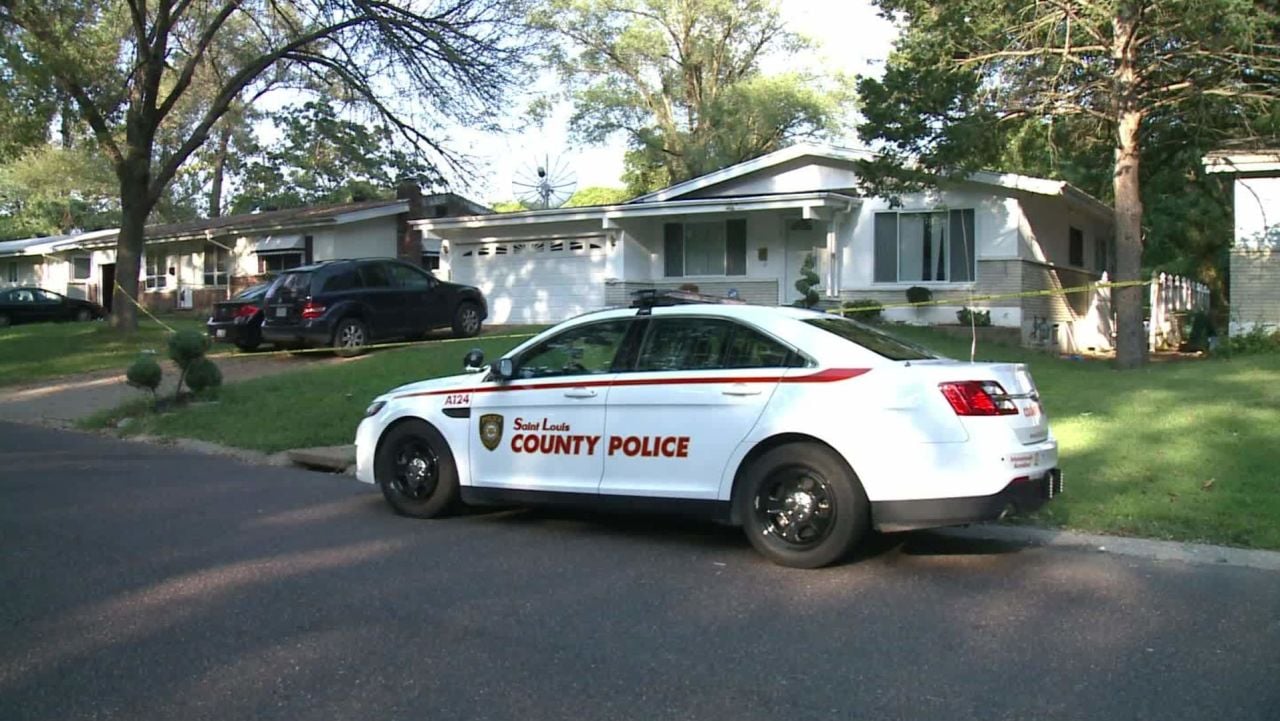
When news broke that an 11-year-old boy in north St. Louis County shot and killed a 16-year-old intruder while home alone with his younger sister, the story quickly captured national attention. Authorities reported that the child acted to defend himself and his sibling during multiple attempted home invasions, but neighbors offered conflicting accounts, raising questions about what truly happened and how firearm access intersects with child safety. This incident not only underscores the dangers of unsupervised children and firearms but also ignites debates about self-defense laws and gun ownership responsibilities.
The Incident Unfolded
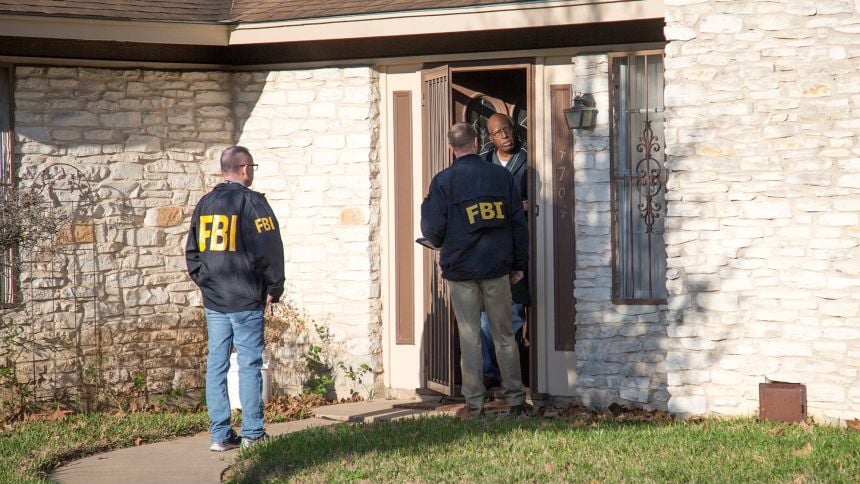
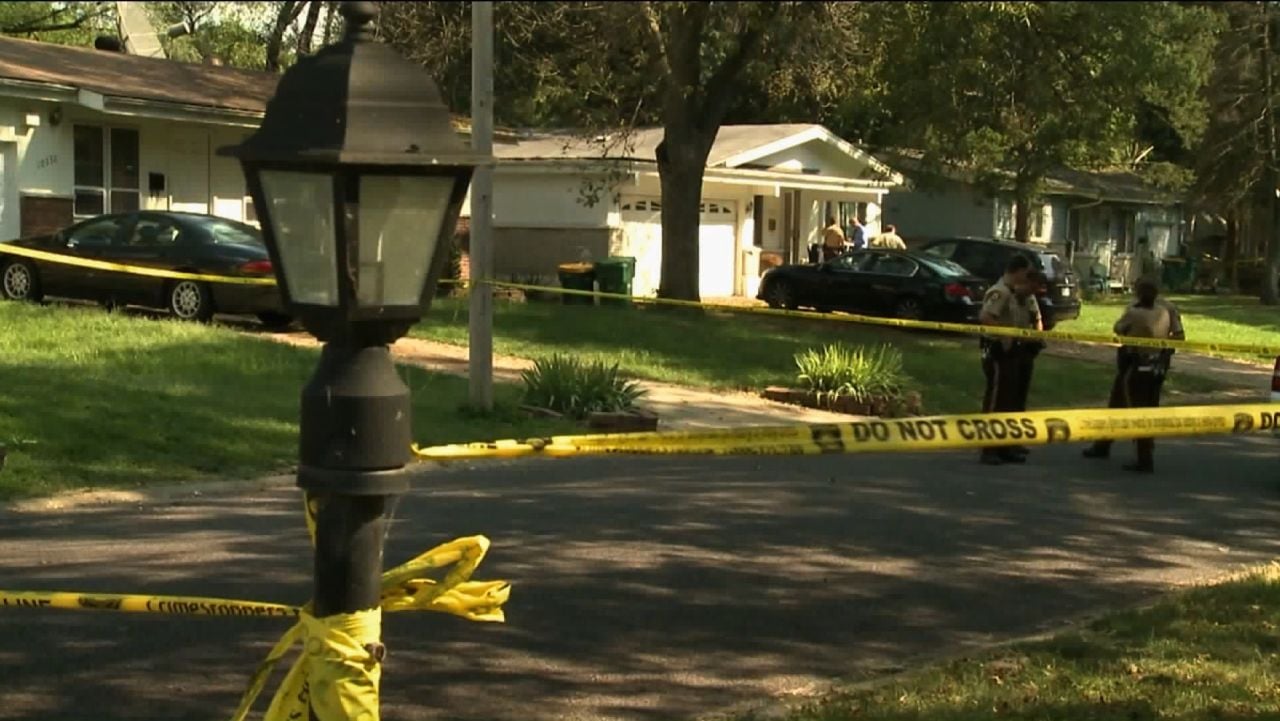
Police say the shooting occurred on a Thursday afternoon in north St. Louis County. Responding officers found the 16-year-old intruder deceased inside the home’s front foyer. According to St. Louis County Police Sergeant Brian Schellman, the teen had attempted to break into the residence multiple times that day.
“The 11-year-old was left alone with his 4-year-old sister and successfully defended the home,” Schellman said, emphasizing that neither child was physically harmed during the confrontation. Authorities noted that the mother had purchased the handgun after previous break-in attempts, intending to protect her family.
Neighbor Conflicting Accounts
Not everyone agrees with the police narrative. A neighbor told KMOV that the children and the teenager were arguing on the front porch, not inside the home. “He was always just sitting right there on the porch. He never once went inside the house,” the woman said.
These discrepancies highlight the challenges investigators face in determining the exact circumstances of incidents involving children and firearms. The investigation continues to reconcile eyewitness accounts with physical evidence from the scene.
Legal Considerations: Self-Defense for Minors
This case raises complex legal questions about the application of self-defense laws to minors. While adults can legally defend themselves in their homes, courts have rarely addressed situations in which children use firearms to prevent harm to themselves or others.
Legal scholars note that the child’s age, the perceived threat, and the reasonableness of the response are critical in evaluating whether the shooting falls under lawful self-defense. These factors often involve a combination of statutory interpretation and case law precedent, and outcomes can vary widely depending on jurisdiction.
The Context of Gun Access for Children
Access to firearms by minors is a sensitive and controversial topic. In this case, the mother legally purchased a handgun to protect her family, but the child had unsupervised access. Experts warn that unsupervised firearms significantly increase the risk of accidental shootings or misuse.
Advocates for responsible gun ownership emphasize that firearms in homes with children must be securely stored, with locks and safety devices to prevent unauthorized use. This incident serves as a stark reminder of the potential consequences when these precautions are not fully implemented.
Historical Precedents and Recent Trends
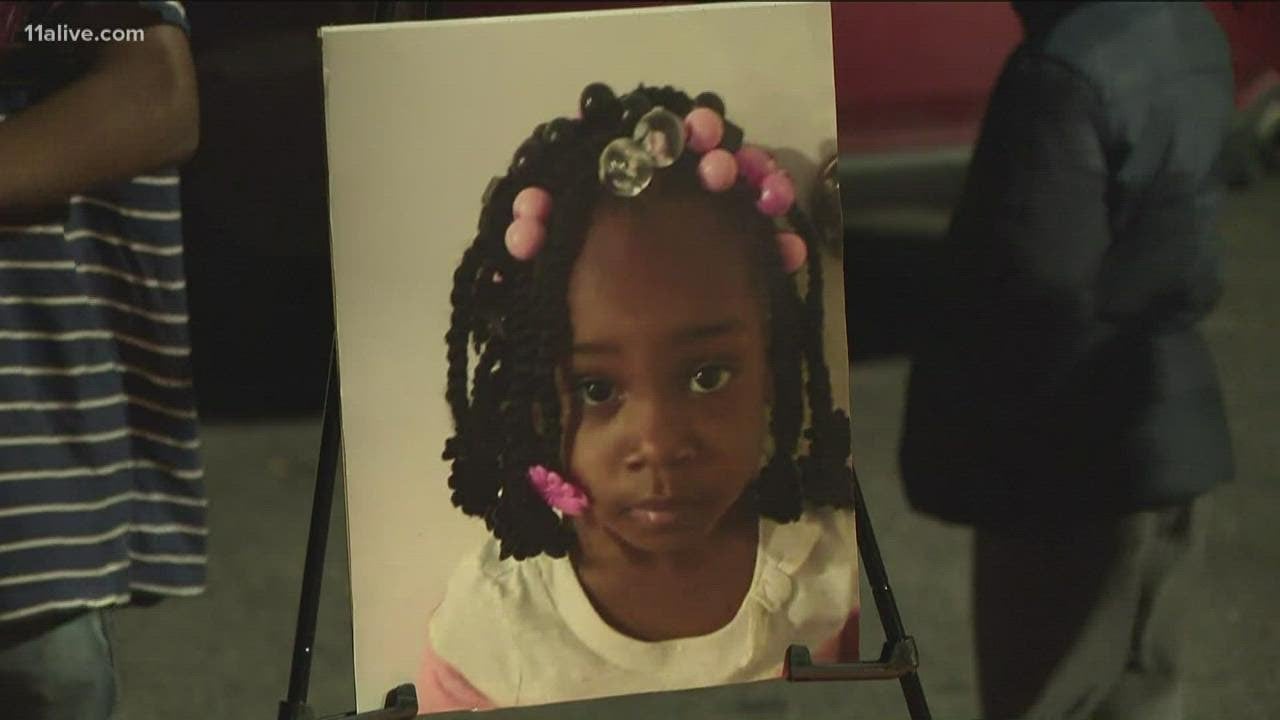
The St. Louis shooting was the third incident involving children and guns in the area in recent weeks. On August 18, nine-year-old Jamyla Bolden was tragically shot and killed while doing homework in her mother’s bed. A week later, 21-month-old Carter Epps died after being shot in the torso.
These events have amplified public concern about firearm safety in homes with children and have prompted calls for both education and legislation aimed at preventing tragedies. Researchers studying firearm-related deaths among children highlight that unsupervised access remains one of the leading risk factors for accidental or defensive shootings.
Community and Media Reactions
Local media coverage, including KMOV and KTVI/KPLR reports, sparked widespread discussion about the responsibilities of parents, the role of law enforcement, and the appropriate use of firearms in self-defense. Some residents praised the child for acting decisively to protect himself and his sister, framing the shooting as a rare instance of effective home defense.
Others expressed concern over the involvement of children in lethal incidents and questioned why the child had access to a loaded weapon. Community leaders emphasized the need for both public awareness campaigns and educational programs to reduce firearm accidents among minors.
Psychological and Social Implications
Experts warn that children involved in shooting incidents, even in self-defense scenarios, may experience long-term psychological effects, including trauma, guilt, and anxiety. Access to counseling and mental health support is critical to helping young individuals process such events.
Socially, cases like this also spark debate over the normalization of firearms in domestic spaces. Advocates for gun safety argue that incidents involving minors can erode public confidence in responsible gun ownership and highlight systemic gaps in education and storage practices.
Law Enforcement and Investigative Process
The ongoing investigation involves both police officers and forensic experts analyzing the scene, examining the firearm, and reviewing statements from neighbors and witnesses. The mother of the children is cooperating fully, providing insight into prior break-in attempts and firearm access.
Authorities face the challenge of balancing legal accountability, child protection, and community safety. The case will likely involve multiple agencies, including juvenile services and legal representatives, to ensure a thorough and fair evaluation of the circumstances.
Broader Implications for Gun Policy
The St. Louis shooting exemplifies the complex intersection of home defense, child access to firearms, and public safety policy. Legislators and policymakers face difficult questions about how to regulate firearms in family settings while respecting legal rights to self-defense.
Some advocates argue for stricter requirements for safe storage, mandatory child-safety education for firearm owners, and enhanced monitoring of homes with minors. Others emphasize the importance of parental responsibility and education over additional legislation.
Lessons From a Tragic Incident
The shooting by an 11-year-old in St. Louis serves as a sobering case study in the potential consequences of unsupervised firearm access and the real-world application of self-defense laws. It raises critical questions about the responsibilities of parents, the limits of juvenile legal protection, and the intersection of safety and constitutional rights.
As investigators, families, and communities process this incident, the story is likely to influence ongoing discussions about child safety, firearm policy, and responsible home defense. It reminds the nation that while legal frameworks exist to protect rights and lives, practical measures like education, secure storage, and supervision remain essential to preventing further tragedies.
This case will continue to be scrutinized by media, legal analysts, and policymakers, providing lessons for communities nationwide on the delicate balance between protecting families and ensuring children’s safety around firearms.