
Table of Contents
- DOJ Opens Investigation Into Philadelphia Gun Permits
- Why the DOJ Stepped In
- Local and National Reactions
- Philadelphia’s Permit System
- The Second Amendment Context
- Key Supreme Court Precedents
- Legal and Political Implications
- Balancing Rights and Public Safety
- Community Response and Outreach
- Next Steps in the Investigation
- Broader National Context
- A Pivotal Moment for Gun Rights
DOJ Opens Investigation Into Philadelphia Gun Permits
When news broke that the U.S. Department of Justice had launched an investigation into Philadelphia’s gun permit denials, the city and the nation paused to take notice. The probe focuses on whether local authorities violated residents’ Second Amendment rights by denying or canceling permits for vague or subjective reasons. Advocates for gun rights applauded the move as a long-overdue federal intervention, while gun-control proponents argued that the investigation could undermine essential public safety measures. What follows is an in-depth examination of the investigation, its background, legal context, and implications for gun ownership in Philadelphia and across the country.
Why the DOJ Stepped In

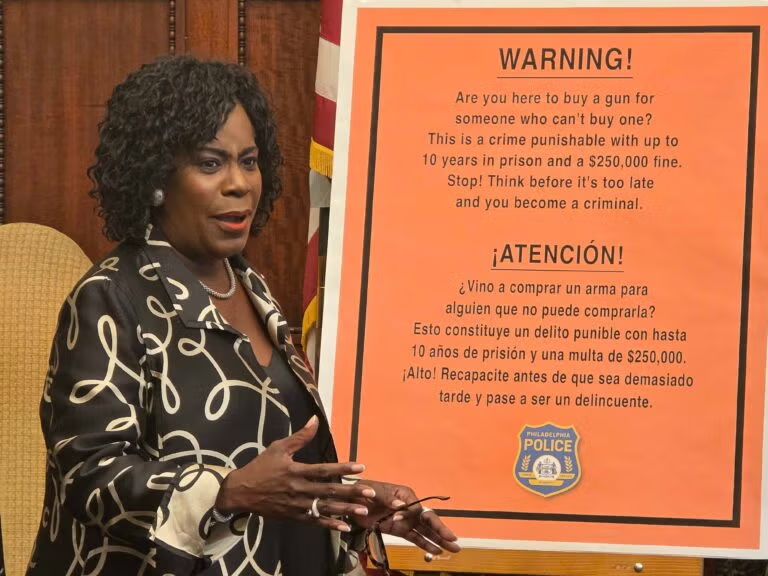
The DOJ’s investigation centers on the city of Philadelphia and the Philadelphia Police Department’s handling of gun permits. Under Pennsylvania law, local authorities can issue, deny, or revoke permits based on the “character and reputation” of applicants. Critics claim this standard is overly subjective and open to abuse.
Assistant Attorney General Harmeet K. Dhillon of the DOJ’s Civil Rights Division sent a letter to Mayor Cherelle Parker detailing the federal review. The letter emphasized that the investigation aims to determine whether the city’s practices infringe upon constitutional rights guaranteed under the Second Amendment. “Law-abiding Americans, regardless of where they live, should not have to worry that their city will revoke their means of self-defense,” Dhillon stated.
Local and National Reactions
The announcement drew swift reactions from both gun-rights and gun-control advocates. Jonathan Goldstein, board member of the National Rifle Association and lecturer at the University of Pennsylvania law school, praised the federal inquiry. He said, “For many years, the Department of Justice focused on other rights embedded in the Bill of Rights, and it is encouraging to see them finally paying attention to this very important right that matters to millions of Americans.”
Conversely, Adam Garber, CEO of CeaseFirePA, expressed concern that the DOJ is overstepping by targeting local law enforcement. “The federal government should be focusing on keeping communities safe, not going after law enforcement for actions that aim to reduce gun violence in Philadelphia,” he said. Garber warned that the investigation might serve as a pretext to weaken local protections designed to prevent firearm-related crimes.
Philadelphia’s Permit System
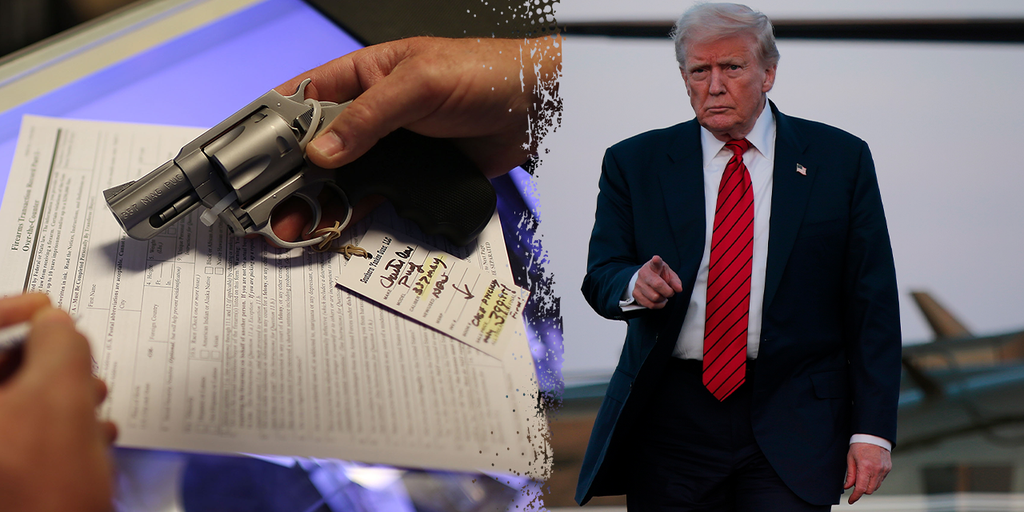
Philadelphia’s permit system has long allowed local law enforcement considerable discretion. Officers can deny or revoke permits based on criteria such as moral character, reputation, or history of law-abiding behavior. Supporters argue that these criteria provide flexibility to prevent potentially dangerous individuals from obtaining firearms.
Opponents, however, contend that such standards are often vague and subjective, creating inconsistencies in permit issuance and potential constitutional violations. The DOJ’s intervention reflects a growing tension between federal oversight and local authority over gun regulation.
The Second Amendment Context
Central to the DOJ’s review is the Second Amendment, ratified in 1791 as part of the U.S. Constitution. The amendment protects “the right of the people to keep and bear Arms,” a provision originally linked to maintaining a well-regulated militia. Over time, interpretations of the amendment have shifted, sparking ongoing debates about the balance between individual gun ownership and public safety regulation.
Gun rights advocates emphasize that the Second Amendment guarantees personal firearm ownership for lawful purposes, including self-defense. Conversely, public safety proponents argue that government authorities retain the right to regulate access to firearms to prevent crime and protect communities.
Key Supreme Court Precedents
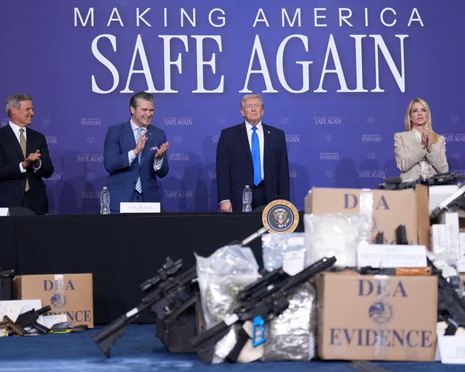
The DOJ’s investigation cites pivotal Supreme Court rulings that shape the contemporary understanding of the Second Amendment. In 2008, the Court ruled in District of Columbia v. Heller that the Second Amendment protects an individual’s right to possess a firearm unconnected to service in a militia. Justice Antonin Scalia, writing for the 5-4 majority, affirmed that “Nowhere else in the Constitution does a ‘right’ attributed to ‘the people’ refer to anything other than an individual right.”
However, the Heller decision also acknowledged that the right is not unlimited. Certain regulations, including restrictions on felons or limitations on firearm types, remain permissible. Scalia clarified, “The right secured by the Second Amendment is not unlimited. It is not a right to keep and carry any weapon whatsoever in any manner whatsoever and for whatever purpose.”
More recently, in New York State Rifle & Pistol Association, Inc. v. Bruen (2022), the Supreme Court struck down a law requiring applicants to demonstrate a special need for self-defense before receiving a public carry permit. The 6-3 ruling reinforced that the Second Amendment protects the right to carry firearms outside the home for self-defense, while instructing courts to evaluate regulations against the nation’s historical traditions of firearm regulation. These precedents frame the DOJ’s review of Philadelphia’s permit denials.
Legal and Political Implications
The federal investigation has broad legal implications. If the DOJ determines that Philadelphia’s practices violate constitutional rights, the city may be required to revise its permit system to comply with federal standards. This could include stricter procedural guidelines or mandatory criteria for permit issuance and revocation.
Politically, the investigation intensifies the national debate over gun control and federal oversight. Gun rights advocates view the move as a validation of constitutional protections, while gun-control groups worry that it may undermine local authority and public safety initiatives. The outcome could influence similar debates in other states with discretionary permit systems.
Balancing Rights and Public Safety
Philadelphia’s situation highlights the ongoing challenge of balancing constitutional rights with public safety. Law enforcement agencies argue that discretionary permit revocations are necessary tools to prevent firearms from reaching potentially dangerous individuals. Critics insist that such discretion must be carefully constrained to avoid arbitrary or discriminatory decisions.
The DOJ’s involvement underscores the federal government’s interest in ensuring that individual rights are uniformly protected across jurisdictions, while still respecting the states’ ability to regulate firearm access in the interest of safety.
Community Response and Outreach
Community organizations and local leaders are monitoring the investigation closely. Some advocates for gun control argue that discretionary permit denials have helped prevent violent incidents, while gun-rights organizations stress that revocations should be based on clear, objective standards.
Public engagement remains critical. The investigation has prompted debates at town halls, legal forums, and advocacy groups, encouraging residents to consider both constitutional rights and public safety in discussions about firearms policy.
Next Steps in the Investigation
The DOJ’s Civil Rights Division will review records, policies, and procedures related to gun permit denials in Philadelphia. This may involve interviews with city officials, law enforcement officers, and affected permit holders. The inquiry could result in recommendations, settlements, or legal action if violations are found.
Meanwhile, Philadelphia officials, including Mayor Cherelle Parker, must navigate the investigation carefully. Responses from the city may influence the pace and outcome of the federal review, as well as public perception of both government accountability and constitutional protections.
Broader National Context
The investigation in Philadelphia reflects broader national tensions over gun rights and regulation. States across the country are grappling with similar issues, from permit issuance standards to 3D-printed firearms and high-capacity magazine restrictions. The DOJ’s action could establish a federal benchmark for how cities manage discretionary permits without infringing on Second Amendment rights.
The inquiry also serves as a reminder that constitutional rights are actively contested and interpreted in courts, legislatures, and federal agencies. The decisions made in Philadelphia may shape legal arguments and regulatory approaches in other jurisdictions for years to come.
A Pivotal Moment for Gun Rights
The DOJ’s investigation into Philadelphia’s gun permit denials represents a pivotal moment for the Second Amendment, local governance, and public safety. Balancing individual rights with community protection remains a complex challenge, and the outcome of this review could influence both policy and precedent nationwide.
As the investigation unfolds, residents, legal experts, and advocacy groups will be closely watching every development. The case underscores the enduring tension between federal oversight, state authority, and citizens’ constitutional rights, highlighting the importance of clear legal standards and equitable enforcement.
Philadelphia’s experience may serve as a bellwether, signaling how discretionary permit systems can operate within constitutional bounds while addressing legitimate safety concerns. In a nation grappling with questions of firearm access and regulation, the city’s unfolding legal drama offers insights into the challenges, responsibilities, and stakes inherent in protecting both rights and communities.