
Table of Contents
- New York Moves to Stop 3D Printed Ghost Guns
- How the Law Works
- The Technology Behind the Ban
- Context: Ghost Guns and Public Safety
- Community Impact and Outreach
- Aligning with National Gun Violence Awareness Month
- Law Enforcement Perspective
- Public Reactions and Industry Collaboration
- Challenges and Potential Loopholes
- Community Programs: Buyback Initiatives
- Implications for Other States
- A Technological and Legislative Turning Point
New York Moves to Stop 3D Printed Ghost Guns
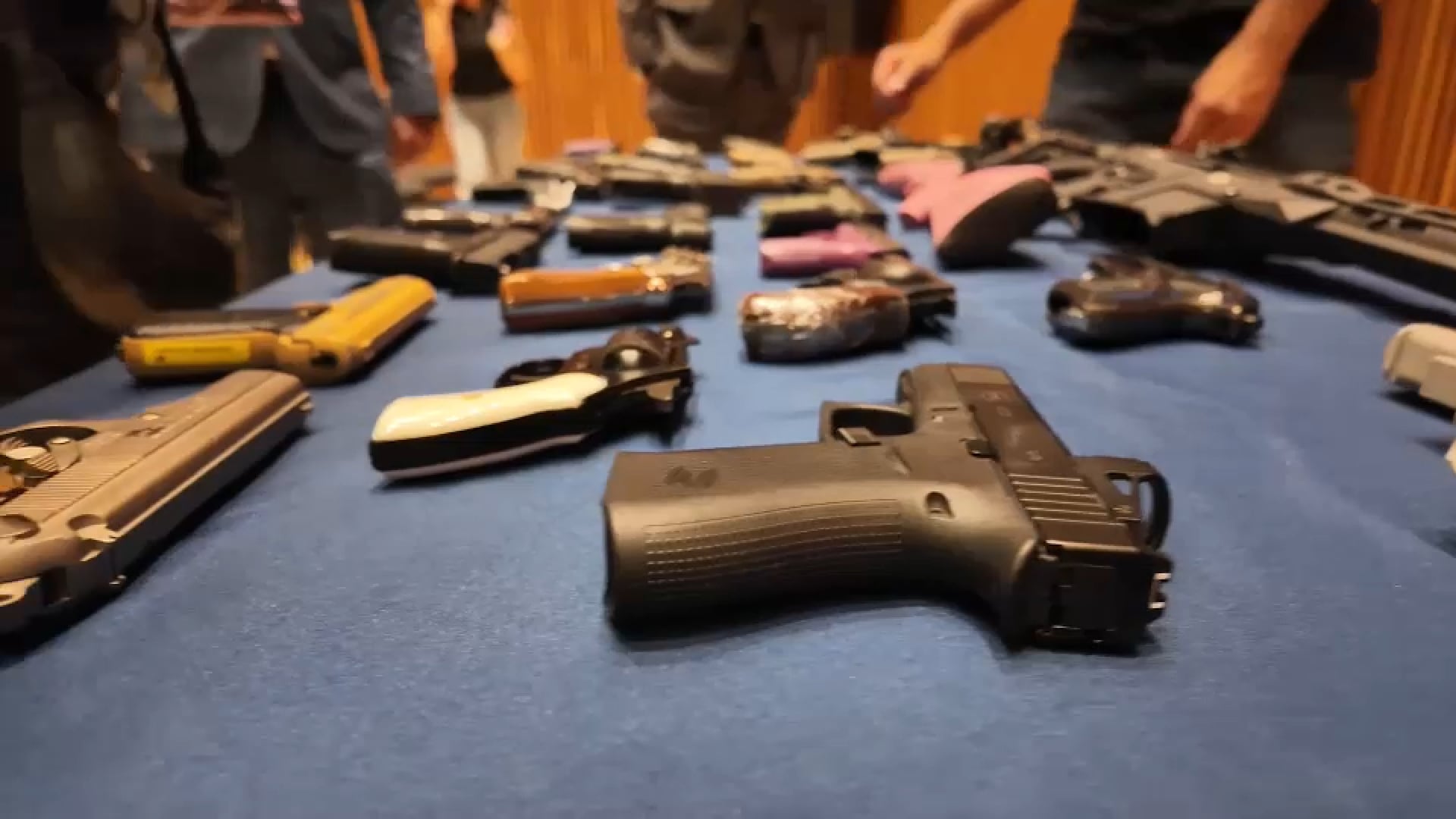
When news broke that New York State would enact a law targeting 3D-printed ghost guns, the nation took notice. This legislation, set to take effect next week, represents a significant intersection of technology and public safety, aiming to prevent firearms from being produced at home with 3D printers. Advocates hail it as a potential game-changer, not just for New York, but as a model other states may follow. What follows is a detailed exploration of the law, its motivations, the technological implications, and the community impact.
How the Law Works
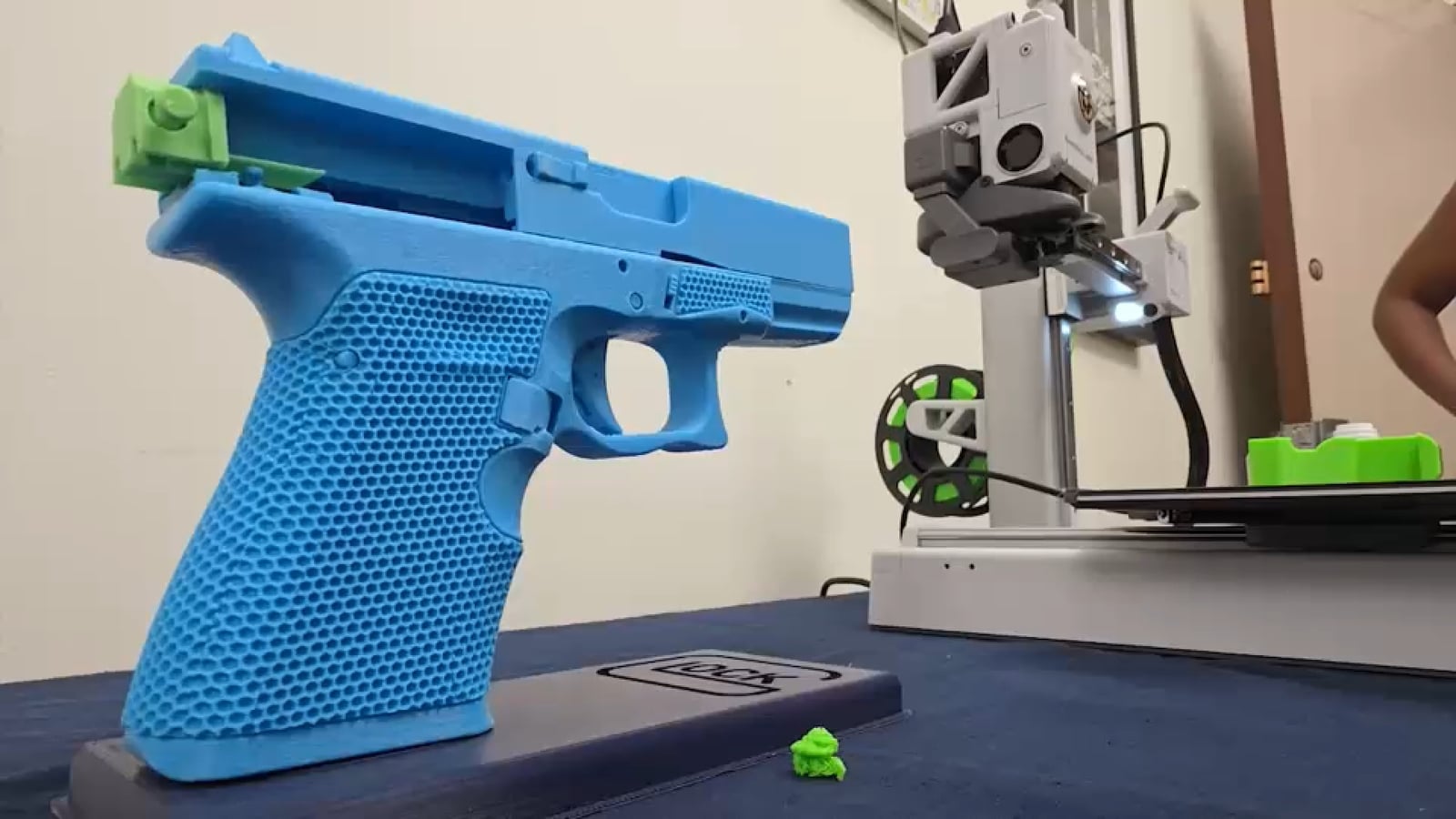
The new law was crafted with input from 3D printer manufacturers, integrating safeguards directly into the machines. Under the legislation, manufacturers are required to embed technology that prevents the printer from creating firearms.
Manhattan District Attorney Alvin Bragg explained, “Manufacturers can’t have the capacity in their printers to print 3D guns. It could be a complete game changer in this space.” He compared the safeguards to how commercial printers cannot reproduce U.S. currency, emphasizing that this law places similar restrictions on firearm production through digital fabrication.
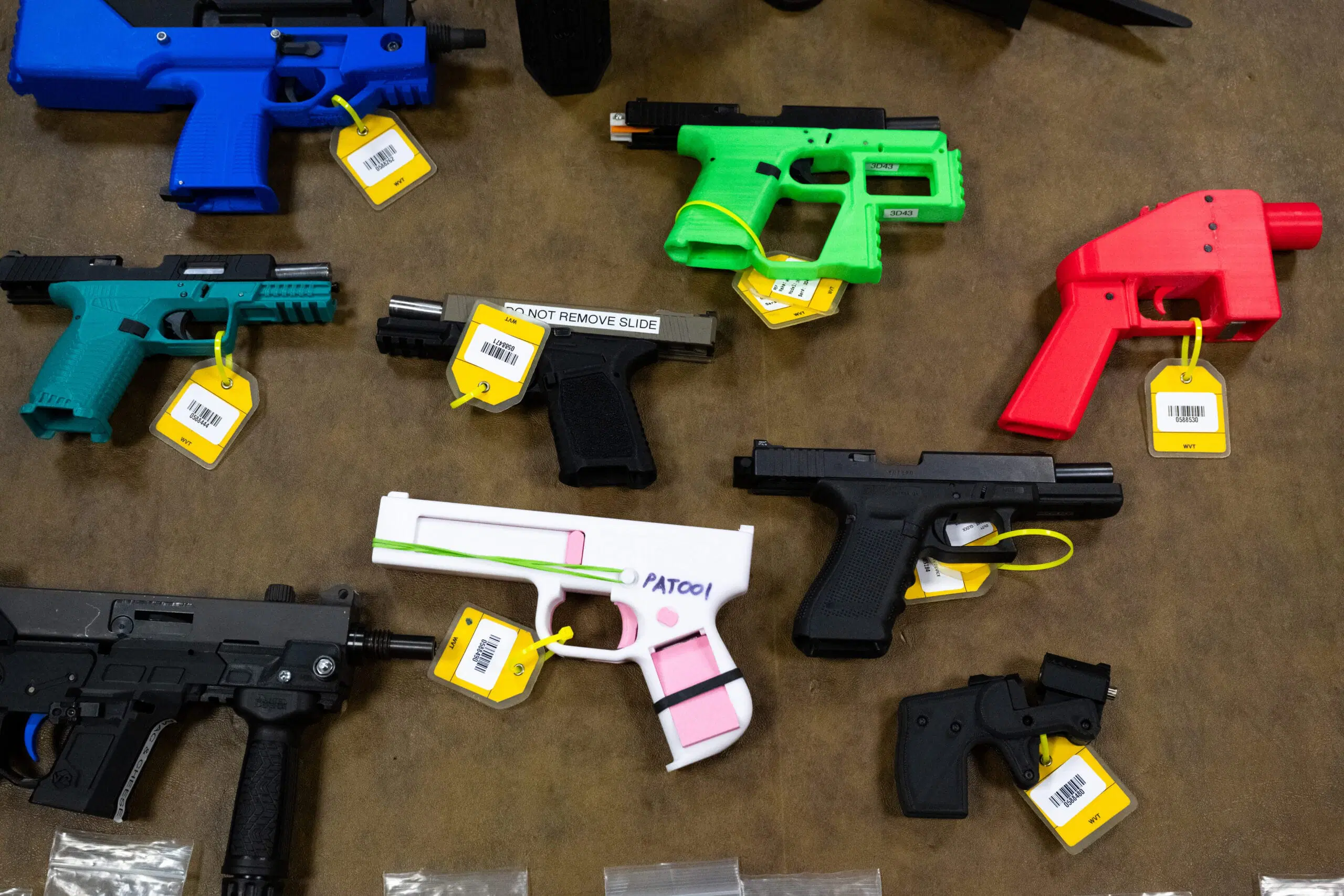
The law specifically targets ghost guns, firearms that can be manufactured at home without serial numbers, making them difficult to trace. The legislation also addresses devices that convert handguns into semiautomatic weapons, a growing concern following a fatal shooting in Harlem last August.
The Technology Behind the Ban
3D printing, also known as additive manufacturing, has surged in popularity, allowing individuals to create objects from digital blueprints. While the technology holds promise for industries like healthcare and engineering, it also presents risks when applied to firearms.
The New York law requires that printers be equipped with software or hardware limitations preventing gun production. This could include restricting the types of materials used, limiting printing dimensions, or verifying digital blueprints against a government-regulated database.
Bragg highlighted the collaboration with manufacturers: “We’re going to put technology into our machines such that they will not be a 3D gun. I’m so happy to be able to report now, as of last week, that’s going to be the law of the land in New York State.”
Context: Ghost Guns and Public Safety
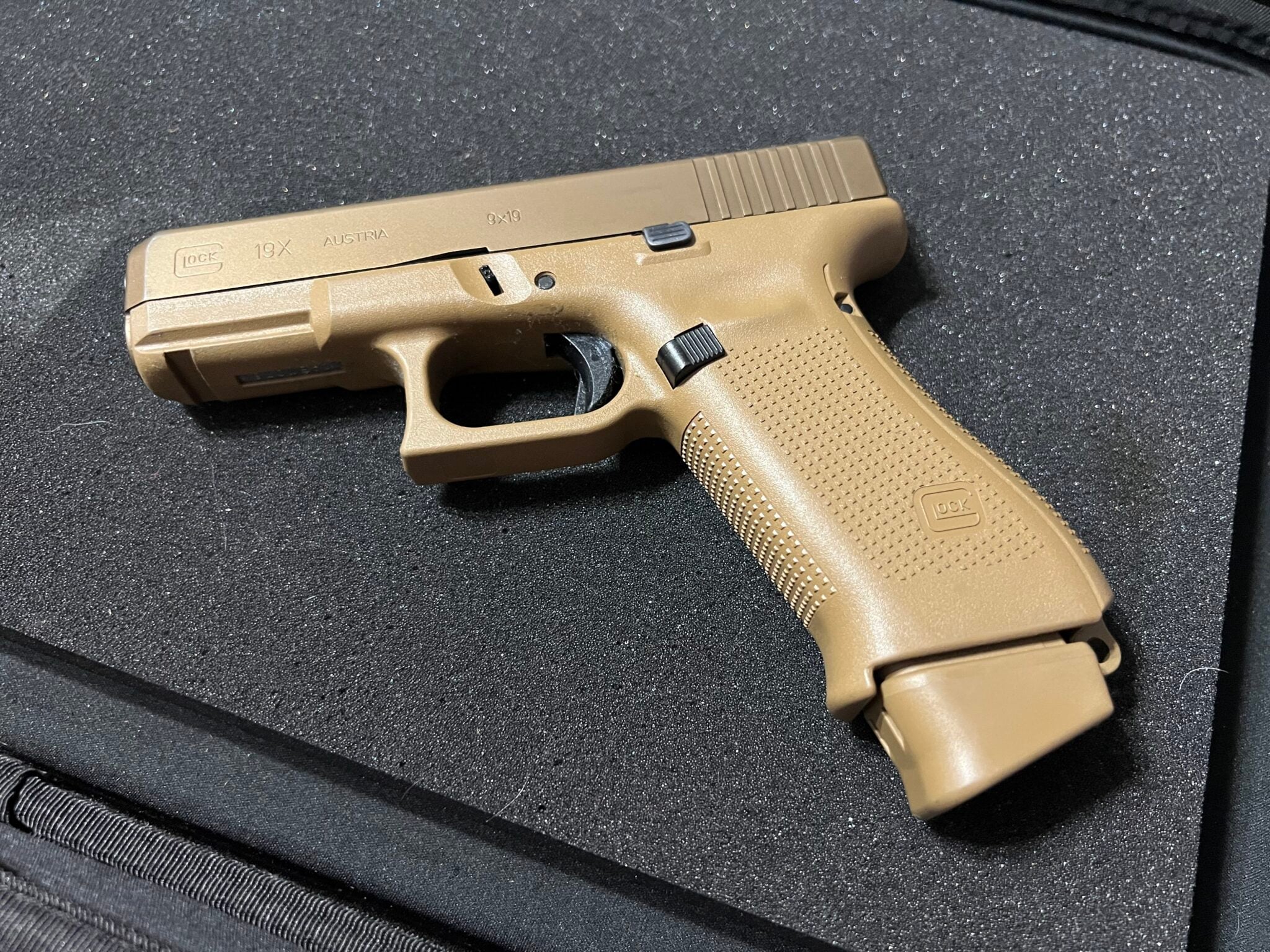
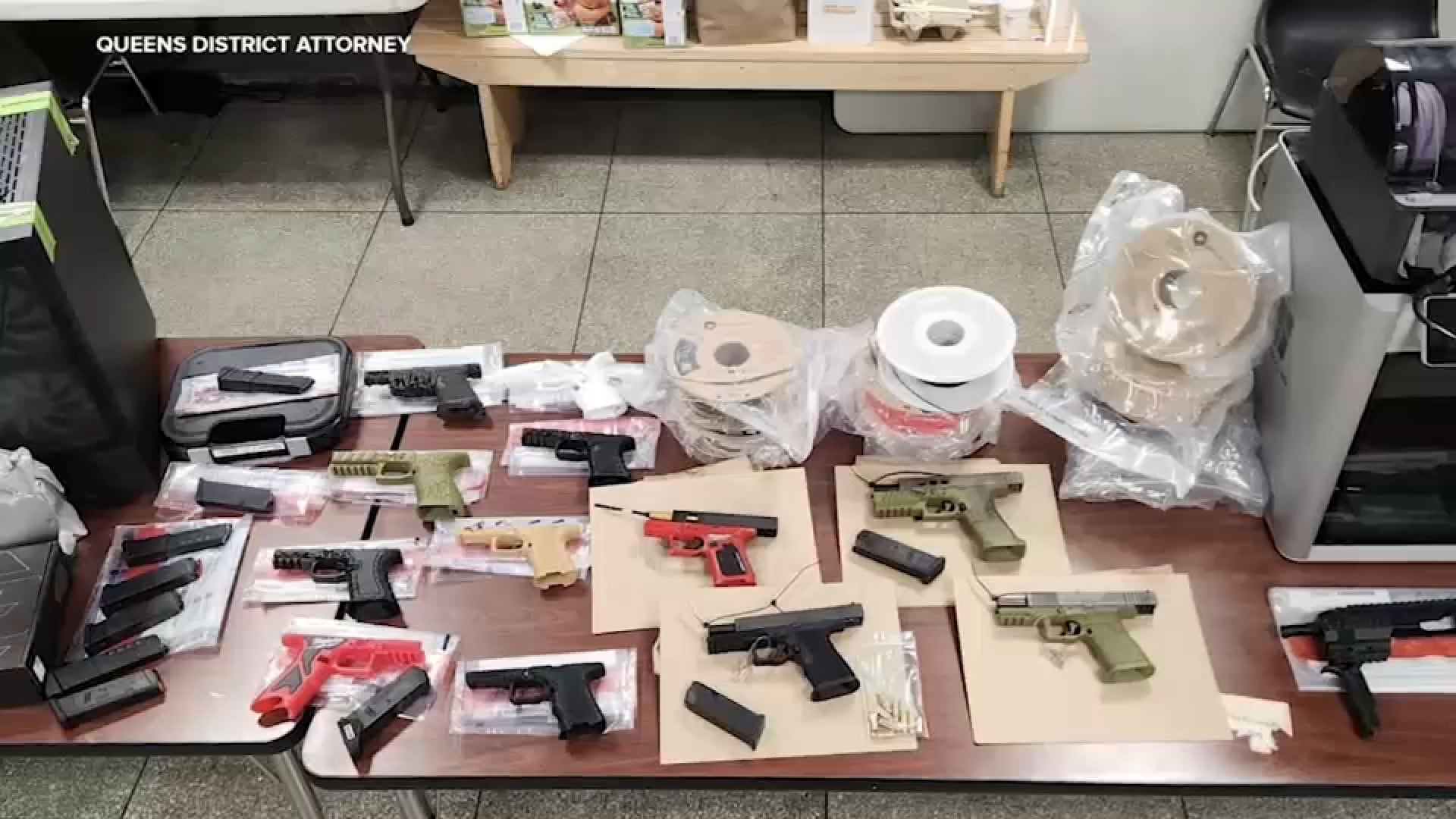
Ghost guns have become a growing concern nationwide. These firearms can bypass traditional regulatory frameworks, allowing individuals to obtain weapons without background checks or identification.
Recent investigations revealed that some young people learned to build 3D guns from online resources, including gaming platforms. “In the case of YouTube, you know, we had cases with young people. We said how did they learn how to build a 3D gun? And they said they were watching gun-based video games like Call of Duty on YouTube,” Bragg said. The proliferation of online instructions has intensified calls for regulatory measures that address both digital and physical channels of firearm production.
Community Impact and Outreach
While the technology-focused law is a critical step, New York officials emphasize community engagement as equally important. The city has reported that shooting incidents are at historic lows, but officials recognize that prevention and education remain vital.
Bragg stated, “Spending time with our kids, our youth, I always find that to be invigorating, to hear from them what they’re seeing, what they’re hearing, and what they’re doing. That is very heartwarming.” The law complements ongoing outreach programs, focusing on educating young people about the dangers of firearms and discouraging unsafe behaviors before they escalate.
Aligning with National Gun Violence Awareness Month
The timing of the legislation coincides with National Gun Violence Awareness Month, amplifying its significance. Authorities hope that the law will encourage a national dialogue about innovative approaches to firearm safety. Bragg remarked, “The hope is that other localities and other states look to us for innovative ideas. Then printers could see nationwide adoption of these safeguards.”
By aligning the rollout with a month dedicated to awareness and prevention, New York seeks to create a framework where technology and policy work hand-in-hand to reduce risks.
Law Enforcement Perspective
From the perspective of law enforcement, the law provides a tool to prevent untraceable firearms from entering communities. Ghost guns have complicated policing because they leave no paper trail, and their use in crimes has risen in recent years.
District Attorney Bragg emphasized, “Manufacturers cannot allow the creation of firearms through their machines, which fundamentally changes the way we can approach gun prevention at every level.” By targeting production at its source, officials hope to prevent potential tragedies before they occur, shifting enforcement from reactive to proactive measures.
Public Reactions and Industry Collaboration

Reactions to the law have been largely supportive among gun-control advocates, who see it as a forward-thinking measure. Industry stakeholders, particularly 3D printer manufacturers, have also expressed willingness to comply with the new requirements, acknowledging the public safety responsibility.
“The collaboration between policymakers and technology manufacturers is unprecedented,” Bragg noted. “It sets a standard for how public safety and innovation can coexist.” The industry’s participation may also encourage the development of standardized safety protocols that could be replicated in other states, potentially creating a model for nationwide adoption.
Challenges and Potential Loopholes
Despite the law’s technological focus, challenges remain. Critics argue that digital blueprints for 3D firearms can circulate online, bypassing hardware restrictions. Additionally, individuals may attempt to modify printers or find alternative methods for fabrication.
Legal experts note that enforcement will require a combination of technological safeguards, community monitoring, and public education. “This is not a silver bullet,” Bragg admitted. “It’s one component of a broader strategy to reduce gun violence and prevent illegal firearm production.”
Community Programs: Buyback Initiatives
Complementing the legislative approach, New York authorities continue to host community-based initiatives like gun buybacks. The Manhattan DA’s office is scheduled to conduct a cash-for-gun buyback at Central Baptist Church on W92nd Street, allowing residents to surrender firearms with no questions asked.
These initiatives aim to reduce the number of firearms in circulation and foster trust between law enforcement and communities. Bragg emphasized the dual importance of legal regulation and community engagement in achieving meaningful reductions in gun violence.
Implications for Other States
New York’s law could serve as a blueprint for other states confronting the rise of 3D-printed firearms. By embedding restrictions directly into manufacturing technology, the state has taken a novel approach that integrates digital innovation with traditional public safety measures.
If successful, this model may encourage other states to implement similar regulations, potentially standardizing safety features in 3D printers nationwide. Legal scholars will be closely monitoring the law’s implementation, particularly regarding its effectiveness, enforceability, and potential challenges in courts.
A Technological and Legislative Turning Point
The New York ghost gun law represents a pioneering effort to merge technology, legislation, and public safety in a comprehensive approach to firearm prevention. By restricting 3D printer capabilities, engaging communities, and emphasizing education, the state seeks to address a modern threat with forward-looking solutions.
As the law goes into effect, observers will be watching its impact on both the production of untraceable firearms and broader gun violence trends. The initiative may redefine how policymakers, industry leaders, and communities collaborate to prevent illegal firearm proliferation, providing a potential model for other states navigating similar challenges.
In a country where gun violence remains a contentious and complex issue, New York’s integration of technology and policy stands out as an innovative step toward safer communities. Its success or limitations will likely inform legislative and technological strategies for years to come, highlighting the evolving intersection of law, technology, and public safety.