
Table of Contents
- When Virginia Courts Face the Next Assault Weapon Battle
- Why the Supreme Court Panel Was Appointed
- The Core of the Law
- Who Filed the Lawsuits
- Plaintiffs’ Arguments Against Consolidation
- The Role of Virginia’s Multiple Claimant Litigation Act
- Federal Challenges and Broader Implications
- Enforcement Controversies Among Commonwealth’s Attorneys
- Perspectives from Lawmakers
- Legal Strategy and Future Court Actions
- Implications Beyond Virginia
- A Legal and Political Turning Point
When Virginia Courts Face the Next Assault Weapon Battle
When news emerged that Virginia’s Supreme Court had appointed a three-judge panel to consider consolidating multiple lawsuits challenging the state’s new assault weapon ban, the nation’s gun-control debate took another high-profile turn. This decision could determine not only how Virginia enforces its legislation but also influence legal strategies in other states grappling with similar firearm restrictions. What follows is an in-depth exploration of the unfolding legal fight, its background, the arguments on both sides, and the potential implications for Virginians and the broader United States.
Why the Supreme Court Panel Was Appointed
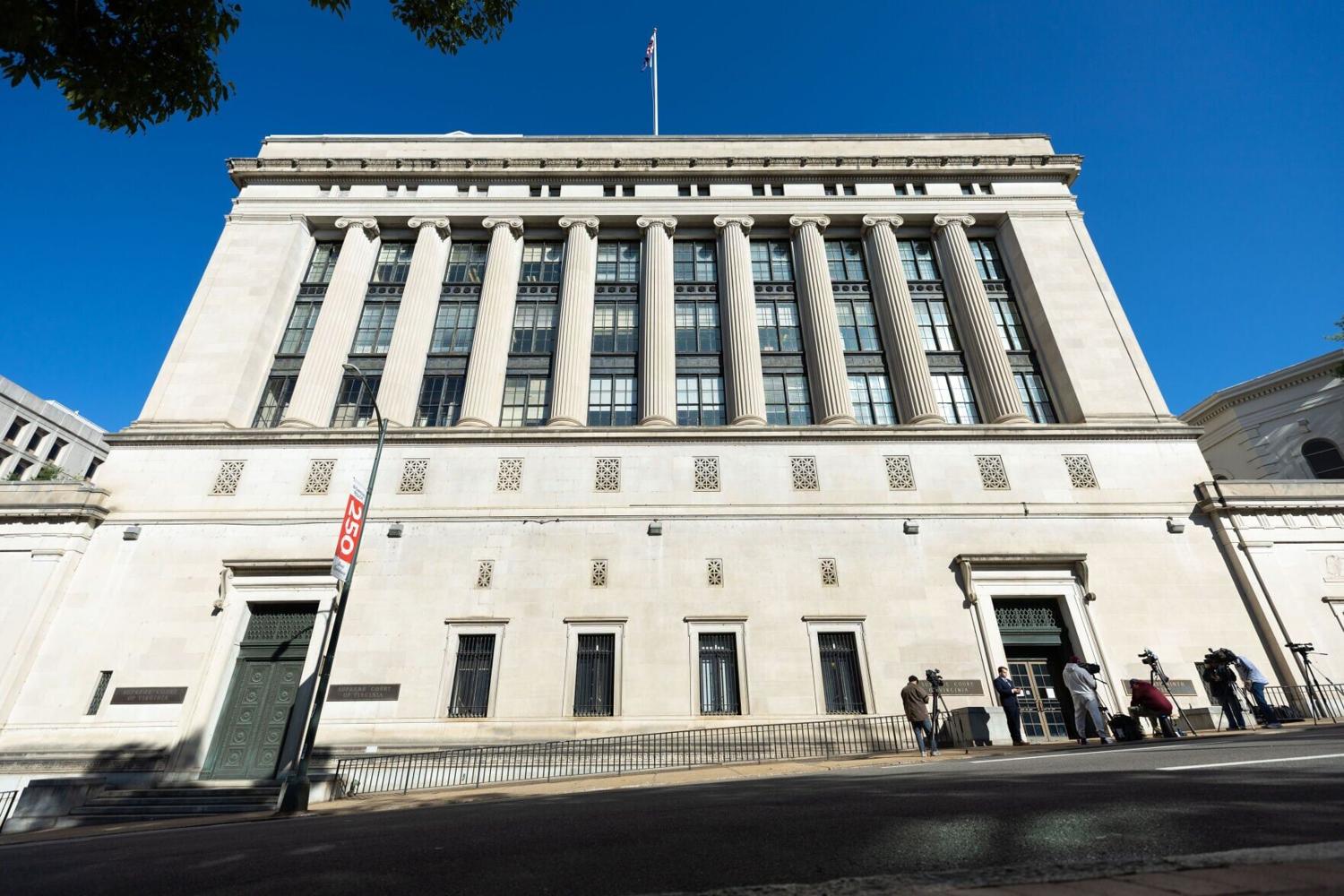
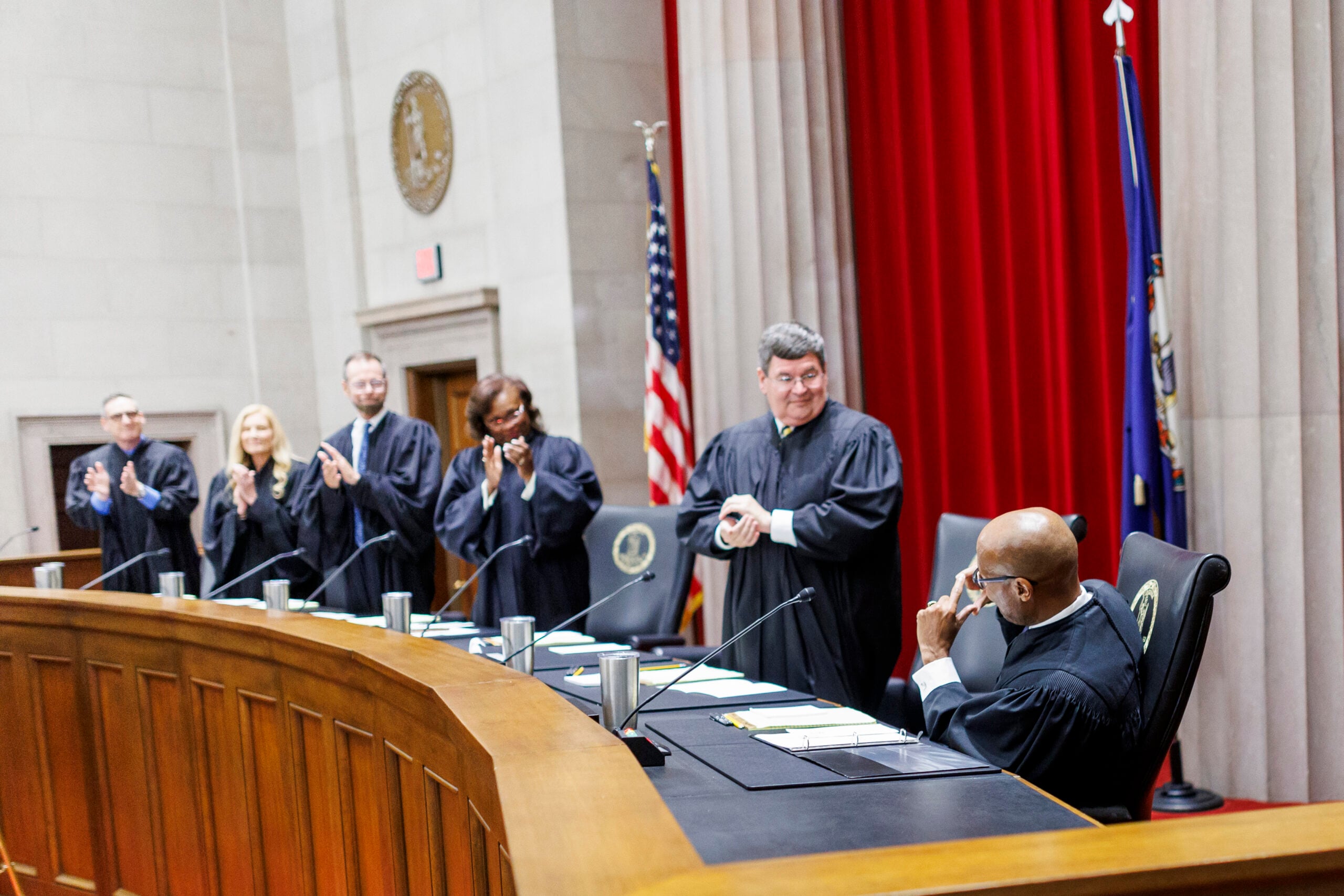
On June 3, 2026, the Virginia Supreme Court announced the appointment of Circuit Court Judges Richard S. Wallerstein Jr., J. William Watson Jr., and Helivi L. Holland to a special panel tasked with evaluating whether four separate lawsuits should be consolidated. The suits challenge the assault weapon ban recently signed by Governor Abigail Spanberger on May 14.
Attorney General Jay Jones, along with several commonwealth’s attorneys, requested that the lawsuits be combined, arguing that the cases raise almost identical legal questions regarding the constitutionality of the law. Consolidation, they argued, would prevent inconsistent rulings across different counties and streamline judicial proceedings before the law goes into effect on July 1.
“The lawsuits all challenge the same statute under Article I, Section 13 of the Virginia Constitution, seeking injunctions to prevent enforcement of the law,” Jones wrote in the filing. “Without consolidation, we risk confusion and chaos in the interpretation and application of critical legislation.”
The Core of the Law
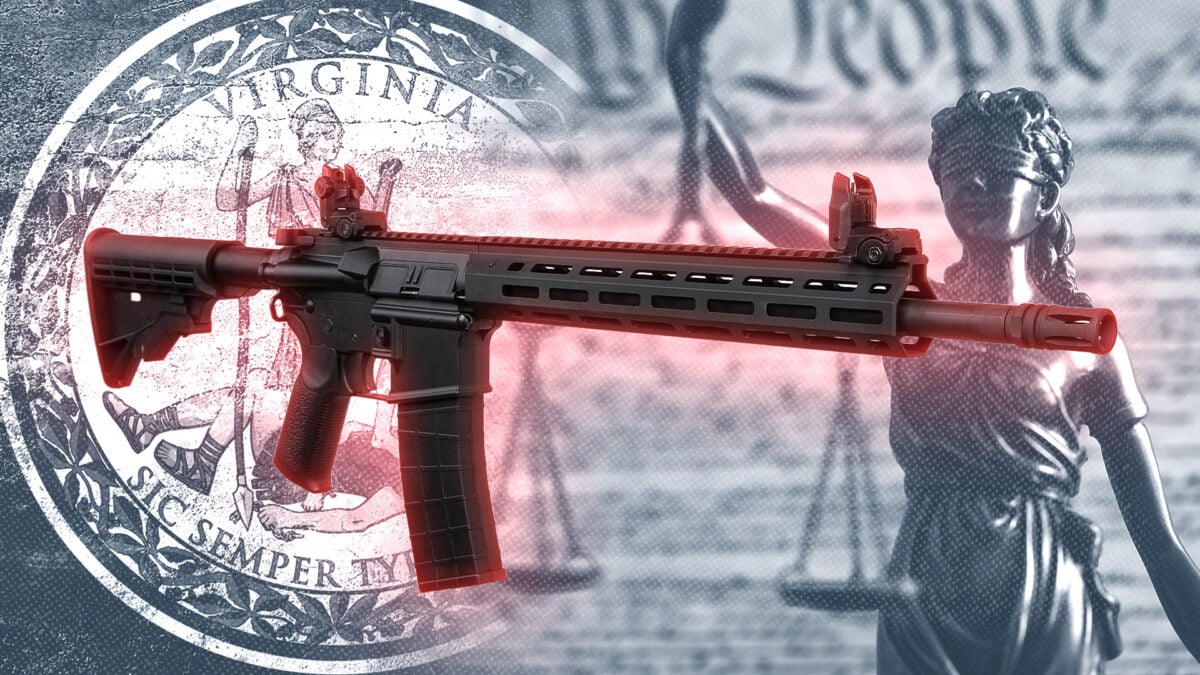
The assault weapon ban addresses semiautomatic firearms and magazines capable of holding more than 15 rounds. Passed in 2026 by the Democratic-controlled General Assembly, the law represents a major legislative push toward stricter gun control in the state. It also signals the continuation of a nationwide debate balancing Second Amendment rights against public safety concerns.
The legislation specifically restricts the sale, possession, and public carrying of certain firearms, while also targeting high-capacity magazines. The law aims to reduce gun violence, which officials note is a leading cause of death among young Virginians and a major contributor to violent crime statewide.
Who Filed the Lawsuits
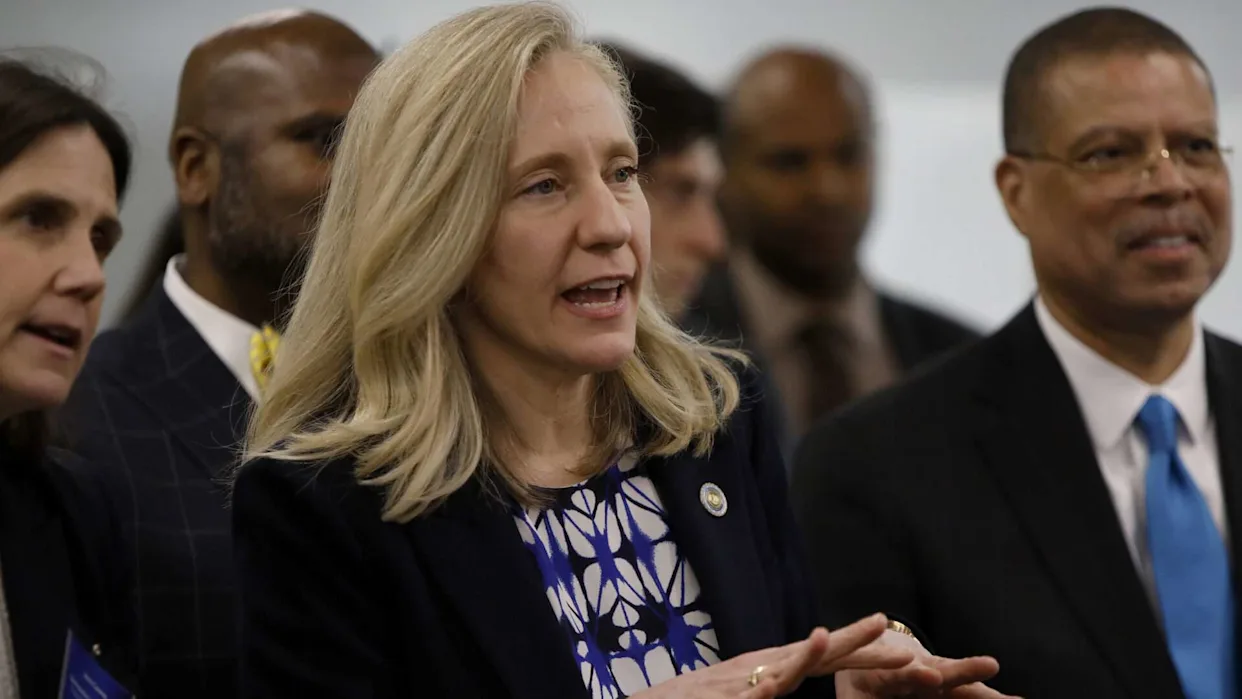
The lawsuits came swiftly after Governor Spanberger signed the bill into law. Among the plaintiffs is John Crump, a gun-rights activist, alongside organizations like Gun Owners of America and the Virginia Citizens Defense League. They argue that the new restrictions violate Virginians’ constitutional right to bear arms.
Additional lawsuits have been filed by firearm owners, gun shops, and industry groups across multiple counties, including Washington, Lancaster, Spotsylvania, and Fauquier. These suits collectively challenge the enforcement of the law, each highlighting different constitutional and statutory issues.
Plaintiffs’ Arguments Against Consolidation
Attorneys for the Crump plaintiffs filed a response opposing the state’s consolidation request. They emphasized that while the cases revolve around the same legislation, they differ significantly in legal theory, plaintiffs, and factual context.
Some suits include federal Second Amendment claims, while others focus on Virginia’s constitutional militia clause. Others still rely on varying statutory interpretations and local circumstances. Plaintiffs argue that consolidating the cases would mainly benefit state officials, forcing private citizens and businesses to litigate far from their home communities.
“If Applicants wish to enforce their infringements statewide, they should be willing to defend those infringements statewide,” the filing states. The opposition also noted that a hearing in Lancaster County for a temporary restraining order and preliminary injunction had been scheduled for June 12 but was postponed due to the formation of the Supreme Court panel.
The Role of Virginia’s Multiple Claimant Litigation Act

The appointed panel will assess the cases under Virginia’s Multiple Claimant Litigation Act, which allows related cases with common legal questions to be transferred and coordinated before a single court. This mechanism is designed to improve efficiency and ensure consistent rulings, especially when multiple lawsuits involve overlapping issues of law or fact.
Should the panel approve consolidation, the cases would proceed before a single circuit court judge. Otherwise, they will continue independently in their respective counties, potentially resulting in divergent interpretations of the law and complicating statewide enforcement.
Federal Challenges and Broader Implications
In addition to state court proceedings, the National Rifle Association’s Institute for Legislative Action has filed a federal lawsuit challenging the ban, citing Second Amendment protections reaffirmed in recent U.S. Supreme Court decisions. The federal lawsuit argues that the law targets firearms and magazines commonly possessed by law-abiding citizens for lawful purposes and that the state cannot justify such restrictions under historical precedent.
While many Republican strategists do not expect success at the lower federal court level, they hope the U.S. Supreme Court may eventually weigh in. The case comes in the wake of a similar Maryland assault weapon ban upheld by the Fourth Circuit Court of Appeals last year, which the Supreme Court declined to review.
Enforcement Controversies Among Commonwealth’s Attorneys
Even if the lawsuits do not halt the law, enforcement remains a contentious issue. Several Virginia commonwealth’s attorneys have publicly declared that they will not prosecute violations of the new law, citing constitutional concerns.
Powhatan Commonwealth’s Attorney Robert Cerullo, for example, wrote that portions of House Bill 217, including bans on assault weapons and large-capacity magazines, appear facially unconstitutional. Smyth County Commonwealth’s Attorney Phillip Blevins Jr. echoed this view, stating that his office would not pursue criminal charges solely for technical violations of the law.
These statements underscore the tension between the elected duties of commonwealth’s attorneys to uphold state law and their obligations to the Virginia Constitution. The divergence in enforcement could lead to uneven application of the law across the commonwealth, intensifying debates over its legitimacy.
Perspectives from Lawmakers
Governor Spanberger and the Democratic legislators who passed the bill maintain that the legislation is a critical tool to reduce violent crime. Attorney General Jones emphasized that the law represents a carefully considered response to escalating gun violence, particularly among youth.
“Gun violence is a key driver of violent crime and the leading cause of death for young people in our Commonwealth,” Jones said. “This legislation protects communities while balancing constitutional rights.”
Opponents argue that the law may criminalize law-abiding citizens without effectively addressing the root causes of gun violence. They also highlight the constitutional tensions and potential conflicts with federal Second Amendment protections, creating uncertainty about long-term enforceability.
Legal Strategy and Future Court Actions
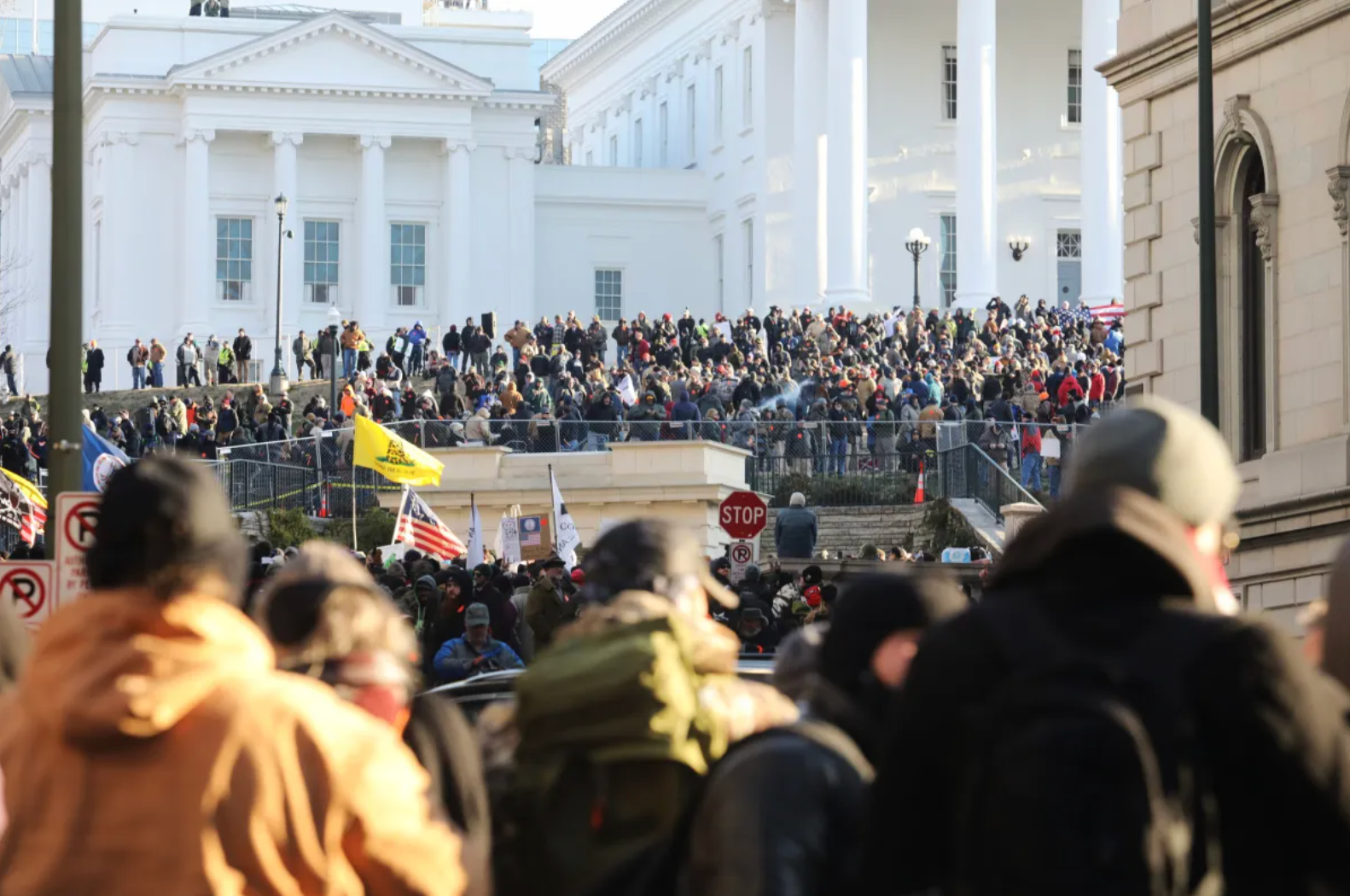
The Supreme Court panel’s decision will set a precedent for how Virginia handles major legal challenges to state legislation. Consolidation could expedite proceedings but may also centralize disputes, making the single judge’s rulings particularly influential. Independent cases could result in conflicting judgments, potentially leading to appeals and prolonged litigation.
Observers note that the panel’s ruling will likely prevent any injunction from being granted before the law’s July 1 effective date, allowing the legislation to take effect while the court considers its decisions. This timing underscores the urgency and high stakes involved for both advocates and opponents of the law.
Implications Beyond Virginia
The outcome of these lawsuits could have broader implications for other states considering similar firearm restrictions. Legal precedents set in Virginia may influence federal and state-level interpretations of constitutional rights related to firearm possession and regulation. Additionally, the federal lawsuit could draw attention from national policymakers and interest groups, reinforcing the ongoing tension between state-level legislation and federal constitutional protections.
A Legal and Political Turning Point

Virginia’s assault weapon ban and the resulting legal challenges represent more than a local dispute; they reflect a nationwide struggle over gun control, constitutional rights, and public safety. The Supreme Court panel’s decision on consolidation will shape how Virginians experience the law, influence enforcement consistency, and potentially affect the broader debate about firearms in America.
As the cases unfold, citizens, lawmakers, and gun-rights advocates alike will be watching closely. Whether through state or federal courts, the battle over House Bill 217 promises to test the limits of legislative authority, judicial discretion, and constitutional interpretation. Virginia’s experience may serve as a bellwether for other states navigating the complex intersection of public safety, personal rights, and political priorities.
The next few months are poised to provide clarity—or further controversy—on how far states can go in regulating firearms, highlighting the continuing and contentious conversation over guns in America. Legal scholars, public officials, and citizens alike will be analyzing every move of the panel, the courts, and the attorneys involved as the state approaches July 1, when the law is scheduled to take effect.
The Virginia Supreme Court panel’s decision on consolidation will not only dictate the pace and organization of the lawsuits but also underscore the broader national debate about Second Amendment protections, state legislative authority, and the role of elected law enforcement officials in interpreting constitutionality. The unfolding story promises to remain a central point of public attention, legal strategy, and political discussion in the months ahead.