
Table of Contents
- A Breakthrough After Months Of Conflict
- Why The Strait Of Hormuz Matters So Much
- Trump’s Announcement Draws Immediate Attention
- Iran Signals Cautious Support
- Pakistan Emerges As A Key Mediator
- The Nuclear Question Remains Unresolved
- Regional Tensions Continue To Threaten Stability
- Markets Respond To Signs Of Progress
- Challenges Facing The Agreement
- What This Means For The Future
A Breakthrough After Months Of Conflict
The announcement came after intensive diplomatic efforts involving several regional mediators.
According to officials, the United States and Iran reached an initial understanding that would reopen the Strait of Hormuz and extend a ceasefire that has remained fragile throughout the conflict.
The agreement represents the most significant diplomatic progress since the war began earlier in the year.
While details have not been fully released, both sides acknowledged that the framework could serve as the basis for broader negotiations addressing long standing disputes.
The announcement immediately generated worldwide attention because the conflict had already disrupted global energy markets and heightened concerns about wider instability throughout the Middle East.
For governments and businesses alike, the possibility of reopening the strategic waterway offered a rare source of optimism.
Why The Strait Of Hormuz Matters So Much
Many people outside the energy industry may not fully appreciate the importance of the Strait of Hormuz.
The narrow channel connects the Persian Gulf to international waters and serves as one of the world’s busiest shipping routes for oil and natural gas.
A significant percentage of global energy exports passes through this corridor every day.
When access to the strait becomes restricted, the consequences extend far beyond the Middle East.
Energy prices often rise. Shipping costs increase. Markets become volatile. Countries dependent on imported fuel face additional economic pressure.
The recent conflict demonstrated exactly how vulnerable the global economy remains to disruptions in the region.
By reopening the strait, negotiators hope to restore confidence among shipping companies, insurers, investors, and governments concerned about future supply disruptions.
Trump’s Announcement Draws Immediate Attention
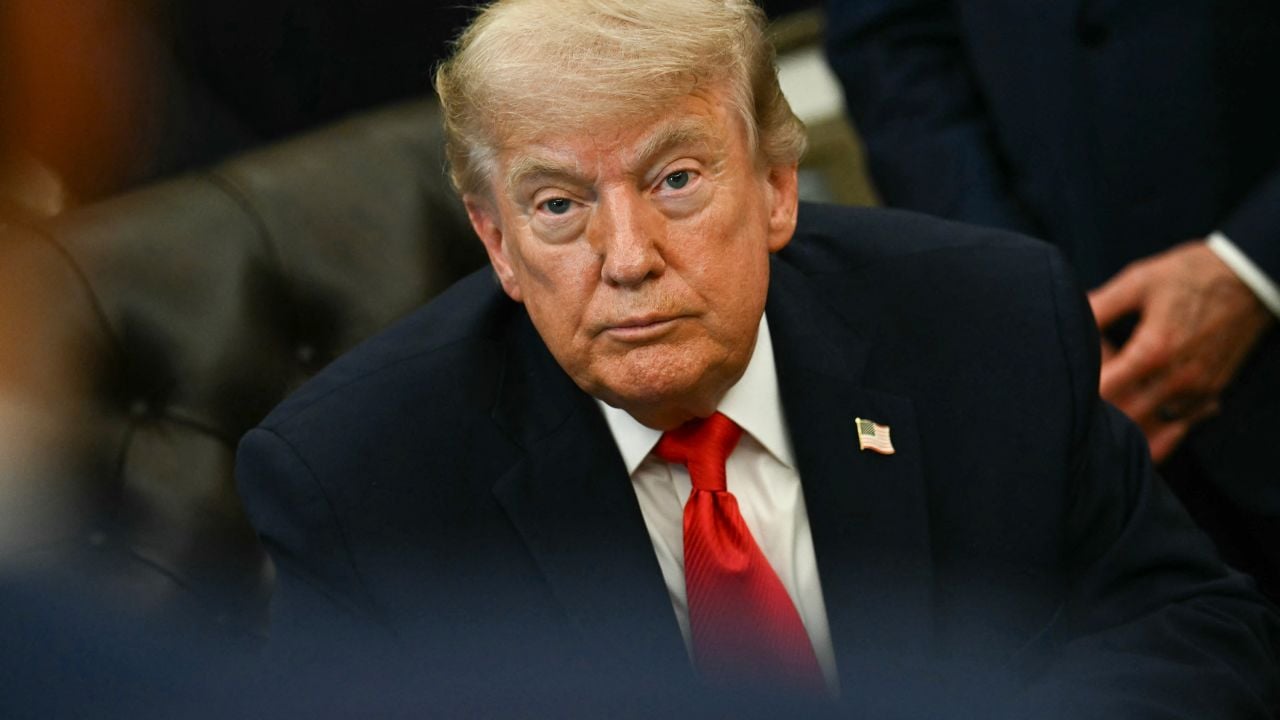
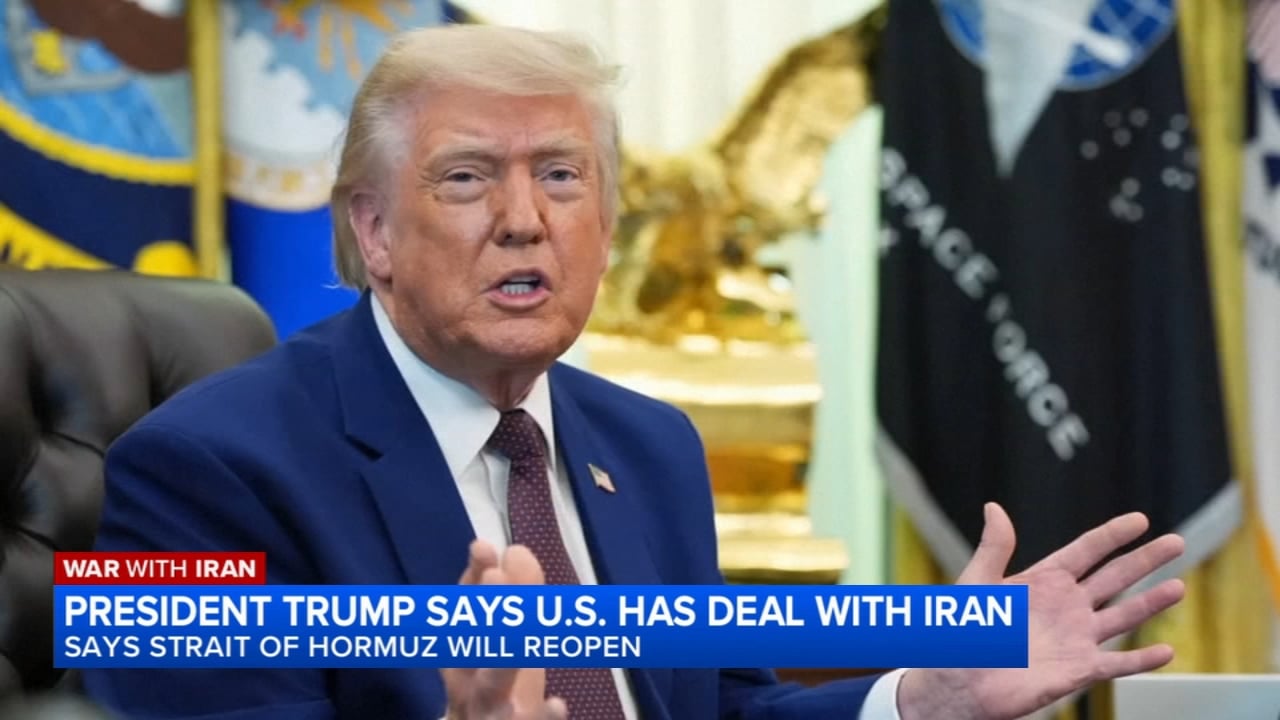
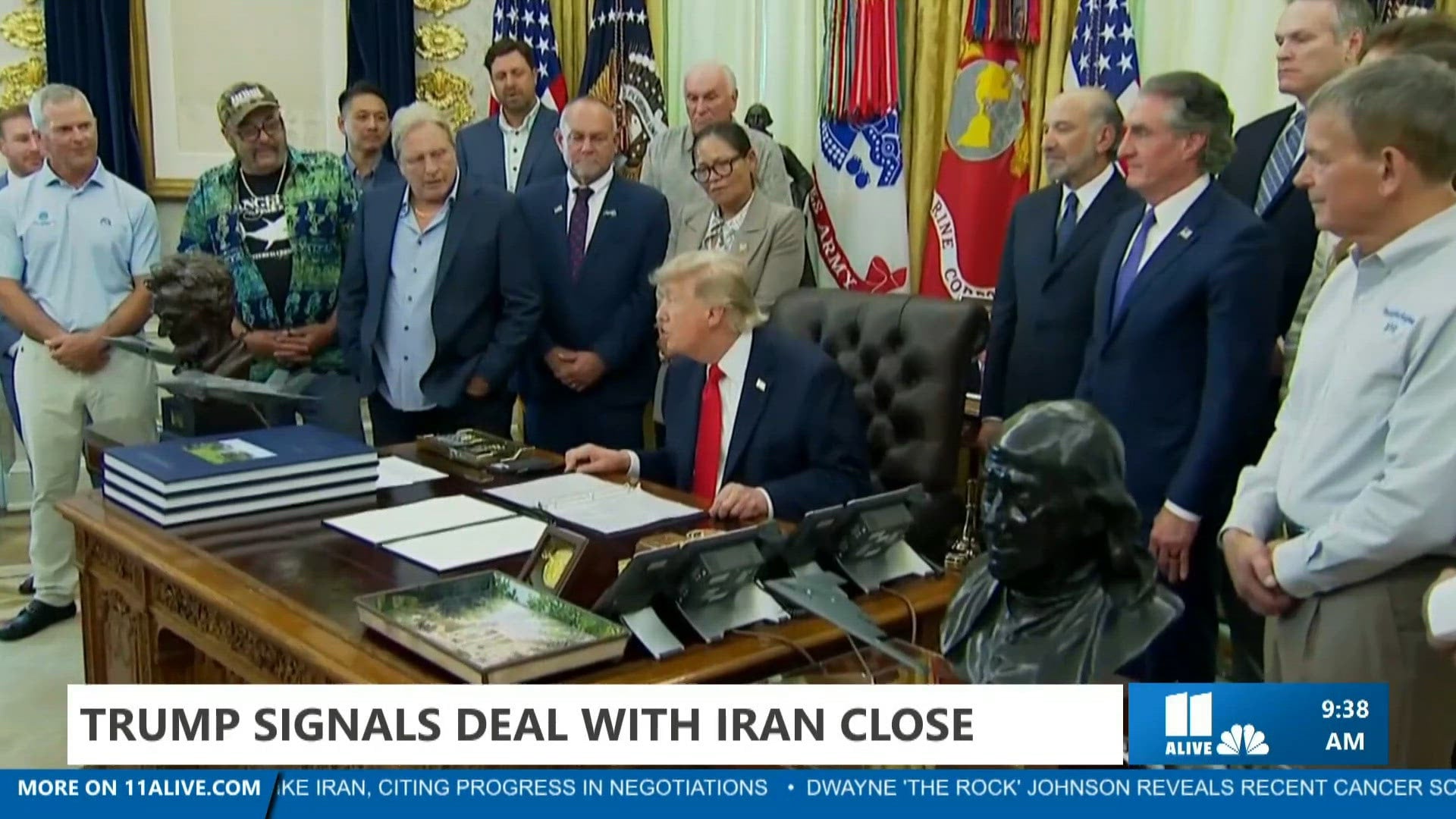
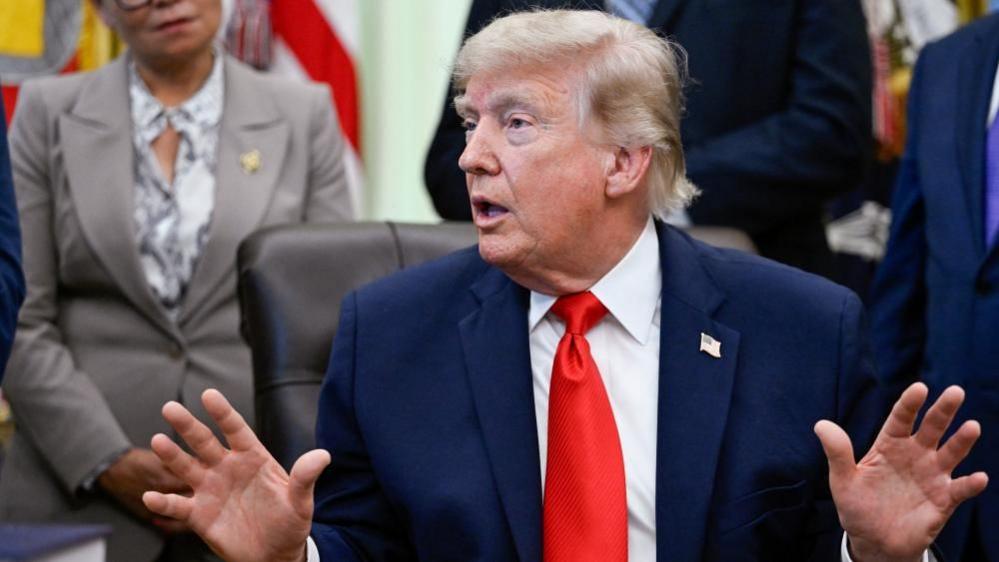
The tentative deal gained additional attention when President Donald Trump publicly celebrated the agreement.
According to reports, Trump announced that he had authorized the removal of the United States naval blockade that had been imposed during the conflict.
The blockade had been intended as a response to Iranian actions affecting navigation through the waterway.
Trump described the agreement as a major achievement and indicated that the reopening of the strait would eventually allow commercial traffic to resume under the new framework.
However, he also clarified that implementation would not begin immediately.
Instead, both sides would wait until a formal signing ceremony scheduled for later in the week.
That distinction highlights one of the most important realities surrounding the agreement: it remains tentative rather than final.
Iran Signals Cautious Support
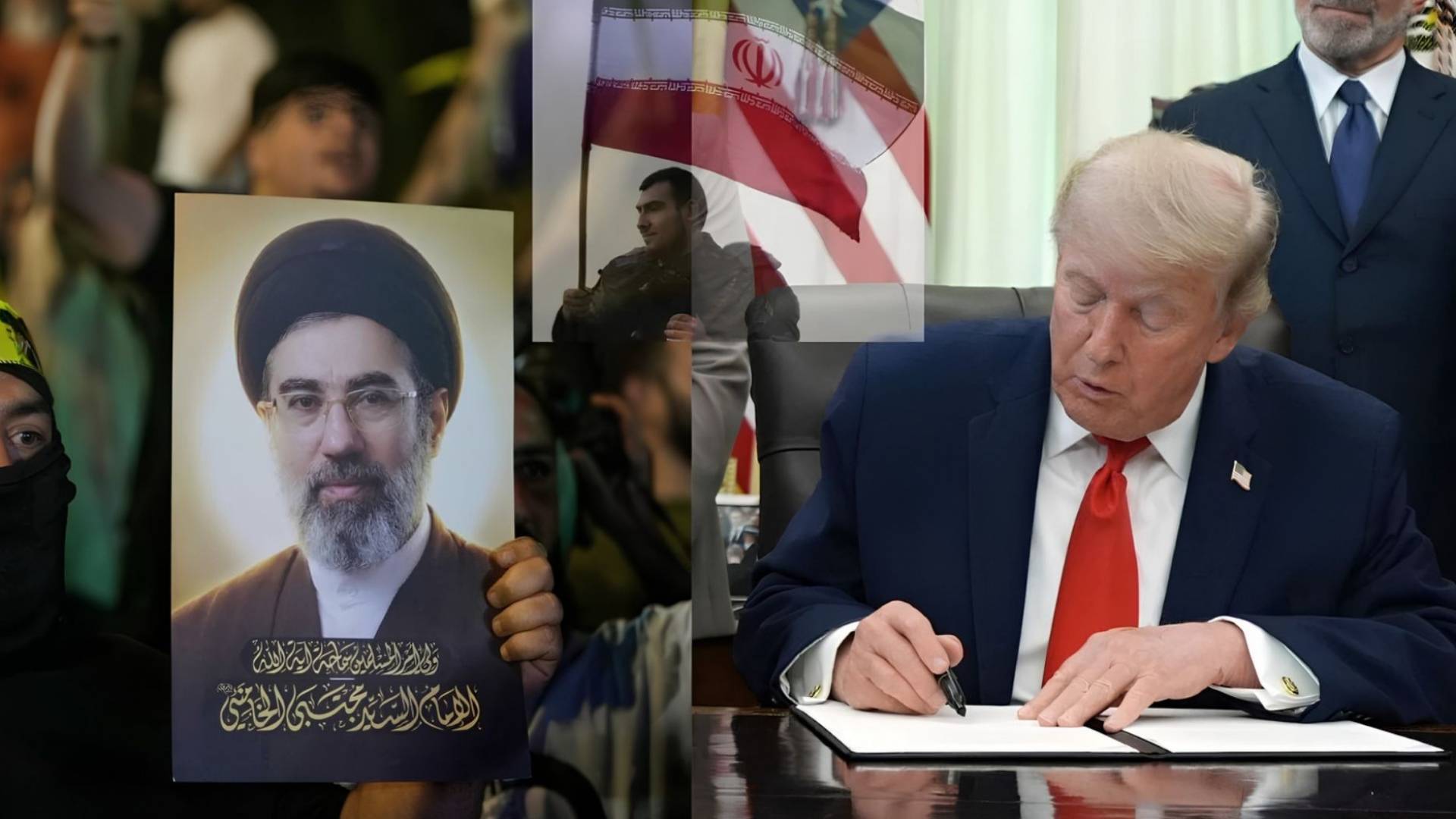
Iranian officials also acknowledged the agreement while emphasizing that implementation would occur only after formal signatures are completed.
This cautious approach reflects the deep mistrust that has characterized relations between Tehran and Washington for decades.
Even as negotiators celebrate progress, many Iranian officials remain wary of committing too quickly before all terms are finalized.
Iran’s leadership faces its own domestic challenges as it attempts to balance public expectations, national security concerns, and international pressure.
The government must also reassure supporters that any agreement protects Iranian interests while avoiding unnecessary concessions.
As a result, public statements from Tehran have generally emphasized caution rather than celebration.
That measured tone underscores the fragile nature of the current diplomatic progress.
Pakistan Emerges As A Key Mediator
One of the most notable aspects of the negotiations has been the role played by Pakistan.
Officials from Islamabad announced portions of the agreement and described efforts to facilitate dialogue between the parties.
Pakistan’s involvement highlights the increasingly important role that regional powers can play in conflict resolution.
By maintaining communication channels with multiple sides, mediators helped create conditions that eventually allowed negotiations to move forward.
Qatar also reportedly played a significant role in facilitating discussions.
The participation of multiple mediators reflects the complexity of the conflict and the challenges involved in bringing opposing parties to the negotiating table.
Without sustained diplomatic engagement, many analysts believe an agreement would have been far more difficult to achieve.
The Nuclear Question Remains Unresolved
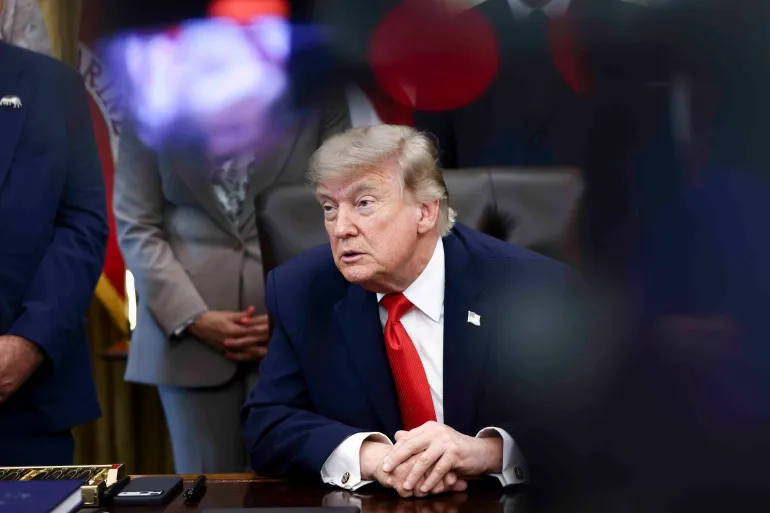
Although the ceasefire agreement has generated optimism, one of the most difficult issues remains unresolved.
Negotiators have reportedly established a 60 day window to address concerns regarding Iran’s highly enriched uranium stockpile and broader nuclear program.
This issue has been a source of tension for years.
Previous negotiations required extensive international cooperation and years of diplomatic effort to reach even temporary agreements.
Many experts consider the nuclear question significantly more difficult than securing a ceasefire.
The issue involves technical, political, military, and security considerations that affect not only Iran and the United States but also neighboring countries and major world powers.
The success or failure of these negotiations could ultimately determine whether the broader peace process survives.
Regional Tensions Continue To Threaten Stability
Even as negotiators celebrate progress, violence and instability continue elsewhere in the region.
Ongoing tensions involving Hezbollah and military operations in Lebanon illustrate how quickly regional conflicts can complicate diplomatic efforts.
Several analysts have warned that even a successful US Iran agreement may not automatically resolve every source of instability.
The Middle East remains home to numerous overlapping disputes involving state actors, armed groups, political factions, and international powers.
As a result, any peace agreement must operate within a broader environment that remains highly volatile.
This reality explains why many observers remain cautious despite the positive headlines.
A ceasefire can reduce immediate risks without necessarily eliminating deeper causes of conflict.
Markets Respond To Signs Of Progress
Financial markets reacted positively to the announcement.
Oil prices declined following news that the Strait of Hormuz could reopen.
Stock markets in Asia also posted gains as investors responded to expectations of improved stability.
The reaction reflects the enormous economic importance of the region.
Energy markets are particularly sensitive to developments involving major shipping routes and oil producing nations.
Even the possibility of improved access to global energy supplies can influence prices.
However, energy experts caution that market confidence will depend on long term implementation.
Shipping companies and insurers are unlikely to resume normal operations immediately.
Many organizations will want proof that the agreement remains stable before making major operational decisions.
Challenges Facing The Agreement
Despite widespread optimism, the proposed framework faces substantial challenges.
Political opposition exists within multiple countries involved in the negotiations.
Questions remain regarding enforcement mechanisms, verification procedures, and long term commitments.
Differences in interpretation could also create future problems.
Some political leaders have already expressed concern that various parties may have different understandings of what the agreement actually requires.
Such disagreements have undermined previous peace efforts in other conflicts around the world.
The coming weeks will likely focus heavily on clarifying expectations and preventing misunderstandings before they escalate into larger disputes.
Success will depend not only on signing documents but also on maintaining trust throughout implementation.
What This Means For The Future
The tentative agreement represents an important opportunity to reduce tensions in one of the world’s most strategically important regions.
If successful, it could restore critical shipping routes, improve energy market stability, and create momentum for addressing broader disputes.
Yet history suggests caution.
Peace agreements are often easier to announce than to implement. The real test begins after the headlines fade and negotiators confront difficult details involving security, verification, and political compromise.
The next sixty days may prove especially important. Discussions regarding Iran’s nuclear program, regional security concerns, and long term economic arrangements will likely determine whether this breakthrough evolves into lasting peace or becomes another missed opportunity.
For now, the world is watching closely. After months of conflict, economic disruption, and uncertainty, the prospect of renewed diplomacy offers hope that one of the most dangerous confrontations in recent years may finally be moving toward a more stable future. Whether that hope becomes reality will depend on decisions made in the weeks and months ahead.