
Table of Contents
- Why the UK Is Taking Action Now
- What the Proposed Social Media Ban Would Do
- The Growing Concern Over Social Media Addiction
- How the Ban Could Be Enforced
- Lessons From Australia’s Social Media Restrictions
- The Expanding Debate Over Child Safety Online
- Why Technology Companies Are Facing Greater Scrutiny
- What Parents Think About the Proposal
- Could Other Countries Follow the UK’s Lead?
- What This Means for the Future of Social Media
Why the UK Is Taking Action Now
For years, governments around the world have struggled with how to regulate social media platforms. While technology companies often promote their platforms as tools for connection and creativity, growing evidence has raised questions about the unintended consequences of constant online engagement.
Studies have increasingly linked excessive social media use among young people to sleep disruption, poor self-esteem, body image concerns, cyberbullying, and mental health struggles. Many researchers argue that adolescents are particularly vulnerable because their brains are still developing and may be more sensitive to reward-driven digital experiences.
British lawmakers have spent years examining these concerns. Parliamentary committees, child welfare organizations, and independent researchers have repeatedly warned that existing safeguards are insufficient.
The proposed ban represents a shift from simply encouraging safer online behavior to actively restricting access based on age.
Government officials argue that technology companies have had ample opportunity to address these issues voluntarily but have failed to provide adequate protection for young users.
What the Proposed Social Media Ban Would Do
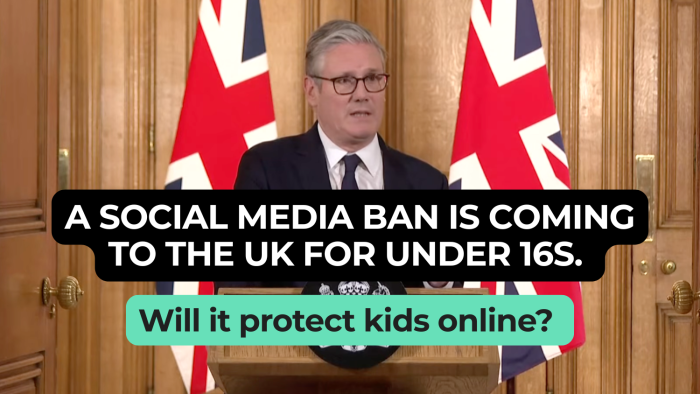
The legislation would prohibit children under 16 from accessing major social media platforms.
This would include some of the most widely used apps and websites in the world. Platforms such as TikTok, Instagram, Snapchat, Facebook, X, and YouTube would be required to implement measures preventing underage users from creating or maintaining accounts.
The proposal goes beyond traditional social networking sites.
Government officials are also examining restrictions involving livestreaming features, direct communication with strangers in online games, and interactions with AI-powered chatbots that simulate romantic or personal relationships.
Supporters argue that these additional measures recognize how online risks have evolved beyond conventional social media.
Rather than focusing on a single platform or technology, the government is attempting to create a broader framework aimed at protecting children across multiple digital environments.
The Growing Concern Over Social Media Addiction
One of the driving forces behind the legislation is concern about addictive platform design.
Many modern social media services rely on features specifically created to maximize user engagement. Endless scrolling, personalized recommendation algorithms, autoplay videos, notifications, and streak systems are all designed to keep users returning frequently.
Critics argue that these systems are particularly powerful when used by children and teenagers.
Mental health advocates have increasingly compared certain platform features to techniques historically used in gambling products and other industries that rely on habit-forming behavior.
While social media companies generally reject claims that their products are intentionally addictive, internal documents released in various legal cases have intensified public scrutiny.
These records have fueled concerns that platform operators understood potential risks while continuing to prioritize engagement metrics and advertising revenue.
The UK’s proposed legislation reflects growing acceptance of the idea that platform design itself may contribute to harmful outcomes.
How the Ban Could Be Enforced

One of the biggest questions surrounding the proposal is enforcement.
Skeptics argue that young people are often highly skilled at bypassing online restrictions. Critics point out that age limits already exist on many platforms, yet underage users routinely create accounts.
The UK government acknowledges these challenges but insists they should not prevent action.
Prime Minister Starmer compared the issue to laws restricting alcohol sales to minors. While some young people may still find ways around those restrictions, society continues to maintain them because they serve an important protective purpose.
Under the proposal, technology companies would likely be required to implement stronger age verification systems.
These systems could include identity checks, age estimation technologies, or other methods designed to verify a user’s age before granting access.
The country’s communications regulator, Ofcom, is expected to play a major role in developing specific compliance requirements and enforcement standards.
Lessons From Australia’s Social Media Restrictions
The UK is not acting in isolation.
Officials have closely studied Australia’s experience with social media restrictions for younger users.
Australia implemented similar measures in late 2025, providing one of the first major real-world tests of how such policies might function.
According to reports, major technology companies moved quickly to comply with Australian requirements. Hundreds of thousands of accounts believed to belong to underage users were reportedly removed or restricted during the early stages of implementation.
Supporters of the UK proposal view Australia’s experience as evidence that enforcement is possible when governments establish clear legal expectations.
Critics, however, note that questions remain regarding effectiveness, privacy concerns, and long-term compliance.
The Australian example nevertheless offers lawmakers a practical reference point as they design the UK’s approach.
The Expanding Debate Over Child Safety Online
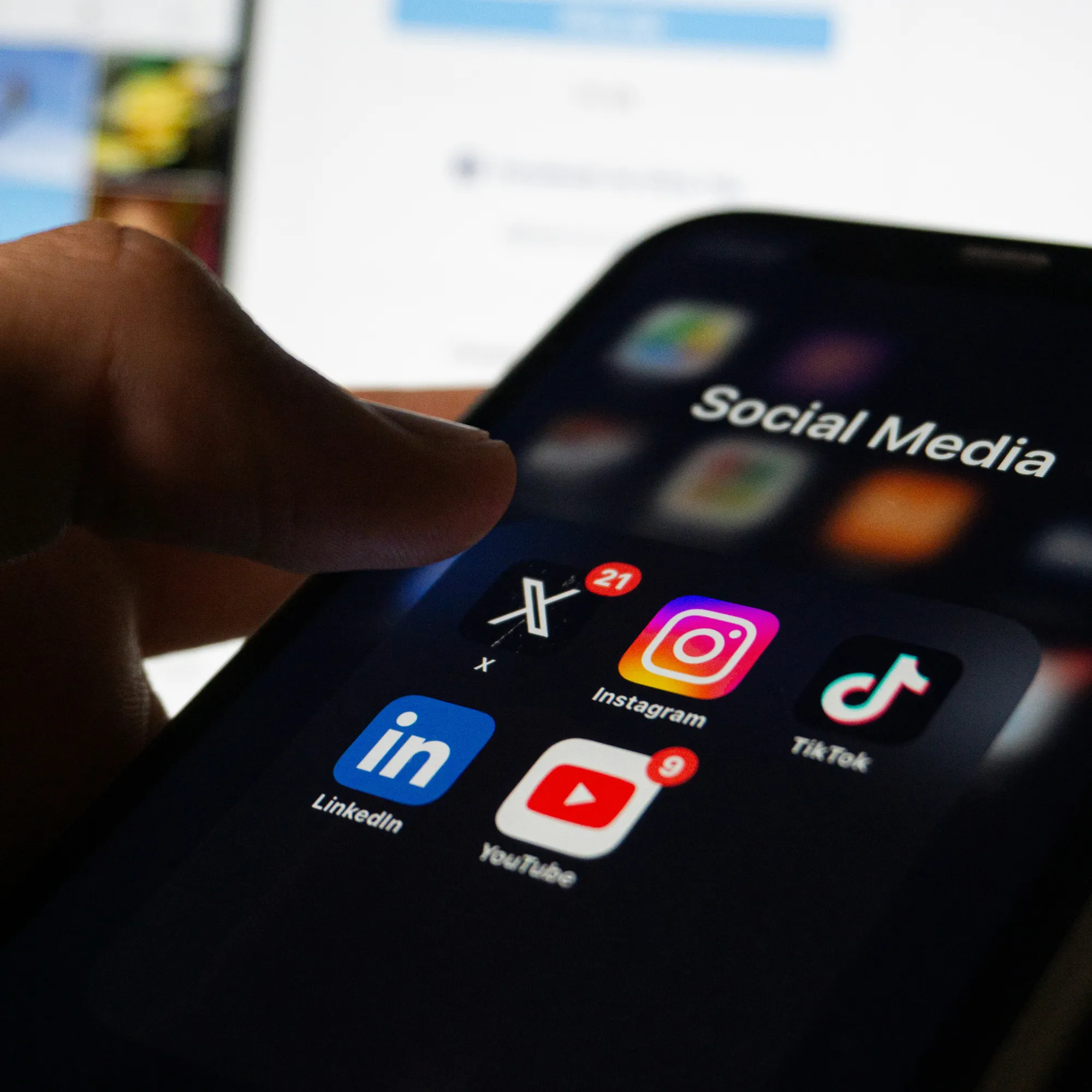
The proposed ban reflects a broader shift in how societies view children’s relationship with technology.
For years, digital literacy programs focused primarily on teaching young people how to use online tools responsibly.
Increasingly, however, policymakers are questioning whether education alone is enough.
Many experts now argue that children face risks from highly sophisticated systems designed by some of the world’s most powerful technology companies.
This perspective has encouraged governments to move beyond awareness campaigns toward stronger regulatory intervention.
The conversation has expanded to include topics such as algorithm transparency, age verification, data privacy, targeted advertising, online grooming, and digital wellbeing.
The social media ban is therefore part of a much larger effort to redefine expectations for child safety in the digital era.
Why Technology Companies Are Facing Greater Scrutiny
Technology companies have experienced growing pressure from regulators across multiple countries.
For years, social media platforms largely operated under a model that prioritized rapid growth and user engagement. That approach helped transform many companies into global giants with billions of users.
However, increased scrutiny has exposed concerns about how platforms manage content, collect data, and influence user behavior.
Critics argue that children have become especially vulnerable within systems designed primarily to maximize attention and advertising revenue.
As evidence accumulates, governments are becoming more willing to impose legal obligations rather than relying on voluntary commitments.
The UK’s proposed legislation reflects this changing relationship between regulators and technology firms.
Rather than asking companies to improve safety practices, lawmakers are increasingly considering direct intervention when they believe children’s wellbeing is at stake.
What Parents Think About the Proposal

Public reaction has been mixed but often passionate.
Many parents support stronger protections and believe social media has become too influential in the lives of children and teenagers.
They point to concerns about screen addiction, cyberbullying, exposure to harmful content, and declining face-to-face interaction.
For these families, the proposed ban represents a long-overdue acknowledgment of problems that have been building for years.
Other parents are more cautious.
Some worry that restrictions could limit educational opportunities, social connections, and digital literacy development.
Others question whether government regulation should determine how families manage technology use.
The debate highlights the challenge of balancing protection with personal freedom in an increasingly connected world.
Could Other Countries Follow the UK’s Lead?
One of the most significant aspects of the proposal is its potential international influence.
When major countries introduce new technology regulations, those policies often attract attention from lawmakers elsewhere.
If the UK’s social media ban proves successful, it could encourage similar initiatives across Europe, North America, and other regions.
Governments facing similar concerns about youth mental health may closely monitor implementation and outcomes.
Technology companies themselves could also face pressure to adopt consistent standards across multiple countries rather than maintaining different systems for different markets.
As a result, decisions made in the United Kingdom may ultimately shape online experiences far beyond its borders.
What This Means for the Future of Social Media
The UK’s proposed social media ban represents more than a new age restriction. It signals a fundamental shift in how governments view the relationship between children and digital platforms.
For years, the internet was largely treated as an open environment where responsibility rested primarily with users and families. Today, many policymakers increasingly believe that technology companies themselves bear significant responsibility for protecting young people.
Whether the legislation succeeds or encounters challenges, it has already changed the global conversation.
Questions that once seemed politically impossible are now being seriously debated at the highest levels of government. The idea that children may require stronger protections from certain online experiences is gaining support across multiple countries.
As lawmakers continue refining the proposal, the world will be watching closely. The outcome could influence not only how children use social media in the future, but also how societies balance innovation, freedom, safety, and responsibility in the digital age. What happens next in the United Kingdom may ultimately help define the next chapter of internet regulation around the world.