
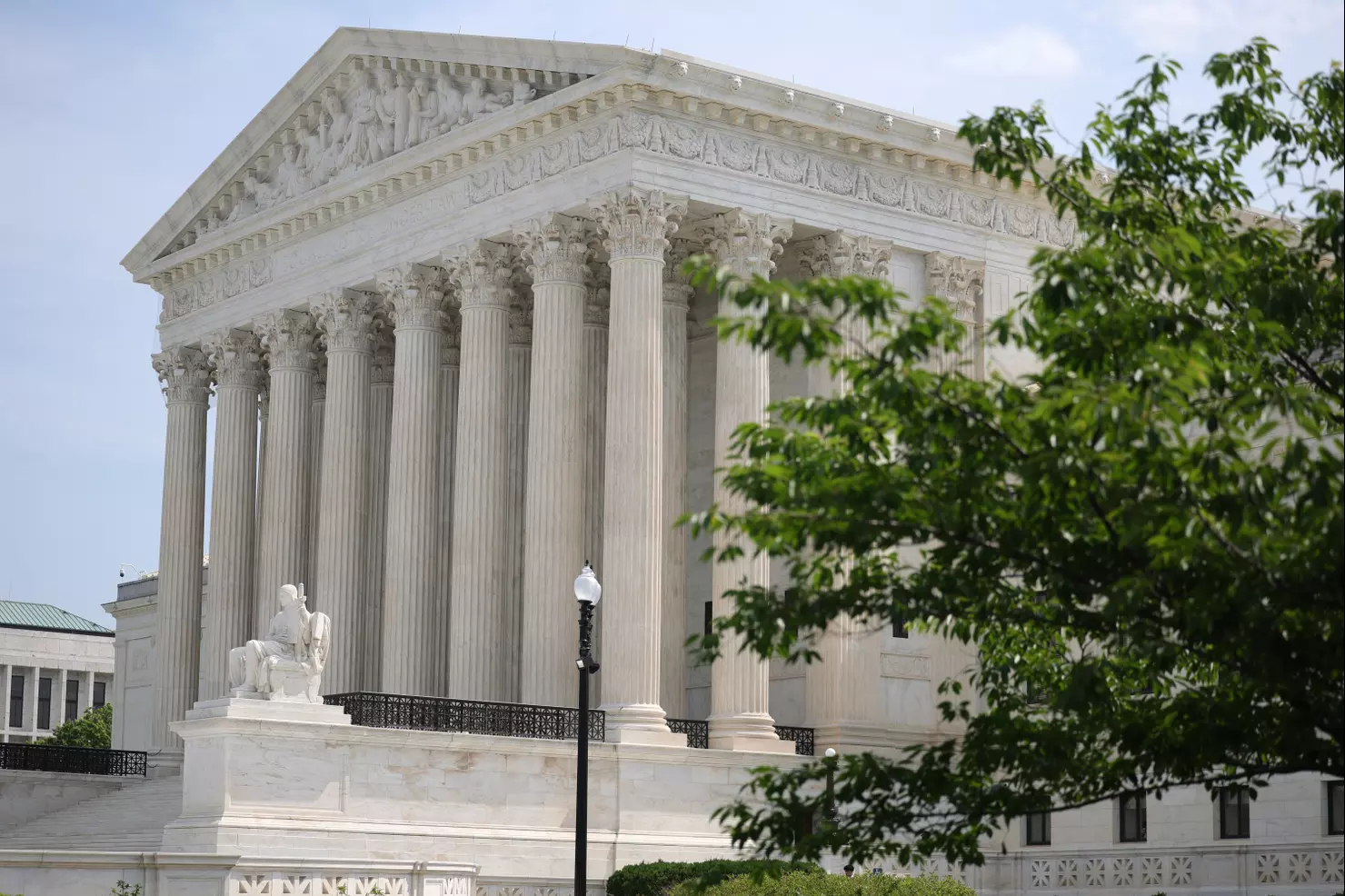
Table of Contents
- Why This Supreme Court Term Is Drawing National Attention
- The Birthright Citizenship Challenge at the Center of National Debate
- Understanding the Constitutional Question
- Could a President Change Citizenship Rules Alone?
- Mail In Ballots and the Future of Election Deadlines
- Why Uniform Election Rules Matter
- The Title IX Battle Over Transgender Athletes
- How the Court Could Interpret Title IX
- Why These Cases Reach Beyond Politics
- The Public Is Closely Watching the Outcomes
- What the Decisions Could Mean for the Future
Why This Supreme Court Term Is Drawing National Attention
Every Supreme Court term includes important legal disputes, but some years stand out because of the issues involved. This year is one of those moments.
The cases currently awaiting decisions address topics that have dominated political debates, campaign speeches, and public conversations across the country. Regardless of political affiliation, many Americans recognize that the Court’s rulings could affect everyday life in meaningful ways.
The Supreme Court serves as the final interpreter of federal law and the Constitution. When the justices issue decisions, those rulings often establish precedents that guide courts, lawmakers, schools, and government agencies nationwide.
As a result, the upcoming decisions are being watched not only by attorneys and constitutional scholars but also by parents, voters, educators, and communities across the country.
The Birthright Citizenship Challenge at the Center of National Debate
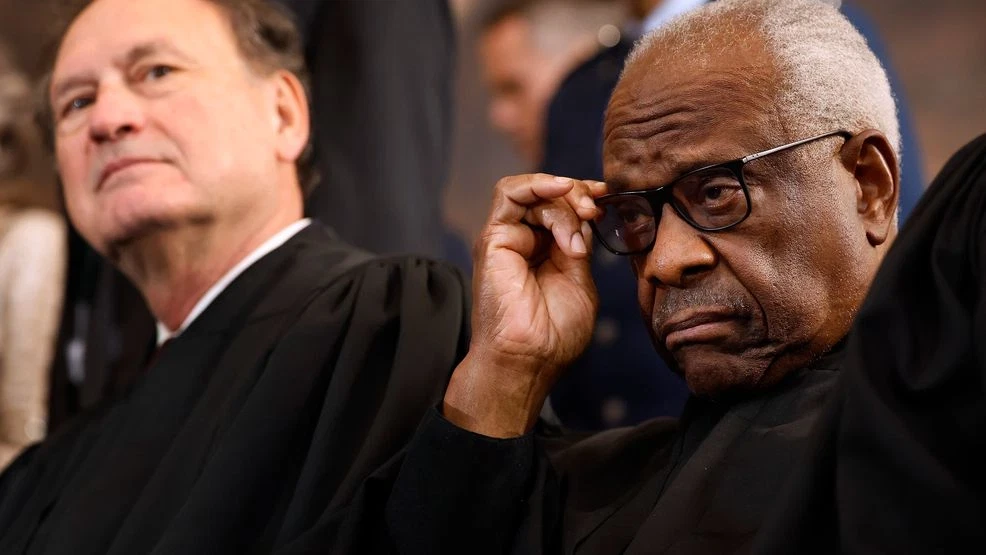
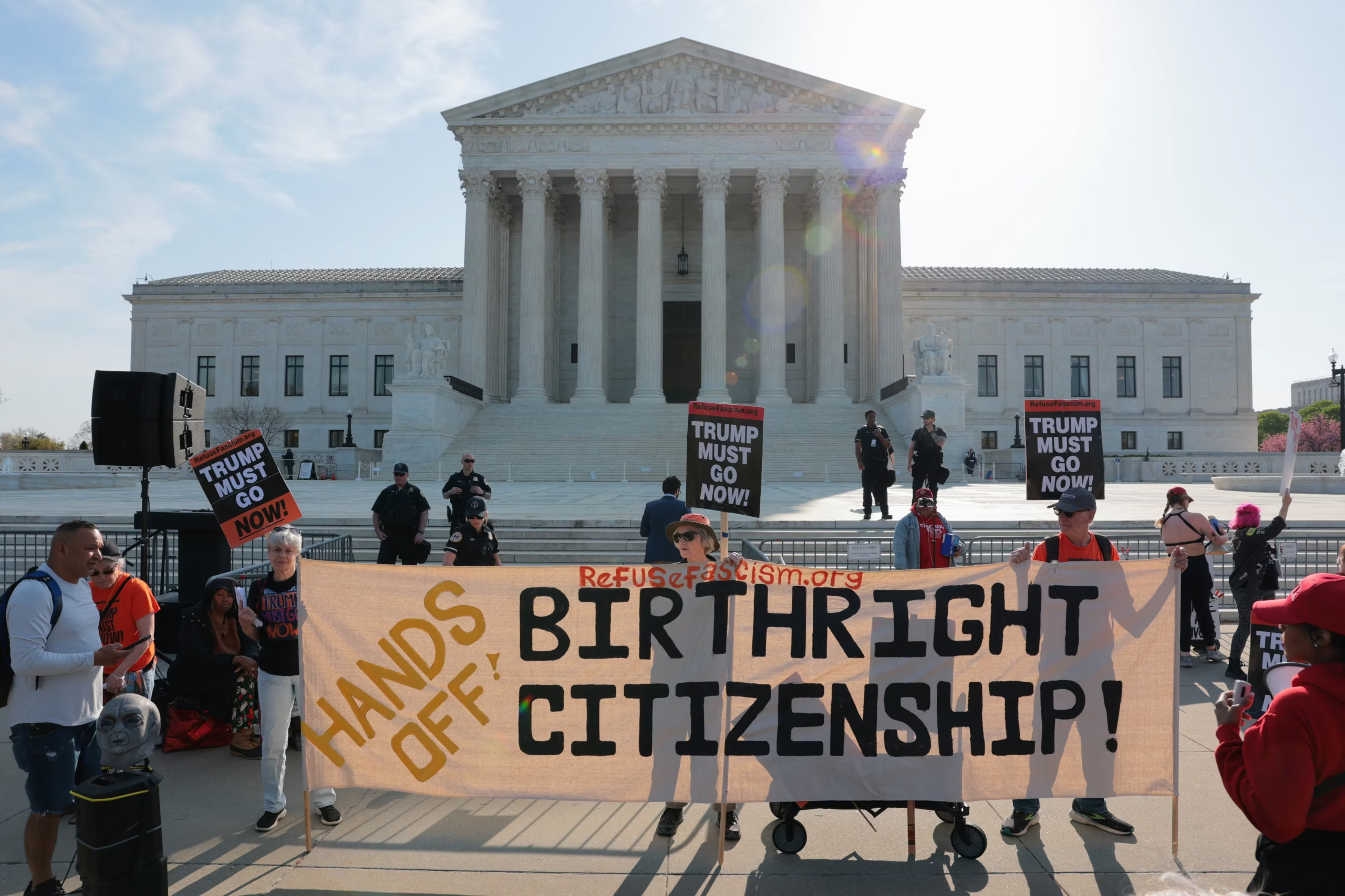
One of the most anticipated cases involves birthright citizenship and a challenge connected to former President Donald Trump’s efforts to restrict automatic citizenship for certain children born in the United States.
The dispute focuses on the Fourteenth Amendment, one of the most important constitutional provisions adopted after the Civil War.
The amendment states that all persons born or naturalized in the United States and subject to its jurisdiction are citizens of the United States.
For more than a century, this language has generally been interpreted as granting citizenship to nearly all children born on American soil regardless of their parents’ immigration status.
However, critics have long argued that the phrase “subject to the jurisdiction thereof” deserves closer examination.
The Supreme Court must now determine whether that constitutional language allows restrictions on citizenship for children born to parents who are in the country illegally or temporarily.
Understanding the Constitutional Question
At the heart of the case lies a relatively short phrase that has generated enormous legal debate.
Legal experts point out that the Constitution does not specifically define every aspect of jurisdiction. As a result, courts have historically interpreted the meaning through judicial decisions and legal precedent.
Supporters of maintaining current birthright citizenship policies argue that the Fourteenth Amendment was intentionally designed to provide broad citizenship protections and prevent exclusionary interpretations.
Opponents argue that the constitutional language should be interpreted more narrowly and that citizenship should not automatically extend to every child born within U.S. borders.
The justices must now determine whether long-standing interpretations should remain intact or whether a different constitutional reading is appropriate.
Could a President Change Citizenship Rules Alone?
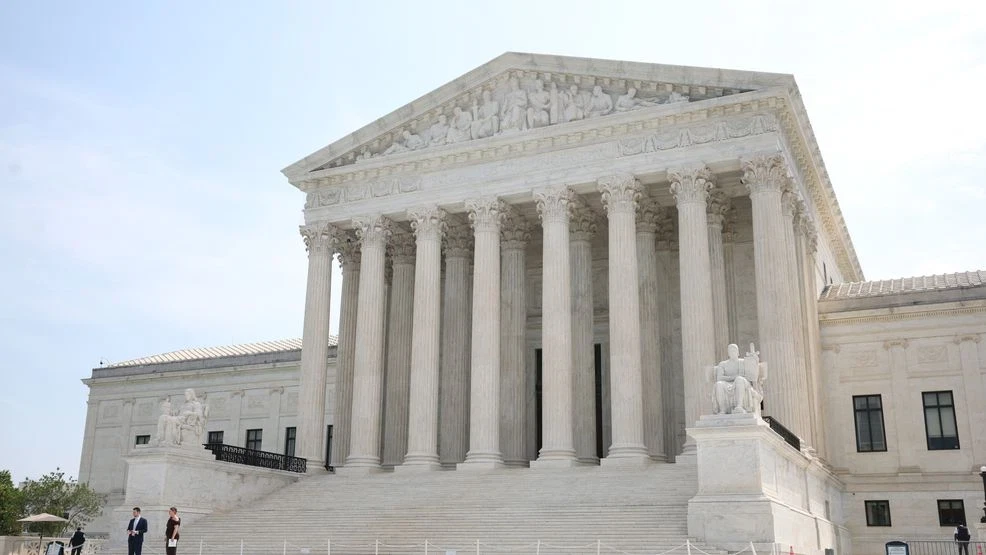
Another major issue in the case involves executive authority.
Even if some justices were to agree that constitutional questions exist, they must also consider whether a president can address those questions through executive action alone.
Many legal scholars believe such a significant change would likely require congressional legislation or potentially a constitutional amendment.
That distinction could become just as important as the citizenship debate itself.
The Court may ultimately decide the case based on executive authority rather than issuing a sweeping ruling about birthright citizenship.
Such an outcome could leave broader constitutional questions unresolved while still shaping future policy debates.
Mail In Ballots and the Future of Election Deadlines
Another closely watched case focuses on election administration and whether states may count mail-in ballots that arrive after Election Day.
The issue has become increasingly important as more Americans vote by mail.
Several states currently allow ballots postmarked by Election Day to be counted even if election officials receive them days later. Other states require ballots to physically arrive before polls close on Election Day.
The Supreme Court is now being asked to determine whether varying standards create legal problems for federal elections.
Supporters of stricter deadlines argue that election results should be finalized quickly and consistently.
Supporters of extended deadlines contend that voters should not lose their right to vote because of postal delays outside their control.
Why Uniform Election Rules Matter
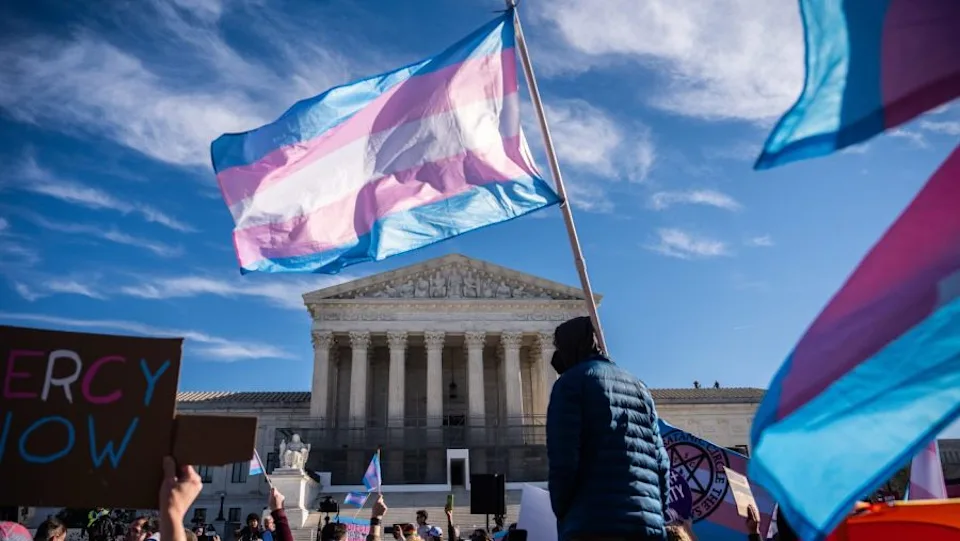
One of the key arguments in the case centers on consistency.
Election laws vary significantly from state to state. While states traditionally have substantial authority over election administration, federal elections involve national offices and broader constitutional considerations.
Some legal observers believe uniform standards could strengthen public confidence by ensuring that voters in different states are treated similarly.
Others argue that states should retain flexibility to address local conditions and voting practices.
The Supreme Court’s decision could clarify how much discretion states possess when setting ballot deadlines and election procedures.
Such a ruling could affect future presidential, congressional, and statewide elections throughout the country.
The Title IX Battle Over Transgender Athletes
Perhaps the most emotionally charged case before the Court involves transgender athletes and participation in girls’ and women’s sports.
The dispute centers on Title IX, the landmark federal law prohibiting sex-based discrimination in educational programs receiving federal funding.
For decades, Title IX has been credited with expanding athletic opportunities for women and girls across the United States.
However, questions about how the law applies to transgender athletes have generated intense national debate.
Supporters of transgender inclusion argue that participation policies should reflect gender identity and equal treatment principles.
Opponents argue that biological differences can create competitive advantages and potentially undermine opportunities for female athletes.
The Supreme Court’s decision could become one of the most influential sports-related rulings in modern history.
How the Court Could Interpret Title IX
The challenge facing the justices is not simply political. It is fundamentally legal.
The Court must determine how Title IX should be interpreted within the context of modern disputes involving gender identity and athletic competition.
Some legal experts believe the justices may focus on the original purpose of Title IX and whether maintaining separate athletic categories remains essential to achieving fairness.
Others believe the Court could emphasize broader anti-discrimination principles that have evolved through subsequent legal decisions.
Regardless of the outcome, the ruling will likely provide guidance to schools, universities, athletic associations, and state governments nationwide.
The decision may also influence future legal battles involving gender identity in other areas beyond sports.
Why These Cases Reach Beyond Politics
Although political leaders often discuss these issues during campaigns, the Supreme Court approaches them from a constitutional perspective.
The justices are not tasked with deciding what policy they personally prefer. Their role is to determine what federal law and the Constitution require.
That distinction is important because the Court’s decisions often outlast individual administrations and political movements.
A ruling issued this year could remain influential for generations.
Whether the issue involves citizenship, elections, or athletics, the Court’s interpretation may shape future legislation, administrative actions, and legal challenges throughout the country.
The Public Is Closely Watching the Outcomes

Interest in these cases extends well beyond legal circles.
Parents are watching the transgender athlete case because it could affect school sports programs.
Immigration advocates are closely following the birthright citizenship dispute because it involves questions of national identity and constitutional protections.
Election officials and voting rights groups are monitoring the mail-in ballot case because it could alter election procedures in future contests.
Each ruling has the potential to affect millions of Americans directly or indirectly.
That widespread impact helps explain why anticipation surrounding the Court’s final decisions continues to grow.
What the Decisions Could Mean for the Future
As the Supreme Court approaches the end of its current term, the nation is waiting for answers to some of the most consequential legal questions in years.
The birthright citizenship case could influence how Americans interpret one of the Constitution’s most important amendments.
The mail-in ballot dispute could redefine election administration standards and shape future voting procedures.
The transgender athlete case could establish a legal framework that influences schools and sports organizations across the country.
Taken together, these decisions represent more than individual court cases. They reflect broader debates about identity, fairness, citizenship, and constitutional interpretation in modern America.
Regardless of where individuals stand on the issues, the rulings are likely to become major legal milestones. Long after headlines fade, the consequences could continue shaping public policy, legal arguments, and national conversations for years to come. The final decisions may not end the debates, but they will almost certainly define the next chapter of them.