
Table of Contents
- A Case That Shocked the Nation
- Why Jury Selection Matters So Much
- The Two Types of Jurors Who Cannot Serve
- Why Finding Neutral Jurors Could Be Extremely Difficult
- The Role of the Massive Jury Questionnaire
- New York’s Complex Relationship With Capital Punishment
- Changing Public Views on the Death Penalty
- The Federal Government’s Evolving Approach
- How Attorneys Will Shape the Final Jury
- The Risk of Bias and Mistrial Concerns
- What the Verdict Could Mean Beyond Buffalo
A Case That Shocked the Nation
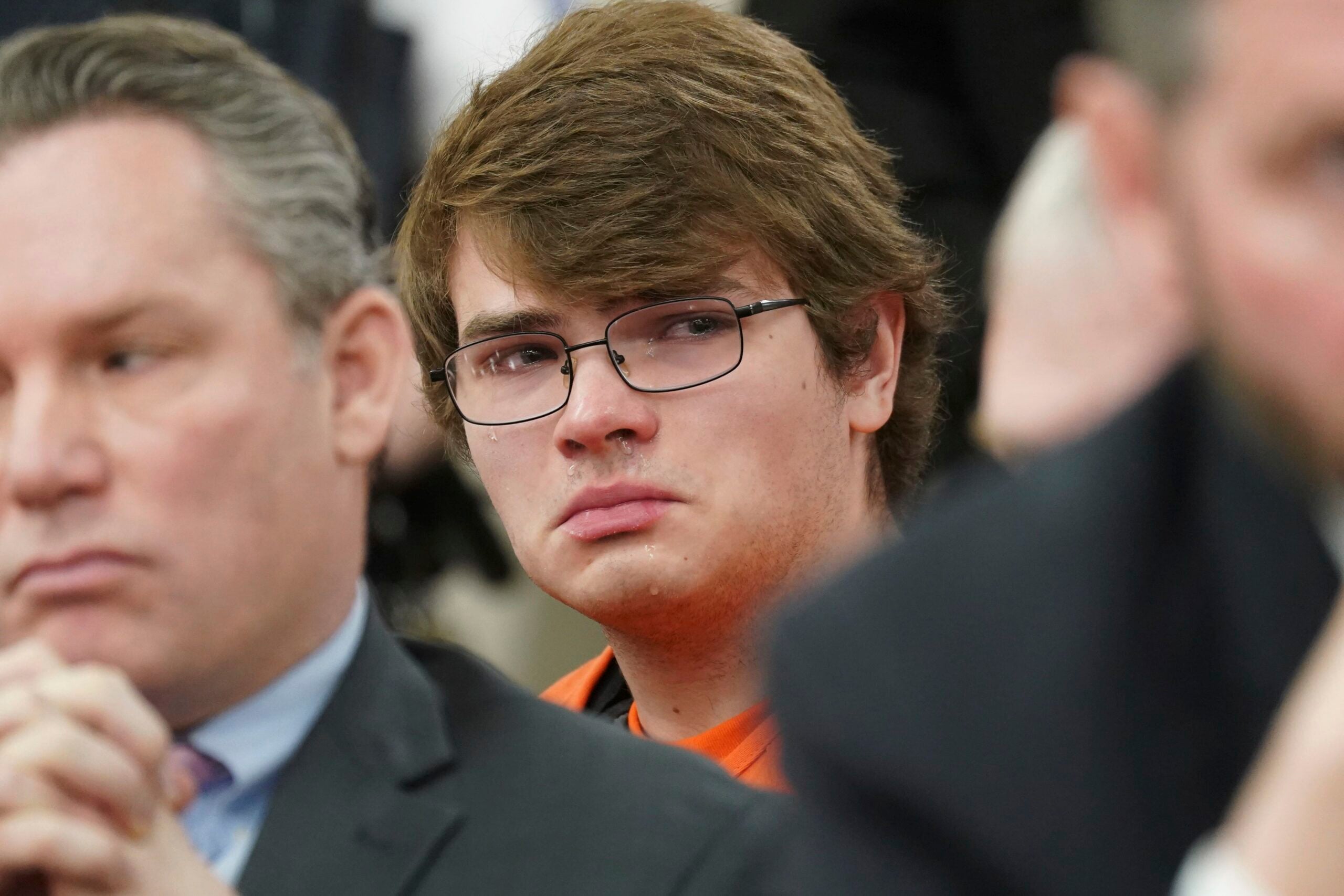
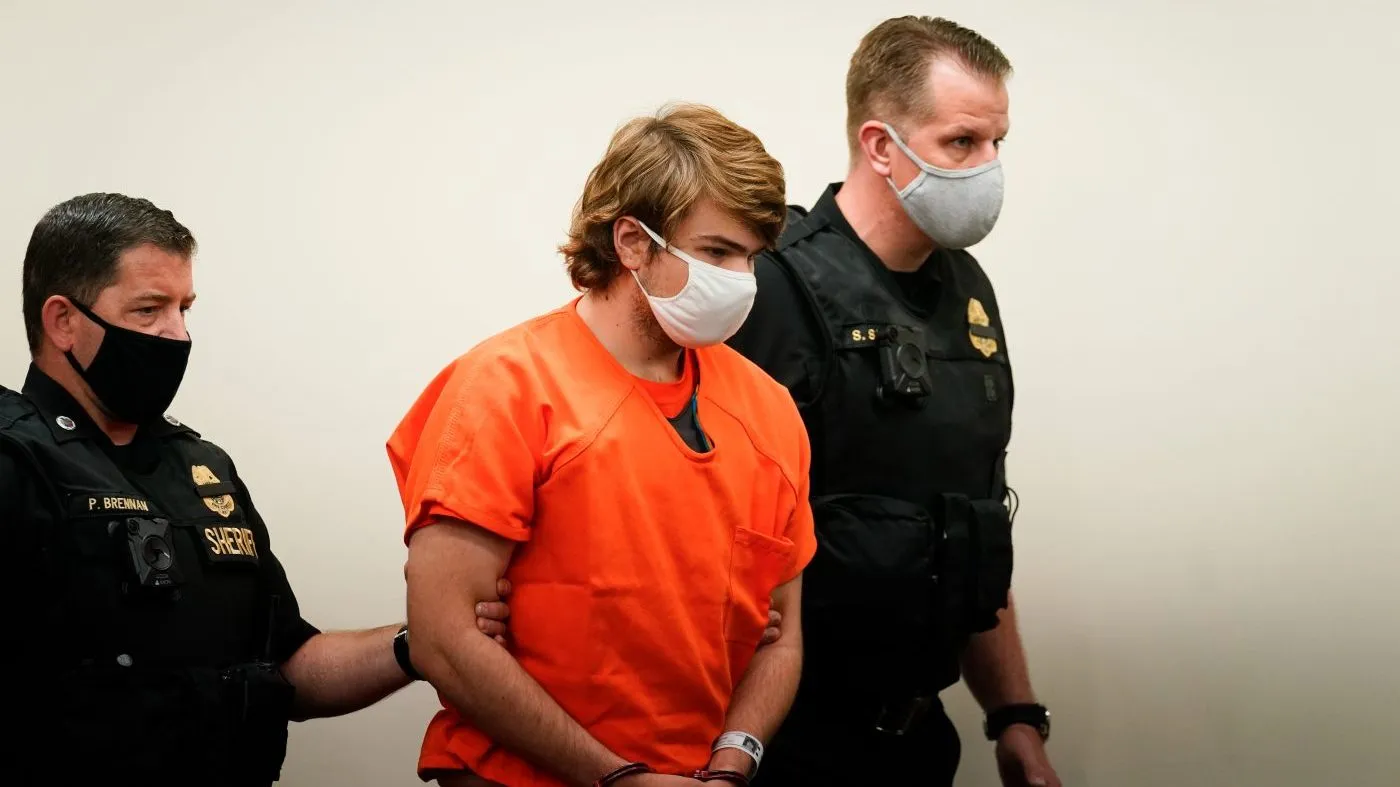
The Buffalo mass shooting occurred on May 14, 2022, when Payton Gendron opened fire at a Tops Friendly Markets grocery store in Buffalo, New York. The attack specifically targeted Black residents and was widely condemned as an act of racial hatred.
Ten people were killed and three others were injured during the attack. The tragedy quickly drew national attention and renewed debates over domestic extremism, online radicalization, gun violence, and hate crimes.
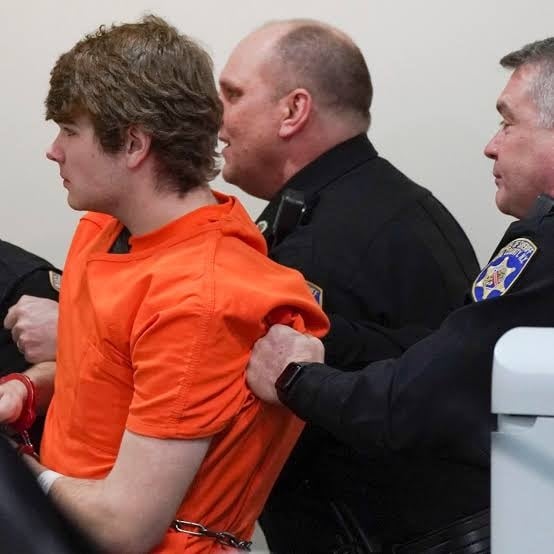
Gendron later pleaded guilty in state court to multiple charges, including murder motivated by terrorism and hate. However, the federal case remains separate and carries the possibility of a death sentence.
Because the defendant has already admitted responsibility in state court, many legal experts believe the upcoming federal proceedings will focus heavily on sentencing rather than proving guilt. That reality makes jury selection especially important.
Why Jury Selection Matters So Much
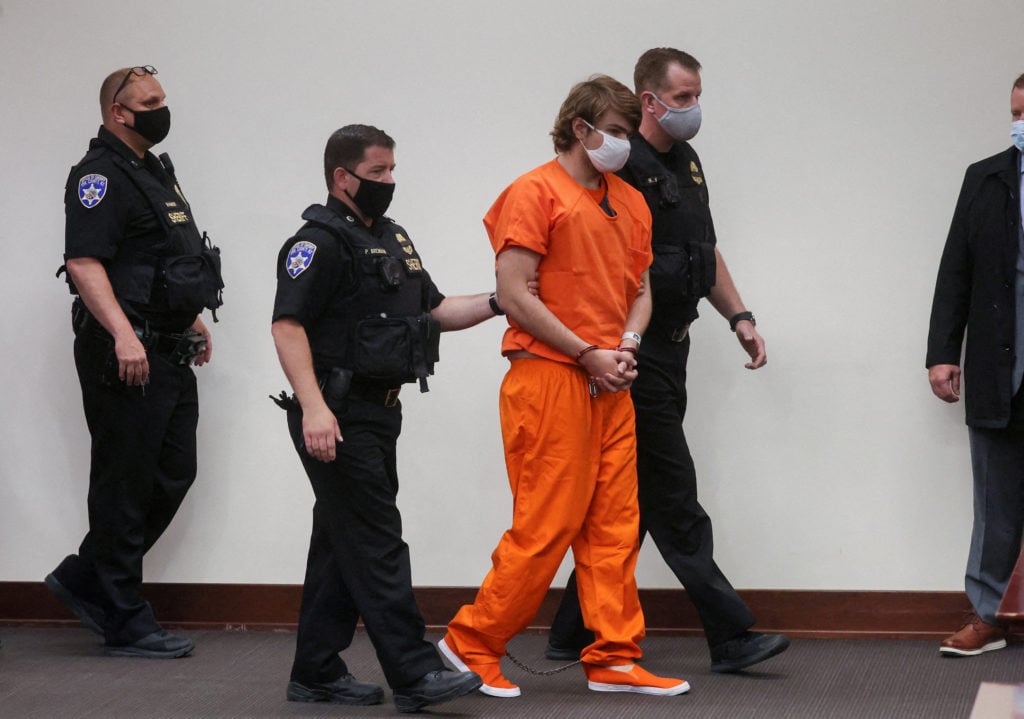
In any criminal trial, jurors are expected to evaluate evidence objectively and follow the law as instructed by the judge. In a federal death penalty case, however, the responsibility becomes even greater.
Jurors will not only determine factual issues presented during the trial but could ultimately decide whether a defendant lives or dies.
That level of responsibility requires a jury capable of approaching the case without predetermined conclusions. Legal experts say the challenge is finding individuals who can carefully consider all evidence while remaining open to both possible outcomes.
The court is not looking for people who already support a death sentence, nor is it looking for people who would automatically oppose one. Instead, it seeks jurors who can genuinely consider both options based on the evidence and legal standards presented during the trial.
The Two Types of Jurors Who Cannot Serve
One of the most important aspects of the selection process involves identifying individuals whose views on capital punishment make them unable to serve.
Federal law generally excludes two categories of potential jurors in death penalty cases.
The first group includes people who oppose the death penalty under all circumstances. If a person states that they could never vote for execution regardless of the facts, they are unlikely to qualify.
The second group includes those who believe certain crimes should automatically result in death. Jurors who enter the courtroom already convinced that execution is the only acceptable punishment may also be disqualified.
The court’s goal is to find jurors willing to consider both life imprisonment and capital punishment before reaching a final decision.
This balance is essential because either extreme could undermine the fairness of the trial.
Why Finding Neutral Jurors Could Be Extremely Difficult
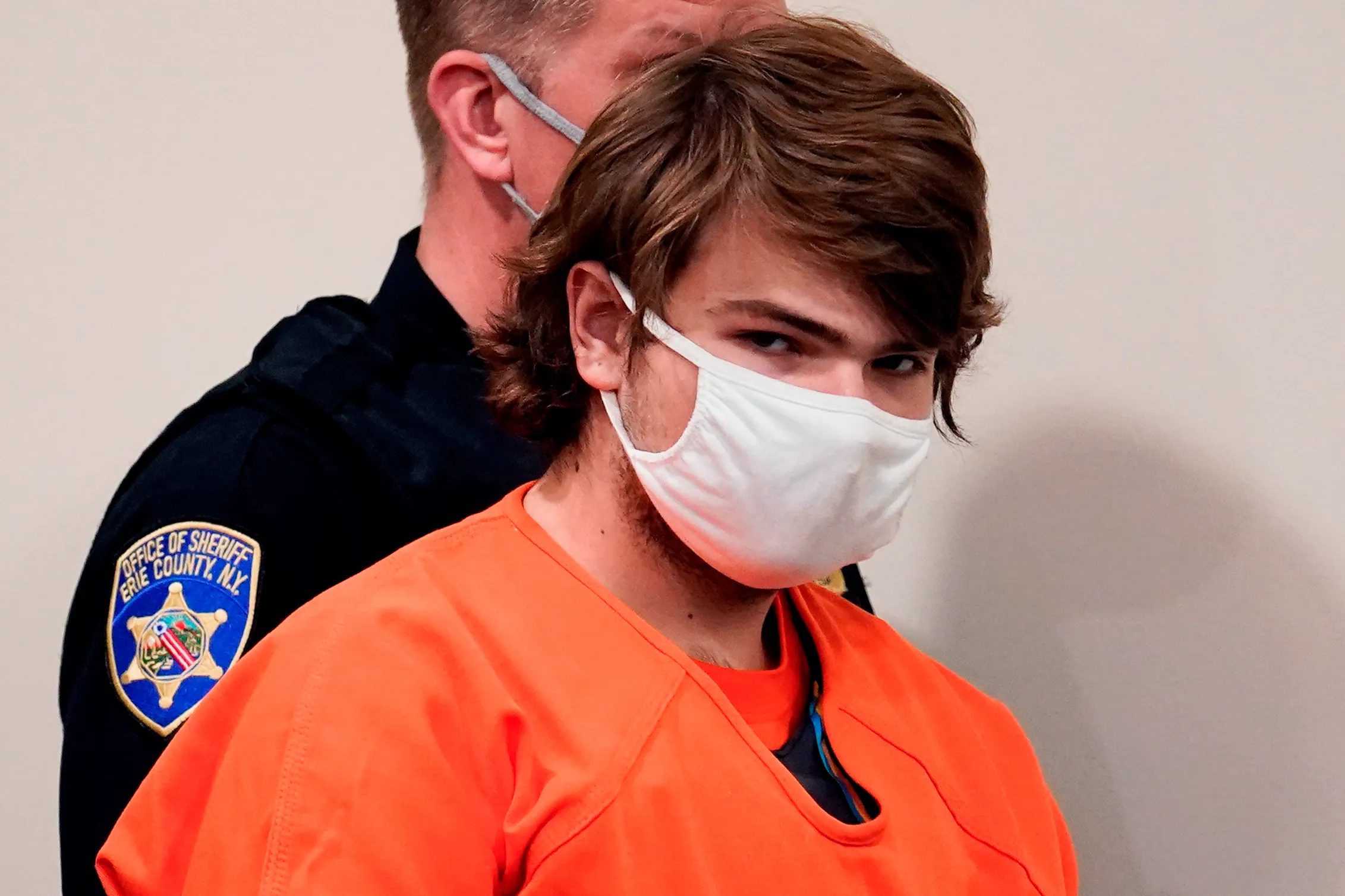
Finding impartial jurors is challenging in any high-profile criminal case, but experts believe this case presents unique difficulties.
The Buffalo shooting generated extensive media coverage across the United States and internationally. Many residents of Western New York followed developments closely, learned details about the victims, and formed opinions long before jury selection began.
Attorney John Elmore explained that potential jurors must demonstrate an appearance of neutrality. They must show that they have not already decided what punishment should be imposed and that their judgment is not clouded by racial bias or overwhelming exposure to media coverage.
In practical terms, this means attorneys will closely examine whether prospective jurors can set aside personal feelings and focus solely on evidence presented in court.
That task becomes particularly difficult when the case involves racial violence, community trauma, and national attention.
The Role of the Massive Jury Questionnaire
To help identify qualified jurors, the court has prepared an extensive questionnaire that prospective jurors must complete before additional interviews begin.
The document reportedly takes about two hours to finish and explores a wide range of topics.
Questions may address opinions about the death penalty, exposure to news coverage, personal experiences with crime, racial attitudes, and other issues that could affect impartiality.
The questionnaire serves as an important screening tool. It allows attorneys from both sides to identify concerns before jurors appear for more detailed questioning.
Given the expected pool of approximately 1,200 candidates, the questionnaire helps narrow the field while providing valuable insight into each person’s ability to serve fairly.
Even after the forms are completed, the process is expected to continue for weeks or months before a final jury is selected.
New York’s Complex Relationship With Capital Punishment
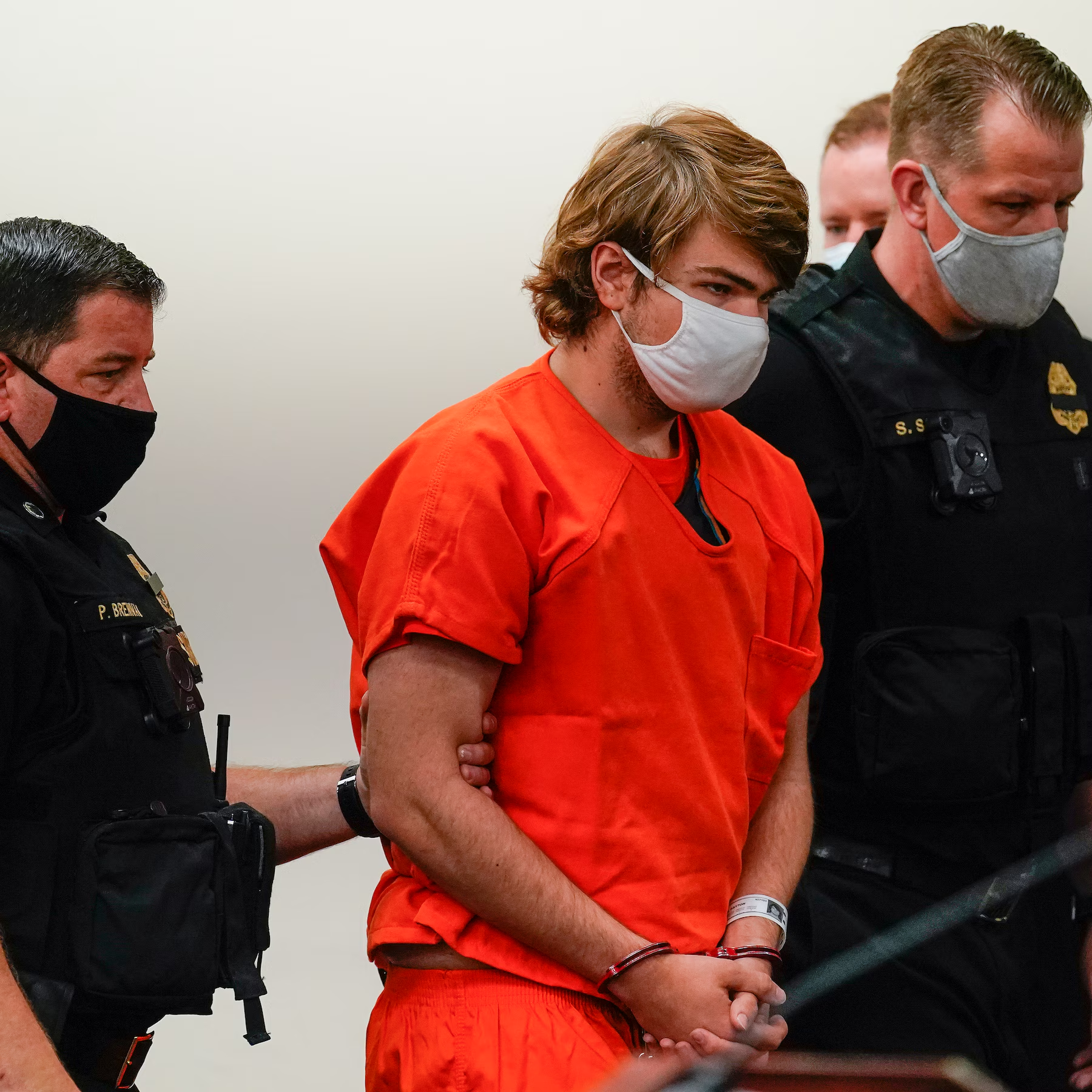
Another factor complicating jury selection is New York’s long history with the death penalty.
Unlike many states that continue to authorize executions, New York currently does not have a state death penalty.
The state’s capital punishment law was effectively struck down after constitutional concerns were identified by the state’s highest court in 2004.
According to criminal justice professor James Acker, New York had previously gone decades without a death penalty before lawmakers reinstated it in 1995. That law remained in effect until legal challenges ultimately led to its invalidation.
As a result, many New Yorkers have spent most of their lives without an active state death penalty system.
That cultural and legal backdrop could influence attitudes among potential jurors, making it harder to identify individuals who are genuinely undecided about capital punishment.
Changing Public Views on the Death Penalty
Public opinion regarding the death penalty has changed significantly over the past two decades.
Recent polling suggests that support for capital punishment is lower than it was during the early 2000s.
A Gallup survey found that approximately 52 percent of Americans currently consider the death penalty morally acceptable. That figure represents a substantial decline from 71 percent recorded in 2005.
These changing attitudes may play a role in the Buffalo trial.
Even among Americans who support capital punishment in theory, there is increasing debate about whether it should be applied in practice. Concerns about wrongful convictions, racial disparities, lengthy appeals, and execution methods have contributed to shifting perspectives.
Because jurors bring their personal beliefs into the courtroom, broader societal trends could influence how the sentencing phase unfolds.
The Federal Government’s Evolving Approach
The federal government’s recent actions have also shaped the conversation surrounding capital punishment.
During his presidency, President Joe Biden commuted nearly all federal death row sentences to life imprisonment, leaving only a small number of cases unaffected.
Among those receiving commutations were individuals convicted in some of the nation’s most notorious hate-motivated attacks, including the Charleston church shooting and the Tree of Life synagogue massacre.
These decisions reflected growing skepticism about the use of the federal death penalty and reinforced debates about its future.
Although the Buffalo case remains eligible for capital punishment, observers note that the broader political environment surrounding executions has changed considerably in recent years.
The outcome of this trial could therefore be viewed as a significant indicator of where public sentiment and federal policy may be heading.
How Attorneys Will Shape the Final Jury
Both the prosecution and defense have powerful tools available during jury selection.
One of the most important is the use of peremptory challenges.
Each side will receive 20 peremptory challenges, allowing attorneys to remove potential jurors without providing a specific reason, provided the removal does not violate anti-discrimination rules.
These challenges enable lawyers to shape the final jury based on concerns that may not rise to the level of legal disqualification.
Defense attorneys are expected to focus heavily on identifying jurors willing to consider a life sentence.
Prosecutors, meanwhile, will likely seek jurors who remain open to imposing the death penalty if they conclude the circumstances warrant it.
The strategic use of these challenges could significantly influence the makeup of the final panel.
The Risk of Bias and Mistrial Concerns
One concern raised by legal experts is the possibility that some individuals may not answer questions honestly.
In highly publicized cases, certain people may wish to participate because of the media attention or personal interest in the proceedings.
Others may attempt to conceal their true beliefs in hopes of influencing the outcome.
For that reason, attorneys and judges carefully evaluate responses, compare answers across multiple stages of questioning, and look for inconsistencies.
The stakes are exceptionally high.
If juror bias is discovered after a verdict is reached, appeals and legal challenges could follow. In extreme cases, a mistrial could occur, forcing victims’ families and the community to relive the entire process.
Attorney John Elmore emphasized that ensuring fairness now may help guarantee that the case only needs to be tried once.
For many families affected by the shooting, that objective remains critically important.
What the Verdict Could Mean Beyond Buffalo
Regardless of the eventual outcome, the Buffalo federal trial is likely to become a landmark case in the ongoing debate over capital punishment in America.
Some experts believe that if a jury declines to impose a death sentence in a case involving a racially motivated mass murder with multiple victims, it could signal a profound shift in public attitudes toward execution as a criminal punishment.
Others argue that the severity of the crime makes it one of the strongest possible cases for capital punishment under federal law.
The jury’s decision may therefore be viewed not only as a judgment about one defendant but also as a reflection of broader societal values.
As jury selection continues, courts face the difficult task of identifying twelve impartial jurors and several alternates capable of carrying that responsibility. Their decision will affect the lives of victims’ families, the future of the defendant, and perhaps the national conversation about the death penalty itself.
For now, the focus remains on the painstaking process of selecting a jury that can deliver justice fairly, thoughtfully, and without prejudice in one of the most consequential federal trials in recent memory.