
Table of Contents
- Supreme Court Declines to Hear the Appeal
- Understanding New York’s Public Nuisance Law
- Why the Gun Industry Challenged the Law
- The Federal Law’s Critical Exception
- Appeals Court Previously Upheld the Law
- Major Firearm Manufacturers Joined the Fight
- Why This Case Is Different From Second Amendment Battles
- Supporters See a New Tool Against Gun Violence
- Critics Warn of Expanding Liability
- What Happens Next
- A Decision With National Consequences
Supreme Court Declines to Hear the Appeal
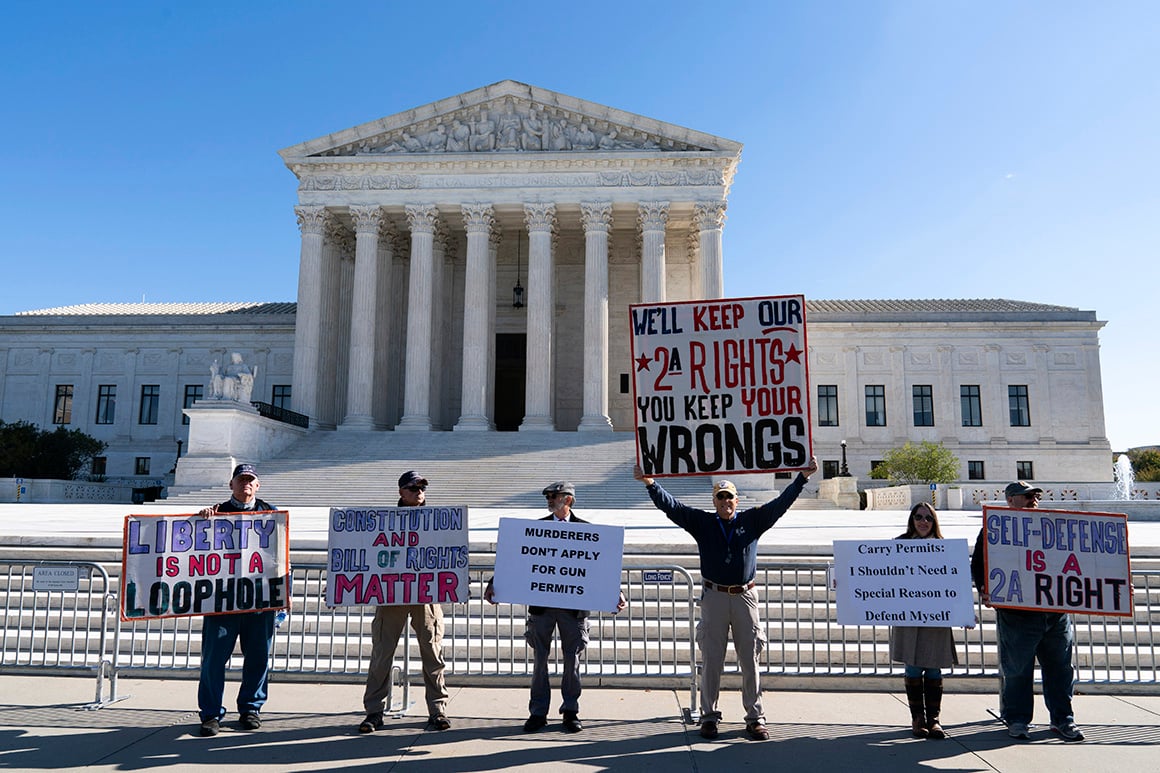
On June 15, 2026, the United States Supreme Court announced that it would not hear an appeal brought by the National Shooting Sports Foundation, the firearm industry’s leading trade organization.
The appeal sought to overturn a lower court ruling that upheld New York’s public nuisance law targeting firearm industry practices. By declining the case, the Supreme Court allowed the lower court’s decision to stand.
Unlike many high profile Supreme Court decisions that generate lengthy written opinions, the justices offered no explanation for refusing to hear the appeal. Such denials are common and do not necessarily indicate agreement or disagreement with the lower court’s ruling.
However, the practical effect is significant.
The New York law remains enforceable, and lawsuits authorized under the statute may continue moving forward through the courts.
For gun industry leaders, the refusal represented a major setback. For advocates seeking stronger accountability measures, it was viewed as a substantial legal victory.
Understanding New York’s Public Nuisance Law
To understand why this case attracted national attention, it is important to examine the law at the center of the dispute.
New York enacted the statute in 2021 under then Governor Andrew Cuomo. The law requires firearm manufacturers, wholesalers, and dealers to implement reasonable safeguards designed to prevent illegal gun trafficking, theft, and unlawful firearm transfers.
The statute also creates a pathway for government agencies, local authorities, and private individuals to bring civil lawsuits against firearm companies if their conduct contributes to a public nuisance.
Supporters argue that the law targets irresponsible business practices rather than lawful firearm ownership.
According to New York officials, the legislation was crafted to address the growing impact of illegal firearms entering communities through weak oversight and negligent distribution practices.
Attorney General Letitia James has repeatedly described gun violence as a public health and public safety crisis, arguing that companies involved in firearm sales should bear responsibility when their actions contribute to preventable harm.
Why the Gun Industry Challenged the Law
The National Shooting Sports Foundation argued that New York’s law directly conflicts with federal protections enacted by Congress.
At the center of the dispute is the Protection of Lawful Commerce in Arms Act, commonly known as PLCAA.
Passed in 2005, the federal law was designed to shield firearm manufacturers and sellers from most civil lawsuits arising from criminal misuse of firearms by third parties.
Congress enacted PLCAA after a wave of lawsuits attempted to hold firearm companies responsible for crimes committed using legally manufactured weapons.
Industry representatives argue that manufacturers cannot reasonably control how criminals misuse products after they enter the marketplace.
In its appeal, the National Shooting Sports Foundation contended that New York’s law undermines Congress’s intent and effectively circumvents federal protections.
The organization warned that allowing these lawsuits could expose businesses to massive legal costs even when they had no direct involvement in criminal conduct.
Industry leaders compared such liability to holding automobile manufacturers responsible for drunk driving accidents committed by individual drivers.
The Federal Law’s Critical Exception
A central issue in the case involved what legal experts call the “predicate exception” within PLCAA.
While the federal statute broadly protects firearm companies from liability, it does contain specific exceptions.
One of those exceptions permits lawsuits when companies knowingly violate state or federal laws governing firearm sales and marketing.
The legal battle centered on whether New York’s public nuisance law falls within that exception.
Gun industry attorneys argued that the exception was intended to apply only to violations of specific legal requirements directly controlled by firearm businesses.
New York attorneys countered that the state’s law established clear obligations regarding responsible business practices and therefore qualified under the exception.
The disagreement ultimately became the focal point of the case.
Appeals Court Previously Upheld the Law
Before reaching the Supreme Court, the dispute had already been examined by the Second Circuit Court of Appeals.
In 2025, the federal appeals court ruled in favor of New York.
Judge Eunice Lee, writing for the court, concluded that Congress intended to preserve certain legal claims involving violations of state and federal firearm laws.
The court determined that New York’s statute could fit within the federal law’s existing framework rather than conflict with it.
That ruling became a major victory for state officials and gun violence prevention advocates.
The firearm industry then sought review by the Supreme Court, hoping the justices would overturn the lower court’s interpretation.
That opportunity never materialized after the Court declined to hear the case.
Major Firearm Manufacturers Joined the Fight
The legal challenge attracted support from some of the largest names in the firearms industry.
Companies including Smith & Wesson, Ruger, Beretta, Glock, Sig Sauer, and Sturm Ruger backed the appeal.
Their involvement highlighted the potentially far reaching consequences of the case.
Industry leaders fear that if similar laws spread across multiple states, manufacturers could face a growing number of lawsuits alleging inadequate safeguards against criminal misuse.
Such litigation could become expensive, time consuming, and unpredictable.
Supporters of the law respond that responsible companies following proper practices have little to fear.
They argue that the purpose is not to punish lawful businesses but to create incentives for stronger oversight throughout the firearm supply chain.
Why This Case Is Different From Second Amendment Battles
Interestingly, the case was not primarily about the constitutional right to keep and bear arms.
Many of the Supreme Court’s recent firearm cases have focused directly on the Second Amendment.
This dispute was different.
Instead of challenging gun ownership rights, the case focused on corporate liability and business responsibility.
The distinction matters because it addresses a different aspect of America’s ongoing gun debate.
Rather than asking who may possess firearms, the case asks what obligations firearm companies have to prevent illegal activity involving their products.
Legal analysts note that this shift reflects a broader strategy among some states seeking new approaches to reducing gun violence without directly restricting firearm ownership.
Supporters See a New Tool Against Gun Violence
Advocates supporting the New York law believe it creates an important accountability mechanism.
They argue that illegal firearm trafficking often involves gaps in oversight, weak compliance procedures, and inadequate monitoring of suspicious transactions.
By allowing lawsuits, supporters believe businesses will face stronger incentives to identify and prevent problematic sales practices.
Some public safety organizations compare the approach to lawsuits previously filed against tobacco companies and opioid manufacturers.
In those industries, litigation was used as a tool to encourage changes in business practices and increase transparency.
Supporters believe firearm companies should be subject to similar scrutiny when evidence suggests preventable conduct contributed to public harm.
Critics Warn of Expanding Liability
Opponents see the situation very differently.
Gun rights organizations argue that firearm manufacturers produce lawful products used safely by millions of Americans.
They contend that criminals alone should bear responsibility for criminal acts.
Industry representatives fear that allowing broad lawsuits could create crushing financial pressure even when companies complied with all applicable laws.
They also warn that litigation costs could ultimately be passed on to consumers.
Several Republican attorneys general and members of Congress supported the appeal, arguing that New York’s approach threatens federal protections intentionally created by Congress.
For critics, the issue is not merely financial. They believe allowing these lawsuits could establish a precedent that gradually erodes legal safeguards for lawful industries.
What Happens Next
Although the Supreme Court declined to hear the case, the broader legal battle is far from over.
New York’s law remains active, and lawsuits filed under the statute are expected to continue moving through the courts.
Other states may look to New York as a model when considering similar legislation.
Several jurisdictions have already enacted or proposed laws designed to fit within the federal statute’s exceptions.
As additional lawsuits emerge, courts across the country will likely confront many of the same legal questions raised in this case.
Future disputes could eventually return to the Supreme Court under different circumstances.
A Decision With National Consequences
The Supreme Court’s refusal to hear the firearm industry’s challenge may ultimately be remembered as a pivotal moment in the evolving legal landscape surrounding gun violence and corporate accountability.
While the decision does not directly determine whether firearm companies are liable for future harms, it preserves a legal pathway allowing those questions to be examined in court.
For supporters, the outcome represents an opportunity to pursue accountability where they believe negligence contributes to public danger.
For critics, it raises concerns about expanding liability beyond those directly responsible for criminal acts.
What remains clear is that the debate is unlikely to end anytime soon. As states continue experimenting with new approaches to addressing gun violence and courts continue interpreting the boundaries of federal protections, the relationship between the firearm industry and the legal system will remain one of the most closely watched issues in American law and public policy.