
Table of Contents
- When the US Supreme Court Redefined a Federal Gun Restriction
- The Federal Law at the Center of the Case
- The Court’s Unanimous Decision
- Why Marijuana Use Alone Was Not Enough
- The Broader Political and Legal Context
- The Government’s Argument and Its Collapse
- Lower Court Precedent and the Turning Point
- Implications for Millions of Americans
- Marijuana Law Evolution and Federal Conflict
- What Comes Next for Gun Law in the United States
- A Turning Point in Second Amendment Interpretation
When the US Supreme Court Redefined a Federal Gun Restriction
When news broke that the Supreme Court of the United States had unanimously narrowed the application of a long standing federal law banning firearm possession by drug users, legal experts and gun rights advocates across the United States immediately recognized its significance. The ruling did not simply resolve a single criminal case. It reshaped how a decades old statute interacts with modern marijuana use, changing the boundaries of firearm restrictions in a country already deeply divided over gun rights.
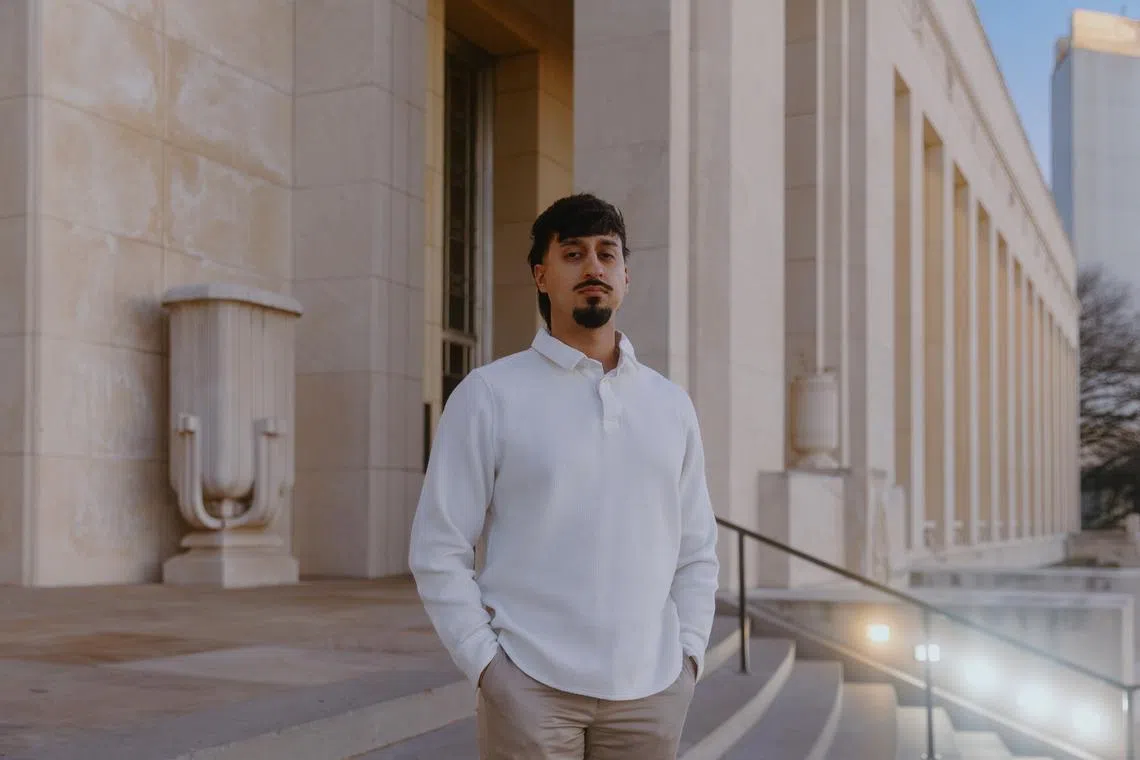
At the center of the case was a challenge to a 1968 federal law that prohibits gun ownership for individuals considered unlawful users of controlled substances. The case involved Ali Hemani, a Texas resident and dual citizen whose marijuana use became the legal focal point of a broader constitutional debate. The court’s decision ultimately rejected a sweeping interpretation of the law that would have allowed broad firearm prohibitions for millions of Americans who use marijuana.
What follows is a detailed breakdown of how the ruling unfolded, why it matters, and how it could reshape future gun regulation in the United States.
The Federal Law at the Center of the Case
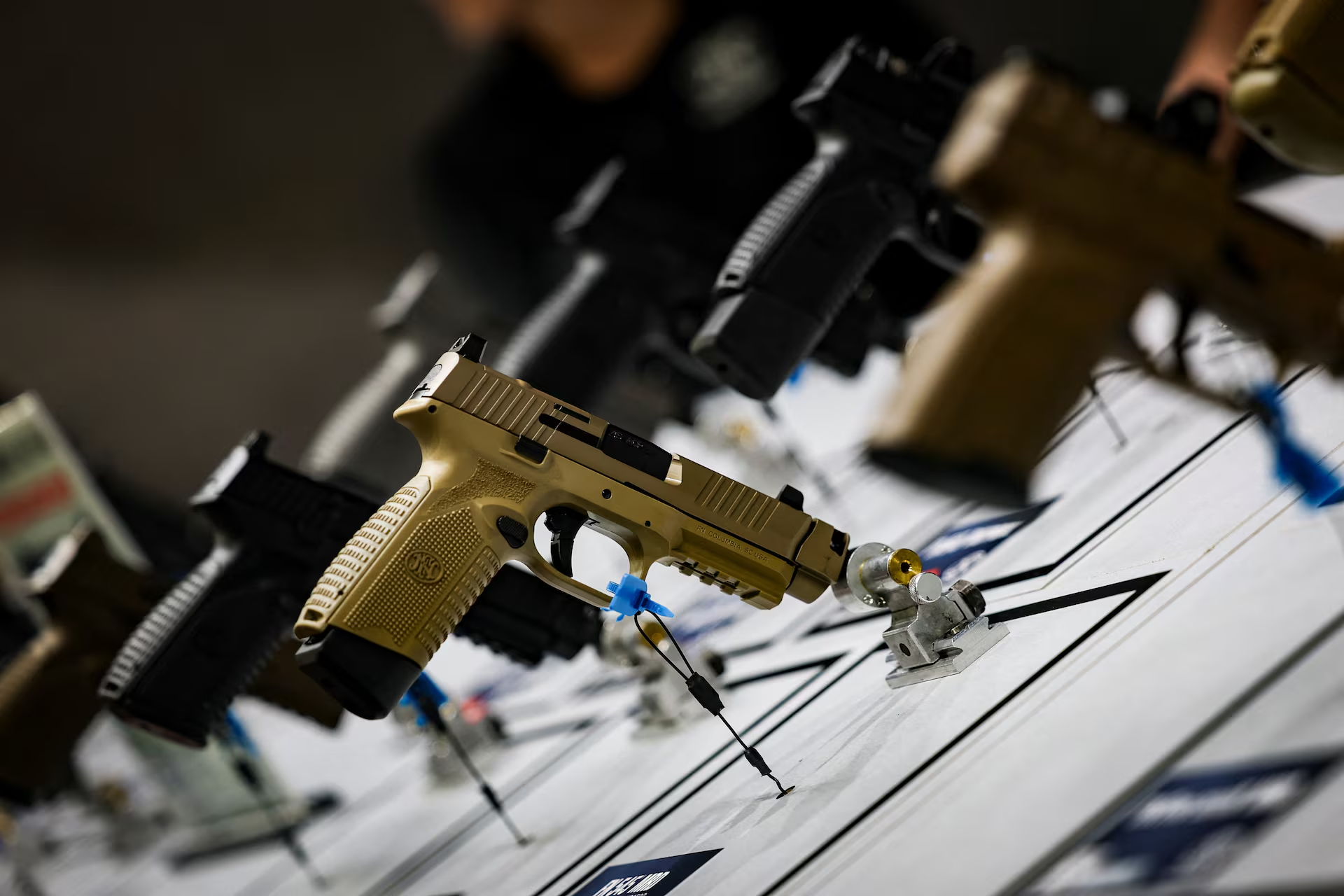
The legal foundation of the dispute comes from the Gun Control Act of 1968, which prohibits firearm possession by individuals who are unlawful users of or addicted to controlled substances. For decades, this law was interpreted broadly by federal prosecutors, often extending firearm restrictions to anyone with evidence of drug use, including marijuana.
However, as marijuana laws across many US states evolved and public attitudes shifted, enforcement of this federal restriction became increasingly controversial. Some states legalized marijuana for medical or recreational use, creating a legal conflict between state permissiveness and federal prohibition.
In this case, federal authorities charged Hemani after an FBI search uncovered both a firearm and drugs in his home. Prosecutors argued that his regular marijuana use placed him under the category of unlawful drug user, making his firearm possession illegal under federal law.
The Court’s Unanimous Decision
In a rare 9 to 0 ruling, the Supreme Court of the United States sided against the government’s broad interpretation of the law. Justice Neil Gorsuch, writing for the court, emphasized that prosecutors failed to demonstrate that Hemani’s conduct met the constitutional threshold required under the Second Amendment.
The court concluded that the government did not provide sufficient evidence that Hemani was either addicted to drugs or posed a demonstrable danger to himself or others due to his marijuana use. This distinction became central to the ruling, as it limited the ability of federal authorities to impose blanket firearm bans without individualized justification.
The court also referenced evolving Second Amendment standards established in a 2022 precedent, which requires gun regulations to align with historical traditions of firearm control in the United States.
Why Marijuana Use Alone Was Not Enough
A key element of the decision was the court’s rejection of the idea that marijuana use alone automatically makes a person dangerous or unfit to own a firearm. The government had argued that habitual drug users should be treated similarly to historical laws targeting “habitual drunkards,” who were sometimes temporarily disarmed.
Justice Gorsuch rejected this comparison, noting that historical laws addressed different behaviors under different legal frameworks. The court found that the analogy was insufficient to justify modern firearm prohibitions.
This reasoning significantly narrows how federal prosecutors can apply the Gun Control Act moving forward. Instead of assuming danger based solely on drug use, the government must now show a more direct link between behavior and risk.
The Broader Political and Legal Context
The ruling arrives at a time when gun regulation remains one of the most polarizing issues in American politics. Organizations such as the National Rifle Association have long advocated for stronger protections of firearm ownership rights, while civil liberties groups such as the American Civil Liberties Union have pushed back against what they view as overcriminalization.
The case also gained attention due to its connection, at least indirectly, to high profile prosecutions under the same statute. One widely cited example involved Hunter Biden, who was convicted under the same federal law related to firearm possession and drug use.
Against this backdrop, the Supreme Court’s ruling signals a potential shift toward stricter scrutiny of federal gun restrictions that rely on categorical assumptions rather than individualized evidence.
The Government’s Argument and Its Collapse
During proceedings, the Justice Department defended the law by arguing that it should apply broadly to habitual users of illegal drugs. Prosecutors attempted to frame marijuana users as a group that could reasonably be considered high risk, especially when possessing firearms.
However, the court found that the government’s position lacked consistency. At one point during litigation, federal attorneys softened their stance, suggesting possible exemptions for state legal medical marijuana users or FDA approved products. This shift weakened the government’s argument and contributed to the court’s conclusion that the law was being applied inconsistently.
The court also noted that the government failed to demonstrate any specific evidence that Hemani was intoxicated at the time of firearm possession or that his drug use had directly contributed to dangerous behavior.
Lower Court Precedent and the Turning Point
Before reaching the Supreme Court, the case had already been dismissed by the New Orleans based 5th U.S. Circuit Court of Appeals. That court ruled that the firearm ban could not be applied unless a person was actively under the influence of drugs while in possession of a firearm.
This narrower interpretation effectively limited federal enforcement power and set the stage for the Supreme Court to weigh in on a broader constitutional question.
The Supreme Court ultimately did not fully endorse the appellate court’s rule, but it agreed with the core principle that mere marijuana use is not sufficient justification for automatic firearm prohibition.
Implications for Millions of Americans
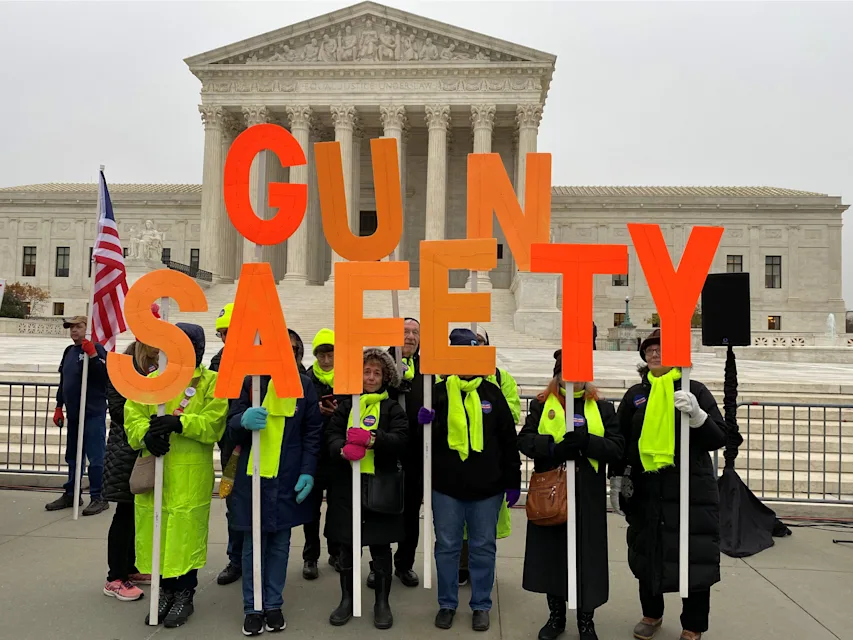
One of the most significant aspects of the ruling is its potential impact on the estimated millions of Americans who use marijuana while also legally owning firearms under state law. With nearly half of US adults reporting some lifetime marijuana use, the ruling could dramatically reduce the scope of federal prosecutions under the Gun Control Act.
Civil liberties advocates argue that the decision protects constitutional rights from overly broad enforcement. The American Civil Liberties Union praised the ruling, stating that it prevents the government from making sweeping assumptions about danger without evidence.
However, critics warn that the ruling could create enforcement gaps, especially in cases where drug use and firearms overlap in potentially dangerous circumstances.
Marijuana Law Evolution and Federal Conflict
The ruling also intersects with ongoing changes in marijuana regulation. Marijuana remains federally classified under the Controlled Substances Act, although enforcement priorities have shifted over time.
Recent policy changes have reclassified certain marijuana products as less dangerous, reflecting a broader national trend toward legalization and decriminalization. This evolving legal landscape has created uncertainty about how federal firearm restrictions should be applied.
The Supreme Court acknowledged this tension but declined to define precise boundaries for future cases, leaving room for additional litigation.
What Comes Next for Gun Law in the United States
Legal analysts expect the ruling to influence future Second Amendment cases, particularly those involving categorical bans. The court is already expected to rule on another major firearm case involving restrictions on carrying guns on private property open to the public.
This suggests a broader judicial trend toward tightening the standards required for firearm regulation, emphasizing historical precedent and individualized risk over broad classifications.
The decision also signals that future challenges to gun laws will likely focus on whether the government can demonstrate direct evidence of danger rather than relying on general assumptions about behavior or lifestyle.
A Turning Point in Second Amendment Interpretation
Ultimately, the ruling represents more than a technical interpretation of drug and firearm law. It reflects the ongoing transformation of Second Amendment jurisprudence in the United States.
By narrowing how federal law can be applied to marijuana users who own firearms, the Supreme Court of the United States has reinforced a legal standard that prioritizes specific evidence over broad classification.
The decision leaves unresolved questions about how other controlled substances will be treated, and whether future courts will extend similar reasoning to other categories of firearm restrictions. What is clear, however, is that this ruling marks a significant moment in the evolving balance between public safety regulation and constitutional gun rights in America.