
Table of Contents
- A Family Tragedy Inside An Indiana Home
- The Arrest And The Charges
- What Police Found At The Scene
- Witnesses Said Holmes Feared An Intruder
- Holmes’ Account To Detectives
- The Role Of Fear Inside The Home
- A Daughter Lost At 17
- Why Reckless Homicide Matters In This Case
- The Broader Warning About Firearms At Home
- A Case That Leaves Painful Questions
- What Happens Next
A Family Tragedy Inside An Indiana Home
A heartbreaking case out of Anderson, Indiana, has shaken the community after a mother was arrested following the fatal shooting of her 17-year-old daughter. Police say the mother believed someone had entered her home when she fired a gun, only to later discover that the person she shot was her own child.
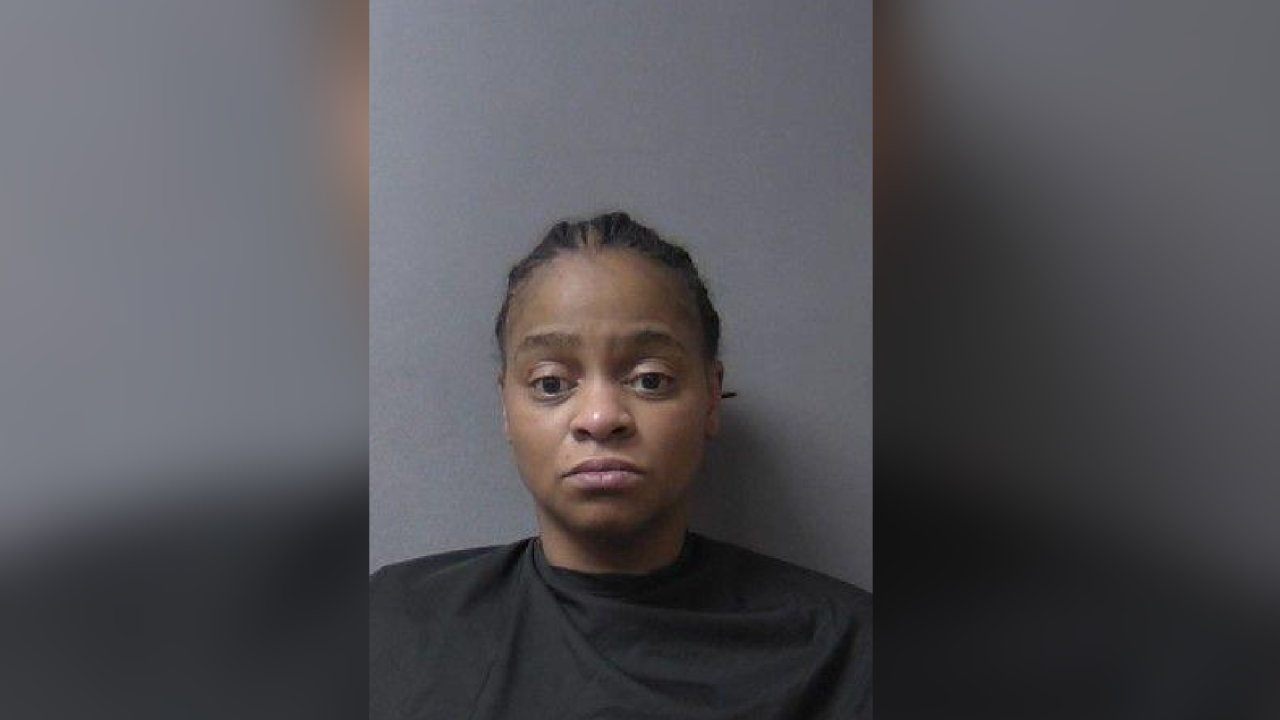
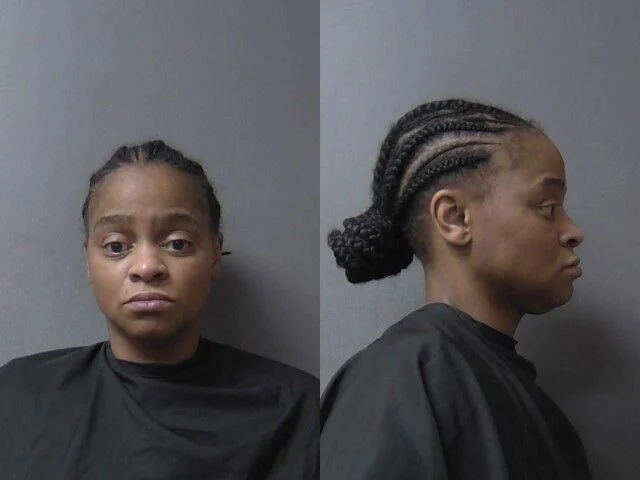
The mother, identified as 38-year-old Tia Holmes, was arrested on preliminary felony charges of neglect of a dependent and reckless homicide. Her daughter, identified by the Madison County Coroner’s Office as Tianna Harris, died after suffering a gunshot wound inside the family residence.
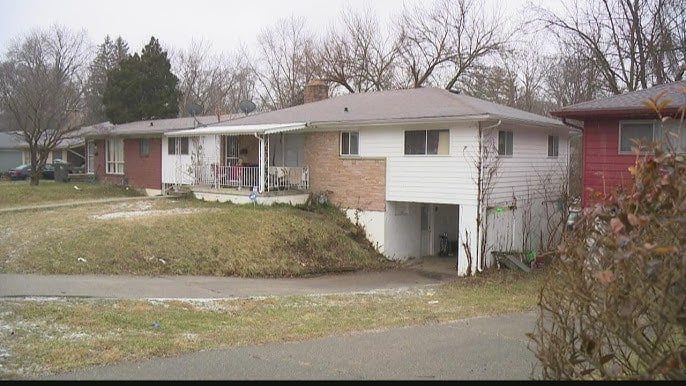
The shooting happened in the early morning hours of December 28, 2025. Officers with the Anderson Police Department responded to the home around 5 a.m. after receiving a report that someone had been shot. When they arrived, they found Harris wounded. She later died that evening.
What makes the case especially painful is the claim that Holmes thought she was confronting an intruder. According to court documents, witnesses told investigators that Holmes had been worried that someone was inside the house before the shooting occurred. After the gun went off, one witness recalled Holmes reacting in shock and saying that she did not know it was her daughter.
The case now raises difficult questions about fear, firearms, judgment, household safety, and what can happen when panic meets a loaded weapon.
The Arrest And The Charges
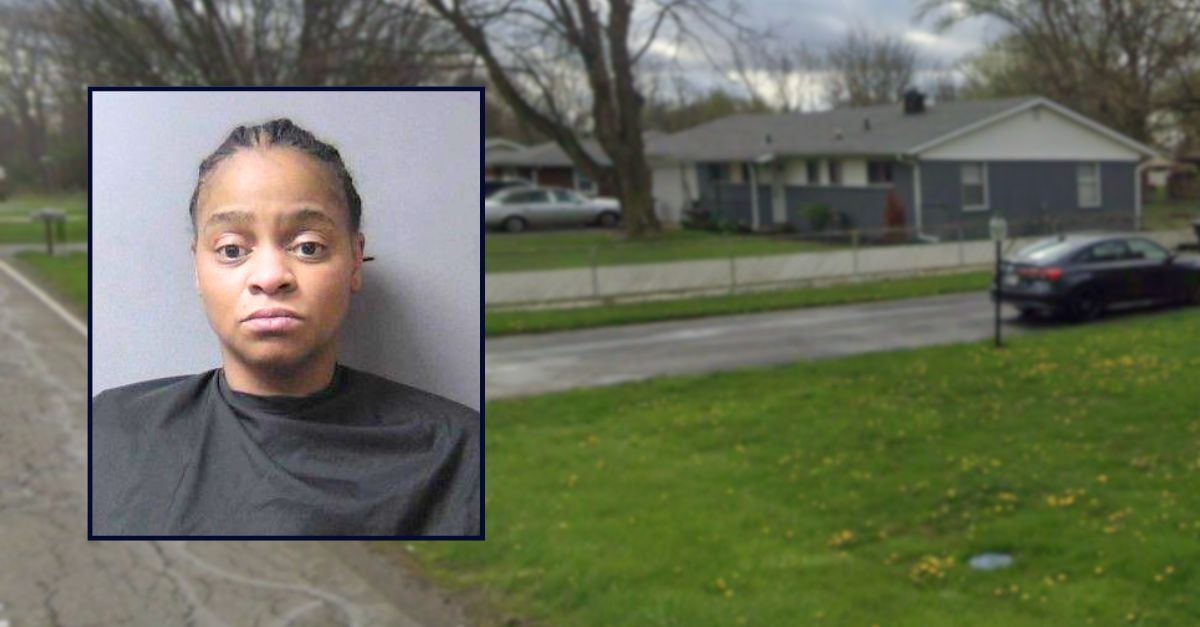
Tia Holmes was arrested after detectives interviewed her on January 5. Officials said she was booked into the Madison County Jail on preliminary charges of neglect of a dependent and reckless homicide. Both are felony charges.
At this stage, the charges are allegations, and the legal process must still determine what happened and whether Holmes will be formally convicted of any crime. It was not immediately clear from the provided report whether she had entered a plea or retained legal representation.
The chief deputy prosecutor for the Madison County Prosecutor’s Office confirmed the arrest and the preliminary charges. The case is now expected to move through the criminal justice system, where prosecutors, defense attorneys, investigators, and the court will examine the facts.
Reckless homicide generally involves a death that prosecutors believe resulted from reckless conduct rather than a deliberate intent to kill. Neglect of a dependent may involve allegations that a caregiver failed in a legal duty of care. In this case, prosecutors will likely focus on how the firearm was handled, why it was fired, and whether the shooting could have been prevented.
The arrest does not erase the grief of the family. It also does not answer every question. But it does show that authorities believe the circumstances of the shooting rise to the level of criminal investigation and prosecution.
What Police Found At The Scene
Anderson police officers arrived at the home around 5 a.m. on December 28 after receiving a report of a shooting. Inside the residence, they found 17-year-old Tianna Harris suffering from a gunshot wound.
The details provided indicate that Harris was still alive when officers arrived but later died that evening. Her death was later confirmed by the Madison County Coroner’s Office.
According to court documents referenced in the report, Holmes was not the only person inside the home when the shooting happened. Detectives believe there were two other people present inside the residence at the time.
That detail became important because investigators were able to speak with witnesses who described what they saw and heard before and after the gunshot. Their accounts helped detectives build a timeline of the evening and the moments leading up to the fatal shooting.
Witness statements can be powerful in a case like this because they may reveal the emotional atmosphere inside the home before the incident. In this case, witnesses reportedly described Holmes as worried that someone was inside the house.
Witnesses Said Holmes Feared An Intruder
According to the probable cause affidavit described in the report, one witness identified themselves as the victim’s sibling. That witness told detectives that Holmes often claimed to see shadows or believed someone was there.
The witness said that when Holmes suspected an intruder was inside the home, she would usually look for her weapon and investigate. The witness also reportedly made a strong statement to detectives, saying Holmes killed Harris because she did not know how to calm down.
A second witness told investigators that Holmes had been walking around the residence earlier that evening and appeared to be looking for an intruder. That witness recalled Holmes saying she felt like someone was there.
The witness said they told Holmes that nobody was inside the home and that she needed to calm down. After that, the witness reportedly fell asleep and later woke up to the sound of a gunshot.
When the witness woke up, they found Harris suffering from the gunshot wound. The witness then recalled Holmes saying that she did not know it was her daughter and thought someone was trying to get into the home.
These statements are central to the case because they suggest that the shooting may have happened during a moment of fear and confusion. But fear alone does not automatically answer the legal question. Investigators must still examine whether firing the gun was reasonable, reckless, preventable, or criminal under Indiana law.
Holmes’ Account To Detectives
When detectives interviewed Holmes on January 5, she reportedly gave her own account of what happened. She said she had fallen asleep in the living room and later woke up after hearing strange noises.
According to the documents, Holmes said she grabbed a handgun that she kept under her mattress. She then began what she described as a sweep of the home.
Holmes reportedly told investigators that she believed she saw a shadow. After seeing the shadow, she fired the gun. Moments later, she realized she had shot her daughter after hearing a grunting noise and turning on the light.
That account paints a picture of a mother reacting to what she believed was a threat. But it also shows the danger of moving through a home with a loaded firearm and firing at a shadow without clearly identifying the person in front of the weapon.
In firearm safety discussions, one of the most basic principles is knowing the target before pulling the trigger. This case shows why that principle matters. A home can be dark. Family members can move around quietly. Shadows can be misleading. Fear can make the mind fill in details that are not actually there.
The legal system will now have to weigh Holmes’ stated fear against the outcome and the choices that led to the fatal shot.
The Role Of Fear Inside The Home
The court documents described in the report suggest that Holmes had ongoing fear that someone might be inside her house. One witness reportedly told detectives that Holmes frequently worried that her ex-husband was in the home.
The same witness said Holmes had a protective order against him. That detail may become part of the broader context of the case, especially if the defense argues that Holmes was afraid because of past concerns or perceived threats.
Still, the existence of fear does not automatically make every action legally justified. The central issue is whether her response was reasonable and safe under the circumstances.
Fear can become dangerous when paired with a loaded gun. A person who believes danger is present may react quickly, but quick reactions can become tragic when the situation is misunderstood. In this case, the person Holmes allegedly believed was an intruder was actually her 17-year-old daughter.
That is why the case is not only about criminal charges. It is also about how fear changes decision making. It asks what happens when someone feels unsafe in their own home and chooses to investigate with a firearm instead of waiting, calling for help, turning on lights, confirming who is present, or moving to a safer location.
A Daughter Lost At 17
At the center of the case is Tianna Harris, a teenager whose life ended inside her own home. While much of the public discussion may focus on the mother, the charges, and the circumstances of the shooting, the victim must not be reduced to only a legal detail.
Harris was 17 years old. She was young, and according to the information provided, she was inside the residence when she was shot. Her death has now become the subject of a criminal case that will likely be painful for everyone connected to the family.
Cases involving accidental or mistaken shootings inside homes are especially devastating because the person killed is often someone the shooter knew and loved. The emotional shock is difficult to imagine. A moment of panic can leave a family permanently changed.
The public may debate responsibility, gun safety, mental state, and the justice system. But beneath all of that is a teenager who did not survive the night. That fact is the deepest tragedy in the story.
Why Reckless Homicide Matters In This Case
The reckless homicide charge is important because it suggests prosecutors are not necessarily claiming that Holmes intentionally set out to kill her daughter. Instead, the charge indicates that authorities believe her actions may have been reckless enough to create criminal responsibility for the death.
Recklessness often involves disregarding a serious risk. In a home with other people inside, firing a gun at a shadow could be viewed by prosecutors as a dangerous decision. The presence of family members, the lack of clear identification, and the choice to shoot may all become key issues.
The neglect of a dependent charge may also focus on the relationship between Holmes and Harris. Since Harris was 17, she was still legally a minor. Prosecutors may argue that Holmes had a duty to protect her and that the handling of the firearm violated that duty.
The defense may argue that Holmes genuinely believed someone was breaking into the house or that she acted out of fear for her safety. The court will have to consider all available evidence, including witness statements, Holmes’ interview, the physical scene, and any history that may explain her state of mind.
This is what makes the case complex. It is not simply a question of whether a gun was fired. It is a question of whether the decision to fire was criminally reckless.
The Broader Warning About Firearms At Home
This case has become a chilling reminder of how dangerous firearms can be inside a home when panic takes control. Many people keep guns for protection, believing they may need to defend themselves or their family from an intruder. But a firearm meant for protection can become deadly when the threat is misidentified.
Homes are rarely as simple as they appear in self-defense scenarios. Family members wake up at night. Teenagers move through hallways. Guests may be present. A dark room can create shadows. A noise can sound more threatening than it is. In those moments, the decision to fire must be made with extreme caution.
The tragedy in Anderson shows why safety training, secure storage, communication, and calm response plans matter. A person who keeps a gun in the home should also have a clear plan for what to do during a suspected intrusion. That plan should include identifying the target, knowing where family members are, calling emergency services when possible, and avoiding blind firing.
No article can undo what happened to Tianna Harris. But stories like this force the public to confront the real life risks of fear based decisions involving firearms.
A Case That Leaves Painful Questions
The death of Tianna Harris and the arrest of Tia Holmes leave behind questions that may take months or longer to answer in court. Did Holmes truly believe there was an intruder? Could she have taken another action before firing? Were there warning signs that fear inside the home was becoming dangerous? Did the presence of a firearm make a frightening moment fatal?
The court process will focus on evidence and legal standards. The community will likely focus on grief, shock, and the unsettling reality that a teenager was killed in a place where she should have been safe.
This case is painful because it does not fit neatly into a simple category. It is not being described as a planned attack. It is not a traditional burglary case. It is a family tragedy involving fear, a firearm, and a mistaken belief that someone had entered the home.
That combination makes the story difficult to read and even harder to forget.
What Happens Next
Holmes remains in custody following her arrest, according to the information provided. The next steps will likely include formal court proceedings, possible charging decisions, hearings, and further review of the evidence.
Prosecutors will need to prove their case based on the law and the facts. Holmes will have the right to defend herself against the allegations. Witnesses may be called. Investigators may present physical evidence from the home. The court may also examine her statements, her state of mind, and the reported concerns about an intruder.
For now, the public record describes a mother accused of fatally shooting her daughter after believing someone was inside the house. It is a case built around one terrible moment, but it reaches into bigger issues of family safety, firearm responsibility, and the consequences of panic.
In the end, the case is more than a headline about an arrest. It is a warning about how quickly fear can become irreversible when a gun is involved. It is also a reminder that every person behind a criminal case is connected to a family, a history, and a loss that cannot be repaired by any court decision.
The legal process may determine accountability, but it cannot bring back a 17-year-old girl whose life ended inside her own home.