

Table of Contents
- A New Turn In The Laken Riley Case
- The Conviction That Shook Georgia
- Why A Mental Evaluation Was Requested
- The Jury Trial Waiver Question
- Prosecutors Did Not Oppose The Request
- What The Judge Wants To Know
- The Legal Fight For A New Trial
- A Case That Entered National Politics
- Remembering Laken Riley
- Why Competency Matters In Criminal Cases
- What Could Happen Next
- A Legal Question With National Attention
A New Turn In The Laken Riley Case
A Georgia judge has ordered a mental evaluation for Jose Ibarra, the Venezuelan man convicted of killing nursing student Laken Riley, adding a new and dramatic turn to a case that has already drawn national attention.
Ibarra was found guilty in November of murder and other crimes connected to Riley’s death in February 2024. He was sentenced to life in prison without the possibility of parole. Now, as his lawyers seek a new trial, they have asked the court to examine whether he had the mental capacity to understand the legal proceedings against him.
The order was issued by Clarke County Superior Court Judge H. Patrick Haggard and sent to the Georgia Department of Behavioral Health and Developmental Disabilities. The evaluation is expected to focus on whether Ibarra understood the trial process, whether he could assist his attorney, and whether he was capable of knowingly waiving his right to a jury trial.
The development does not erase the conviction. It also does not mean a new trial has been granted. But it opens a new legal question in a case that has remained at the center of public debate, legal scrutiny, and national political discussion.
The Conviction That Shook Georgia
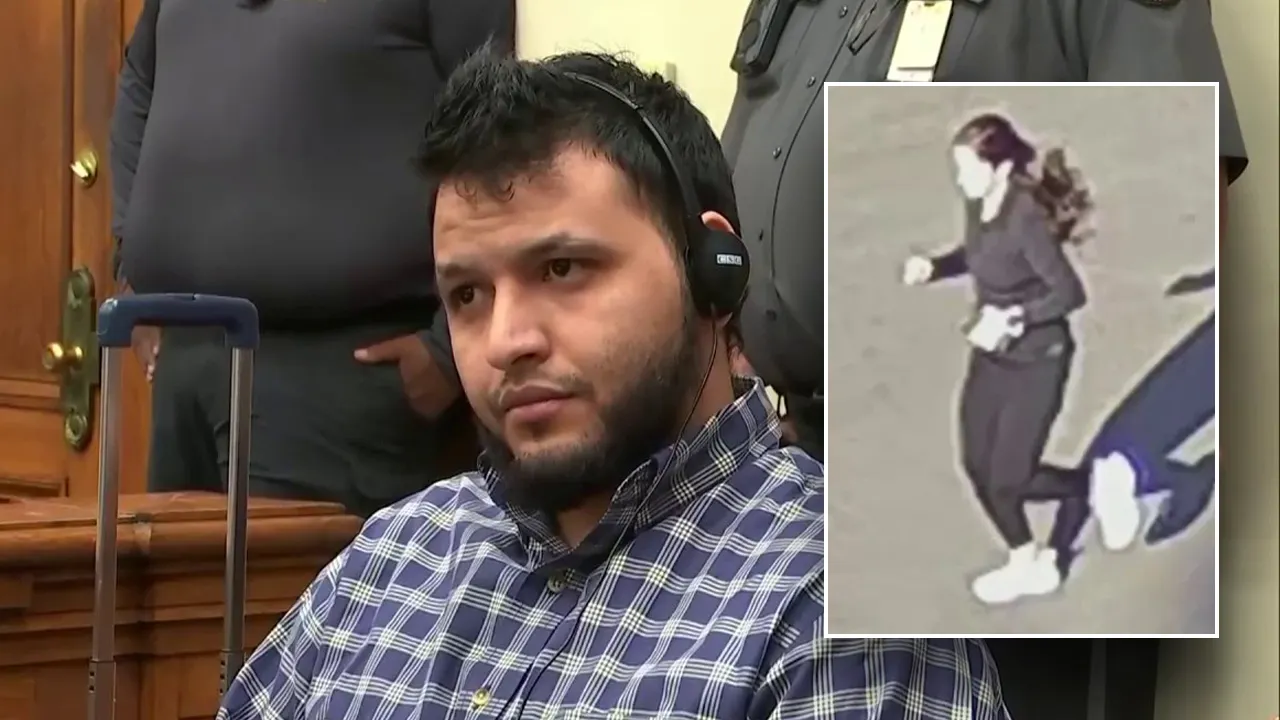
Jose Ibarra was convicted on November 20 after a bench trial, meaning no jury decided the case. Instead, Judge Haggard heard the evidence and issued the verdict.
Prosecutors said Ibarra encountered Laken Riley while she was running on the University of Georgia campus on February 22, 2024. According to the prosecution, Riley was killed during a struggle. She was 22 years old and was a student at Augusta University College of Nursing, which also has a campus in Athens.
The killing shocked the Athens community and quickly spread far beyond Georgia. Riley’s death became part of a larger national conversation about campus safety, violent crime, immigration policy, and the criminal justice system.
After the conviction, Ibarra was sentenced to life in prison without the possibility of parole. For many following the case, that appeared to be the end of the main trial stage. But the new request from his post-conviction lawyers shows that the legal battle is not over.
Why A Mental Evaluation Was Requested
Ibarra’s post-conviction attorneys, James Luttrell and David Douds, asked the judge to order a mental evaluation as part of their effort to seek a new trial.
In a court filing, the attorneys argued that they believe Ibarra may suffer from what they described as a congenital deficiency. They claimed this could have made him incapable of preparing a defense and standing trial.
Their filing also argued that Ibarra lacks the mental capacity to understand the proceedings. According to the attorneys, they believe that was true at the time of Riley’s killing, during the trial, and in the current post-conviction process.
These are legal claims from the defense, not final findings by the court. The purpose of the evaluation is to examine whether those concerns have support.
The judge’s order asks state mental health officials to evaluate Ibarra with the help of a Spanish-language interpreter. That detail matters because the court wants to know whether language, comprehension, or mental capacity affected his ability to participate in the legal process.
The Jury Trial Waiver Question
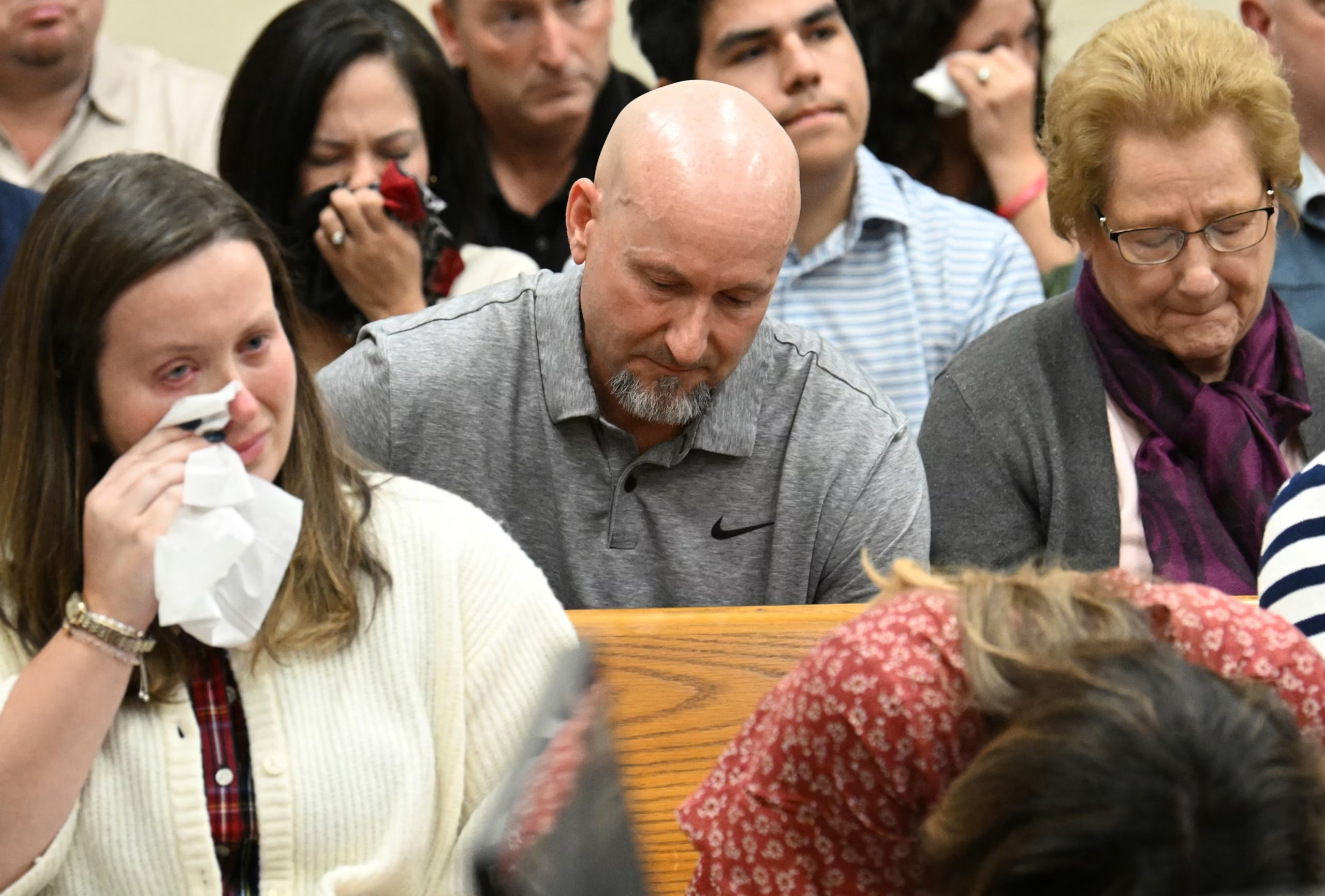
One of the most important issues in the new filing is Ibarra’s decision to waive his right to a jury trial. Because he waived that right, the case was decided by a judge instead of a jury.
His attorneys now argue that a criminal defendant must personally and intelligently participate in giving up the constitutional right to a jury trial. In their view, the question is whether Ibarra truly understood what he was giving up.
That could become a major point in the request for a new trial. If a defendant does not fully understand the waiver of a jury trial, defense attorneys may argue that the trial process was legally flawed.
The defense also noted that Ibarra’s trial attorney did not request a competency evaluation before trial. Their argument suggests that this issue should have been examined earlier.
A mental evaluation could help determine whether Ibarra was capable of understanding the pretrial proceedings, the jury waiver, the trial itself, and the post-conviction process now unfolding.
Prosecutors Did Not Oppose The Request
Prosecutor Sheila Ross responded to the defense request in a court filing. She wrote that there had been no challenges or concerns about Ibarra’s competency before trial. She also stated that nothing in the trial record suggested Ibarra was not competent during his trial.
Even with that position, Ross did not oppose the request for a competency evaluation.
That response is significant. It does not mean prosecutors agree with the defense claims. It means they are not blocking the evaluation from happening.
In serious criminal cases, especially cases involving life sentences, courts often want a clear record. If a defendant is claiming that mental capacity affected the trial, an evaluation can help address that claim directly.
The prosecution may still argue later that Ibarra was competent and that the conviction should stand. For now, the evaluation gives both sides a clearer path to examine the issue.
What The Judge Wants To Know

Judge Haggard’s order asks the Department of Behavioral Health and Developmental Disabilities to answer several key questions.
First, the judge wants to know whether Ibarra was capable of understanding the pretrial proceedings involving the waiver of his right to a jury trial. Second, the judge wants to know whether Ibarra understood the trial itself. Third, the court wants to know whether he was capable of assisting his attorney in preparing a defense.
The judge also wants to know whether Ibarra understands the current post-conviction proceedings and whether he can help prepare his defense at this stage.
These questions go to the heart of legal competency. The law does not only ask whether a person committed a crime. It also asks whether the person had the mental ability to understand the court process and participate in a meaningful way.
That does not mean a defendant must understand every legal detail like an attorney. But a defendant must generally understand the nature of the proceedings and be able to assist counsel.
The Legal Fight For A New Trial
Ibarra’s attorneys filed a motion for a new trial on December 2, shortly after his conviction. That motion is now part of the post-conviction process.
Under Georgia law, a notice of appeal must generally be filed within 30 days after a conviction becomes final. A conviction becomes final at sentencing or after the denial of a motion for a new trial, whichever comes later. Because Ibarra filed a motion for a new trial, the appeal timeline is effectively extended.
That makes the mental evaluation important. The defense may use its findings to support their argument that the conviction should be reviewed or that a new trial should be considered.
However, a mental evaluation does not automatically lead to a new trial. It is one step in a larger process. The court will review the findings, hear arguments, and determine what legal weight the evaluation should carry.
For Riley’s family and supporters, this stage may be painful because it keeps the case active in court. For the defense, it is part of the legal process available after a conviction.
A Case That Entered National Politics

Laken Riley’s killing became part of the national immigration debate during the presidential campaign. Federal immigration authorities said after Ibarra’s arrest that he had entered the United States illegally in 2022 and had been allowed to stay while pursuing his immigration case.
The case was repeatedly discussed in political conversations about border security, public safety, and immigration enforcement. It became one of the most cited examples used by those calling for tougher detention rules involving unauthorized immigrants accused of crimes.
In January, President Donald Trump signed the Laken Riley Act into law. The law requires the detention of unauthorized immigrants accused of theft and violent crimes.
For supporters of the law, Riley’s death became a symbol of what they view as failures in immigration enforcement. For critics, the political use of individual criminal cases often raises concerns about broad generalizations and fear-based policy.
Either way, the case moved beyond a Georgia courtroom. It became part of a national argument about law, safety, and immigration.
Remembering Laken Riley
At the center of this case is Laken Riley, a 22-year-old nursing student whose life ended while she was out for a run.
Riley was studying at Augusta University College of Nursing. The school has a campus in Athens, located about 70 miles east of Atlanta. Her death devastated her family, classmates, and the wider community.
Legal filings, political debates, and courtroom arguments can sometimes make a case feel distant. But this case began with the loss of a young woman who had a future, a family, and a career path in nursing.
Every new legal development brings attention back to the courtroom, but it also brings attention back to Riley’s death. For her loved ones, the case is not only about legal procedure. It is about grief, justice, and the pain of losing someone in a violent crime.
Why Competency Matters In Criminal Cases
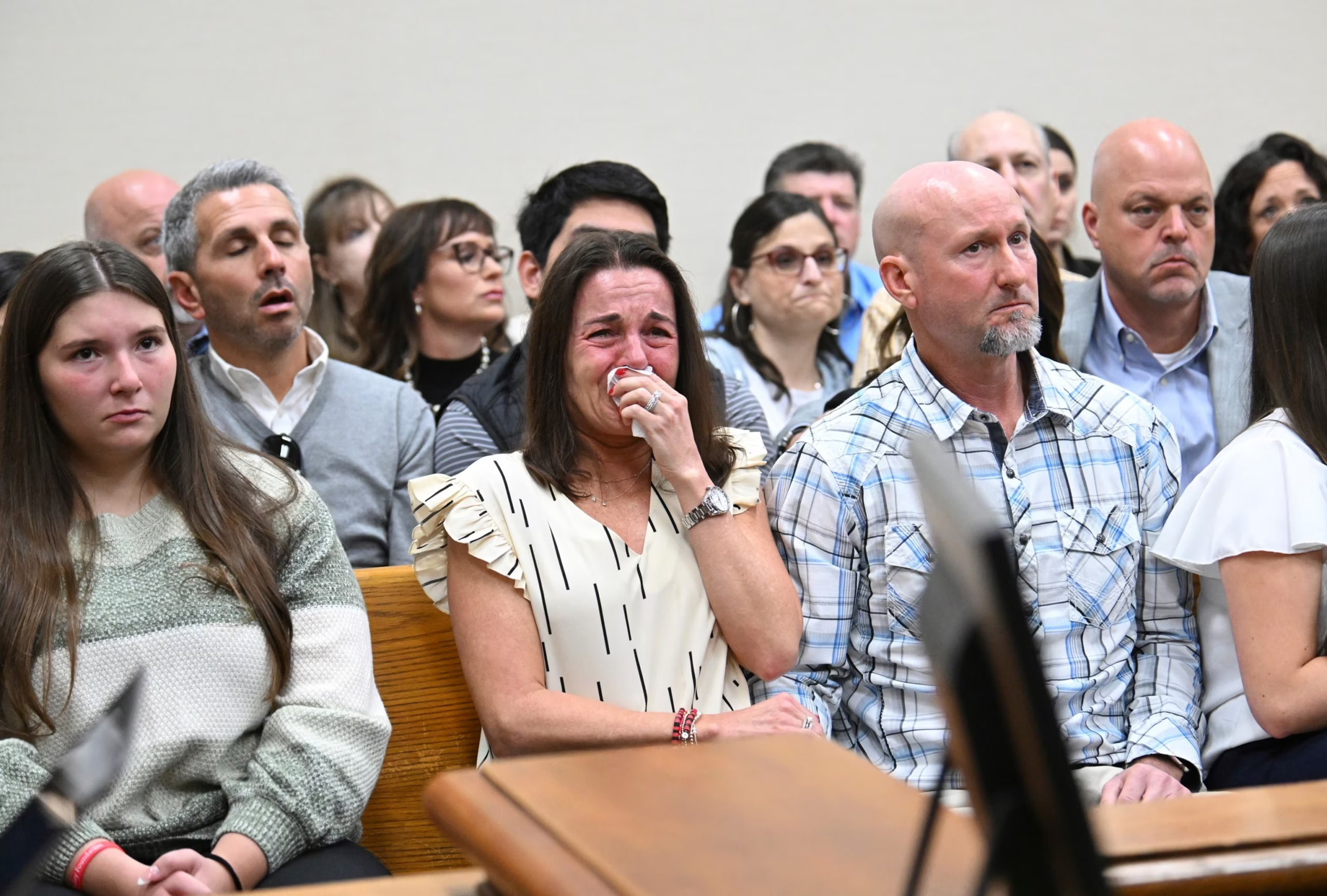
Competency evaluations are not unusual in serious criminal cases, but they can be highly consequential. A defendant must be able to understand what is happening in court and assist in their own defense.
If a defendant is not competent, legal proceedings can be delayed or reviewed. If a court later finds that a defendant was not competent during trial, that can become a major issue in post-conviction litigation.
In Ibarra’s case, his attorneys are not only raising questions about his current condition. They are also questioning whether he was competent during earlier stages of the case, including the decision to waive a jury trial.
That makes the evaluation especially important. It may influence how the court views the fairness of the original trial process.
Still, the evaluation is only evidence. The judge must decide how to interpret it. Prosecutors may challenge the defense position, and the court may ultimately find that the conviction remains valid.
What Could Happen Next
The next step is for state mental health officials to evaluate Ibarra and report their findings to the court. The evaluation is expected to involve a Spanish-language interpreter to make sure communication is properly assessed.
After the evaluation is completed, the court may hold further hearings or allow both sides to respond. The defense will likely use any favorable findings to support the motion for a new trial. Prosecutors may argue that the trial record shows Ibarra was competent and that the conviction should stand.
The judge will then have to decide what impact, if any, the evaluation has on the case.
For now, Ibarra remains convicted and sentenced to life in prison without parole. The mental evaluation does not change that status by itself. But it does create a new legal chapter in a case that has already carried enormous public weight.
A Legal Question With National Attention
The order for a mental evaluation adds another layer to a case that has never been only local. It involves a young nursing student killed on a college campus, a defendant convicted of murder, a post-conviction fight, and a broader national debate over immigration and public safety.
The court’s focus now is narrower than the political debate. It is not deciding immigration policy. It is not revisiting the national controversy. It is examining whether Jose Ibarra had the mental capacity to understand the legal process and participate in his defense.
That question may sound technical, but it matters deeply in the justice system. A conviction must be based not only on evidence of guilt, but also on a process that meets constitutional standards.
For Laken Riley’s family, the legal process continues after an already devastating loss. For Ibarra’s lawyers, the evaluation may become a central part of the fight for a new trial. For the public, the case remains a stark reminder of how one violent crime can reshape legal debates, political arguments, and the lives of everyone connected to it.
The final outcome of this new legal step is not yet known. What is clear is that the case of Laken Riley is still moving through the courts, and every new filing will be watched closely.