
Table of Contents
- A Fatal Encounter Near A Charlotte Food Lion
- Who Was Dennis Bodden?
- The Food Lion Call
- The Taser In The Median
- The Final Struggle At The Apartment Parking Lot
- Why The Officer Was Not Charged
- The Family’s Anger And Planned Lawsuit
- The Officer’s Previous Shooting
- The Mental Health Question
- A Case About Law, Tactics, And Trust
- What Happens Next
A Fatal Encounter Near A Charlotte Food Lion
A North Carolina police shooting that began with an alleged shoplifting call and ended with an unarmed man dead will not lead to criminal charges against the officer involved. Mecklenburg County District Attorney Spencer Merriweather announced that Pineville Police Sgt. Adam Roberts will not be charged in the fatal shooting of Dennis Bodden, a man accused of stealing wine and produce from a south Charlotte Food Lion.
The decision has brought renewed attention to the case because Bodden was unarmed when he was shot. The incident unfolded on May 14, 2024, after Roberts, who was working off duty in uniform as security near the shopping center, responded to a report involving a suspected shoplifter. What began as a low level retail theft call escalated into a physical confrontation across a road, a Taser deployment, a struggle with two officers, and eventually three gunshots.
Merriweather said the circumstances surrounding Bodden’s death were especially jarring, but concluded that a jury would likely not unanimously find that Roberts violated criminal law. The decision does not mean every tactic used that day has been endorsed. In fact, the district attorney wrote that the appropriateness of the sergeant’s tactics may be something for other authorities to evaluate, but said that question was outside the scope of his review.
For Bodden’s family, the decision is painful and unacceptable. His mother, Cleopatra Bodden, said the family plans to file a civil lawsuit against Pineville police and believes race played a role in her son’s death.
Who Was Dennis Bodden?
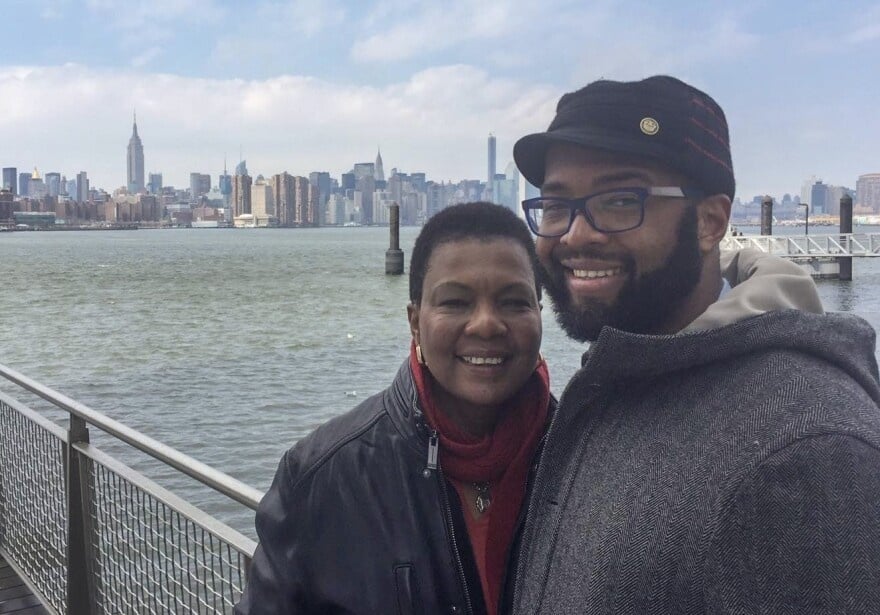
Dennis Bodden was more than the police report that described his final moments. According to his family, he was a New York state attorney who represented people with mental disabilities. He graduated from Rutgers University with a degree in biochemistry and later graduated from the Cardozo School of Law.
His family said his mental health began to deteriorate during the COVID-19 pandemic. In 2021, he was diagnosed with bipolar schizophrenia and later moved to Charlotte, where the weather was warmer. His family said he lived alone near the area where the shooting occurred.
That background has become an important part of the public discussion around the case. Bodden was not only an accused shoplifting suspect. He was also a man whose family says he had serious mental health struggles. His death has raised questions about how police respond to people who may not process commands, confrontation, or physical pursuit in the same way others might.
The situation grew from an alleged theft of about $84 worth of wine and produce. Within minutes, it became a deadly encounter. That contrast is one reason the case has drawn such strong reaction.
The Food Lion Call
On May 14, Sgt. Adam Roberts was working in uniform off duty at the McMullen Creek Shopping Center when police were called about a man allegedly shoplifting from the nearby Food Lion on Johnston Road.
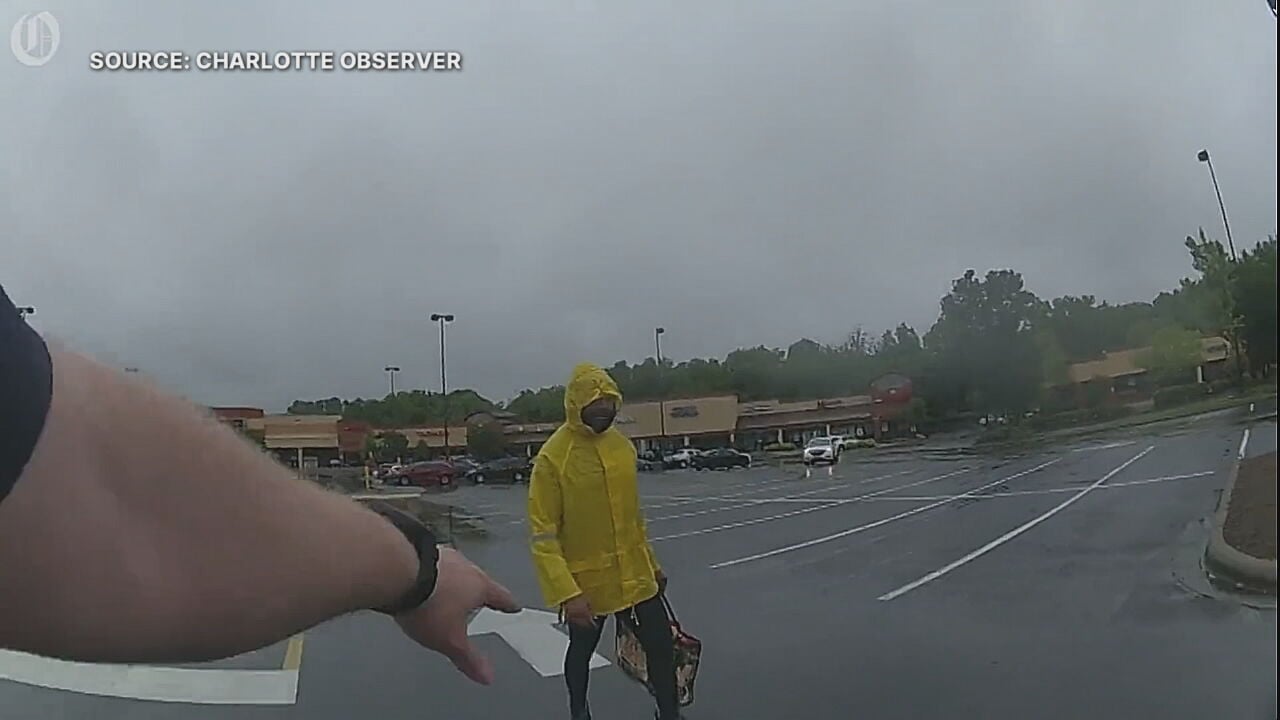
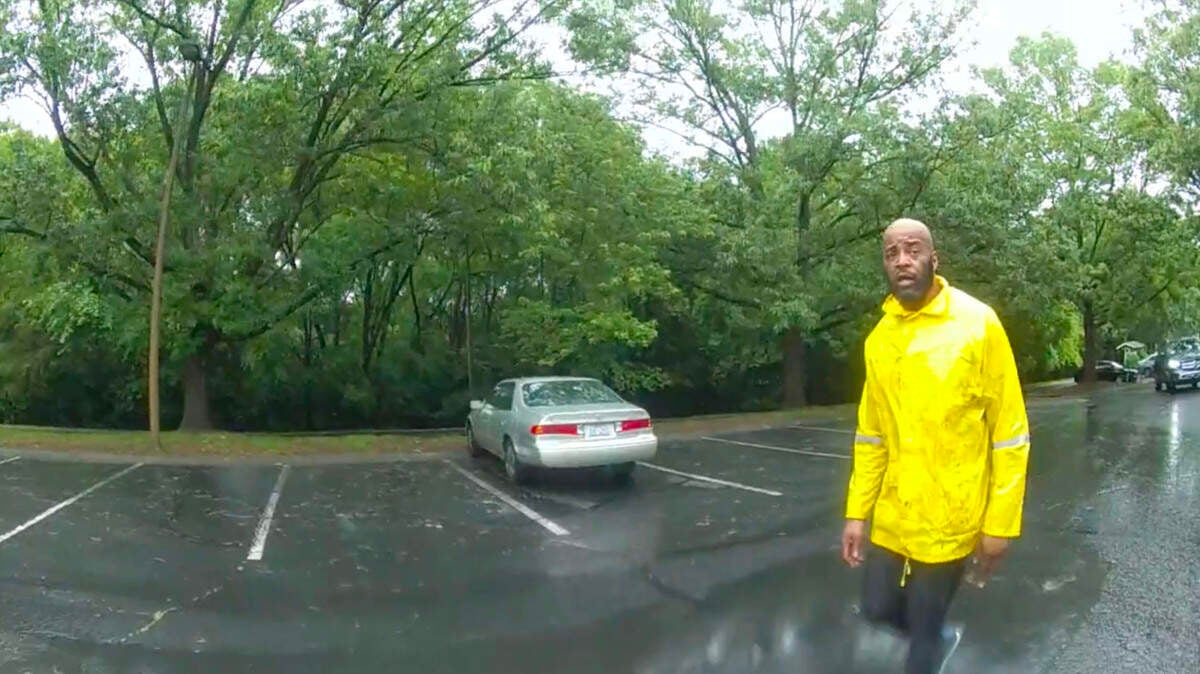
Police said Bodden was considered a chronic shoplifting suspect at that Food Lion and had felony warrants related to breaking and entering and stealing from the grocery store. Roberts responded to the call and saw Bodden walking through the parking lot wearing a yellow raincoat and carrying a bag of groceries.
According to the district attorney’s account, Roberts got out of his vehicle and twice said, “Stop, police,” at a moderate volume. Bodden was reportedly wearing headphones under the hood of his raincoat and did not respond.
Body camera footage showed Roberts preparing to physically stop Bodden. At that moment, Bodden turned around and let out what was described as a startled yell. The report said Bodden appeared to have been frightened by Roberts’ presence.
Roberts then drew his Taser and ordered Bodden to get on the ground. Instead, Bodden walked away. Roberts told dispatchers that Bodden had tried to push off on him, although the district attorney noted that body camera footage did not show substantial contact between the two men up to that point.
The Taser In The Median

The encounter moved from the shopping center toward Johnston Road. Bodden continued walking while Roberts followed him. At one point, Roberts pulled Bodden back from stepping into the road and told him not to walk into traffic. Bodden responded with “Sorry?” before crossing two lanes of Johnston Road.
Once they reached the median, Roberts fired his Taser at Bodden twice. The two men ended up on the ground, and Bodden bit Roberts on the arm during the struggle.
After that confrontation, Bodden abandoned the groceries and crossed the remaining lanes toward the Berkshire Place Apartments. His family said he lived alone at the apartment complex.
This stage of the encounter is important because it shows how quickly the situation escalated. Bodden was initially accused of shoplifting. The officer followed him from the store area, the encounter moved into the road, a Taser was used, and a physical fight followed.
To the district attorney, the legal question was whether the later shooting could be prosecuted as a crime. To Bodden’s family and critics of the police response, the earlier tactical decisions are also central. They are asking whether the pursuit, the Taser deployment, and the continued physical engagement made the final outcome more likely.
The Final Struggle At The Apartment Parking Lot
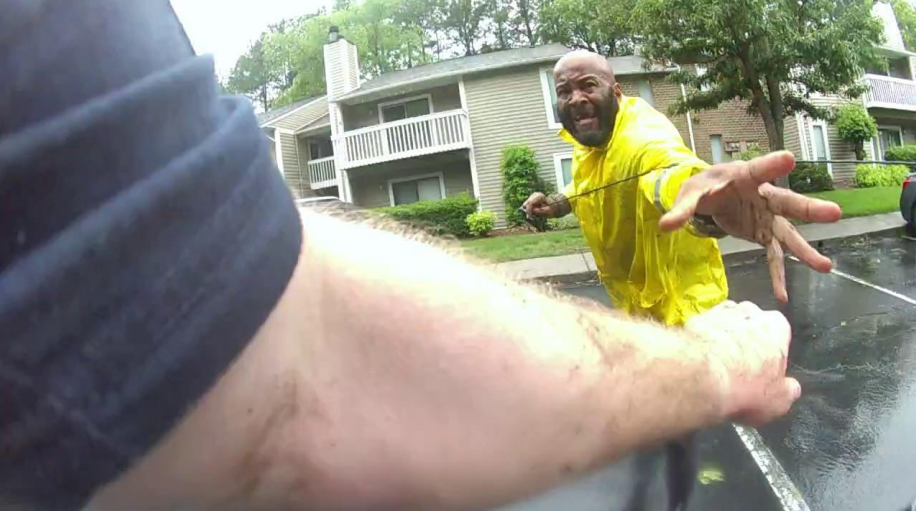
Another officer, Randall Down, arrived in the parking lot of the apartment complex. According to the district attorney’s report, Roberts pushed Bodden’s shoulder with one hand and told him, “You ain’t getting away, bro.” The two men then pushed each other, and Bodden began punching Roberts with clenched fists.
Body camera footage reportedly showed Bodden then charging at Officer Down. Down tried to use his Taser, but it was not successful. During the struggle, Bodden grabbed Down’s radio and pulled the cord tight.
Roberts then drew his firearm. Body camera footage showed Bodden reaching for the weapon before Roberts fired three times, killing him.
Roberts told investigators that he had “never been so scared in his life.” He said he believed Bodden was trying to take his gun and kill him, then kill Officer Down.
The district attorney’s review focused heavily on that moment. Under North Carolina law, police may be legally justified in using deadly force if they have an objectively reasonable fear of death or serious injury to themselves or others.
Why The Officer Was Not Charged
District Attorney Spencer Merriweather concluded that criminal charges were not likely to succeed. He wrote that while the circumstances were deeply troubling, there was no likelihood that twelve jurors would unanimously agree Roberts’ decision to fire his gun was a violation of criminal law.
That wording is important. Prosecutors do not only ask whether a situation was tragic or disturbing. They ask whether the evidence can prove a crime beyond a reasonable doubt. In police shooting cases, that often becomes difficult when officers claim they feared death or serious injury and when evidence shows a struggle over a weapon.
Merriweather’s decision does not settle every public concern. He specifically noted that the officer’s tactics may be appropriate for other authorities to evaluate. That means issues such as training, policy, supervision, or civil liability may still be examined outside the criminal charging process.
The Pineville Police Department said it supports and respects the due process involved in investigations conducted by a third party. The department also extended condolences to Bodden’s family.
The Family’s Anger And Planned Lawsuit
Dennis Bodden’s mother, Cleopatra Bodden, reacted with anger after learning no charges would be filed. She said the family intends to bring a civil lawsuit against Pineville police.
She also said she believes race influenced the shooting. In her view, her son would still be alive if he had been white. Her statement reflects the deep frustration many families feel when unarmed Black men are killed by police and no criminal charges follow.
A civil lawsuit would operate under a different legal standard than a criminal prosecution. Criminal cases require proof beyond a reasonable doubt. Civil cases often focus on whether rights were violated, whether excessive force was used, whether police policy was followed, and whether damages should be awarded.
For the family, a civil suit may become a path to seek accountability even after the district attorney declined to pursue charges. It may also bring more details into the public record through filings, depositions, and evidence review.
The Officer’s Previous Shooting
The case has drawn added attention because Sgt. Roberts was also involved in a previous police shooting in 2020. In that case, he was cleared after shooting and injuring Timothy Caraway, a Black man who said he was following police commands to drop his gun on a Pineville sidewalk.
According to the account provided, Caraway later filed a lawsuit against the department. He claimed he was walking to his grandmother’s house and was confused when police surrounded him and demanded he drop his weapon.
Police said a driver had called 911 to report a Black man with dreadlocks pointing a gun while walking along the road. In that incident, Roberts and another officer fired 12 shots in 3.5 seconds, according to The Charlotte Observer.
The previous shooting does not automatically determine what happened in the Bodden case. But it adds context to public scrutiny of Roberts’ record and the department’s handling of force incidents.
For communities concerned about police accountability, repeated involvement in shootings raises questions about training, judgment, supervision, and whether warning signs were properly reviewed after earlier incidents.
The Mental Health Question
Bodden’s family said he had been diagnosed with bipolar schizophrenia. That detail has become a major part of the public conversation around his death.
Mental health conditions can affect how a person responds to police commands, physical contact, fear, pain, or confusion. If someone is startled, wearing headphones, or already under stress, a sudden police confrontation may escalate faster than expected.
This does not mean officers can ignore safety concerns during a fight. But it does raise questions about whether different tactics might have slowed the encounter down before it became deadly.
The shooting began with an alleged shoplifting incident, not a report of a violent crime in progress. Critics may ask whether a different response could have been used once Bodden did not comply, especially if he appeared confused or frightened.
The district attorney’s review focused on whether Roberts committed a crime by firing his weapon. The broader public debate is about whether police systems are prepared to deal with people in crisis without turning minor incidents into fatal confrontations.
A Case About Law, Tactics, And Trust
The decision not to charge Sgt. Roberts shows the difference between legal justification and public confidence. A prosecutor may decide that a shooting cannot be proved criminal under state law. But the public may still question whether the encounter should have reached that point at all.
That gap is where trust often breaks down. Families want to know why an unarmed person accused of stealing groceries and wine ended up dead. Police and prosecutors point to the physical struggle and the officer’s fear that Bodden was reaching for a gun. Both details can be true at the same time, which makes the case legally complex and emotionally devastating.
Bodden’s death also highlights the role of body camera footage, witness statements, and officer accounts in modern police investigations. These records help prosecutors make decisions, but they may not satisfy families who believe the system protects officers more than victims.
The district attorney’s comment about tactics being ripe for review may become one of the most important parts of the case moving forward. Even without charges, there may still be questions about whether Roberts should have followed Bodden, how the Taser was used, why the encounter continued, and whether department policy needs to change.
What Happens Next
No criminal charges will be filed against Sgt. Adam Roberts in the death of Dennis Bodden. But the story is not over.
Bodden’s family says it plans to file a civil lawsuit. That legal action could examine the shooting from a different angle and may focus on excessive force, police tactics, race, mental health, and accountability.
The Pineville Police Department may also face pressure from the community, civil rights advocates, or local officials to review its policies. The district attorney’s decision leaves room for other authorities to evaluate the officer’s tactics, even though he will not face criminal prosecution.
For now, the case remains a painful example of how a suspected shoplifting call can become a deadly confrontation. Dennis Bodden was accused of taking $84 worth of items from a grocery store. He was unarmed. He struggled with officers. He was shot and killed in an apartment parking lot.
The criminal review has ended without charges. The larger questions have not ended at all.
For Bodden’s family, the decision is not closure. For police, it is a finding that the shooting did not meet the standard for criminal prosecution. For the public, it is another case forcing a difficult conversation about force, fear, race, mental health, and whether the law always answers the questions that grief leaves behind.