
Table of Contents
- A Historic Case Raises Global Attention
- What The Dutch Government Confirmed
- Why The Case Is Being Reviewed
- The Rule Change That Made This Possible
- Parental Consent And Medical Judgment
- Why This Issue Is So Controversial
- The Difference Between Adult And Child Cases
- Privacy Around The Child’s Identity
- What The Netherlands’ System Requires
- A Case That Forces Difficult Questions
A Historic Case Raises Global Attention
When Dutch officials confirmed that a terminally ill child under the age of 12 had been euthanized in the Netherlands, the news immediately drew international attention. The case is believed to be the first of its kind since the country changed its assisted dying rules for young children two years ago.
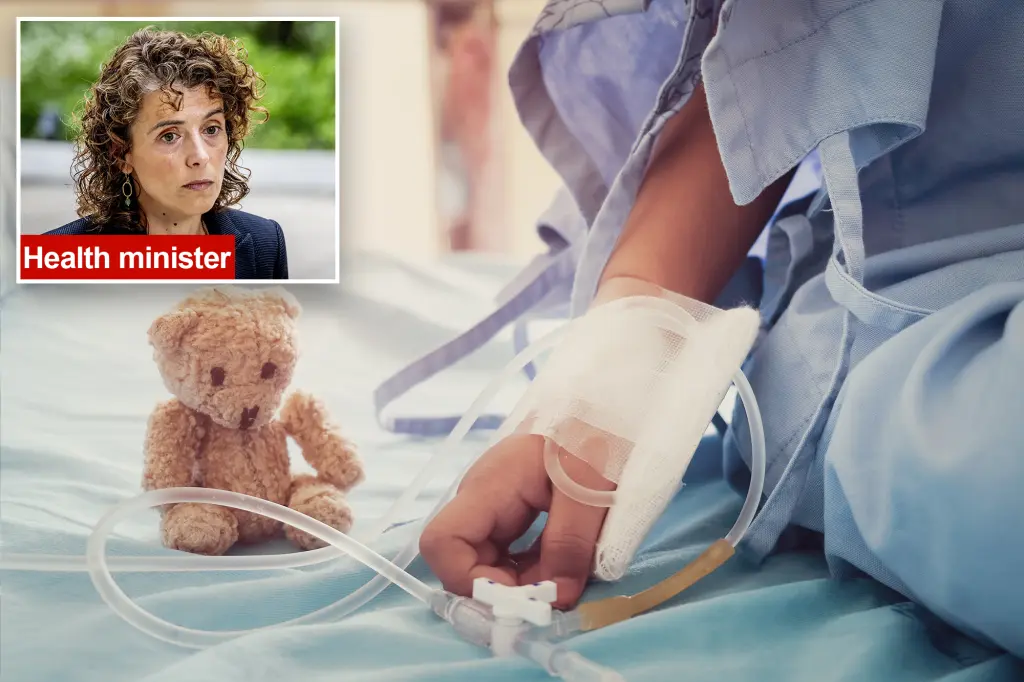
Dutch Health Minister Sophie Hermans disclosed the case in a letter to parliament, explaining that the child was incurably ill and died toward the end of last year. No identifying details were released. The child’s name, gender, location, and medical condition were not made public.
That decision to protect the child’s privacy did not stop the case from becoming a major point of discussion. It touched one of the most sensitive ethical questions in modern medicine: what should happen when a child is terminally ill, suffering unbearably, and has no prospect of improvement?
What The Dutch Government Confirmed

According to the disclosure, the child’s death occurred after the Netherlands expanded its assisted dying framework to include certain children between the ages of 1 and 12. The change made it possible, under strict conditions, for doctors and parents to consider ending the life of a child who is terminally ill and suffering without any reasonable chance of relief.
The government has stated that this option is only allowed in extreme circumstances. The child must be incurably ill, suffering unbearably, and facing no prospect of improvement. The suffering must be constant and severe, and there must be no reasonable alternative, including palliative care, that can relieve the child’s condition.
This is not a general permission for assisted dying in children. It is described as a narrow medical pathway for rare and devastating cases. Even then, every case must be reviewed by authorities to determine whether doctors followed the law and medical standards.
Why The Case Is Being Reviewed
Health Minister Sophie Hermans said lawmakers and review bodies must now determine whether the doctors involved acted lawfully. That review process is central to the Dutch system. In the Netherlands, euthanasia cases are not simply performed and closed. They must be reported and examined.
The purpose of the review is to confirm whether the procedure met the legal requirements. Officials must look at whether the child’s suffering was unbearable, whether there was no possible improvement, whether the parents or guardians gave consent, and whether the doctors acted according to accepted medical standards.
This review matters because the case involves a child who could not be treated in the same way as an adult patient making an independent request. The younger the patient, the more difficult the ethical and legal questions become. That is why Dutch law requires involvement from doctors, parents, and oversight authorities.
The Rule Change That Made This Possible
The Netherlands legalized euthanasia in 2002, becoming the first country in the world to do so. For years, Dutch assisted dying laws mainly applied to adults and, under specific conditions, some older minors. The newer rule expanded the framework to include children between 1 and 12 in rare cases of terminal illness and unbearable suffering.
When the change was approved, government ministers said it would likely apply to only a small number of children, roughly five to ten cases. This estimate reflected how narrow the criteria were meant to be. Officials said the rule was designed for situations where a child’s end of life involved hopeless suffering and where no treatment or palliative option could offer relief.
Supporters of the change have described it as a compassionate measure for children facing extreme suffering. Critics, however, worry about whether any child that young can truly be part of such a decision and whether legalizing the practice risks crossing a moral line.
Parental Consent And Medical Judgment
One of the most important parts of the Dutch rule is parental or guardian consent. For children between 1 and 12, the decision cannot be made by the child alone. A doctor may only proceed in consultation with the parents or guardians, and if possible, also with the child.
That phrase, “if possible,” reveals the difficulty of these cases. Some children may be too young to understand death. Others may be too ill to communicate clearly. Some may understand pain but not the full meaning of a medical decision. Because of that, the law places heavy responsibility on doctors and parents.
Doctors must base the decision on current medical knowledge and general medical standards. Parents must be involved because they are legally and emotionally responsible for the child. Together, they are expected to consider whether continued treatment would only prolong suffering without offering a meaningful chance of recovery or relief.
Why This Issue Is So Controversial
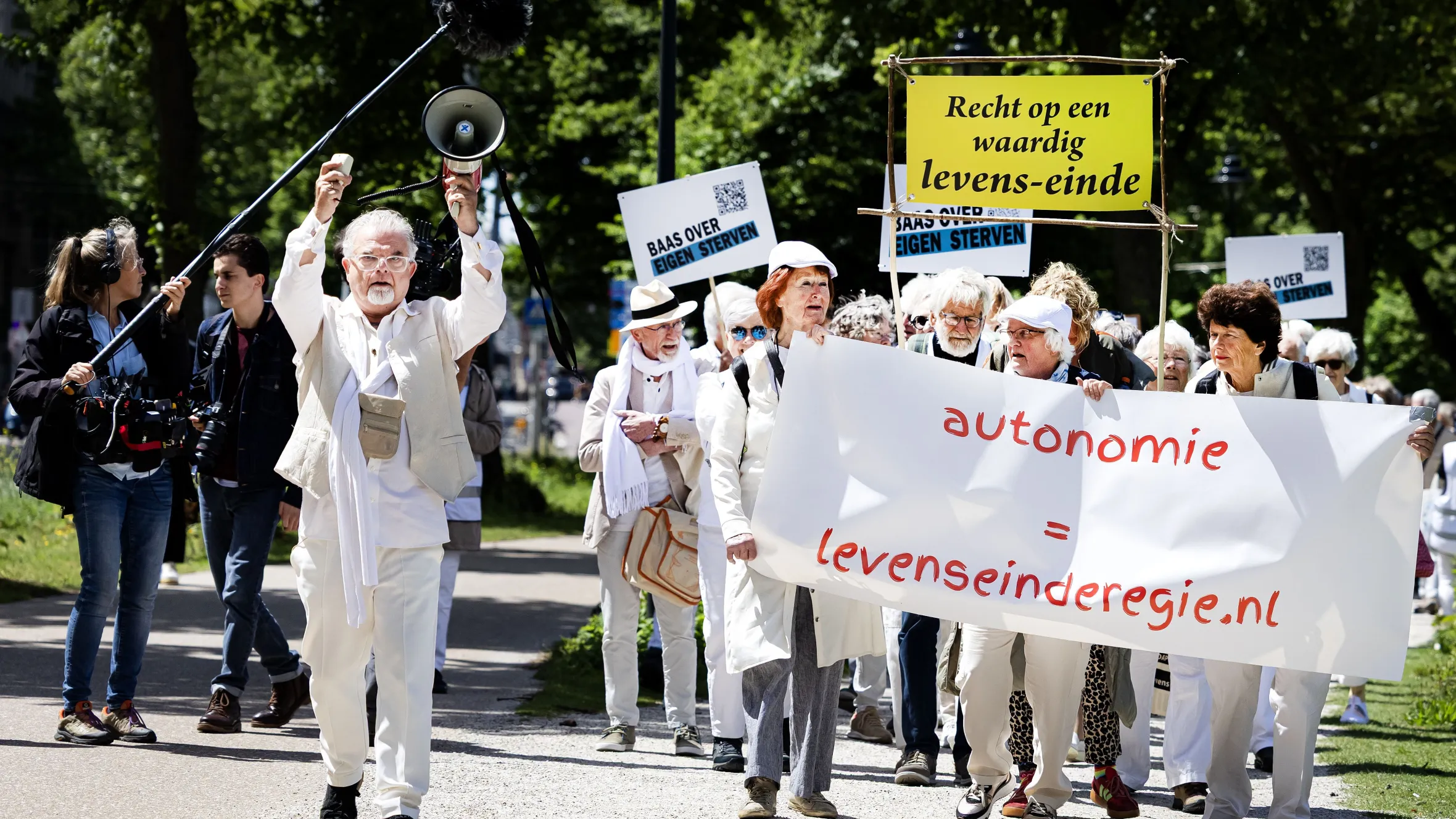
Few medical topics create stronger reactions than assisted dying involving children. For some people, the idea is heartbreaking but understandable in rare terminal cases. They argue that when a child is suffering unbearably and nothing can be done, allowing a peaceful end may be the most compassionate option.
For others, the idea is deeply disturbing. They worry that children are too vulnerable, too dependent, and too young to be part of any decision involving death. They also fear that once the law allows euthanasia for younger patients, the boundaries could become harder to control over time.
This is why the Dutch case has become international news. It is not just about one child, although the child’s suffering is at the center of the story. It is also about how society defines compassion, protection, medical responsibility, and the limits of state-approved assisted dying.
The Difference Between Adult And Child Cases
In adult euthanasia cases, the patient’s voluntary and well-considered request is usually a core requirement. The patient must ask for it without pressure from another person. The doctor must be convinced that the request is informed, voluntary, and consistent.
Child cases are far more complex. A very young child cannot always make a legally meaningful request. That means the decision relies more heavily on medical assessment and parental consent. This is exactly where ethical tension appears. If the child cannot fully consent, who has the moral authority to decide?
Dutch officials have tried to answer this by limiting the rule to terminal illness, unbearable suffering, and cases with no reasonable alternatives. Still, even with strict limits, the question remains emotionally charged. The protection of vulnerable children and the relief of suffering can both be seen as moral duties, yet they may lead people to very different conclusions.
Privacy Around The Child’s Identity

The government did not release the child’s name, gender, illness, or location. That silence may frustrate some members of the public who want more details, but it also reflects the need to protect the child’s family during an intensely private tragedy.
In cases involving children, privacy is not just a legal concern. It is a matter of dignity. The child’s life should not be reduced to public debate, and the family should not be exposed to global scrutiny while grieving. At the same time, the public has a legitimate interest in knowing how the law is being applied.
That balance is difficult. Officials must provide enough information for accountability while avoiding unnecessary exposure of the child and family. In this case, the public knows the broad facts, but not the deeply personal medical details behind the decision.
What The Netherlands’ System Requires
The Dutch euthanasia framework is built around reporting, review, and strict criteria. Doctors who perform euthanasia must report the case to review boards. These boards then assess whether the doctor acted with due care.
For adult patients, the system requires that the request be voluntary and carefully considered. Doctors must also determine that the suffering is unbearable and that there is no reasonable alternative. In children under 12, the focus shifts toward terminal illness, unbearable suffering, medical standards, parental consent, and the possibility of involving the child when appropriate.
The review of this first known child case will be closely watched because it may shape how future cases are understood. If authorities conclude that the doctors acted lawfully, it will confirm that the new rule is being used as intended. If they find problems, it could trigger renewed debate over safeguards and oversight.
A Case That Forces Difficult Questions
The death of a terminally ill child in the Netherlands is not a simple news story. It is a case that sits at the painful intersection of medicine, law, ethics, and grief. It asks the public to confront a situation most people never want to imagine: a child suffering so severely that doctors and parents believe no treatment can bring relief.
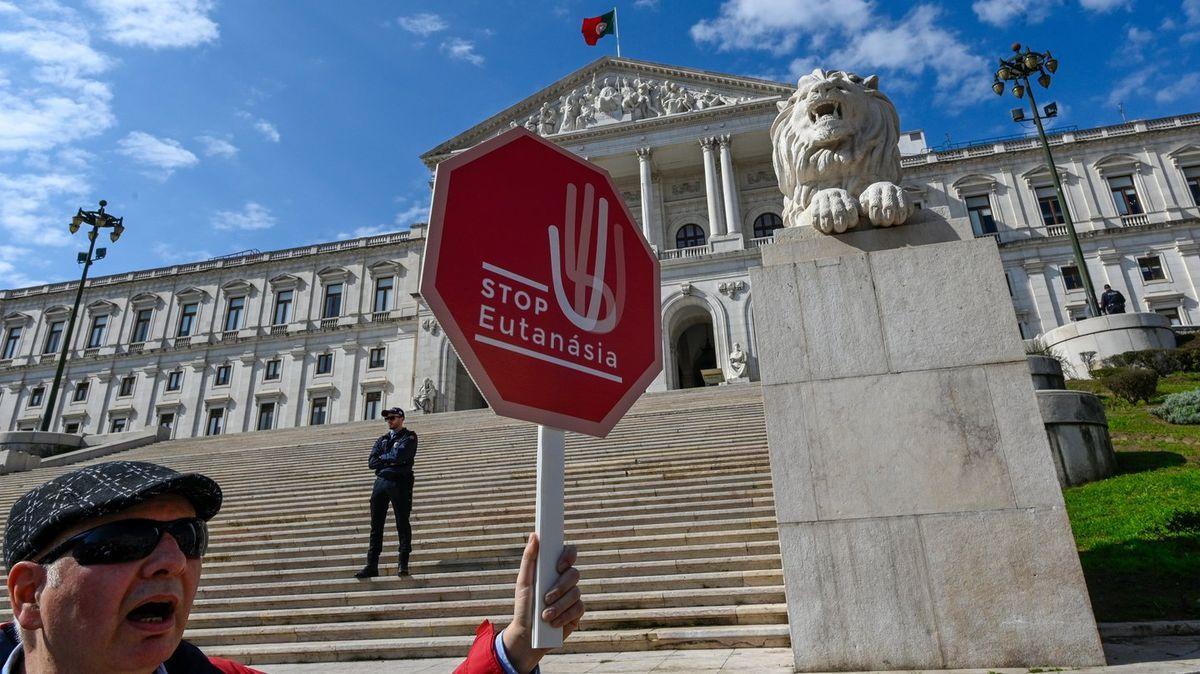
For supporters of the law, the case may show why the rule was created. They believe that in the rarest and most devastating circumstances, families and doctors need a legal pathway to prevent unbearable suffering. For opponents, the case may confirm their fear that assisted dying has moved into morally dangerous territory.
What happens next will depend on the official review. Dutch authorities must decide whether the doctors followed the law and whether every safeguard was respected. Until then, the case remains both a legal matter and a deeply human tragedy.
The Netherlands has long been at the center of the global euthanasia debate. This latest case will likely intensify that debate, not because it offers easy answers, but because it reveals how difficult the questions have become. When suffering, childhood, parental love, and medical limits collide, society is left facing one of the hardest decisions imaginable.