

Table of Contents
- A Major Immigration Win For Trump
- What Expedited Removal Means
- How The Policy Expanded
- The Court’s 2 To 1 Decision
- The Dissent Warned Of Serious Risk
- Why The Two-Year Rule Matters
- DHS Celebrates The Ruling
- Immigrant Rights Groups Push Back
- How This Could Change Enforcement
- The Bigger Fight Over Due Process
- Why The Ruling Matters Politically
- What Happens Next
- A Turning Point In Deportation Policy
A Major Immigration Win For Trump
When a federal appeals court allowed President Donald Trump’s administration to move forward with expanded fast-track deportations, the decision immediately became one of the most important immigration rulings of his second term. The ruling gave the administration permission to use a procedure known as expedited removal on a much wider scale, allowing immigration authorities to deport certain undocumented migrants without a full hearing before an immigration judge.
The decision came from the U.S. Court of Appeals for the District of Columbia Circuit. In a 2 to 1 ruling, the court reversed a lower court order that had blocked the administration’s January 2025 expansion of expedited removal. That expansion allows immigration authorities to apply the fast-track process to certain noncitizens found anywhere in the United States if they cannot show they have lived in the country continuously for at least two years.
For the Trump administration, the ruling was a major victory in its broader mass deportation agenda. For immigrant rights groups, it was a serious blow that could expose more people to quick removal from the country with limited chances to challenge the government’s decision.
What Expedited Removal Means

Expedited removal is a fast-track deportation process that allows immigration officers to remove certain noncitizens without sending them through a full immigration court hearing. Instead of appearing before a judge, a person may be processed directly by immigration authorities and removed quickly if officers determine they are eligible for the procedure.
For years, this process was mostly used near the border or against people who had recently arrived in the United States. It was commonly applied to migrants caught close to a land border shortly after crossing, or to people arriving by sea.
The Trump administration’s expansion changes the scale of the policy. Under the revived plan, expedited removal can apply far from the border, including to migrants living in the interior of the country. The key question becomes whether the person can prove they have been continuously present in the United States for two years or more.
That proof can matter enormously. If a person cannot convince immigration officers that they meet the two-year threshold, they may face rapid deportation without the more formal protections of regular immigration court proceedings.
How The Policy Expanded
The Trump administration moved to expand expedited removal in January 2025, shortly after Trump returned to office. The Department of Homeland Security said the policy would help address unlawful immigration more efficiently and reduce the burden on the immigration court system.
Before the expansion, expedited removal was more limited in practice. The new approach allowed DHS to apply the process to the maximum extent permitted by law, according to the administration’s argument. That meant immigration officers could use it against eligible migrants found anywhere in the United States, not only near the border.
The policy was challenged quickly by immigrant rights advocates, including Make the Road New York, represented by the American Civil Liberties Union and other groups. They argued that the expansion would create a system where people could be deported too quickly, with too few safeguards, and with a high risk of mistakes.
A lower court agreed with the challengers in 2025 and blocked the policy. But the D.C. Circuit has now reversed that block, allowing the administration to proceed.
The Court’s 2 To 1 Decision
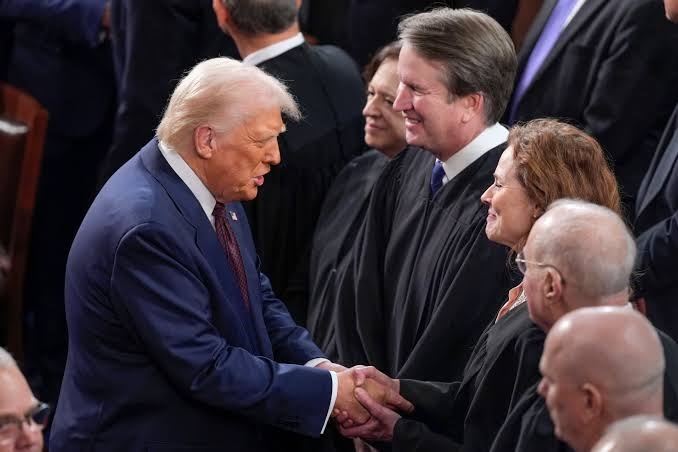
The appeals court ruling was split along a familiar judicial divide. Judges Justin Walker and Neomi Rao, both appointed by Trump, sided with the administration. Judge Robert Wilkins, appointed by President Barack Obama, dissented.
Judge Walker wrote the main opinion for the majority. He rejected the challengers’ argument that the expanded policy violated constitutional due process rights. According to the majority, the government gives migrants notice of the action being taken against them and an opportunity to respond, including the opportunity to show they have lived in the United States continuously for at least two years.
The court majority said the challengers had not shown that the written policy itself was unconstitutional. While there was evidence of mistakes in the expedited removal system, the majority viewed those errors as failures by individual officers rather than proof that the policy was legally defective.
That distinction became central to the ruling. The majority did not deny that mistakes can happen. Instead, it concluded that those errors did not justify blocking the entire expanded system.
The Dissent Warned Of Serious Risk
Judge Robert Wilkins strongly disagreed. His dissent warned that the fast-track process is especially dangerous when applied to people living inside the United States, far from the border, who may have families, jobs, communities, and years of life already established in the country.
One of the key concerns was whether immigration officers are required to ask enough questions before placing someone into expedited removal. Critics argue that if officers do not clearly explain the two-year rule or ask about continuous presence, people who may be legally protected from expedited removal could still be swept into the process.
That concern is not theoretical. The lower court had cited evidence that some people who had lived in the United States for far longer than two years were still placed into expedited removal. The dissent viewed that risk as a major due process problem.
For immigrant rights advocates, Wilkins’ dissent captured the fear at the center of the case: a person may be deported before they fully understand what they needed to prove or before they can gather the documents needed to prove it.
Why The Two-Year Rule Matters
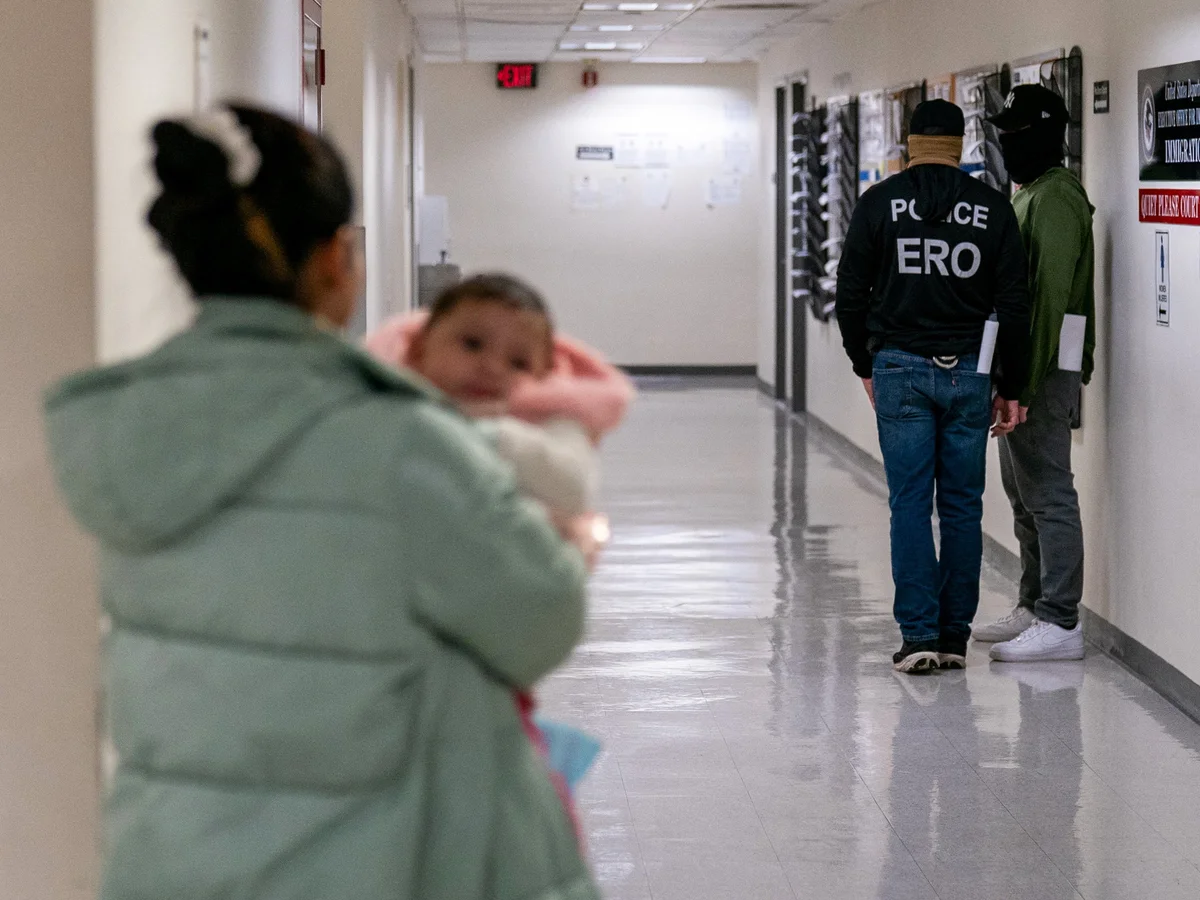
The two-year continuous presence rule is now one of the most important parts of the expanded policy. If a person can show they have been in the United States continuously for two years or more, they may not be subject to this expanded version of expedited removal.
But proving that can be difficult, especially in a sudden encounter with immigration authorities. A person may not have rent receipts, pay stubs, school records, medical documents, tax records, or other evidence with them at the moment they are detained.
That is why critics say the process can be unfair in practice. Someone may have the evidence at home, with a family member, in a phone they cannot access, or with an attorney they have not had time to contact. In a regular immigration court process, there may be more time to gather documents and present a case.
Supporters of the policy argue that immigration law already allows this fast-track process and that the administration is simply applying the statute as written. They say the government must have tools to remove people quickly when they entered unlawfully and lack legal grounds to remain.
DHS Celebrates The Ruling
The Department of Homeland Security welcomed the ruling as a validation of the administration’s approach. DHS officials argued that expedited removal had been too narrowly limited for years and that the law allows broader use against people who entered unlawfully and cannot prove two years of presence.
The administration has framed the policy as a necessary enforcement tool. Trump has repeatedly promised a large-scale deportation campaign, and expedited removal offers a way to move cases faster than the regular immigration court system, which is often backlogged.
From the government’s perspective, the ruling strengthens its ability to carry out immigration enforcement more quickly and aggressively. It also gives DHS more flexibility inside the country, not just at the border.
That is why the decision matters so much politically. It is not a small procedural win. It gives the administration a practical tool that could affect large numbers of people.
Immigrant Rights Groups Push Back

The ACLU and other advocates sharply criticized the ruling. They argue that fast-track deportations are prone to errors and can separate families, disrupt communities, and remove people who may have valid legal claims.
Anand Balakrishnan, a senior staff attorney with the ACLU’s Immigrants’ Rights Project, said the policy would subject people to an unfair and error-prone system. Advocates are now exploring next steps, which could include further appeals or additional legal challenges.
Their concern is not only about people who recently crossed the border. It is about migrants living deep inside the country, some of whom may have U.S. citizen children, long-term jobs, pending immigration claims, or possible eligibility for relief.
The fear is that a faster system may leave less room for careful review. In immigration cases, speed can change everything. A person removed within days may lose access to lawyers, evidence, family support, and the chance to explain their circumstances before a judge.
How This Could Change Enforcement
The ruling could change how immigration enforcement works across the United States. Instead of limiting expedited removal mostly to border regions and recent arrivals, DHS can now use it more widely.
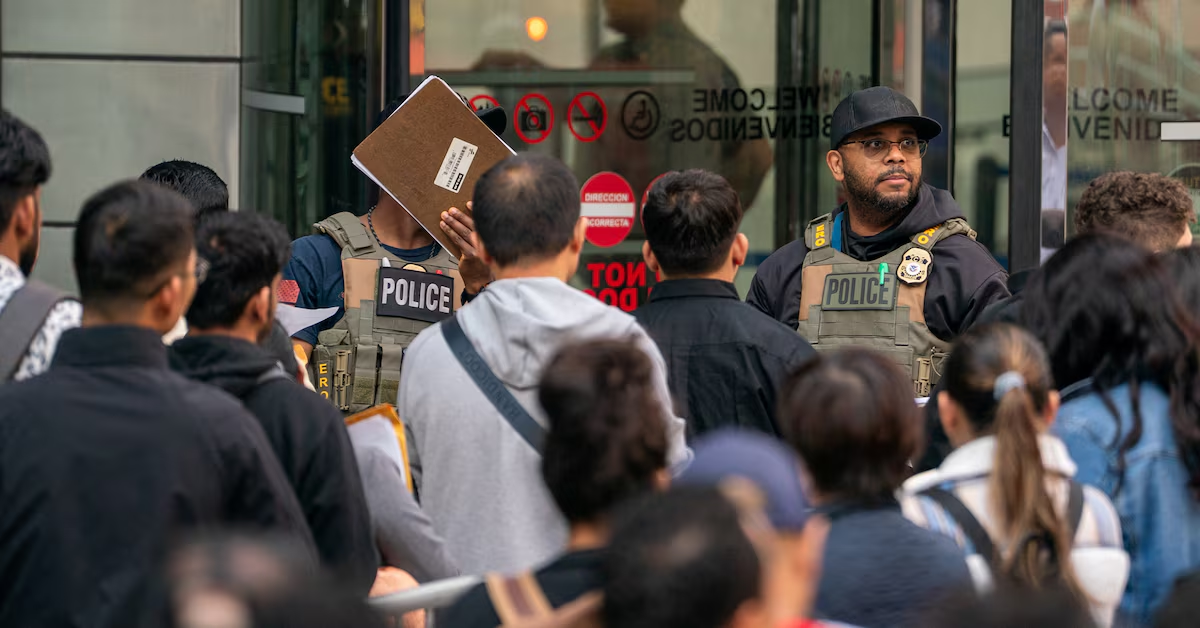
That means immigration agents could apply the process after arrests in cities, workplaces, courthouses, neighborhoods, or other interior locations, depending on enforcement priorities and eligibility. Reports have already described migrants being detained at courthouses and moved quickly into removal proceedings.
For immigrant communities, the effect could be chilling. People may become afraid to attend court hearings, report crimes, go to work, take children to school, or interact with government systems. Even those who believe they have been in the country long enough may fear they will not be able to prove it quickly enough.
For supporters of the policy, that broader reach is exactly the point. They argue that immigration enforcement should not stop at the border and that people without legal status should not be allowed to avoid removal simply by moving inland.
The Bigger Fight Over Due Process
At the heart of the case is a constitutional debate about due process. The Fifth Amendment protects people from being deprived of liberty without due process of law. Courts have long recognized that noncitizens inside the United States have certain due process rights, though the exact scope depends on context.
The Trump administration argued that the procedures in expedited removal are enough. The government said people receive notice, can respond, and can raise certain claims, including fear of persecution or torture.
The challengers argued that this is not enough when the process moves so quickly and the stakes are so high. Deportation can separate families, send people back to dangerous countries, and erase years of life built in the United States.
The appeals court majority sided with the government. But the dissent and immigrant rights groups warned that the system may now move faster than fairness can keep up.
Why The Ruling Matters Politically
This decision arrives as immigration remains one of the defining issues of Trump’s presidency. The administration has made aggressive enforcement a central promise, and the ruling gives it a powerful legal opening.
Trump’s supporters are likely to see the decision as proof that the administration is finally able to carry out tougher immigration rules after years of legal resistance. They may argue that the country needs fast removal tools to restore control over the immigration system.
Opponents will see the ruling as another sign that basic protections are being weakened. They may argue that mass deportation policies risk punishing people before their cases can be fully heard.
The political impact could be significant. Immigration enforcement affects not only federal agencies, but also local courts, employers, families, schools, churches, and community organizations. A legal change in Washington can quickly become a daily fear in neighborhoods across the country.
What Happens Next
The ruling does not necessarily end the legal battle. The challengers may seek further review, and future cases could test how the policy is applied in real situations. If people are wrongly placed into expedited removal, new lawsuits may focus on specific arrests, local practices, or failures to follow required procedures.
The administration, meanwhile, can move forward with the policy unless another court intervenes. That means immigration officers may now have greater authority to use expedited removal nationwide against eligible people who cannot show two years of continuous presence.
The practical effects may become clearer over time. Much will depend on how aggressively DHS uses the policy, what instructions officers receive, how often migrants are informed of their rights, and whether courts step in when mistakes occur.
For now, the ruling gives Trump a major enforcement victory and gives immigrant communities new reason for concern.
A Turning Point In Deportation Policy
The appeals court decision marks a major turning point in Trump’s immigration crackdown. By allowing the expanded use of expedited removal, the court has given the administration a faster path to deport certain undocumented migrants across the country.
Supporters say the ruling restores the government’s ability to enforce immigration law efficiently. Critics say it opens the door to rushed deportations, wrongful removals, and a weakened right to due process.
Both sides understand the stakes. This is not only about paperwork or procedure. It is about who gets a hearing, who gets time to gather evidence, who gets to stay with family while their case is reviewed, and who may be removed from the country within days.
The final impact will depend on what happens next in courtrooms, detention centers, and communities across the United States. But one thing is already clear: the ruling has moved Trump’s mass deportation agenda from political promise to operational possibility, and it has reignited one of the most divisive debates in American immigration law.