
Table of Contents
A Corner Store Robbery Turns Deadly
When a man walked into a corner store in South Fairmount, Ohio, on a Wednesday night in September 2017, the moment appeared to begin like a robbery. Within seconds, it became a fatal shooting that left one man dead, a store owner shaken, and a neighborhood once again talking about crime, fear, and the split-second decisions people make when they believe their lives are in danger.
The shooting happened at Sam’s Quick Market on Harrison Avenue, a small neighborhood store where owner Teame Desta said he was working when a man entered with a handgun and demanded money. Police later identified the man who was shot as 34-year-old Hananiah Israel. He was taken to the University of Cincinnati Medical Center, where he was pronounced dead.
Desta said the encounter gave him no real choice. Speaking after the shooting, he said he feared not only for himself, but also for his brother. In his words, the decision to fire came from panic, fear, and the belief that hesitation could have cost him his life.
The Surveillance Video Behind the Claim
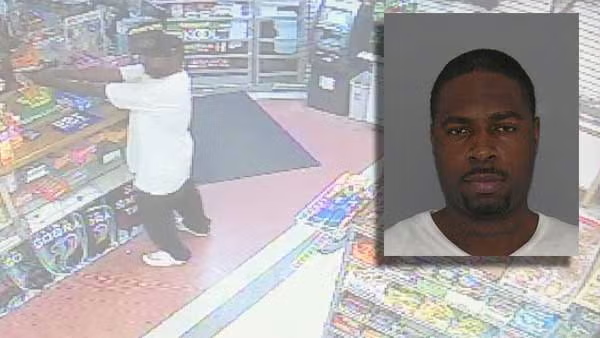
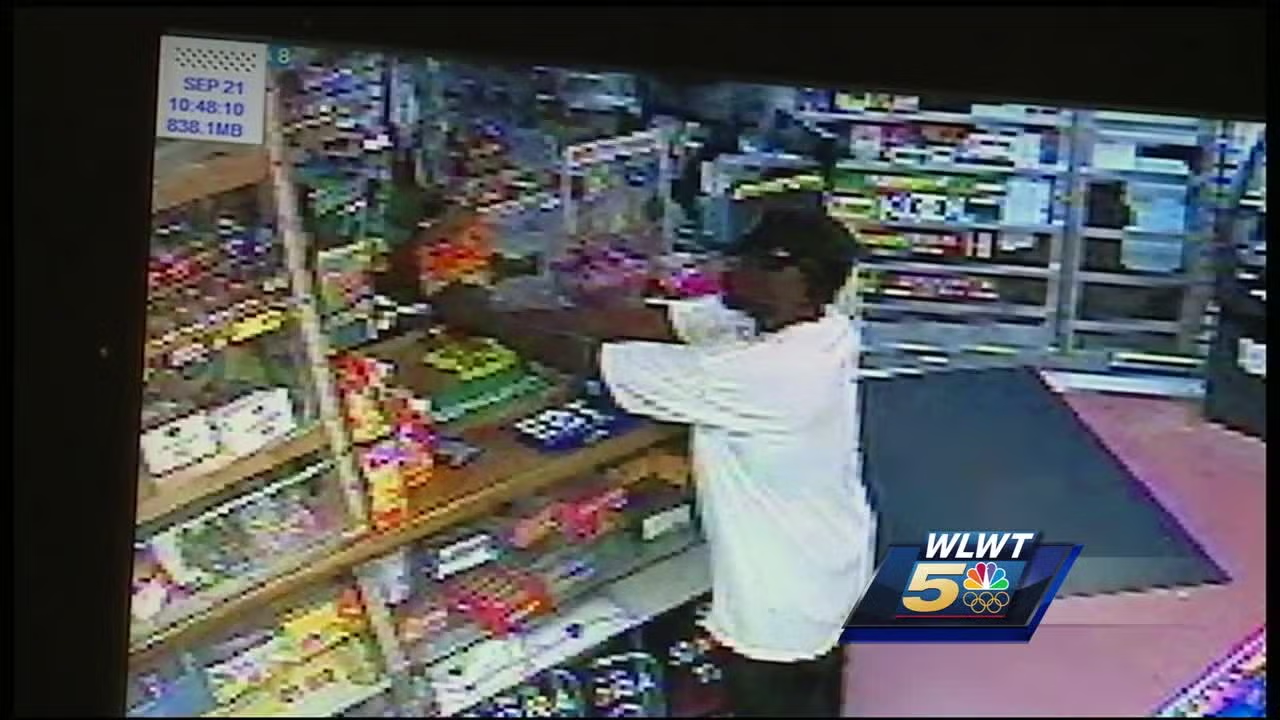
According to Desta, surveillance video from inside Sam’s Quick Market captured the confrontation. The camera reportedly showed the man entering the store at 9:26 p.m. Wednesday. Desta said the man appeared suddenly, pulled out a silver handgun, and demanded money from the register.
The store owner said he told the man to put the gun down. He said the man did not comply. Moments later, Desta fired.
What makes the case especially intense is the speed of the encounter. Desta described the fatal shot as happening only about three seconds after money was tossed onto the floor. In that narrow window, he said, the man continued demanding that the register be opened.
For people watching the case from the outside, three seconds may sound impossibly brief. But for someone standing across from a person holding a gun, those seconds can feel very different. That is the emotional center of the story. A robbery suspect was dead. A store owner was alive. And the question left behind was whether the shooting was a necessary act of self-defense.
“I Had To Do That”
Desta did not describe the shooting as something he wanted to do. He described it as something he believed he had to do.
He said he told the armed man to put the weapon down, but the man did not do it. He said he was scared. He said he feared for his brother. He said he feared for himself. He said he shot because he believed there was no other way to stop the threat.
That kind of statement often becomes central in self-defense cases. Investigators and prosecutors typically examine whether a person reasonably believed they were facing an immediate threat of death or serious harm. They also look at what happened in the moments before the shot, including the position of the weapon, the actions of the person who was shot, and whether the shooter had any realistic alternative.
In this case, the surveillance footage described by Desta could become a key part of that review. Video can provide important context, but it does not always answer every question. It can show movement, timing, and positioning. It can show whether a gun was visible. It can show whether someone advanced, retreated, or refused commands. But video does not fully show what a person felt in that exact moment.
For Desta, the emotional answer was simple. If someone comes into a store with a gun and threatens your life, he said, you have to protect yourself.
A Neighborhood Already Under Pressure
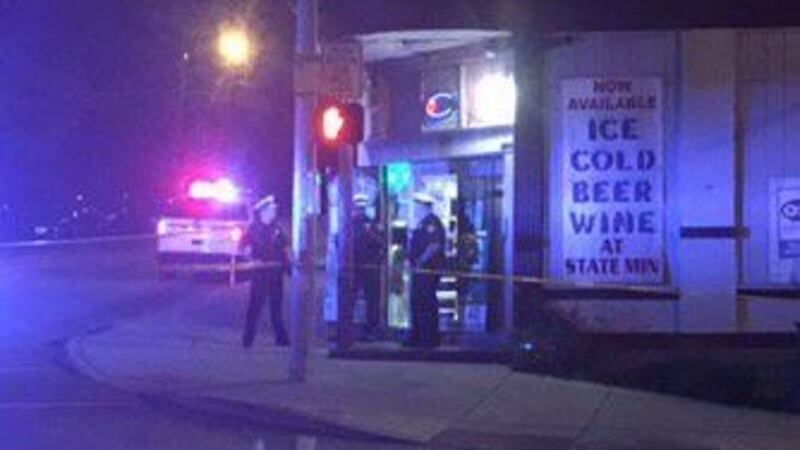
The shooting did not happen in isolation. People familiar with the area described that stretch of Harrison Avenue as troubled and worn down by crime. Bill Spetz, who owns a nearby building, came to the store after the incident to support Desta.
Spetz said he hoped he would never be forced to make the same kind of decision. But he also told Desta that if a person has to defend himself, then he has to do what is necessary.
His reaction reflected a feeling often heard in neighborhoods where robberies, violence, and fear have become part of everyday conversation. People may not celebrate a shooting, but some understand why a store owner facing a gun might feel trapped. Small business owners in high-crime areas often work long hours, handle cash, and remain exposed to danger at night. For them, the store is not only a business. It is their livelihood, their daily routine, and sometimes their family’s main source of survival.
Spetz said he had been around the area for about 30 years and believed it had changed, but not for the better. His words added another layer to the story. This was not just a report about one robbery. It was also a picture of a neighborhood where residents and business owners had become deeply aware of the risks around them.
The Morning After The Shooting
The day after the shooting, Sam’s Quick Market was temporarily closed. Inside, the emotional aftermath became physical. Blood had to be cleaned from the floor. The store that had served customers the day before had become the scene of a fatal confrontation.
That detail is one of the most difficult parts of the story. A shooting does not end when the sirens leave. It remains in the room. It remains in the memories of those who were there. It remains in the business, in the community, and in the life of the person who pulled the trigger.
Desta said he was doing okay, but he also admitted that a person always feels bad after something like that. His comments showed the conflict that can follow a self-defense shooting. Someone can believe they made the only possible choice and still feel the weight of taking a life.
That emotional contradiction is often overlooked in public debates about armed self-defense. Some people discuss such cases only in terms of law, rights, and crime. But for the people involved, the experience can be far more complicated. Survival may bring relief, but it can also bring shock, guilt, fear, and a lasting sense of trauma.
The Legal Review Ahead
Police said the shooting would be reviewed by the Hamilton County Prosecutor’s Office, which is standard procedure in fatal shootings. That review would determine whether criminal charges were appropriate or whether the evidence supported Desta’s claim of self-defense.
In cases like this, prosecutors generally look closely at the facts. Was the person shot armed? Was the weapon visible? Did the store owner reasonably believe he or someone else was in immediate danger? Was the force used proportional to the threat? Did the shooting happen while the threat was still active?
Based on Desta’s account, the man had a gun and was demanding money. Desta said he gave a command to put the weapon down, but the man did not follow it. If those facts were supported by the surveillance footage and other evidence, they could be important in the review.
Still, a prosecutor’s review is meant to examine more than one person’s version of events. Investigators typically consider video, witness statements, physical evidence, emergency calls, the position of the weapon, and any other details that help reconstruct the encounter.
Until that review is completed, the case remains a tragic incident with serious legal and emotional consequences.
Why This Story Grabs Public Attention
Stories like this often go viral because they touch several powerful public concerns at once. There is fear of violent robbery. There is the question of whether ordinary people should be prepared to defend themselves. There is sympathy for workers and small business owners who face danger while trying to earn a living. There is also the reality that one person died, even if the store owner says the shooting was necessary.
The public reaction to these cases is rarely simple. Some people see a store owner who protected himself from an armed threat. Others focus on the death and ask whether there was any way the encounter could have ended differently. Many people feel both emotions at the same time.
The short timeline makes the story even more gripping. A man walks in. A gun is shown. Money is demanded. The store owner responds. Within seconds, everything changes. That speed forces people to imagine themselves in the same situation and ask a difficult question. What would I do if I had only seconds to decide?
That question is why the case has emotional power. It is not distant or abstract. It places the viewer inside the moment, behind the counter, with no time to think carefully and no guarantee that cooperation would prevent violence.
The Human Cost On Both Sides
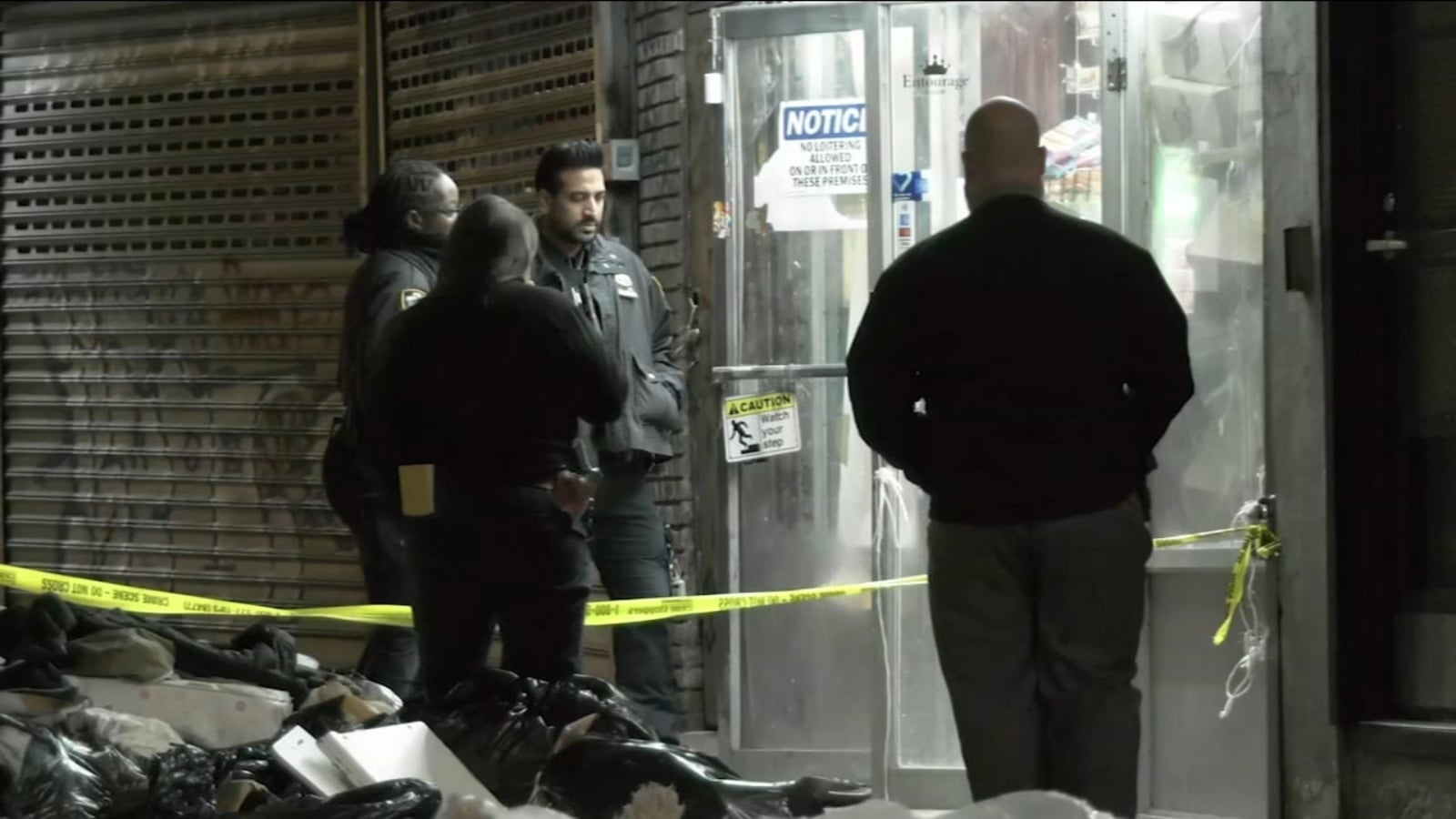
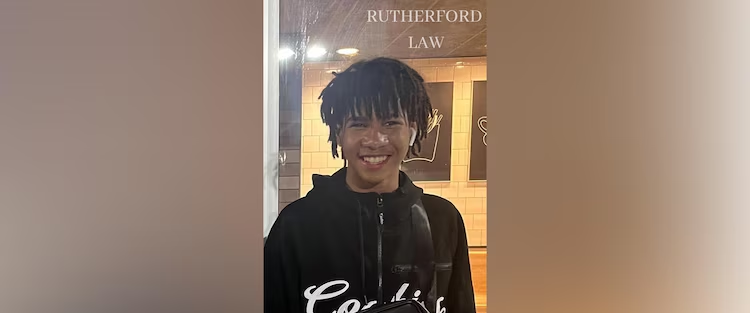
At the center of the case is a man who died and a store owner who says he will have to live with what happened. Hananiah Israel, identified by police as the man who was shot, was 34 years old. His death became part of a criminal investigation, but it was also a personal loss for anyone who knew him.
At the same time, Desta described himself as someone who acted out of fear. He did not frame the shooting as revenge or anger. He framed it as survival. His comments suggest that he saw the situation as a direct threat to life.
That is what makes self-defense cases so emotionally difficult. They often involve two painful truths at once. A life has been lost. Another person may have believed that taking that life was the only way to avoid losing his own.
Public conversations sometimes flatten these stories into slogans. But real incidents are messier. They involve fear, poor decisions, danger, trauma, grief, and unanswered questions. They involve families on both sides. They involve communities that are left to process what happened long after the news cameras leave.
A Small Store, A Big Question
Sam’s Quick Market became the setting for a question much larger than one store or one neighborhood. When someone points a gun during a robbery, how long should a victim wait before fighting back? Does a person have to see the gun fired before using deadly force? What does “no choice” really mean when a decision happens in seconds?
For Desta, the answer was shaped by the moment itself. He said the man had a gun. He said he ordered him to put it down. He said the demand for money continued. He said he was scared. He said he fired because he believed he had to.
The legal system would be responsible for reviewing the evidence. The public, meanwhile, was left to wrestle with the moral and emotional side of the case. Some would see the shooting as a clear example of self-defense. Others would see it as another fatal act in a cycle of crime and violence that leaves everyone damaged.
The Lasting Impact
The shooting at Sam’s Quick Market is the kind of story that stays with people because it is both specific and universal. It happened at a particular store, on a particular street, at a particular time. But the fear behind it is familiar to many workers, business owners, and residents in communities affected by crime.
Desta’s words captured the emotional weight of the incident. He said a person feels bad, but at the end of the day, if someone comes to kill you, you have to act. That statement is raw, direct, and difficult to ignore.
Whether viewed as a self-defense case, a robbery gone wrong, or a tragic reflection of neighborhood crime, the incident shows how quickly ordinary places can become scenes of life-or-death decisions. A corner store that should have been a place for routine purchases became the center of a fatal confrontation. A store owner who expected to work a regular night ended up explaining why he fired a gun. A man who entered the store never left alive.
The final judgment would rest with the authorities reviewing the case. But the broader impact goes beyond legal procedure. It raises questions about safety, fear, responsibility, and the cost of violence in everyday spaces. For Desta, the case was personal and immediate. For the community, it became another reminder that crime does not only take money from a register. Sometimes, it takes peace from an entire neighborhood.