
Table of Contents
- A Shocking Crash in the Heart of Beijing
- What Happened at China Zun Tower
- A Landmark Building Suddenly Becomes a Crash Scene
- Why the Flight Path Matters
- The Videos That Spread Across Social Media
- Emergency Response Moved Quickly
- Questions About Urban Air Safety
- Social Media Turned a Local Emergency Into Global News
- What We Still Do Not Know
- A Reminder That Aviation Safety Depends on Every Flight
A Shocking Crash in the Heart of Beijing
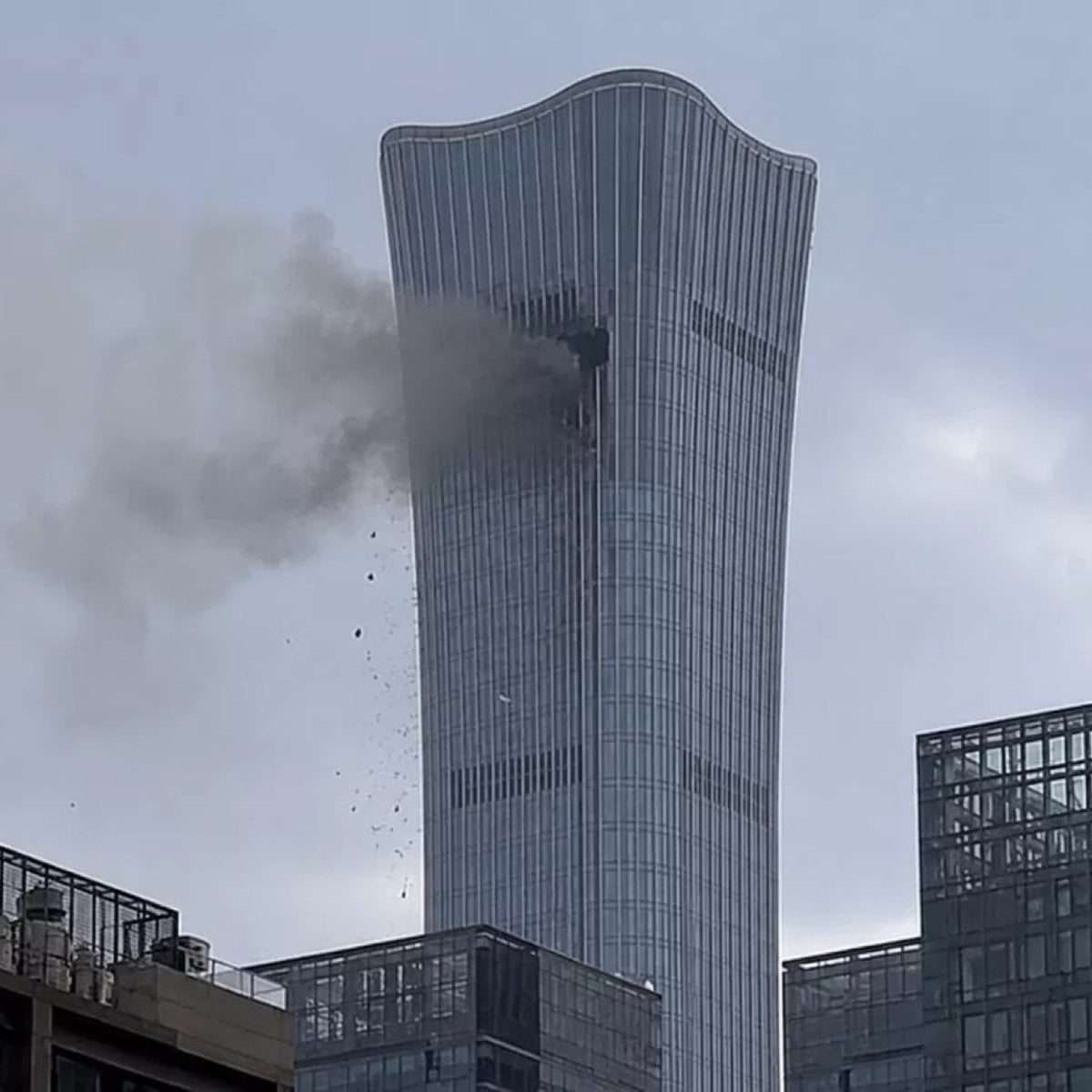
When reports emerged that a small aircraft had crashed into Beijing’s tallest skyscraper, the images spread fast and left people across the city stunned. The crash reportedly struck the CITIC Tower, also known as China Zun, a 109-story landmark that rises above Beijing’s central business district.
The impact sent debris falling toward the streets below, shattered windows on the skyscraper, and triggered an urgent response from police and emergency personnel in Chaoyang, one of the busiest and most populated districts in the Chinese capital.
For many watching the footage online, the scene felt almost unreal. A small plane, a towering skyscraper, falling debris, smoke, evacuations, and unanswered questions all collided in a single frightening moment. What followed was not just a dramatic aviation incident, but a reminder of how quickly a routine flight can turn into a public emergency.
What Happened at China Zun Tower
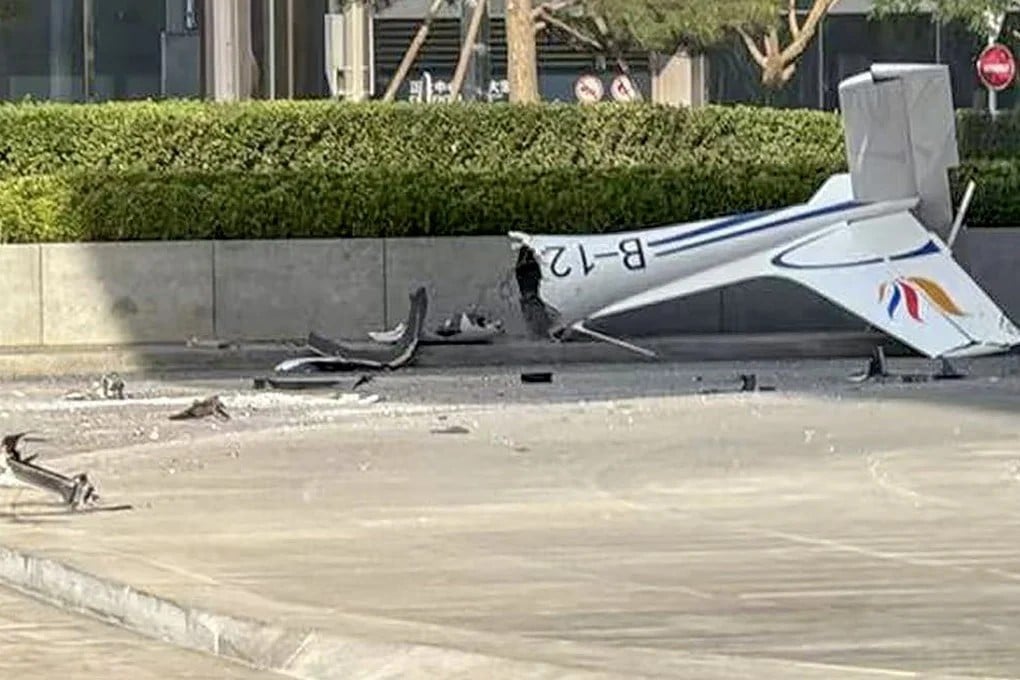
According to local reports, the aircraft involved was identified as a B-12PP, a Chinese-made single-engine, two-seat light aircraft. It reportedly struck the CITIC Tower at around 6 p.m. local time after taking off from Shifosi Airport about 30 minutes earlier.
The plane was reportedly scheduled to return to the same airport, but at some point during the flight, it strayed from its expected route. Tracking data reportedly showed the aircraft near Beijing’s East Fifth Ring Road before the signal was lost.
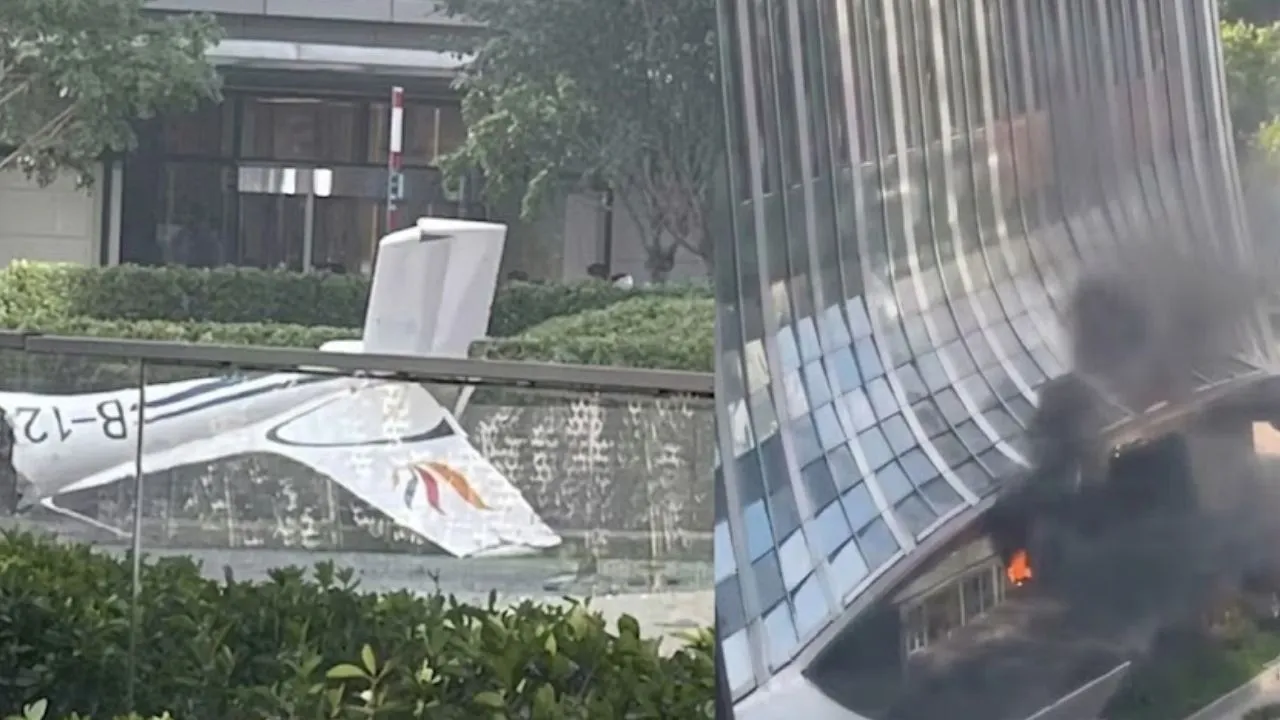
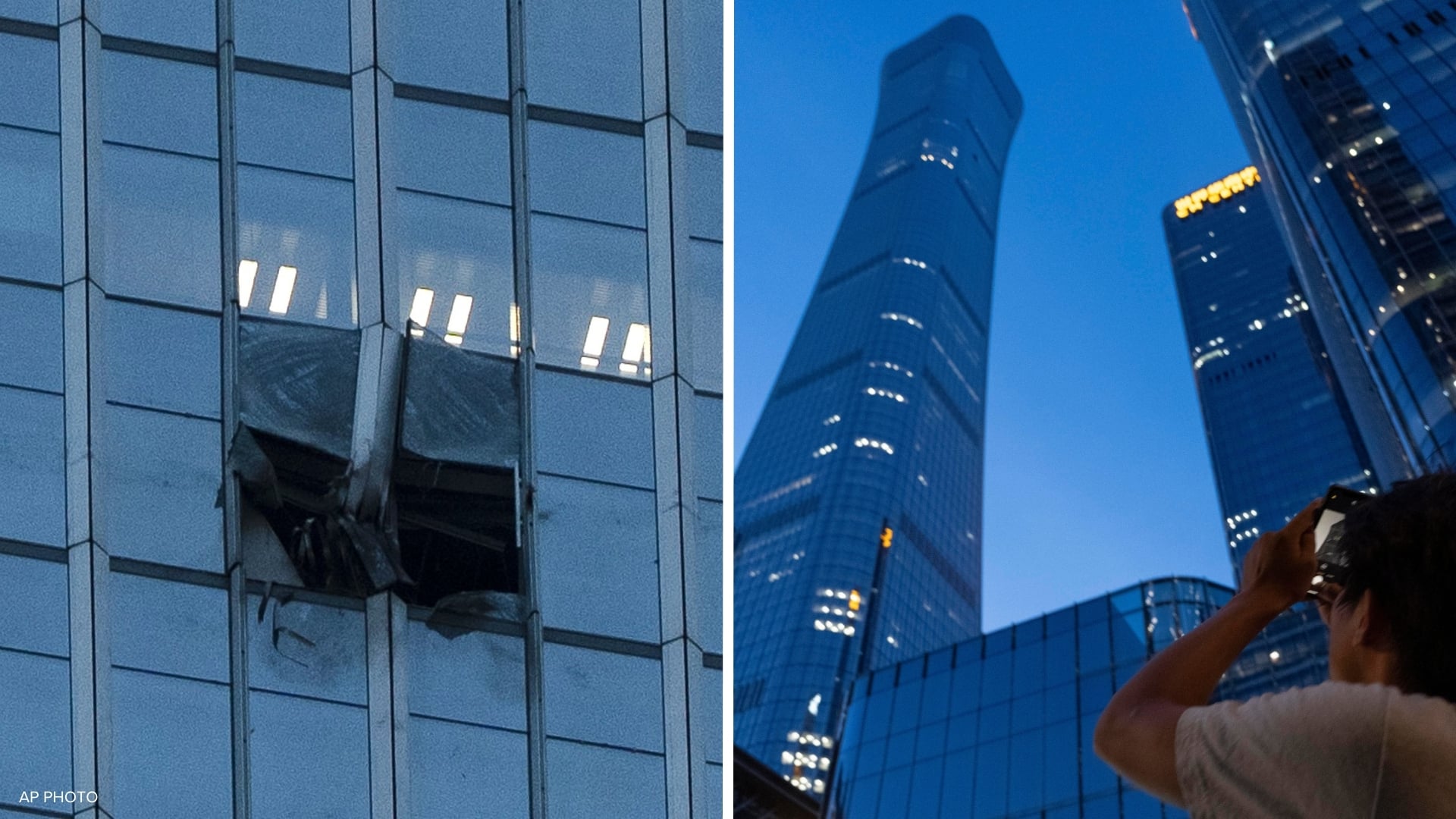
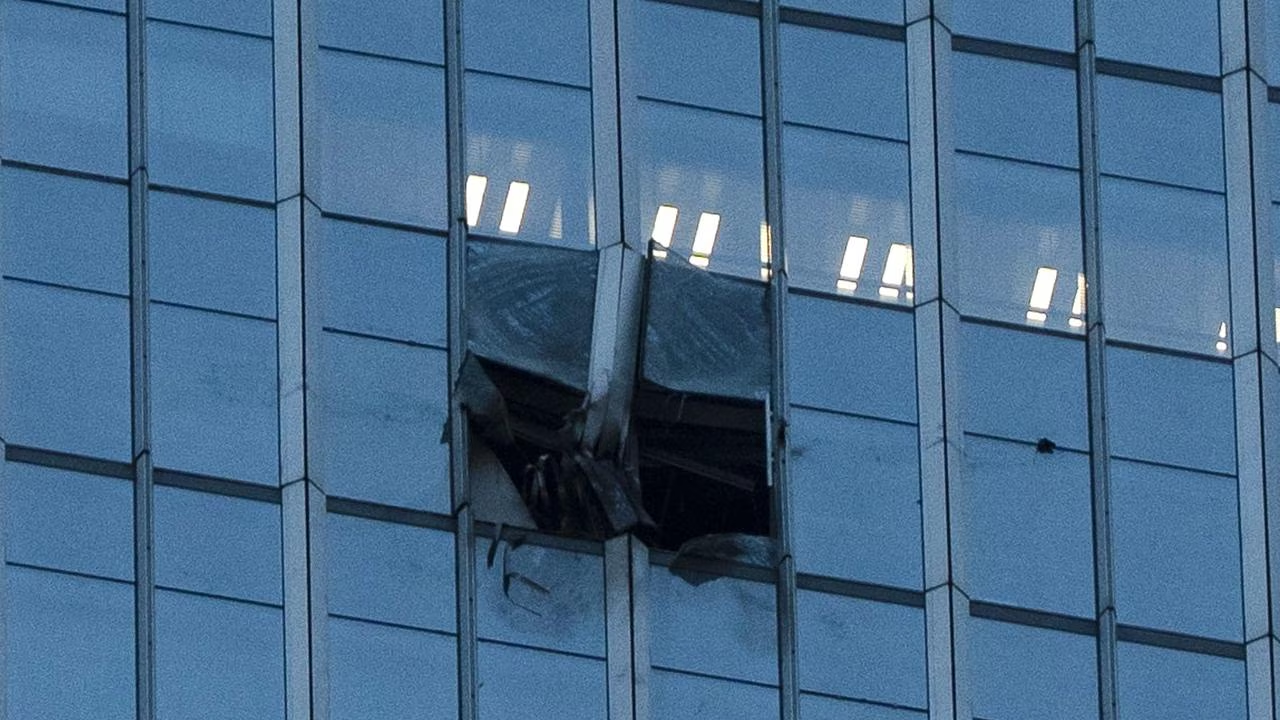
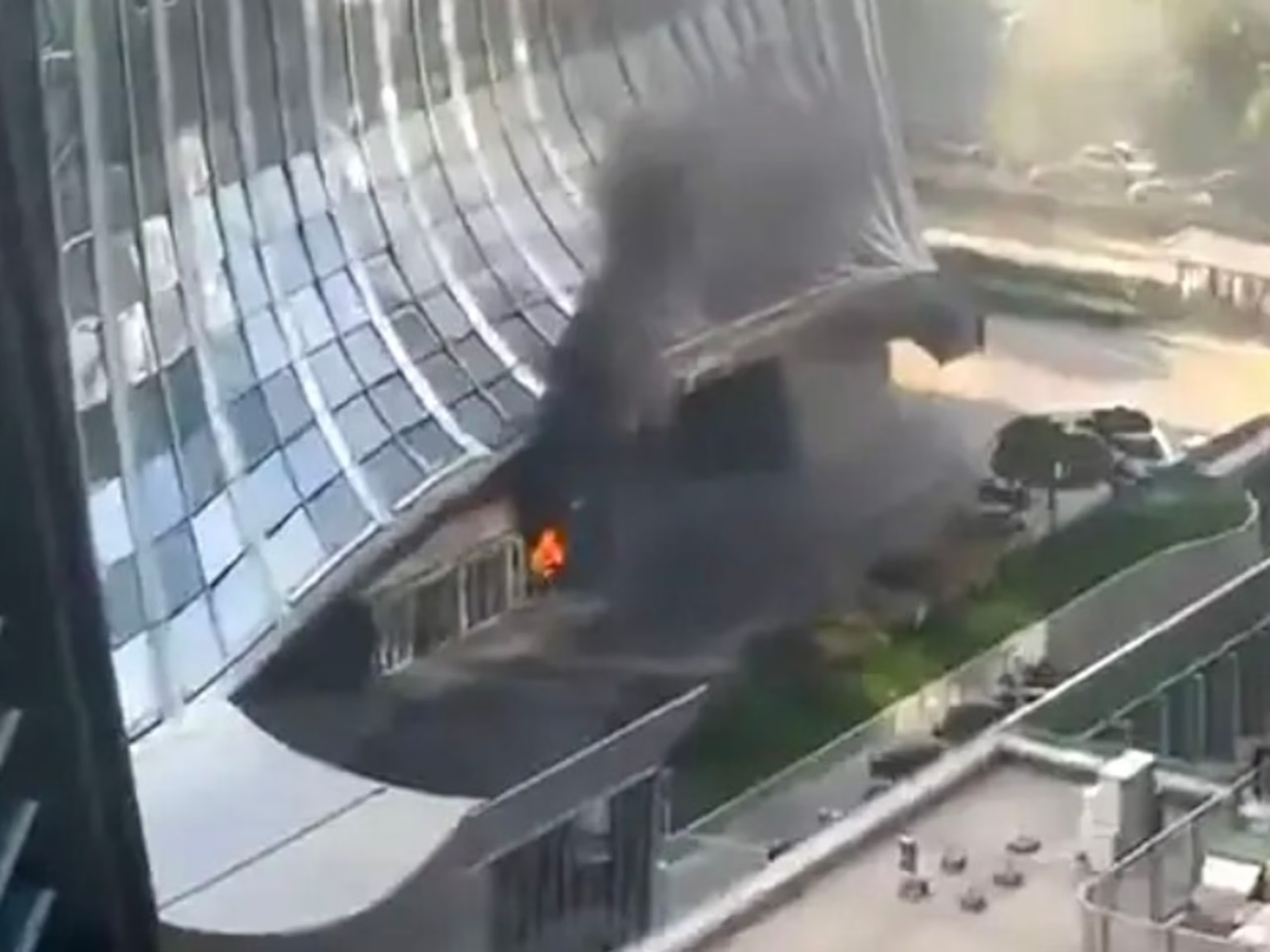
Soon after, footage began circulating on social media showing damage to the skyscraper and debris on the streets below. Two windows on the 1,700-foot tower were reportedly shattered, while smoke was seen near the ground floor as the building was evacuated.
The crash immediately raised concerns about whether anyone inside the building, on the ground, or aboard the aircraft had been injured. Early reports said the pilot was flying alone, but officials had not immediately confirmed whether there were casualties or injuries.
A Landmark Building Suddenly Becomes a Crash Scene
China Zun is not just another office tower. It is one of Beijing’s most recognizable modern landmarks and the tallest building in the city. Its curved shape and massive height make it a symbol of the capital’s financial and architectural ambition.
That is why the crash felt so alarming. A tower designed to dominate the skyline suddenly became the center of a dangerous emergency. Even limited damage to such a building can create fear, especially in a dense urban district where falling glass or aircraft debris could threaten pedestrians and nearby vehicles.
Witnesses said police moved quickly into the area. Several roads near the tower were reportedly closed, and security personnel began controlling access around the crash site. Local reports also said officers stopped some passersby from taking photos, while several videos showing the damage were later removed from social media.
That response suggested authorities were treating the incident seriously, not only as an aviation crash but also as a sensitive public safety event in the capital.
Why the Flight Path Matters
One of the biggest unanswered questions is why the aircraft appeared to drift away from its planned flight route. Investigators will likely examine several possibilities, including mechanical failure, pilot error, weather conditions, communication problems, navigation issues, or a sudden medical emergency.
Small aircraft can be more vulnerable to sudden changes in performance than commercial jets. A single-engine aircraft depends heavily on the condition of its engine, flight controls, fuel system, and pilot response. If something goes wrong over a dense urban area, there may be very little time to correct the situation.
The timing of the crash also matters. It reportedly happened around 6 p.m., when city traffic and street activity can be heavy. In a business district like Chaoyang, thousands of workers may still be inside office buildings, leaving workplaces, walking near transit points, or driving through nearby roads.
That makes the outcome especially concerning. Even if the aircraft itself was small, the surrounding environment was not. A crash into a skyscraper in a major capital city carries risks far beyond the aircraft’s size.
The Videos That Spread Across Social Media
The first wave of public attention came from dramatic video clips shared online. Those clips reportedly showed broken glass, falling debris, and the damaged section of the tower. Some images also appeared to show the aircraft’s tail section on the street.
In today’s media environment, videos like this can turn a local emergency into a global story within minutes. Viewers do not only see the aftermath. They experience the fear almost in real time.
But viral footage can also create confusion. Early videos may show only part of the scene. Angles can be unclear. Rumors can spread before officials confirm basic facts. In this case, the exact cause of the crash, the condition of the pilot, and the full damage assessment were not immediately known.
That is why investigators will rely on more than social media footage. They will likely review flight data, airport communications, witness accounts, aircraft maintenance records, weather information, and physical evidence recovered from the scene.
How Authorities Are Investigating the Crash
As investigators begin examining the incident, their priority will be determining exactly what caused the aircraft to collide with one of China’s most prominent skyscrapers. Aviation investigations typically involve several parallel lines of inquiry, each designed to build a complete picture of what happened during the flight.
One of the first areas investigators are expected to examine is the aircraft itself. Maintenance records, inspection reports, fuel quality, and any history of mechanical problems could all provide valuable clues. Even relatively small mechanical failures can have serious consequences when they occur at low altitude over a densely populated city.
Investigators will also review the pilot’s flight history, qualifications, and communication with air traffic control. Officials will likely reconstruct the aircraft’s final minutes using radar information, flight tracking data, and any available radio transmissions.
Weather conditions at the time of the flight will also receive close attention. Although no severe weather was immediately reported, investigators routinely analyze wind patterns, visibility, air pressure, and other atmospheric conditions to determine whether environmental factors contributed to the accident.
Because the aircraft reportedly lost tracking near Beijing’s East Fifth Ring Road before the collision, specialists will also try to establish exactly when the flight began deviating from its intended route. Understanding that timeline may help reveal whether the change happened gradually or suddenly.
Emergency Response Moved Quickly
Emergency crews reportedly responded within minutes after the collision. Police secured the surrounding streets while firefighters and rescue personnel evaluated the condition of the building and searched for potential victims.
The evacuation of China Zun was a critical first step. Even when structural damage appears limited, officials cannot immediately determine whether additional hazards remain inside the building. Broken glass, damaged exterior panels, fire risks, and possible structural concerns must all be evaluated before occupants can safely return.
Nearby roads were reportedly closed to both vehicle and pedestrian traffic as emergency responders established a secure perimeter around the crash site. Witnesses also described an increased police presence throughout the surrounding business district.
Authorities reportedly prevented some people from approaching the area while investigators began documenting evidence. This approach is standard during aviation accidents because even small pieces of debris can provide important clues about how the aircraft broke apart during impact.
Questions About Urban Air Safety
Although accidents involving small aircraft remain relatively uncommon, incidents like this naturally renew conversations about aviation safety near major cities.
Large metropolitan areas often maintain strict airspace regulations designed to reduce the risk of aircraft operating close to densely populated districts. Commercial airlines, helicopters, emergency aircraft, and private planes typically follow carefully coordinated flight paths.
When an aircraft unexpectedly leaves its planned route, investigators must determine whether the deviation resulted from equipment failure, pilot actions, or another unexpected event.
The incident also highlights the unique challenges presented by urban environments. Unlike crashes in rural areas, accidents inside major cities can threaten thousands of people working, commuting, or living nearby.
Modern skyscrapers are designed to withstand significant environmental forces, including powerful winds and earthquakes. However, no building is intended to experience an aircraft collision under normal circumstances. Even limited exterior damage requires careful engineering inspections before officials can determine whether the structure remains completely safe.
Social Media Turned a Local Emergency Into Global News
Within minutes of the collision, videos reportedly began circulating across multiple social media platforms. Images showing damaged windows, falling debris, and emergency responders quickly attracted worldwide attention.
This rapid spread of information has become a defining characteristic of modern breaking news. Witnesses armed with smartphones can document major events before television crews or newspaper photographers even arrive.
At the same time, viral footage often raises as many questions as it answers. Short video clips rarely capture the complete sequence of events, and early online speculation can sometimes outpace verified information.
Some reports indicated that several videos were later removed from social media while police restricted photography near the crash site. Although officials have not publicly explained those actions, authorities frequently limit access around active investigations to preserve evidence and maintain public safety.
For observers around the world, the dramatic visuals served as a reminder of how quickly unexpected events can dominate global headlines, particularly when they occur in one of the world’s largest capital cities.
What We Still Do Not Know
Despite the dramatic images, several important questions remained unanswered following the initial reports.
Officials had not immediately confirmed whether the pilot survived the crash or whether anyone inside the building or on the ground was injured. While early reports suggested the pilot was flying alone, authorities had not released comprehensive casualty information.
Investigators also had not identified the cause of the aircraft’s apparent deviation from its planned flight path.
It was also unclear how extensive the structural damage to China Zun might ultimately prove to be. While reports indicated that at least two windows were shattered, engineering inspections will determine whether additional damage occurred to the building’s exterior or supporting systems.
These unanswered questions illustrate why aviation investigations often take weeks or even months to complete. Every piece of evidence must be carefully analyzed before officials can confidently explain exactly what happened.
A Reminder That Aviation Safety Depends on Every Flight
Even though commercial aviation remains one of the safest forms of transportation, accidents involving smaller aircraft continue to demonstrate that flying always carries some level of risk. Every incident becomes an opportunity for investigators to identify lessons that may improve future safety standards.
Whether the cause ultimately involves mechanical failure, pilot error, environmental conditions, or another factor, investigators will likely use the findings to recommend improvements designed to reduce the chances of similar accidents happening again.
For Beijing residents, the incident transformed an ordinary evening into an unforgettable event as one of the city’s defining landmarks suddenly became the center of an emergency response.
For the broader aviation community, it serves as another reminder that even routine flights require constant attention to safety, maintenance, and operational discipline.
As investigators continue collecting evidence and officials release additional findings, the focus will gradually shift from the dramatic images seen around the world to the detailed analysis needed to understand exactly why the aircraft struck Beijing’s tallest skyscraper and what lessons can be learned to help prevent similar incidents in the future.