
Table of Contents
- Introducing the S2000: The Future of Wind Energy
- Why High-Altitude Wind Energy is a Game-Changer
- A Mobile, Flexible Energy Source
- The S2000’s Impressive Power Output
- Cutting Costs and Material Use
- Regulatory and Maintenance Hurdles
- A Non-Renewable Resource
- The Future of Airborne Wind Power
- Real-World Applications: Off-Grid and Remote Locations
- Scaling Up and Expanding Reach
- Conclusion
Introducing the S2000: The Future of Wind Energy
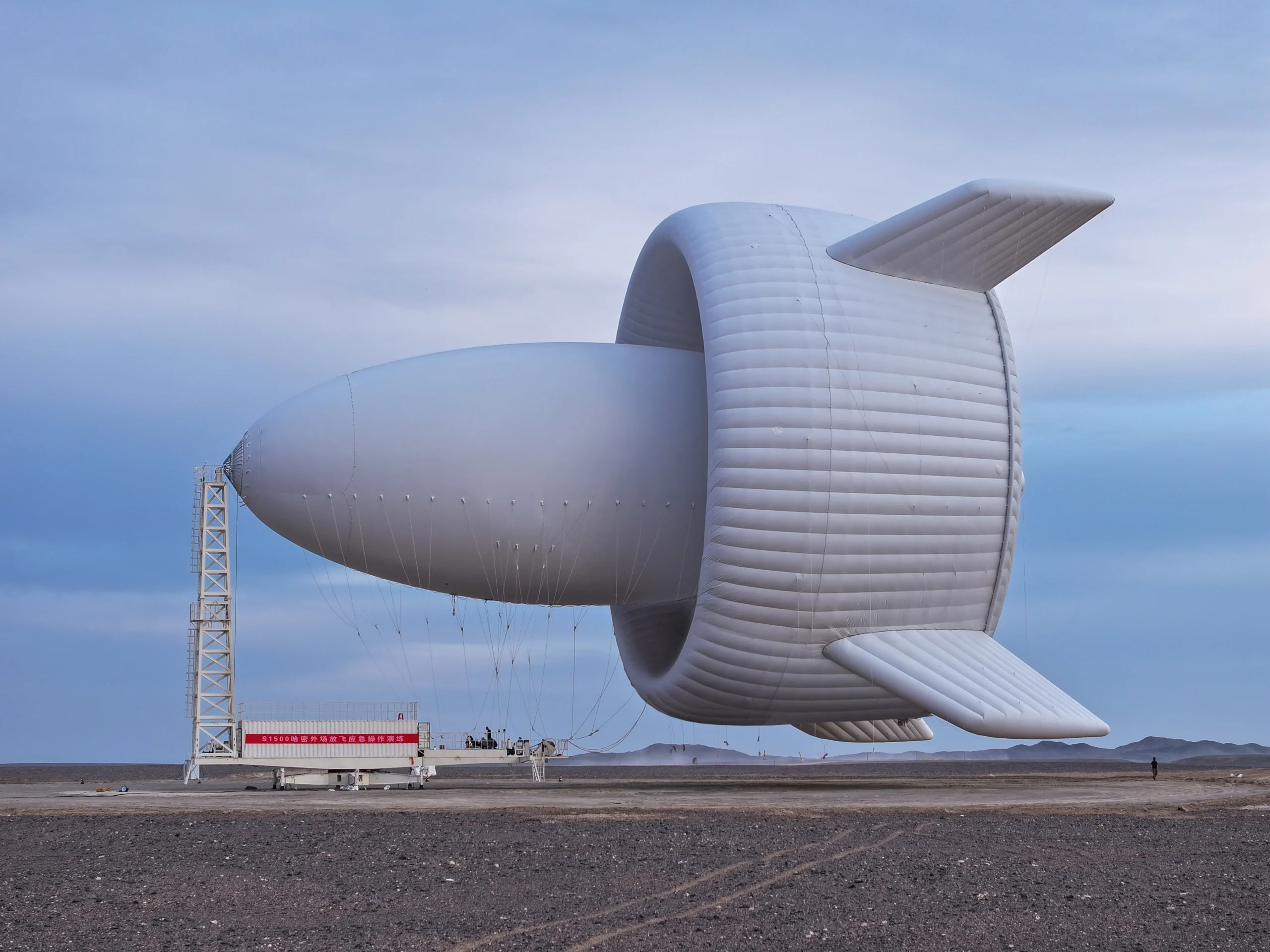
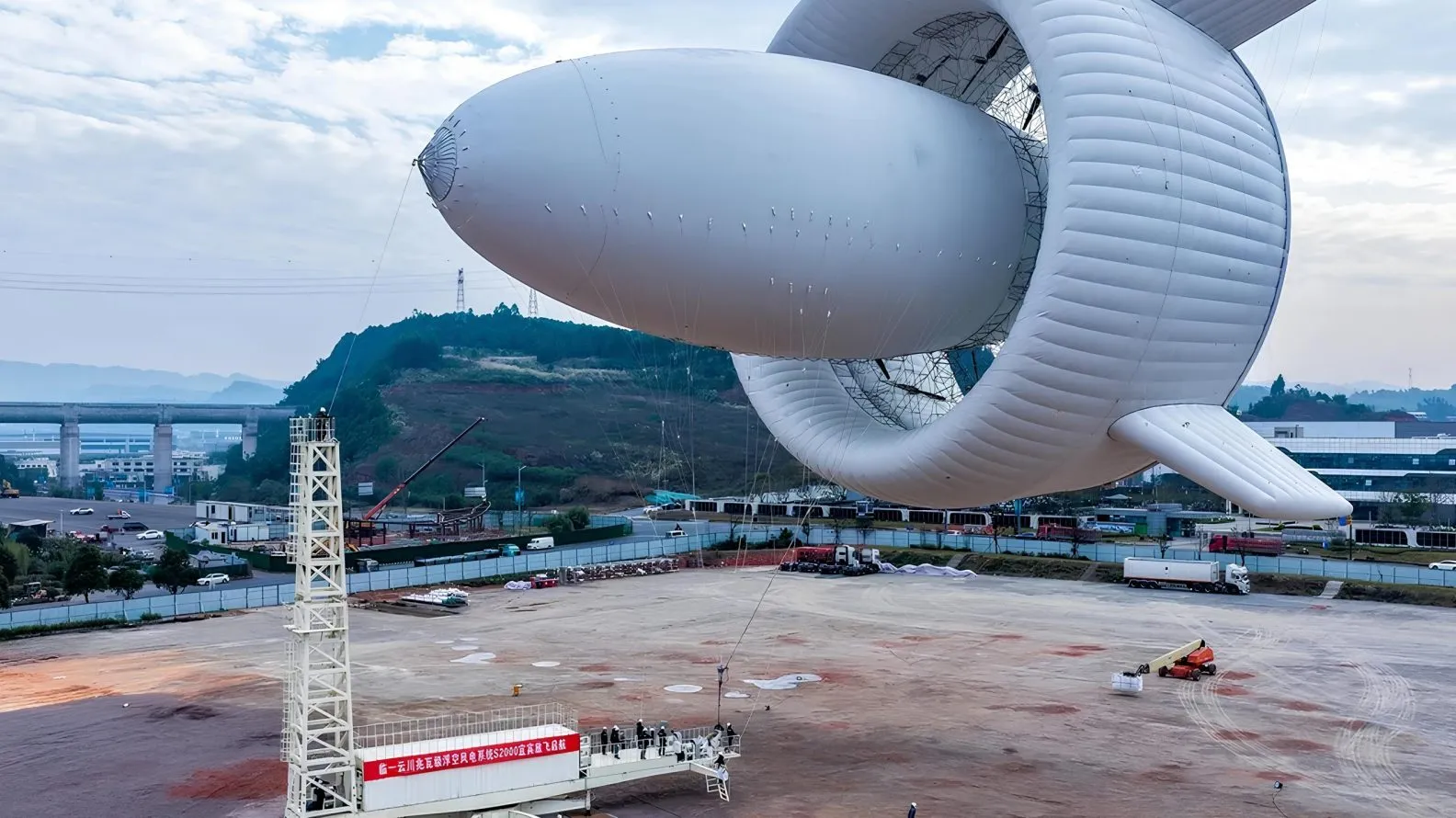
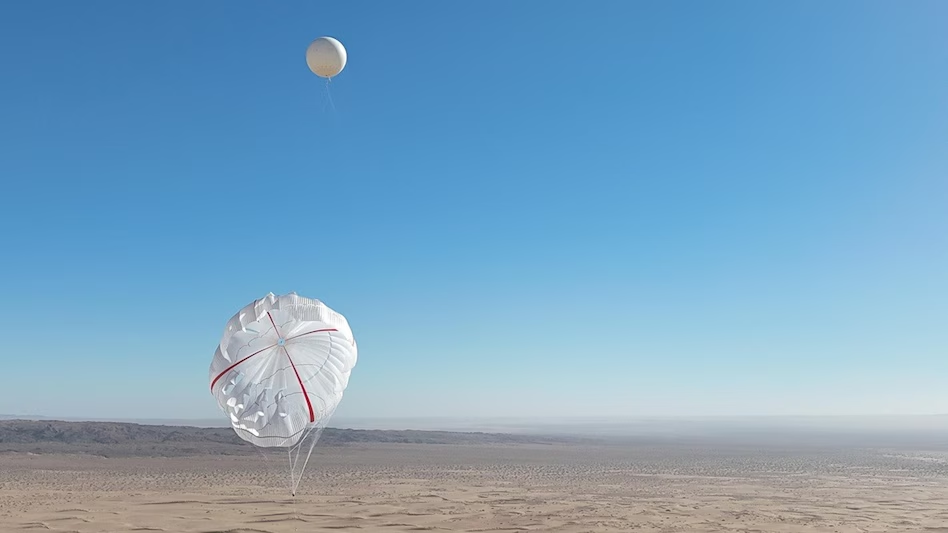
The S2000 airborne wind energy system is a revolutionary step forward in the way we generate renewable energy. Standing at 197 feet long and 131 feet wide, this massive blimp-like structure is equipped with 12 lightweight turbines that can spin continuously in the steady winds of the stratosphere. What makes the S2000 unique is its ability to float high in the sky without the need for a massive foundation like traditional wind turbines. Instead, it is tethered to the ground via a high-tension cable that also serves as a power line, transmitting the energy it collects directly to the grid.
The S2000 was developed by Beijing Linyi Yunchuan Energy Technology, a company that has spent years researching atmospheric physics and lightweight materials. The team behind this project, led by co-founders Weng Hanke and Dun Tianrui, aims to make airborne wind power a key part of the global energy transition. Their goal is to contribute a Chinese solution to the world’s energy needs, cutting down on material usage and reducing the cost of electricity.
Why High-Altitude Wind Energy is a Game-Changer

One of the most exciting aspects of the S2000 is its ability to harness high-altitude winds, which are significantly stronger and more consistent than the winds near the Earth’s surface. Ground-level wind power density is limited by turbulence and friction as winds interact with trees, buildings, and other obstacles. However, at altitudes between 328 and 8,200 feet, wind power density increases by around sixfold, making high-altitude wind a far more efficient energy source.
The S2000’s design takes advantage of this by floating at 6,560 feet, a high-energy sweet spot where the wind is constant and powerful enough to generate substantial amounts of electricity. By avoiding the turbulence of lower altitudes, the S2000 can generate more energy while minimizing the wear and tear on its turbines, leading to a more sustainable and cost-effective energy solution.
A Mobile, Flexible Energy Source
The S2000 is a mobile energy platform, making it a versatile solution for a variety of applications. Unlike traditional wind turbines, which require large, permanent structures and foundations, the S2000 can be inflated and launched in under eight hours. It fits into standard shipping containers, allowing it to be easily transported and deployed in remote locations, such as border outposts, islands, or areas without access to a traditional power grid.
This mobility is a key advantage for the system, particularly in off-grid settings where building a conventional power plant would be impractical or impossible. The ability to deploy the S2000 in a matter of hours provides a quick and efficient solution for energy production in challenging environments.
The S2000’s Impressive Power Output
During its successful test flight, the S2000 generated 385 kilowatt-hours of electricity in just 30 minutes. To put this into perspective, this is enough energy to power an average American home for nearly two weeks. The system’s capacity is even more impressive when considering its potential for scaling up. The S2000 has the potential to generate up to three megawatts of power, making it a highly efficient and cost-effective solution for renewable energy generation.
At its current output level, the S2000 could fully charge approximately 30 top-spec electric vehicles in just one hour. This makes it not only a powerful tool for powering homes and businesses but also for supporting the growing demand for electric vehicles, which rely on sustainable energy sources for charging.
Cutting Costs and Material Use
In the highly competitive renewable energy industry, cost and efficiency are critical factors. The development of the S2000 offers a significant reduction in material use, with the system’s design slashing material consumption by up to 40% compared to traditional wind turbines. This reduction in material usage leads to a 30% decrease in the cost of electricity, making airborne wind power more accessible and affordable for communities around the world.
By using helium to lift the system into the sky, the S2000 avoids the need for massive steel towers, which are a significant part of the construction cost of traditional wind turbines. This innovative approach makes airborne wind power a more viable solution for regions with limited resources or challenging terrain.
Regulatory and Maintenance Hurdles
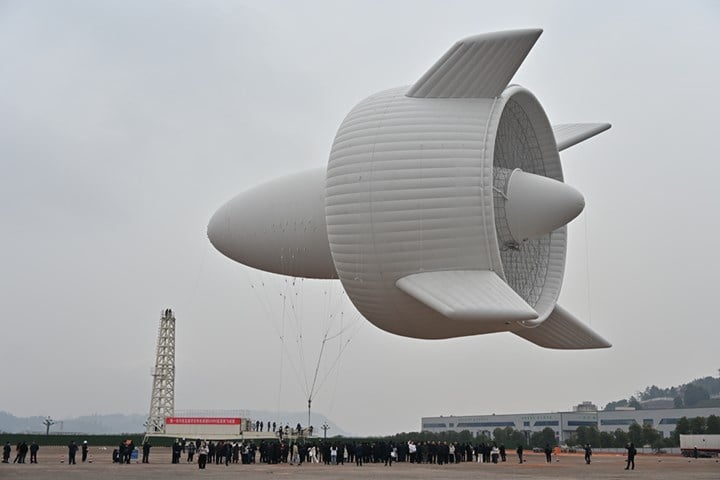
While the S2000 represents a major breakthrough in renewable energy, it is not without its challenges. One of the main obstacles it faces is the regulatory environment. In countries like the U.K. and the U.S., aviation authorities impose strict regulations on anything tethered to the sky, especially if it involves cables that extend hundreds of feet into the air. The S2000’s tethered system could potentially interfere with air traffic, and navigating these regulatory hurdles will be key to its widespread adoption.
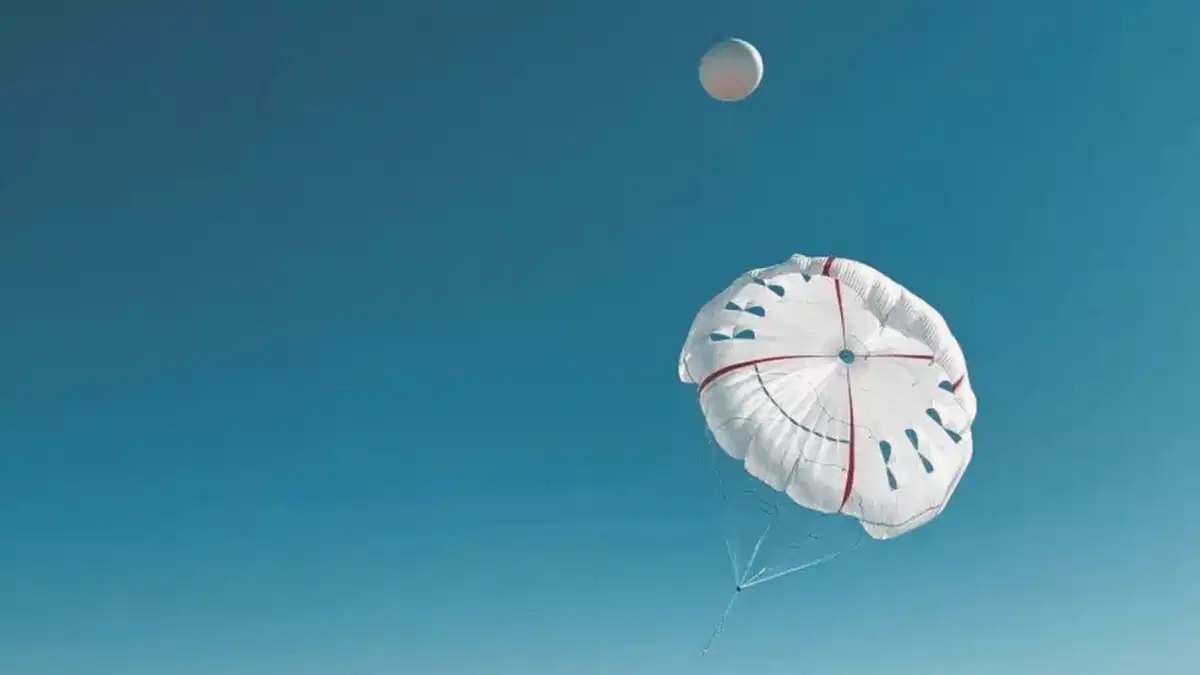
Additionally, maintenance presents a unique challenge. Traditional wind turbines can be serviced relatively easily at ground level, but the S2000, floating at 6,000 feet, requires the entire system to be winched down for repairs. While this process can be time-consuming and costly, the benefits of airborne wind power may outweigh these logistical challenges.
A Non-Renewable Resource
Another consideration for the S2000 is the reliance on helium, a non-renewable resource that is in short supply. Helium is used to lift the airborne wind turbine, but it is also critical for medical and scientific applications. As the demand for helium grows, there are concerns about the long-term sustainability of using it for energy production. Finding alternative ways to lift the system, such as using hydrogen or other lighter-than-air gases, could help alleviate some of these concerns.
However, for now, the use of helium remains a key component of the S2000’s design, and managing its use efficiently will be essential for the system’s long-term success.
The Future of Airborne Wind Power
Looking ahead, the S2000 and similar airborne wind energy systems have the potential to revolutionize the renewable energy industry. With its ability to capture the powerful winds high above the Earth’s surface, the S2000 offers an efficient and scalable solution for generating clean energy. As technology continues to improve and regulatory challenges are overcome, airborne wind power could become a major player in the global energy transition.
The success of the S2000 marks a significant milestone in the development of renewable energy technology, and it is likely that we will see more innovations in this field in the coming years. The potential for airborne wind power to complement traditional ground-based systems offers a promising future for sustainable energy.
Real-World Applications: Off-Grid and Remote Locations
The S2000 is particularly well-suited for off-grid and remote locations where traditional power generation is not feasible. In regions with limited access to infrastructure, such as remote islands or border outposts, the S2000 can provide a reliable and sustainable energy source without the need for costly and complex power plants. The ability to deploy and operate the system quickly and efficiently makes it an ideal solution for areas with urgent energy needs.
In addition to its applications in off-grid settings, the S2000 can also be used to complement existing ground-based wind farms, creating a three-dimensional approach to energy generation. This hybrid system could help optimize energy production in regions with variable wind conditions.
Scaling Up and Expanding Reach
With the success of the S2000, the next step is scaling up the technology to meet growing global energy demands. The team behind the S2000 aims to begin mass production of the system by 2026, with plans to deploy it in a variety of settings around the world. As the system becomes more refined and production costs decrease, it has the potential to play a significant role in the global transition to clean, renewable energy.
Conclusion
The S2000 airborne wind energy system represents a bold new frontier in renewable energy technology. By harnessing the power of high-altitude winds, this innovative system offers a more efficient and sustainable way to generate clean energy. While challenges remain, including regulatory hurdles and the reliance on helium, the potential of airborne wind power to revolutionize the energy landscape is undeniable. As we move toward a more sustainable future, the S2000 could become a key player in the global transition to clean, renewable energy.