
Table of Contents
- The Threat to Global Tech Infrastructure
- The Context of Rising Tensions Between Iran and the U.S.
- The Stargate AI Data Center: A Strategic Target
- Why Did Iran Target Stargate AI?
- The Impact of Rocket Strikes on Amazon AWS Data Centers
- Can Iran Follow Through on These Threats?
- Escalation Potential: A Bluff or Serious Threat?
- The Role of Satellite Imagery in Geopolitical Threats
- Global Tech Security and the Middle East
- The Future of Tech in the Middle East
- Conclusion
The Threat to Global Tech Infrastructure
The most recent threats from Iran focus on the Stargate AI data center in Abu Dhabi, which is valued at a staggering $30 billion. This state-of-the-art facility is home to some of the world’s most cutting-edge AI technologies and is essential for global data processing. As a hub for AI-driven industries, the Stargate facility plays a crucial role in the functioning of AI systems, including those used by major companies and governments around the world.
The IRGC’s specific mention of this facility signals that Iran views it as a strategic target in any future conflict. The presence of advanced technology in the Middle East, especially in countries with strong American and Israeli ties, makes these data centers prime targets for retaliatory actions in a geopolitical crisis.
The Context of Rising Tensions Between Iran and the U.S.
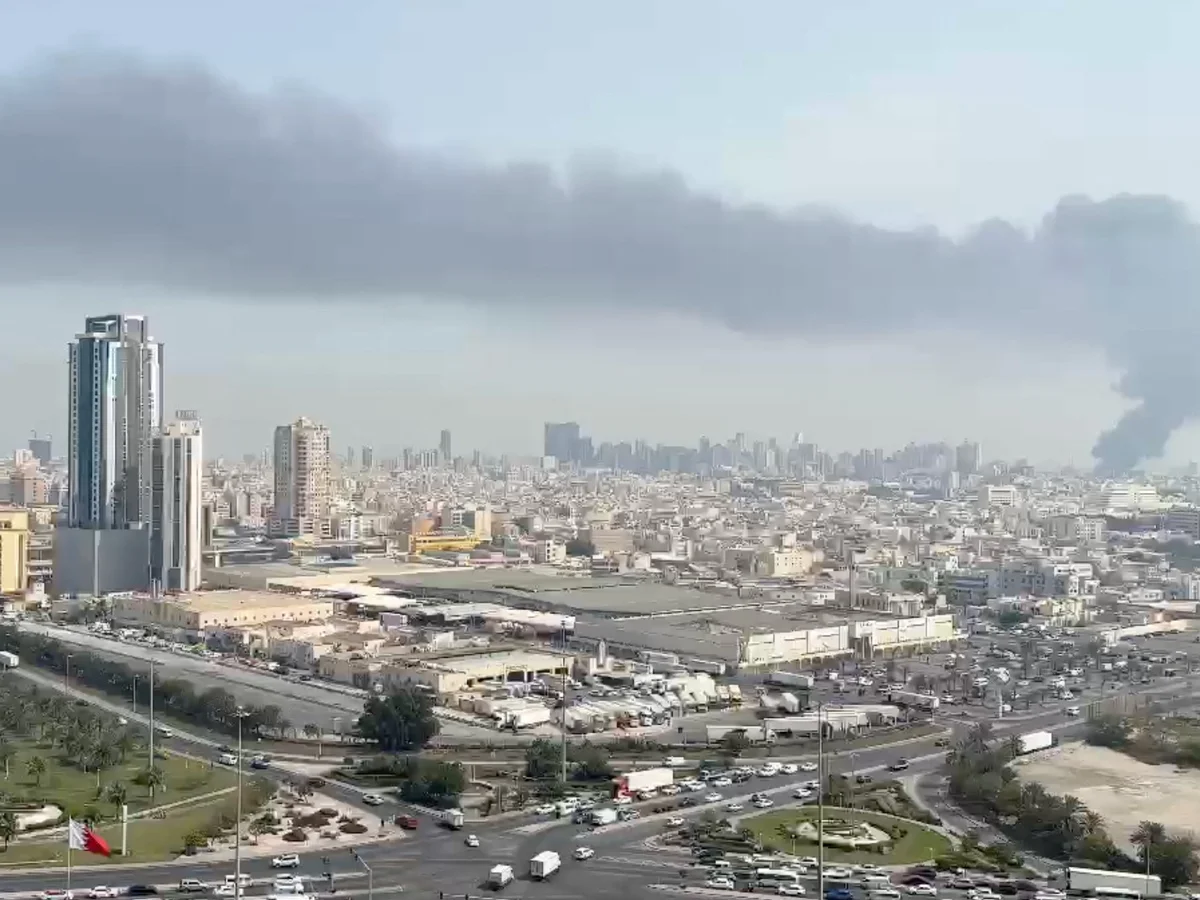
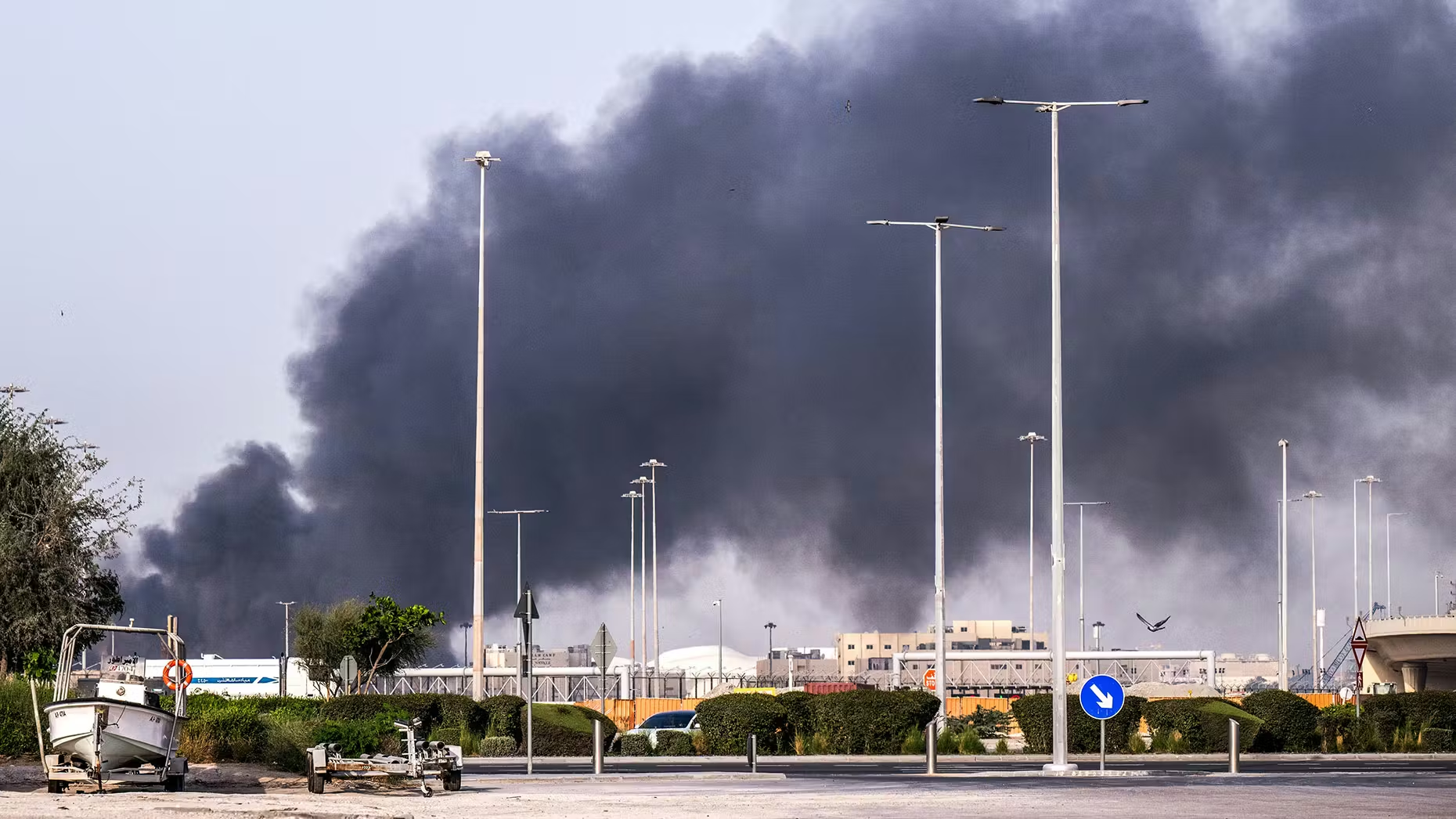
The IRGC’s threats come on the heels of heightened tensions between Iran and the United States. Over the past few months, the U.S. has reportedly inflicted damage on Iranian power infrastructure, leading to retaliatory rocket strikes targeting Amazon AWS data centers in the region. These attacks have led to temporary shutdowns, highlighting the vulnerability of tech infrastructure to geopolitical conflict.
Iran has long held grievances over U.S. actions in the region, and these new threats seem to be a direct response to perceived aggressions against its power and technological infrastructure. The message is clear: any continued interference with Iran’s resources will not go unanswered.
The Stargate AI Data Center: A Strategic Target
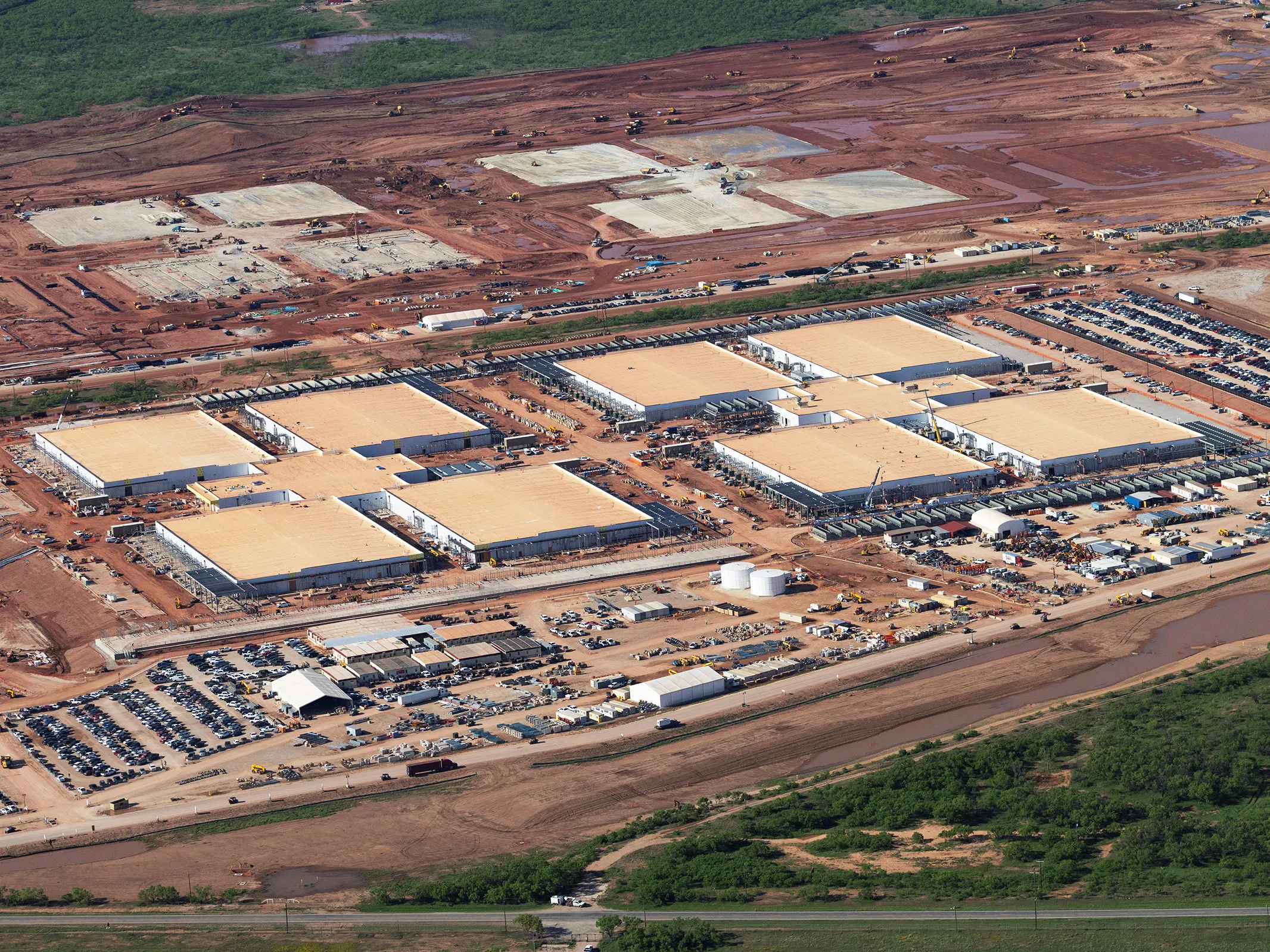
The Stargate AI data center is a key piece of the puzzle in the Middle East’s tech landscape. It serves as a critical facility for data processing, machine learning, and AI development, impacting a variety of industries from finance to healthcare. Given its significance to both U.S. and Israeli technology firms, the facility represents a linchpin in the region’s digital economy.
The mention of Stargate by the IRGC highlights its importance as a symbol of American and Israeli influence in the region. Should Iran choose to act on its threat, the repercussions could be felt not just in Abu Dhabi but across global tech ecosystems reliant on these data centers for operations.
Why Did Iran Target Stargate AI?
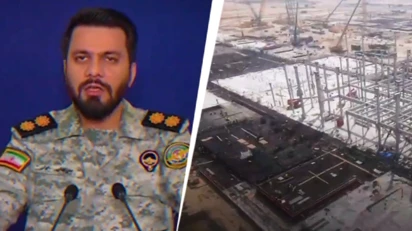
The IRGC’s specific targeting of the Stargate AI facility may seem odd at first glance, but it makes sense within the context of its broader strategy. The facility, with its ties to American and Israeli companies, is seen as a symbol of U.S. technological dominance in the region. By threatening such a high-profile target, Iran is sending a message to the U.S. and its allies that it is willing to challenge their technological infrastructure in the face of increasing political pressure.
The Stargate center’s strategic location in Abu Dhabi, an area central to both regional politics and the global tech industry, makes it a potential flashpoint in any future conflict. Iran may view taking out such a facility as a way to disrupt the technological operations of its adversaries and send a direct message of retaliation.
The Impact of Rocket Strikes on Amazon AWS Data Centers
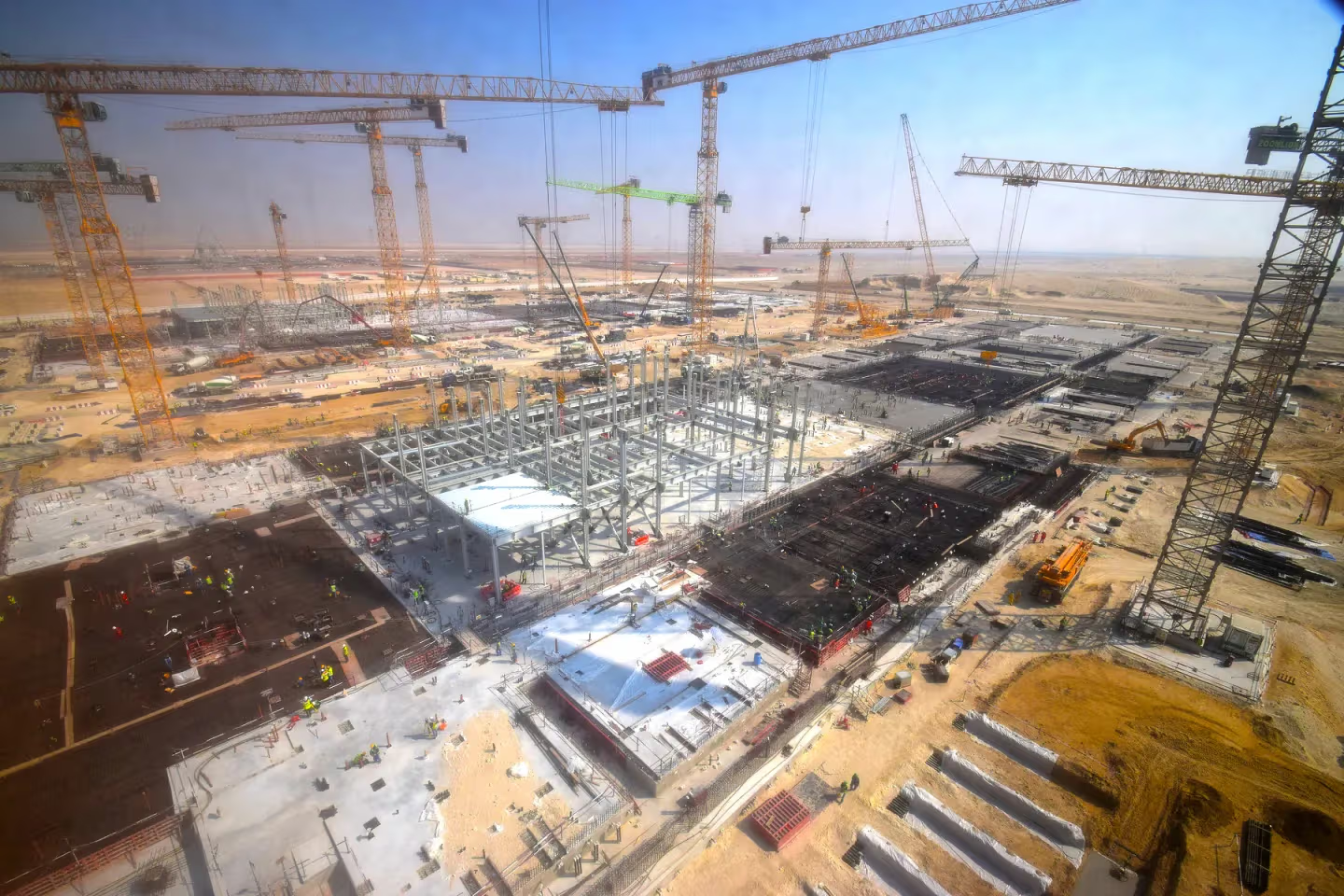
The recent rocket strikes targeting Amazon AWS data centers provide a glimpse into the vulnerability of tech infrastructure in volatile regions. While the strikes caused some disruption, they were far from catastrophic. However, they served as a stark reminder of the risks faced by companies operating in conflict zones. Data centers, which house sensitive information and are integral to the digital economy, are increasingly at risk of being targeted in geopolitical skirmishes.
These incidents have raised concerns about the security of global tech infrastructure, especially in areas prone to military conflict. As Iran continues to target tech facilities, the future of data security in the region becomes uncertain.
Can Iran Follow Through on These Threats?
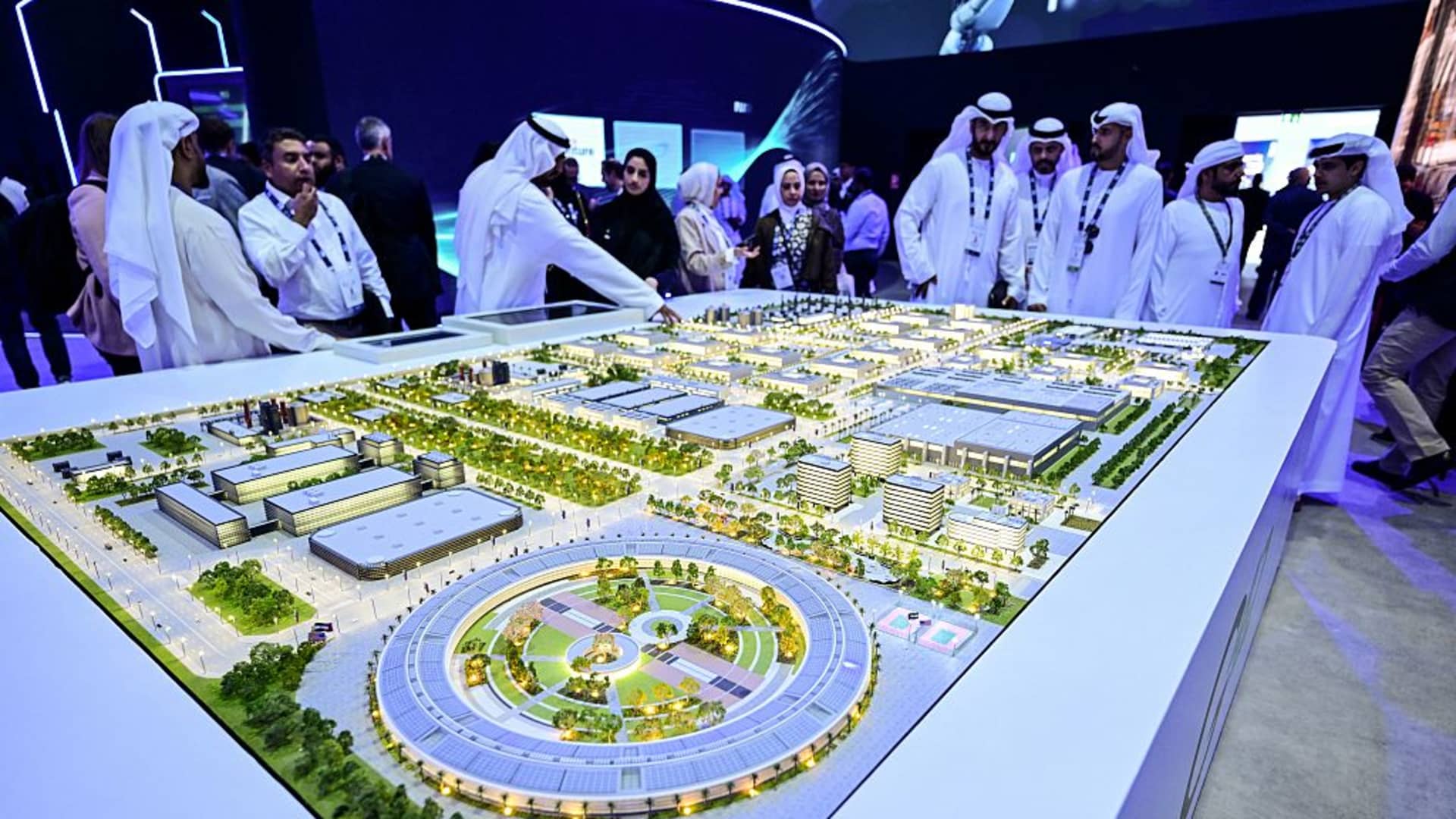
One of the key questions arising from the recent threats is whether Iran can follow through on its promise of retaliation. While the country has demonstrated the ability to carry out attacks on regional targets, striking high-tech facilities like the Stargate AI data center would require advanced capabilities, including cyberwarfare tactics and precision strikes.
Moreover, the risks of such actions are not just physical but also economic. Attacking critical tech infrastructure could spark significant global economic disruptions, affecting not only the targeted companies but also the broader digital economy. While Iran has made similar threats against other U.S. tech giants like Nvidia, Microsoft, and Apple, the feasibility of executing such a strike remains unclear.
Escalation Potential: A Bluff or Serious Threat?
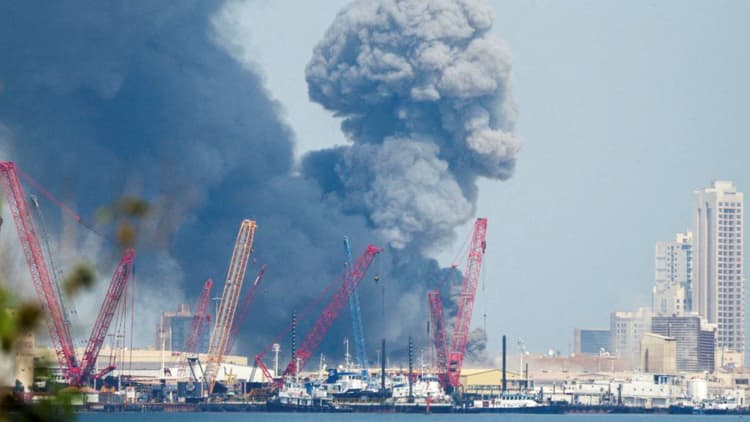
The possibility of an all-out escalation in the Middle East remains high, especially given Iran’s willingness to target American and Israeli assets. However, some experts speculate that Iran may be bluffing in order to exert pressure on its adversaries without actually following through on its threats. Given the high-stakes nature of a full-scale attack on a facility like Stargate, there are significant risks involved for Iran, including international condemnation and retaliation.
On the other hand, Iran has a history of making bold claims and following through with action. Whether this is another attempt at leveraging geopolitical tensions for negotiation or a genuine threat remains to be seen. The fact that Iran has already targeted Amazon AWS data centers in the past suggests that the potential for escalation is real, but the true scale of such a move is uncertain.
The Role of Satellite Imagery in Geopolitical Threats

Satellite imagery has played a key role in modern geopolitics, allowing both state and non-state actors to monitor and assess potential targets. In this case, Iran used satellite imagery to zoom in on the Stargate AI facility, revealing its location and threatening its destruction. The use of satellite technology in such threats demonstrates how modern warfare is increasingly digital and space-based.
The ability to track and target facilities from space has transformed the nature of military strategy, making global tech centers like Stargate prime targets for political and military actors. As the Stargate AI data center remains a focus of these tensions, the use of satellite technology in conflict will likely continue to escalate.
Global Tech Security and the Middle East
As tensions in the Middle East continue to simmer, the safety and security of global tech infrastructure are becoming increasingly important. Data centers, cloud services, and AI-driven operations are integral to the functioning of modern economies, making them vulnerable to targeted strikes in politically unstable regions.
The growing focus on Middle Eastern data centers has prompted many companies to reconsider their strategies for securing their digital infrastructure in high-risk areas. As the threat landscape evolves, companies must prioritize cybersecurity and disaster recovery protocols to safeguard their operations.
The Future of Tech in the Middle East
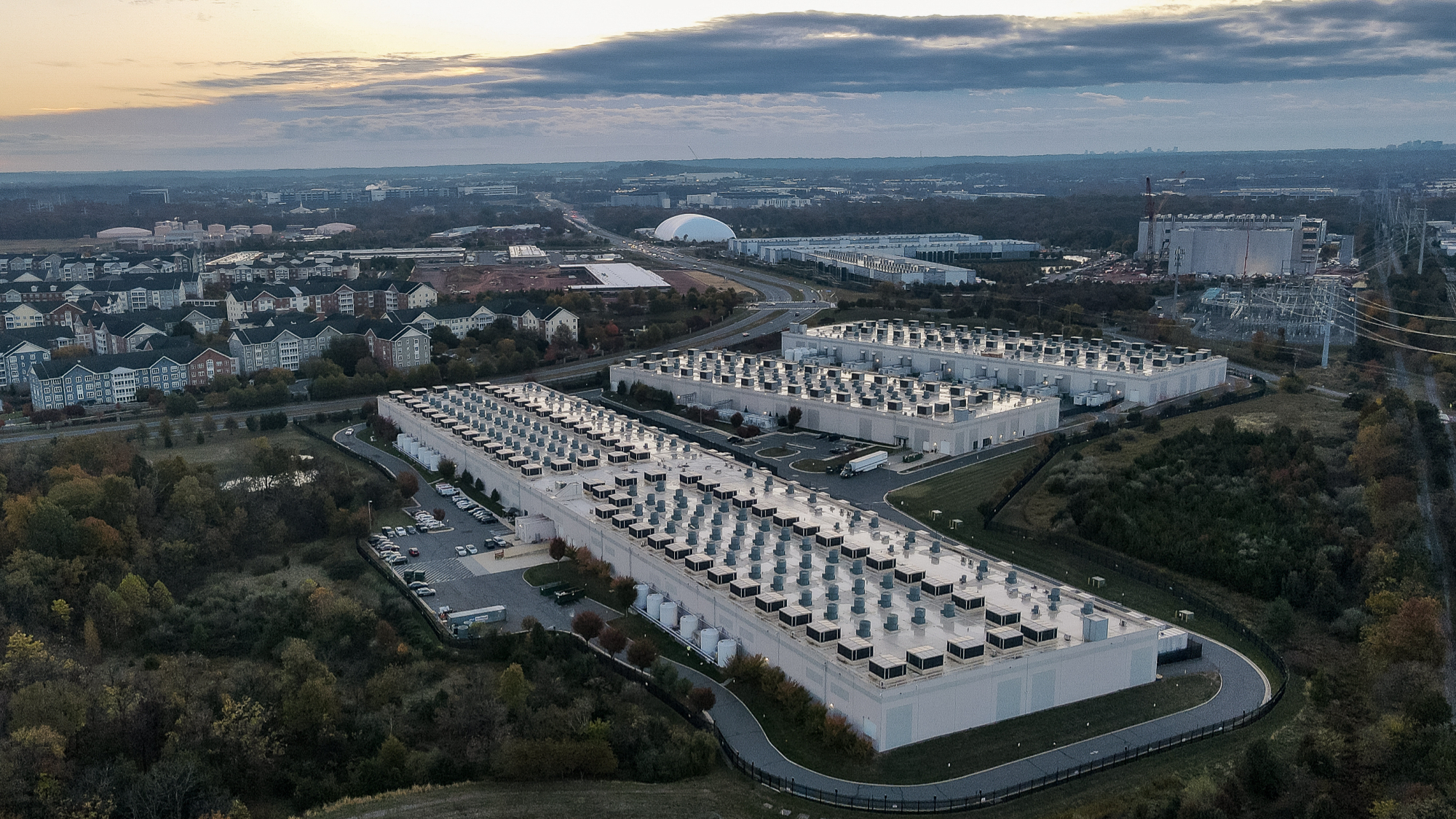
Looking forward, the future of tech infrastructure in the Middle East is uncertain. While regions like Abu Dhabi are home to state-of-the-art facilities, the risk of geopolitical tensions spilling over into direct attacks on these centers cannot be ignored. As tensions continue to rise, the need for robust cybersecurity measures and international cooperation on tech security will become more urgent.
In the coming months, the focus will likely remain on preventing further escalation and ensuring that critical tech infrastructure can withstand the pressures of geopolitical conflict. Whether Iran will act on its threats remains to be seen, but the broader implications for global tech security are undeniable.
Conclusion
Iran’s threats against U.S. and Israeli facilities, particularly the Stargate AI data center in Abu Dhabi, have raised significant concerns about the future of global tech security. As tensions in the Middle East escalate, the vulnerability of data centers and other critical infrastructure becomes more apparent. While the possibility of a direct attack remains uncertain, the impact of such a strike could be devastating, not only for the targeted facilities but for the broader digital economy. The growing use of satellite imagery and the increasing role of cyberwarfare make it clear that the future of tech security will be shaped by the geopolitical dynamics of the Middle East.