
Table of Contents
- The Resurgence of Moon Landing Conspiracy Theories
- Understanding the Root of Conspiracy Theories
- The Role of the Internet and Social Media
- Evidence That Debunks Moon Landing Hoaxes
- Why People Cling to These Theories
- The Role of NASA’s Public Outreach
- The Importance of the Artemis Program
- The Technological Advancements Behind Artemis II
- The Public’s Fascination with Space Exploration
- What the Future Holds for Artemis and Lunar Exploration
- Conclusion
The Resurgence of Moon Landing Conspiracy Theories
Despite decades of scientific evidence, a persistent group of individuals continues to believe that the United States faked the moon landings during the Apollo era. These conspiracy theories often claim that the photographs and videos from the Apollo missions were produced in Hollywood studios, or that astronauts could not survive the deadly radiation in space. While the idea of a faked moon landing might sound far-fetched, it continues to have a dedicated following, especially with the rise of social media and online forums.
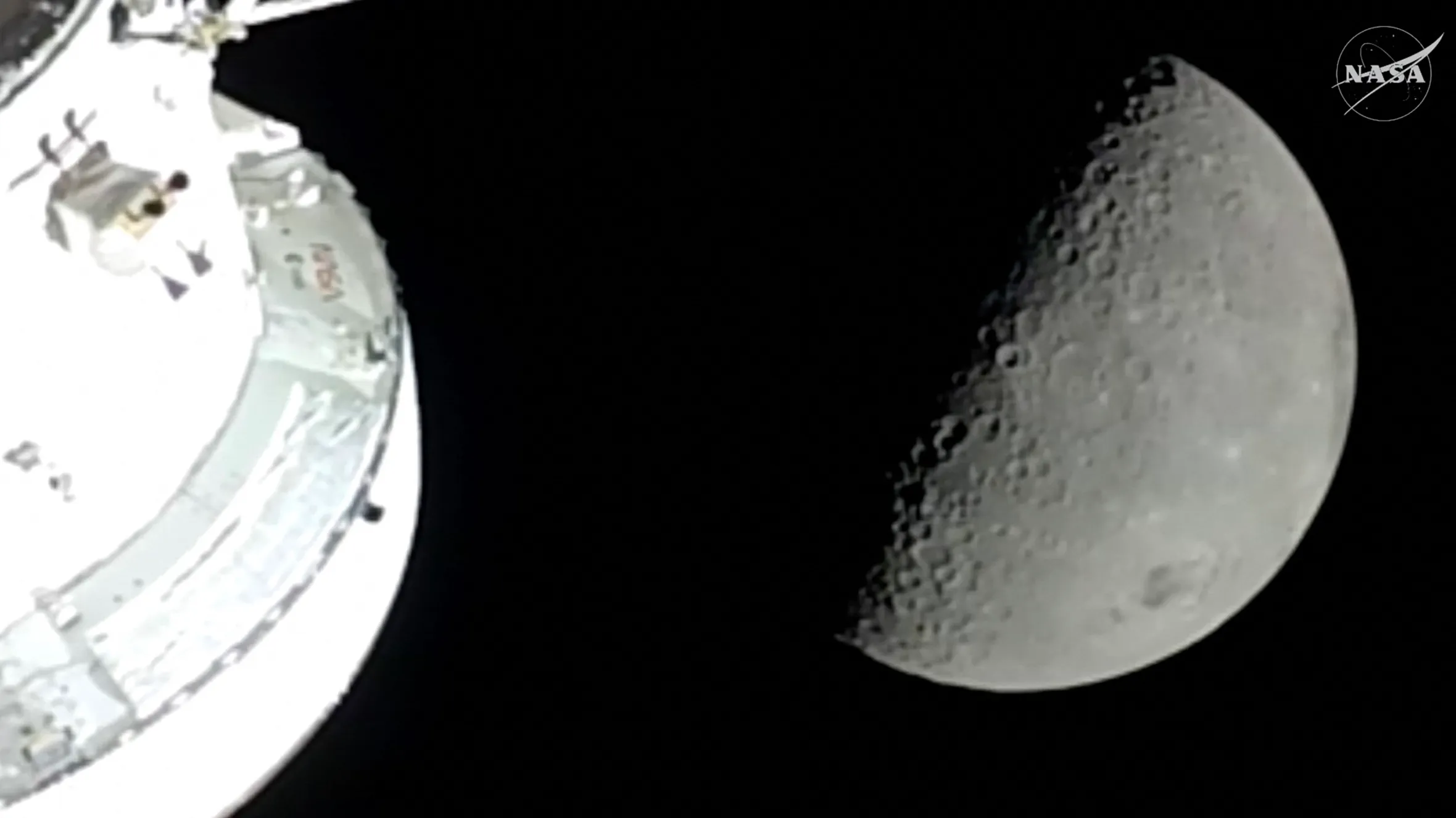
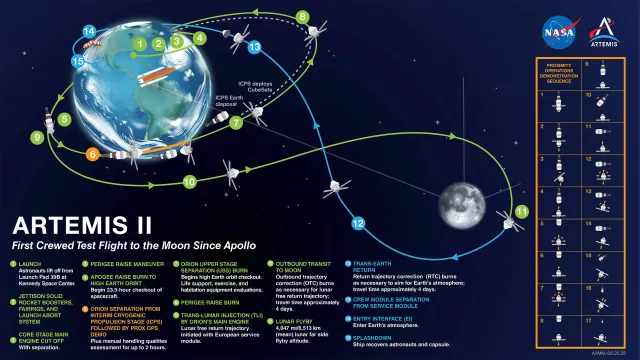
As the Artemis II mission embarks on its journey, conspiracy theories have once again gained traction. Some people argue that the current mission, which will orbit the Moon but not land, is a continuation of the “fake” narrative, suggesting that NASA is simply trying to cover up the truth about the original landings.
Understanding the Root of Conspiracy Theories
To understand why some people believe these conspiracy theories, we need to delve into the psychology behind them. A major factor is belief bias, where individuals tend to accept information that aligns with their existing beliefs, regardless of its validity. Cognitive biases, a lack of scientific literacy, and the overwhelming amount of misinformation available online make it difficult for some individuals to separate fact from fiction.
In addition, the human mind seeks explanations for complex or uncertain events. When it comes to monumental achievements like the Apollo moon landings, conspiracy theories provide an alternative narrative that can feel more “comfortable” to those who struggle to accept the technological marvels required to make such a feat possible.
The Role of the Internet and Social Media
The spread of conspiracy theories has been greatly amplified by the internet and social media platforms. These spaces allow people to share and reinforce their beliefs with others who hold similar views. The viral nature of misinformation can quickly lead to the normalization of baseless claims, and individuals may begin to distrust official sources of information, such as NASA and other scientific authorities.
During the COVID-19 pandemic, for example, conspiracy theories flourished, not only about the virus itself but also about government actions and scientific findings. This phenomenon highlights how fear, uncertainty, and social isolation can drive people toward irrational beliefs, including those about the moon landings.
Evidence That Debunks Moon Landing Hoaxes
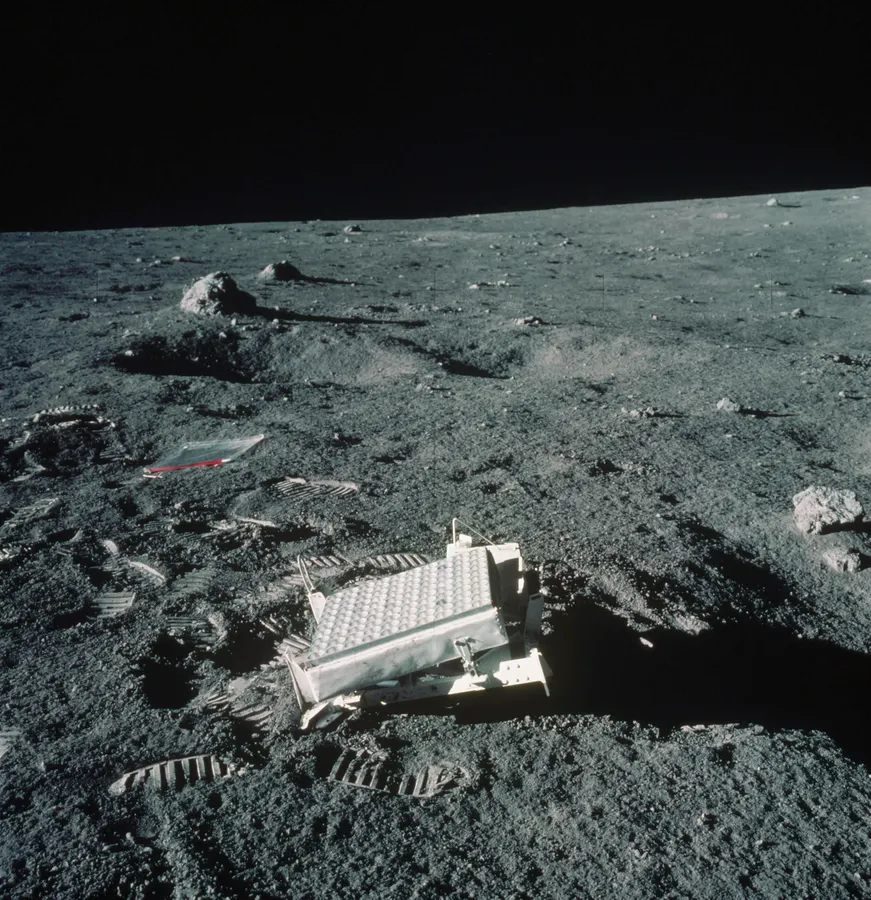
One of the most effective ways to counter conspiracy theories is to present irrefutable evidence. Over the years, several key pieces of evidence have proven the authenticity of the Apollo missions and the moon landings. For instance, the retroreflectors left on the lunar surface by the Apollo 11, 14, and 15 missions continue to be used today to measure the distance between the Earth and the Moon. These reflectors, which bounce laser beams back to Earth, remain a tangible proof of humanity’s presence on the Moon.
Additionally, lunar rock samples brought back by Apollo astronauts have been extensively studied and are unlike any terrestrial rocks. These samples are unique to the Moon and have been analyzed by scientists from around the world. Furthermore, the technology used during the Apollo missions, including the Saturn V rocket and the Lunar Module, has been thoroughly documented and verified by experts in the field.
Why People Cling to These Theories
Despite the overwhelming evidence, people continue to cling to conspiracy theories about the moon landings. This can be attributed to several factors, including a general distrust of government agencies and institutions, an inherent desire for mystery and intrigue, and the power of echo chambers in online communities. Some individuals may also feel a sense of pride in being “aware” of hidden truths, which reinforces their belief in alternative explanations.
As a scientist and educator, I have seen this phenomenon time and time again in other areas, from climate change denial to skepticism about vaccines. In each case, the desire to believe in something outside the mainstream narrative often overrides the available scientific evidence.
The Role of NASA’s Public Outreach
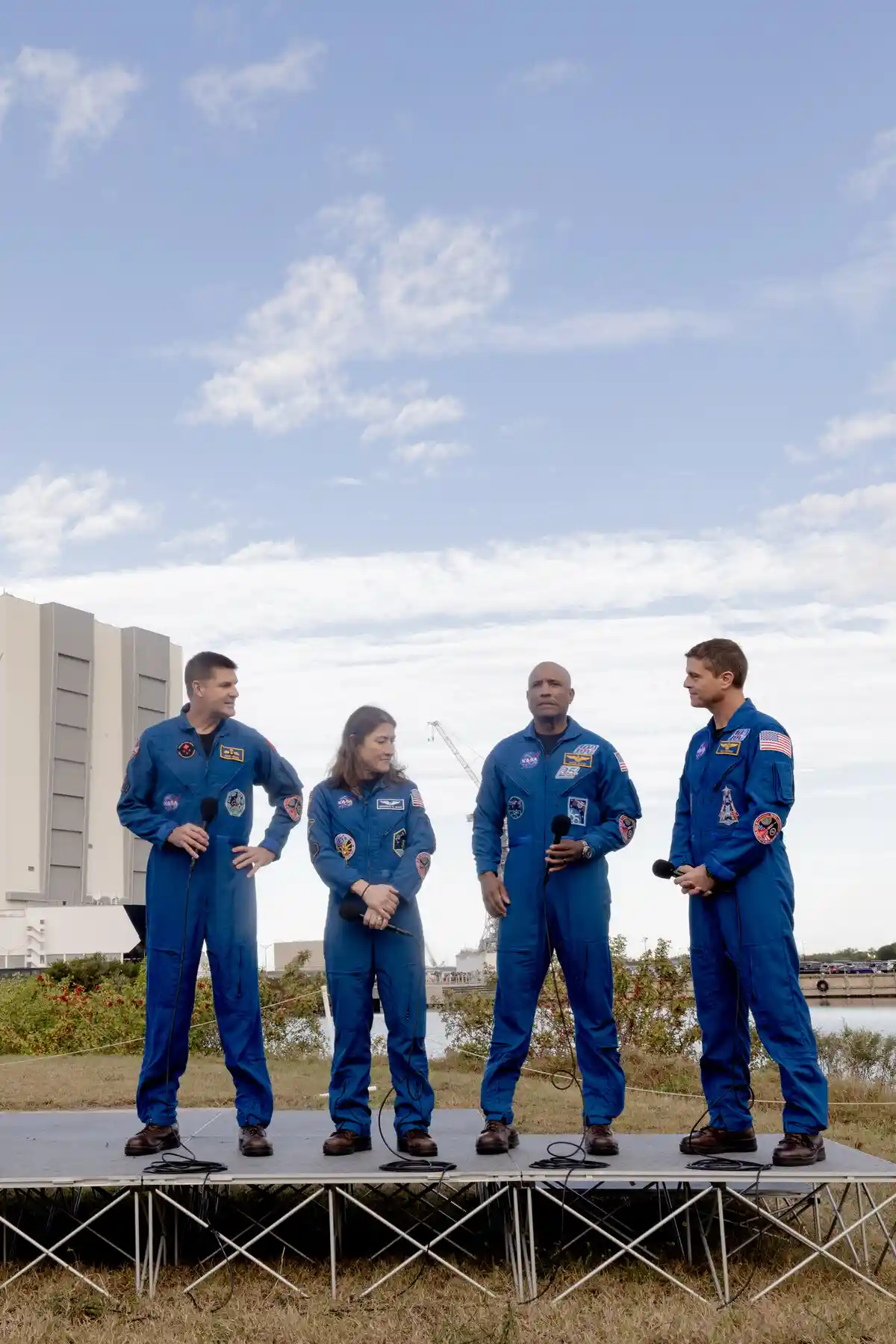
NASA has long been a target for conspiracy theorists, who often claim that the space agency has covered up or manipulated information to maintain control over public perception. However, NASA has made significant efforts to engage the public and increase transparency about its missions. From live-streaming space events to publishing detailed mission reports and data, NASA has worked hard to combat misinformation and provide accessible information to the public.
One of the most significant steps NASA has taken in recent years is the Artemis program, which aims to return humans to the Moon and eventually send astronauts to Mars. The Artemis II mission, which will orbit the Moon but not land, is an important step in this journey and serves as a reminder that NASA’s goals are focused on exploration and scientific discovery, not deception.
The Importance of the Artemis Program
The Artemis program is not just a continuation of NASA’s lunar exploration efforts but also a step toward humanity’s future in space. The Artemis missions will lay the groundwork for sustainable human exploration on the Moon, which will ultimately serve as a testing ground for future missions to Mars and beyond.
Artemis II, though not involving a lunar landing, will provide valuable data on spacecraft systems and human performance in deep space. This mission is a precursor to the more ambitious Artemis III mission, which will see astronauts return to the lunar surface. These missions represent the next frontier of space exploration and demonstrate NASA’s commitment to pushing the boundaries of human knowledge and capability.
The Technological Advancements Behind Artemis II
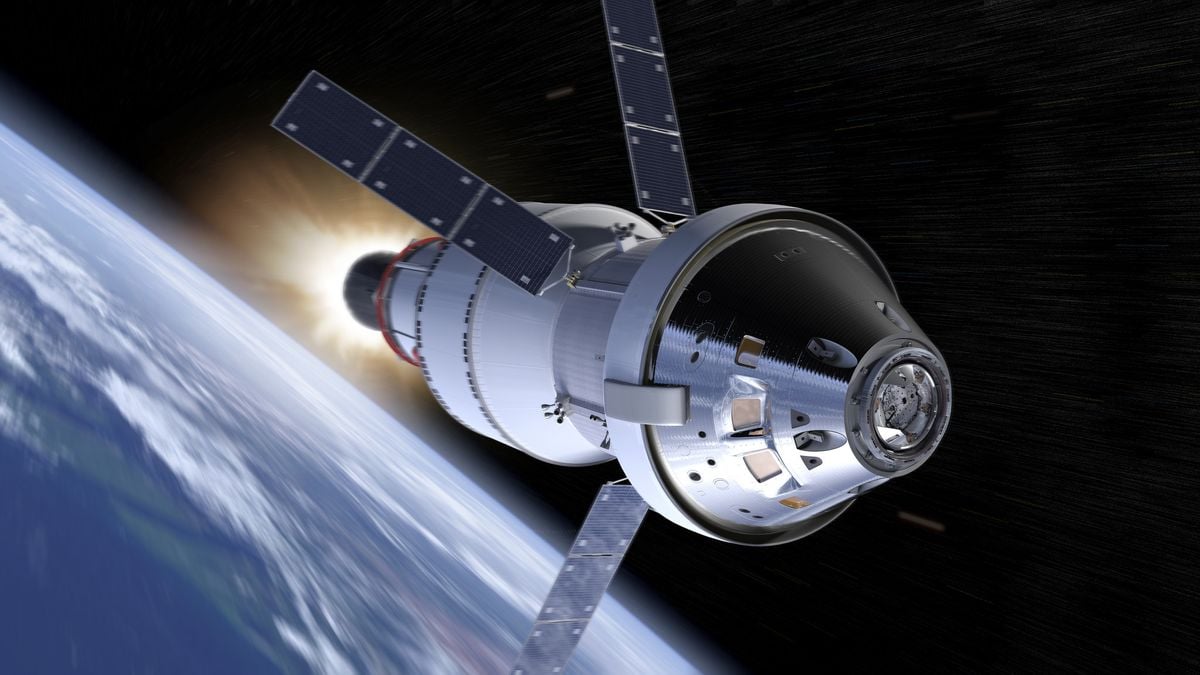
One of the most exciting aspects of the Artemis II mission is the technological advancements that have been made since the Apollo era. The spacecraft being used for Artemis II is significantly more advanced than the ones used during the Apollo missions. The Orion spacecraft, for instance, is equipped with state-of-the-art life support systems, navigation technology, and communication systems that will allow astronauts to stay in deep space for extended periods of time.
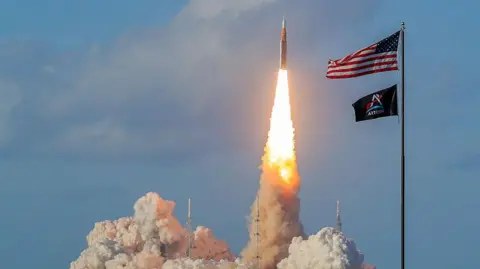
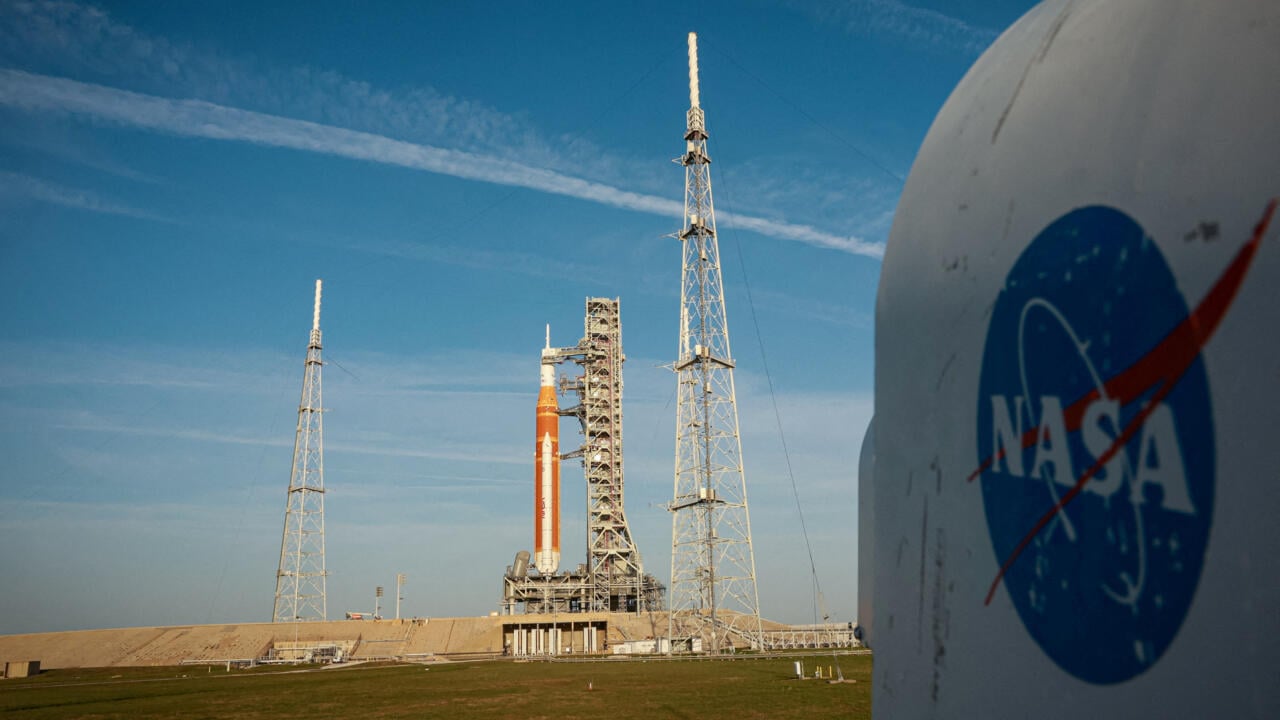
Additionally, the Space Launch System (SLS), which will carry the crew to the Moon, is the most powerful rocket ever built. The SLS is designed to be capable of sending astronauts and cargo to destinations beyond low Earth orbit, including Mars. This rocket is a testament to NASA’s ongoing commitment to innovation and its vision for the future of space exploration.
The Public’s Fascination with Space Exploration
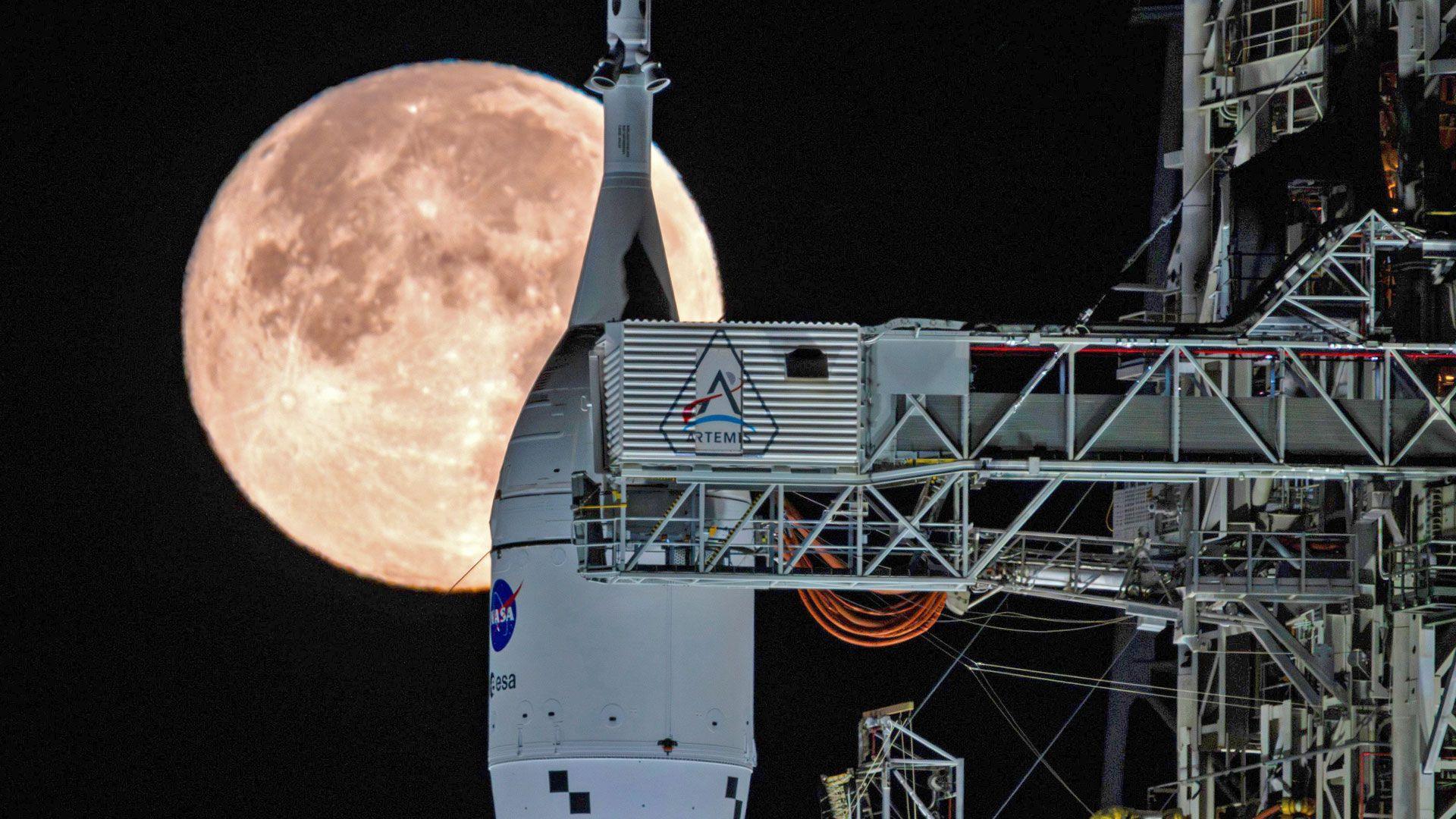
The fascination with space exploration has never waned. From the earliest days of the space race to the current era of lunar exploration, humans have been captivated by the idea of reaching beyond our planet and exploring the unknown. The Artemis program is reigniting that sense of wonder, and the public’s enthusiasm for space missions continues to grow.
This excitement is evident in the widespread coverage of Artemis II, which has garnered significant attention from the media and the public alike. The mission has been hailed as a triumph of human ingenuity and perseverance, and it is inspiring a new generation of scientists, engineers, and explorers.
What the Future Holds for Artemis and Lunar Exploration
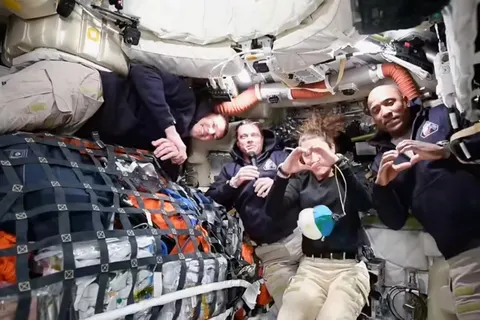
Looking ahead, the Artemis program will continue to pave the way for humanity’s return to the Moon and beyond. With plans to establish a sustainable lunar base and conduct groundbreaking scientific research, Artemis is laying the foundation for future missions to Mars. The Artemis II mission, though a relatively small step in the grand scheme of things, marks a crucial milestone in NASA’s journey to explore the cosmos.
As the Artemis program progresses, we can expect to see more exciting developments in space technology, including advancements in propulsion systems, life support, and space habitats. The future of space exploration is bright, and with it comes the promise of new discoveries, new frontiers, and new opportunities for humanity to expand its reach into the stars.
Conclusion
The Artemis II mission represents the next chapter in humanity’s exploration of space. While conspiracy theories about the moon landings may continue to circulate, the evidence supporting the reality of the Apollo missions is undeniable. As NASA pushes forward with the Artemis program, we can look forward to even more exciting achievements in the coming years, including the return of astronauts to the lunar surface and the eventual journey to Mars. These missions are not just about exploring the Moon but about setting the stage for humanity’s future in the cosmos.