
Table of Contents
- What is Crouzon Syndrome?
- Causes and Symptoms of Crouzon Syndrome
- The Role of Plastic Surgery in Treating Crouzon Syndrome
- Calvarial Vault Remodeling Surgery
- LeFort 3 and Facial Bipartition Surgeries
- Box Osteotomy Surgery
- Orthognathic Surgery and Rhinoplasty
- The Challenges and Benefits of Crouzon Syndrome Surgery
- Psychological Impact on Parents and Children
- The Future of Crouzon Syndrome Treatment
- Conclusion
What is Crouzon Syndrome?
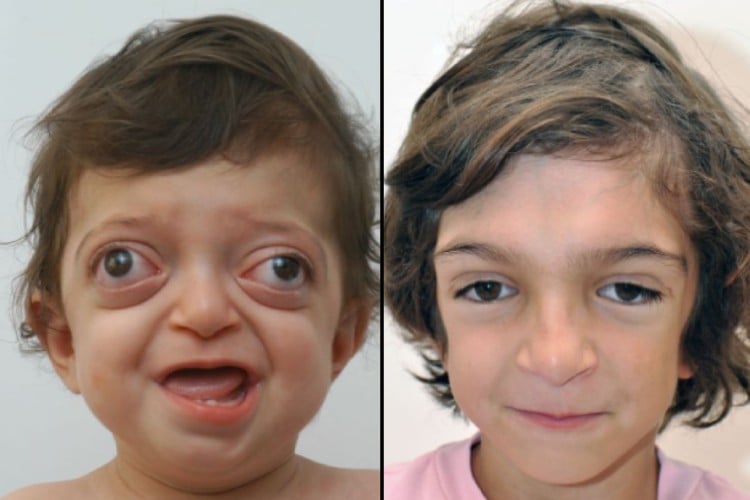
Crouzon syndrome is a congenital disorder that affects the cranial sutures, the fibrous joints between the skull bones. In infants with this condition, the sutures fuse prematurely, hindering the skull’s ability to expand normally as the brain grows. This leads to a number of visible and functional abnormalities, including wide-set eyes, shallow eye sockets, and a narrow nose. Additionally, children with this syndrome may have underdeveloped jaws or cleft lips and palates. Crouzon syndrome is a form of craniosynostosis, and it is estimated to affect one in every 60,000 newborns.
While Crouzon syndrome causes noticeable changes to a child’s appearance, it does not affect cognitive function. Children with the condition are typically intellectually normal, but the physical challenges they face can be severe if left untreated. That’s why timely plastic surgeries have become a crucial part of managing the condition.
Causes and Symptoms of Crouzon Syndrome
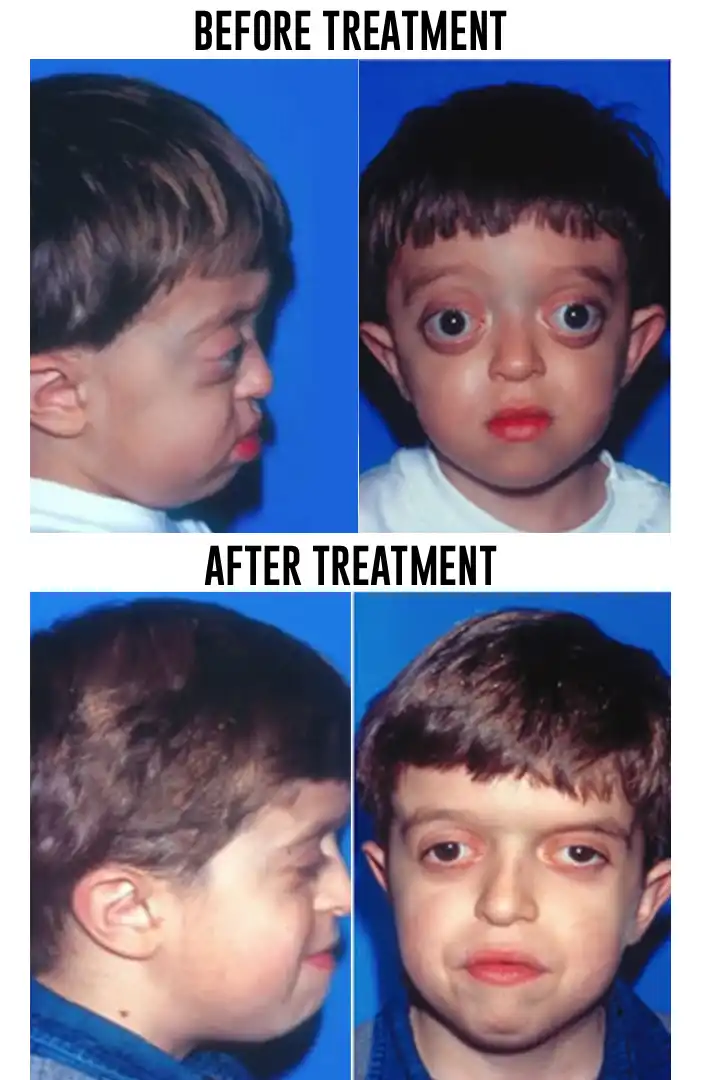
The cause of Crouzon syndrome lies in mutations in the FGFR2 gene, which plays a role in bone development. When these mutations occur, they cause the skull bones to fuse prematurely, preventing the normal growth of the skull and facial bones. This results in the characteristic facial features of Crouzon syndrome, such as bulging eyes and a beak-shaped nose.
Other common symptoms include hearing loss due to narrow ear canals, cleft lip or palate, and underdeveloped jaws. In some cases, the condition can also cause increased pressure within the skull, leading to further complications like developmental delays or visual problems.
The Role of Plastic Surgery in Treating Crouzon Syndrome
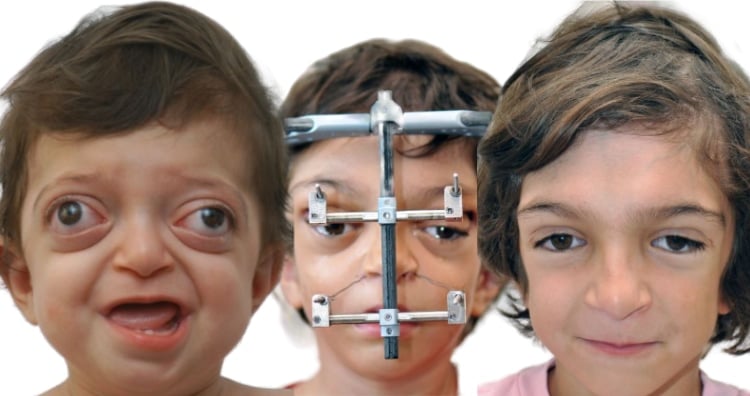
Treatment for Crouzon syndrome usually involves a series of corrective surgeries that aim to improve both the appearance and function of the child. These surgeries are complex and require a multidisciplinary team of specialists, including pediatricians, neurosurgeons, oral surgeons, ophthalmologists, and plastic surgeons. The goal is to relieve the physical deformities caused by the condition while also ensuring that the child can function normally.
The surgical procedures for Crouzon syndrome are carried out in stages, starting in infancy and continuing into adolescence. These surgeries may involve reshaping the skull to alleviate pressure on the brain, correcting midface abnormalities, and realigning the jaw and nose.
Calvarial Vault Remodeling Surgery
The first and most common surgery for children with Crouzon syndrome is calvarial vault remodeling. This procedure is typically performed when the child is less than one year old. The goal of the surgery is to reshape the skull to allow for proper brain growth and to alleviate increased intracranial pressure. By removing portions of the skull and repositioning the bones, surgeons can create more space for the growing brain and improve the overall shape of the head.
This early intervention is crucial, as it can prevent cognitive issues that may arise from the abnormal skull growth. The surgery also helps with the alignment of the eyes and forehead, reducing the appearance of bulging eyes and a flattened forehead.
LeFort 3 and Facial Bipartition Surgeries
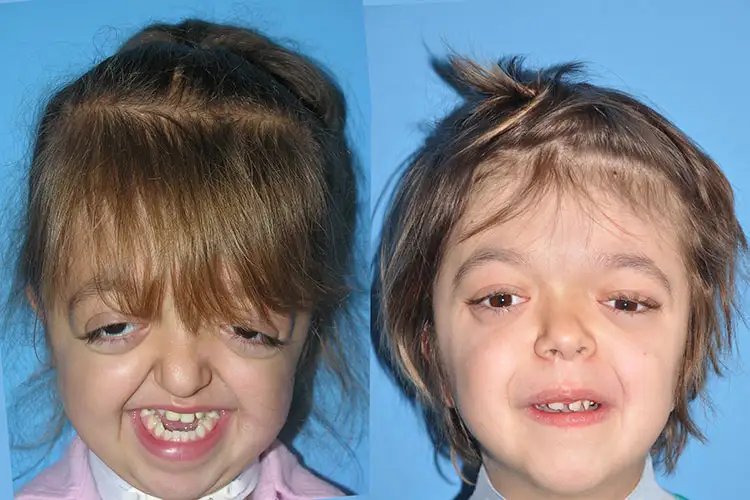
As the child grows, additional surgeries may be required to correct midface abnormalities. LeFort 3 surgery is typically performed between the ages of seven and ten and is designed to correct the alignment of the upper jaw and midface. This surgery helps to improve facial appearance and function, particularly in cases where the child has a severely underdeveloped midface.
Facial bipartition (monobloc) surgery is often performed alongside LeFort 3 surgery to further align the forehead with the midface. This procedure is also carried out between the ages of seven and ten and plays a key role in correcting the facial structure to create a more balanced and natural appearance.
Box Osteotomy Surgery
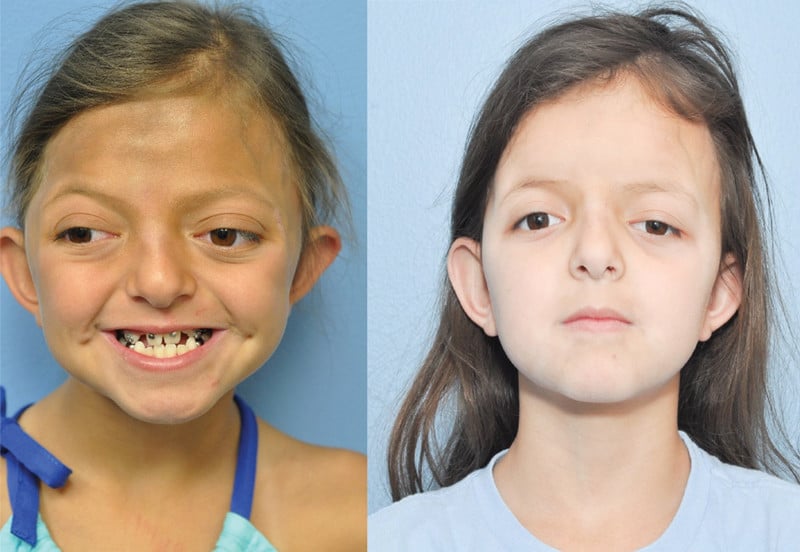
Box osteotomy is a surgery performed around the age of 12, once the child has developed permanent canine teeth. This procedure involves narrowing the distance between the eyes to improve facial symmetry. By cutting and repositioning the bones around the eye sockets, the surgeon can enhance the child’s appearance, making the eyes appear more centered and aligned.
This surgery is essential in creating a more natural and aesthetically pleasing facial structure, which can significantly improve the child’s self-esteem as they grow older.
Orthognathic Surgery and Rhinoplasty
Orthognathic surgery, performed around the ages of 16 to 18, is aimed at improving the function of the jaw. This surgery realigns the jaw bones to improve biting and chewing functions. By addressing issues like an underdeveloped jaw, this surgery plays an essential role in helping the child eat and speak more easily.
Rhinoplasty, the final stage of facial surgery, is performed to improve the projection of the nose. Using rib grafts, the surgeon reshapes the nose to create a more natural and symmetrical appearance. This surgery is typically performed once the child reaches their late teenage years, after facial growth has stabilized.
The Challenges and Benefits of Crouzon Syndrome Surgery
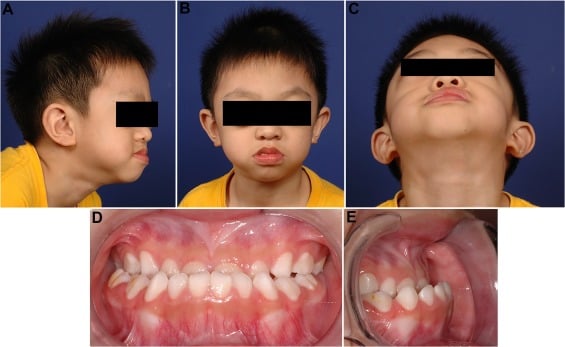
The process of treating Crouzon syndrome with plastic surgeries is long and complex. It requires careful planning and coordination among the medical team, parents, and the child. The surgeries are performed in stages, with the first interventions beginning in infancy and continuing into late adolescence. While the surgeries may be challenging, they offer significant benefits to the child’s appearance, health, and overall quality of life.
In many cases, the surgeries can reduce or eliminate the physical deformities caused by Crouzon syndrome, helping the child lead a more normal life. The surgeries also help prevent complications like cognitive delays, airway obstructions, and vision problems, which can arise if the condition is left untreated.
Psychological Impact on Parents and Children
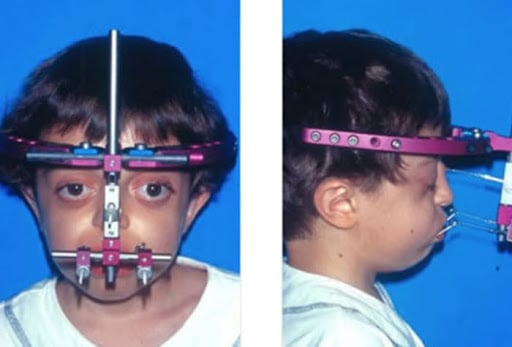
For parents of children with Crouzon syndrome, the journey can be emotionally taxing. Many parents feel a sense of guilt, worry, and stress as they navigate the complex treatment process. Counseling is often recommended to help parents cope with these feelings and to provide them with emotional support.
Children who undergo multiple surgeries may also face emotional challenges as they grow older. They may experience self-esteem issues due to their appearance or the challenges they face during the recovery process. However, with the support of their families and medical teams, most children are able to overcome these challenges and grow into confident individuals.
The Future of Crouzon Syndrome Treatment
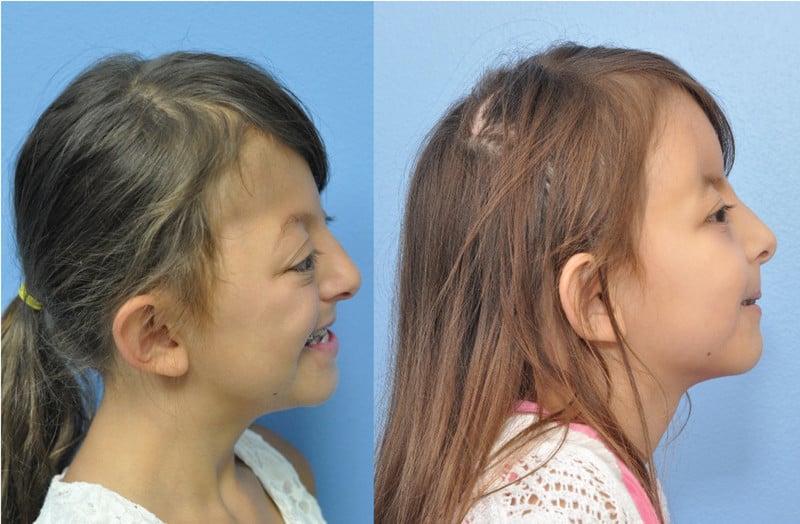
With advancements in medical technology and surgical techniques, the future for children with Crouzon syndrome looks brighter than ever. Minimally invasive surgeries, endoscopic procedures, and the use of advanced imaging technologies have all contributed to better outcomes for patients. The ongoing research into craniofacial disorders is likely to lead to even more effective treatments in the future, allowing for quicker recoveries and fewer complications.
Additionally, the development of genetic therapies and early detection methods may provide new ways to prevent or mitigate the effects of Crouzon syndrome before symptoms appear. As we continue to improve our understanding of genetic disorders, children with Crouzon syndrome will have an even greater chance of leading healthy and fulfilling lives.
Conclusion
Crouzon syndrome is a complex and challenging condition, but thanks to medical advancements and specialized plastic surgeries, children with this disorder can lead happy, healthy lives. The treatment process is long, involving multiple surgeries over the course of many years, but the results are worth the effort. Thanks to the dedication of medical teams and the unwavering support of parents, children with Crouzon syndrome can look forward to a future where their condition no longer limits their potential.