
Table of Contents
- The Heartbreaking Disappearance of Mao Yin
- A Mother’s Unwavering Dedication
- The Impact of China’s One-Child Policy
- Finding Strength in Adversity
- The Role of DNA and Facial Recognition Technology
- The Long-Awaited Reunion
- The Man Mao Yin Became
- Coping with the Aftermath
- The Role of Social Media in Modern Reunions
- A New Chapter for Mother and Son
- Conclusion
The Heartbreaking Disappearance of Mao Yin
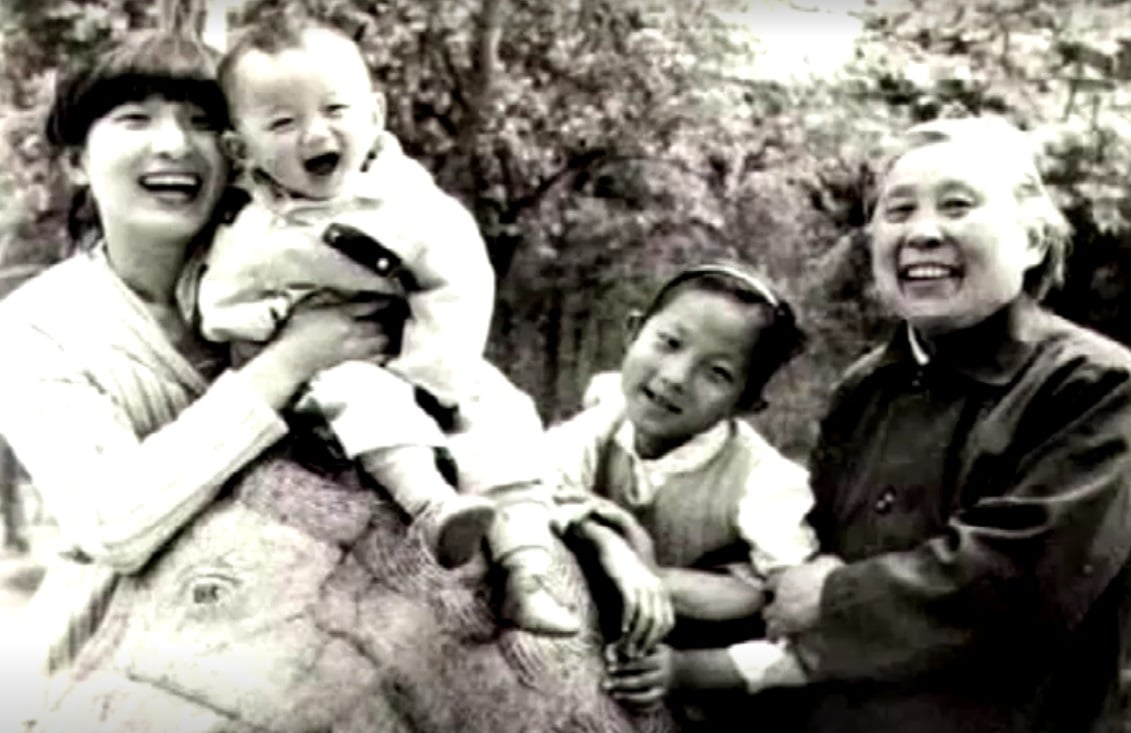
Jingzhi’s life changed forever in October 1988. Her two-year-old son, Mao Yin, was taken while his father briefly left him at a family-owned hotel to get him some water. It was supposed to be a routine errand, but when he returned, Mao Yin was gone. What followed was a heart-wrenching and exhausting search. Jingzhi and her husband scoured the city of Xi’an, putting up thousands of flyers, contacting the police, and even offering rewards. Yet, despite their efforts, there was no sign of their son.
As time passed, the desperation grew. The young couple’s world had turned upside down. What was initially thought to be a simple lost child case soon revealed a darker reality. The one-child policy, which was in full effect at the time, had fueled a black market for child trafficking, particularly for male children. Unfortunately, Jingzhi was unaware of this troubling issue at the time.
A Mother’s Unwavering Dedication
Despite the pain and heartbreak, Jingzhi’s determination never wavered. Even as her marriage fell apart—her obsession with finding Mao Yin was consuming, leading to a divorce—she remained relentless in her search. Every weekend, she traveled to different provinces, chasing down every lead, no matter how faint. In the absence of answers, her hope remained unshaken.
Jingzhi’s journey took her to multiple Chinese provinces, and her desperation only grew stronger with each dead-end. But she never gave up. Her unwavering belief that one day she would find her son sustained her, even through the darkest moments.
The Impact of China’s One-Child Policy
In 1979, China’s one-child policy was introduced to control the country’s rapidly growing population. This policy, while designed to reduce poverty, also led to an unfortunate surge in child abductions, particularly of boys. Parents, desperate for male heirs to carry on the family name, often resorted to illegal means to acquire them. This context became painfully clear to Jingzhi years after Mao Yin’s disappearance, but at the time, she couldn’t fathom that her son had been taken for this very reason.
Jingzhi began to work alongside other parents whose children were also missing. She helped create a network of volunteers, working with them to distribute flyers and investigate leads. Through her tireless efforts, Jingzhi eventually became involved with Baby Come Home, a volunteer organization dedicated to helping reunite families with missing children.
Finding Strength in Adversity
After nearly two decades of searching, Jingzhi was still determined to find Mao Yin. The emotional toll had been immense, yet she found a way to keep moving forward. On the advice of a doctor, she sought professional help to manage the emotional strain. This breakthrough was a turning point for Jingzhi, as it helped her regain control of her emotions and focus on the search without allowing herself to fall apart.
In 2009, China’s government established a DNA database for missing children and their parents, marking a turning point in many cases. This database helped hundreds of families reconnect, but for Jingzhi, it would be several more years before her breakthrough came.
The Role of DNA and Facial Recognition Technology
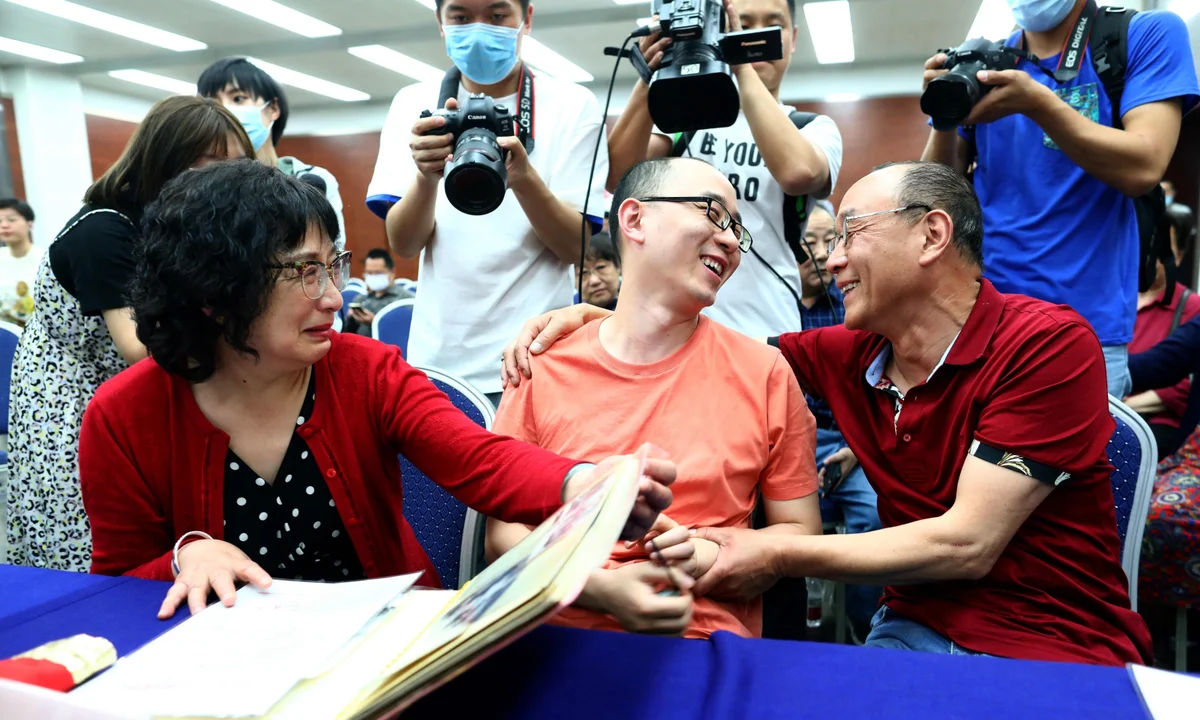
In 2023, the breakthrough Jingzhi had been waiting for finally arrived. She received a tip-off from someone about a man who had been abducted from Xi’an years ago. This lead, combined with facial recognition technology, allowed the police to track down Mao Yin, now a grown man named Gu Ningning. After confirming his identity through a DNA test, the authorities were able to confirm that he was indeed her long-lost son.
It was at this moment that Jingzhi’s long and painful search ended. The DNA results confirmed what she had hoped for all these years. Mao Yin was alive, and he was coming home.
The Long-Awaited Reunion
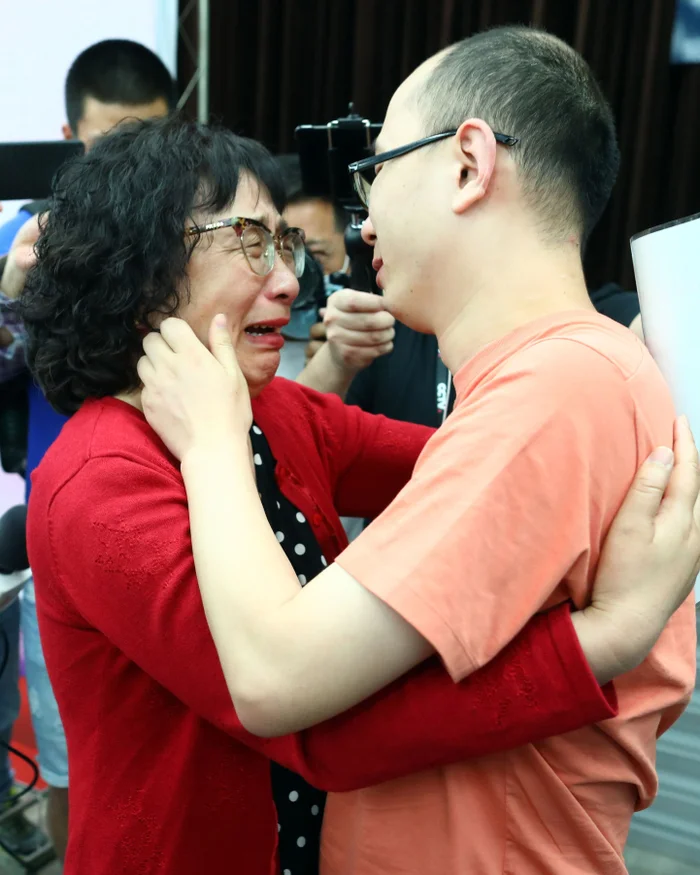
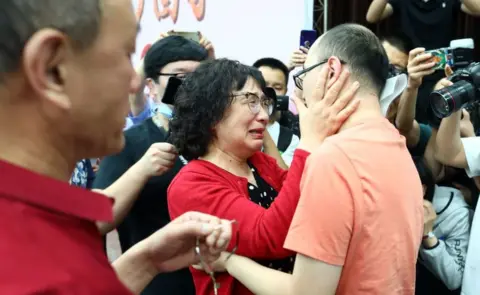
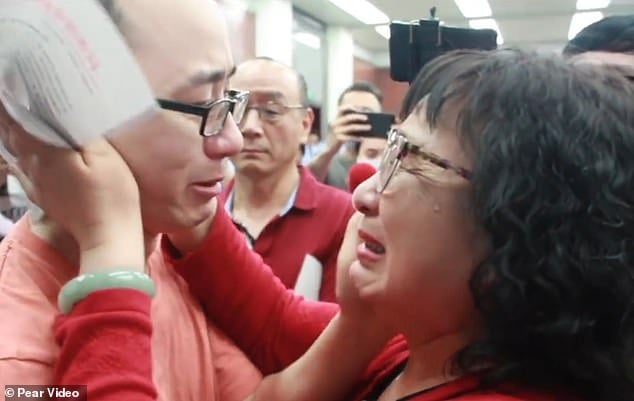
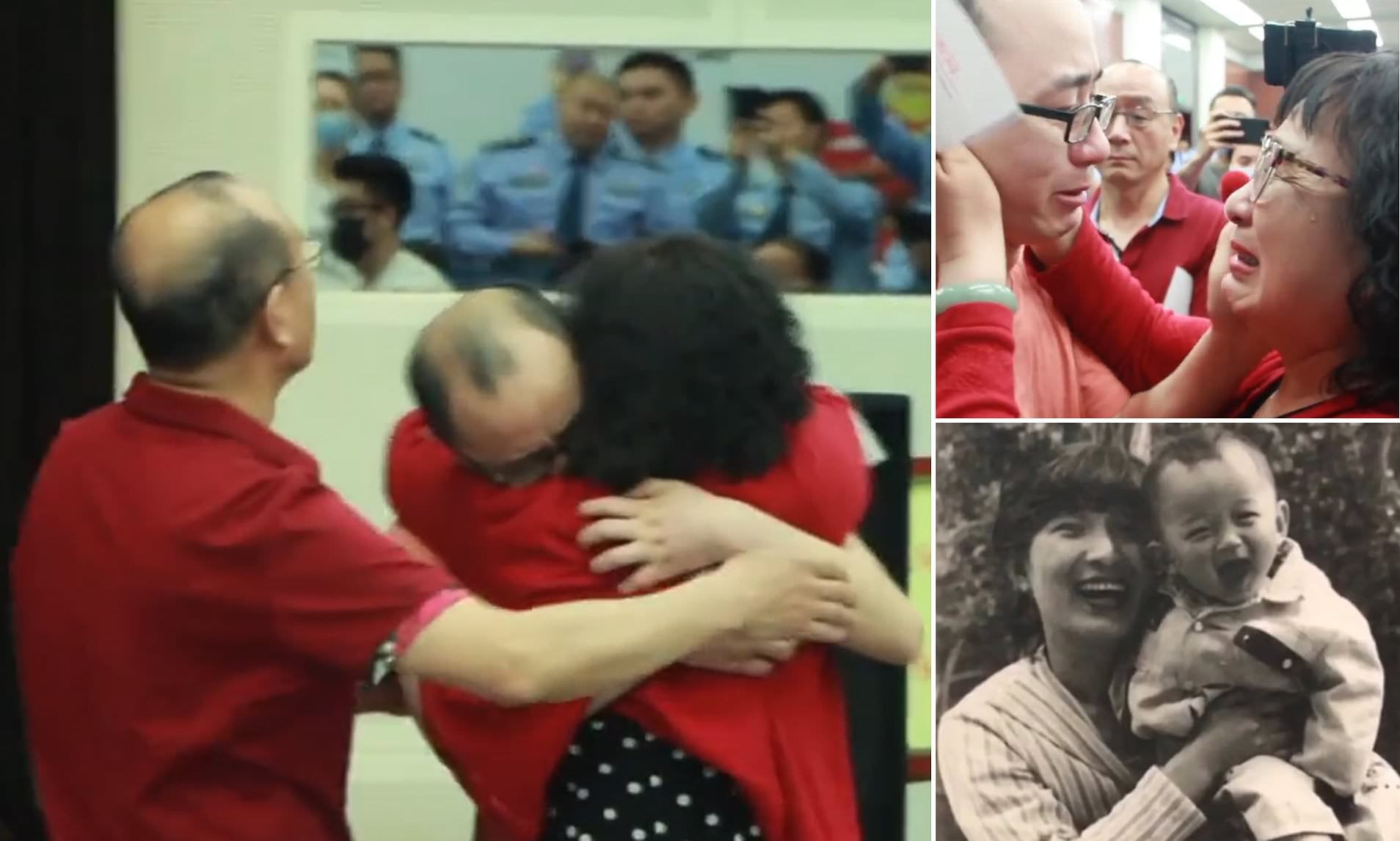
On May 18, 2023, a day forever etched in their memories, Jingzhi was finally reunited with her son. The reunion was broadcast live by China Central Television (CCTV), and the emotional scene unfolded as Mao Yin, now an adult, walked into the room and called out, “Mother!” The moment was a culmination of years of pain, hope, and relentless searching. For Jingzhi, it felt like a dream, but it was real.
The reunion was bittersweet, however. Mao Yin didn’t remember much of his early childhood, and the memories of the time before he was abducted had been lost. But despite the emotional ache of not being able to relive the lost years, the reunion was an undeniable miracle.
The Man Mao Yin Became
Mao Yin had been adopted by a couple in Sichuan province, where he was raised as their only child. He had attended school and later became involved in the interior decoration business. Throughout his upbringing, he had never known the truth of his origins. In a strange twist of fate, he had seen Jingzhi on television, though he did not make the connection at the time.
When Mao Yin learned of the woman on TV who resembled his mother, he thought it was a coincidence. But the DNA test proved otherwise, and in a moment of profound realization, he embraced the woman who had been searching for him all his life.
Coping with the Aftermath
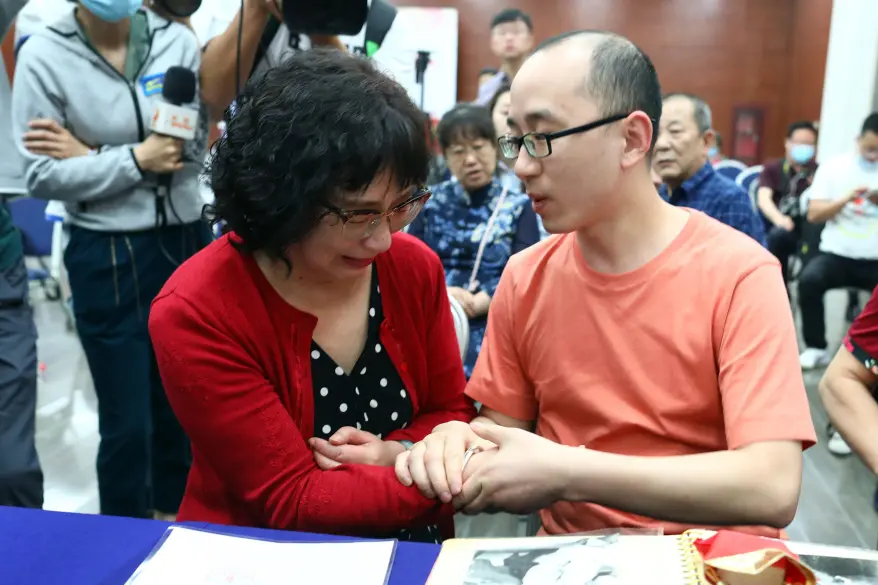
While Jingzhi was overjoyed to have found her son, the years of separation left an indelible mark on both of them. Mao Yin struggled to recall anything from his early childhood, and Jingzhi faced the painful truth that she could never fully regain the years they lost. But together, they began the process of building new memories, cherishing the moments they had now, despite the immense gap in their past.
Jingzhi also began to reflect on the emotional toll her journey had taken on her life. She realized that she had to let go of the past to fully embrace her future with her son. The painful realization that Mao Yin no longer remembered his childhood with her was something she had to come to terms with. But the joy of his return was enough to sustain her.
The Role of Social Media in Modern Reunions
In today’s world, social media plays a significant role in helping people reconnect. For Jingzhi, modern technology played a pivotal part in finding Mao Yin. Without the power of social media and facial recognition software, this reunion might never have happened. These technologies have revolutionized how missing persons are located and reconnected with their families.
A New Chapter for Mother and Son
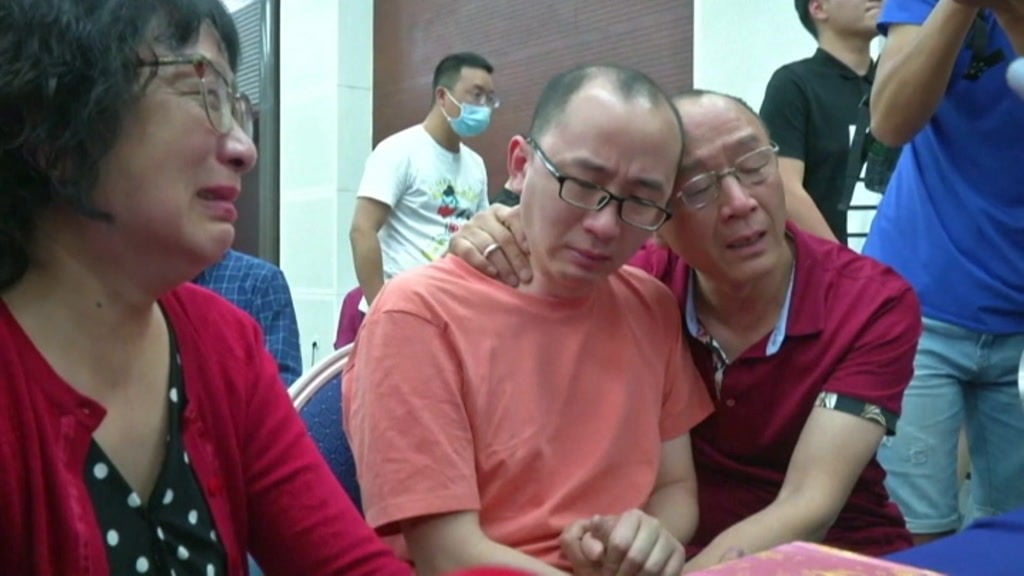
Jingzhi and Mao Yin continue to build their relationship from the ground up. Though Mao Yin has his own life, including a family and a business, they remain close. They communicate daily through social media, sharing moments and memories. Jingzhi reflects on how far they have come and how much they have to look forward to. Despite the pain of lost time, their love for each other remains unshaken.
Conclusion
Jingzhi’s journey is a testament to the enduring power of love, perseverance, and hope. The reunion with her son, after 32 long years, marks the end of a painful chapter in her life and the beginning of a new one. It is a story of tragedy, resilience, and the undying belief that love can overcome even the greatest obstacles. While the past cannot be undone, Jingzhi and Mao Yin’s future is filled with the promise of new memories and a second chance at life together.