
Table of Contents
- The Moment That Shook the State of the Union
- Rep. Al Green’s History of Political Opposition
- The Political Climate Leading Up to the Protest
- Green’s Impeachment Push and His Anti-Trump Stance
- The Reactions from Other Members of Congress
- The Role of the State of the Union Address in American Politics
- The Influence of the Media and Public Perception
- The Broader Implications of Political Protests in Congress
- The Long-Term Effects of Divisive Political Rhetoric
- A Sign of the Times
The Moment That Shook the State of the Union
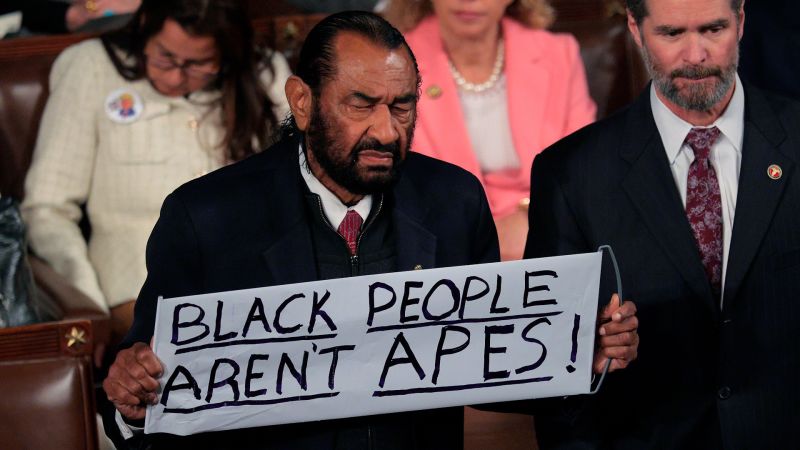
As President Trump delivered his highly anticipated State of the Union address in the House chamber, Rep. Al Green stood out for all the wrong reasons. Green, known for his outspoken opposition to Trump, stood and began his protest, refusing to remain seated during a pivotal moment of the speech. House security, following standard protocol, escorted the Texas congressman out of the chamber as tensions rose.
This dramatic moment underscored the heightened political tension between the two parties. Green’s protest was not the only one at the event, as other Democratic members expressed frustration with the president’s policies, but it was the most direct public challenge during the evening’s proceedings. His protest added another layer to the polarized atmosphere that has characterized Trump’s time in office.
Rep. Al Green’s History of Political Opposition
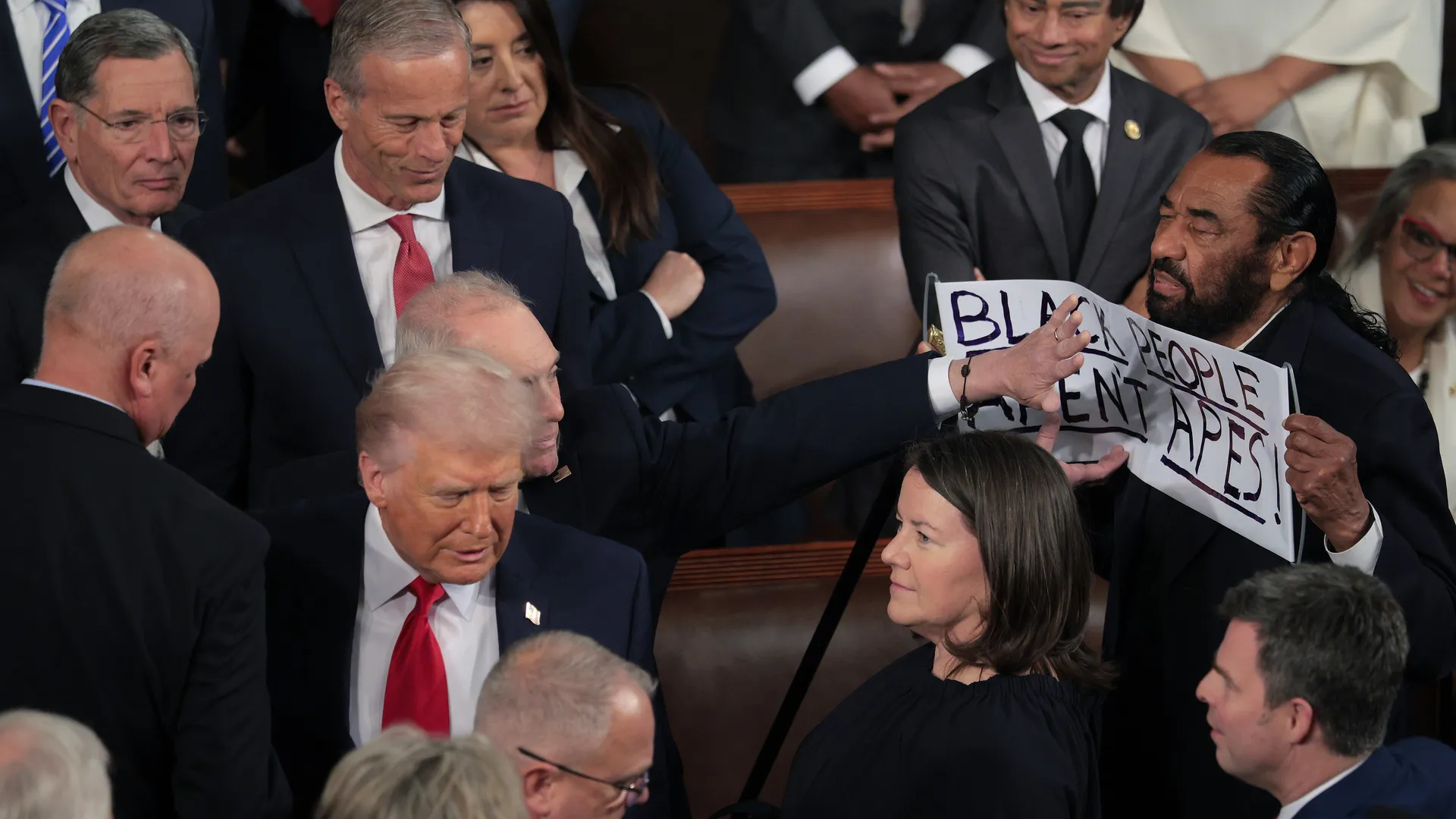
Rep. Al Green has a long history of vocal opposition to President Trump, most notably calling for impeachment and speaking out against what he describes as Trump’s divisive rhetoric. Green’s stance on impeachment has often put him at odds with party leadership, making him one of the more outspoken figures in Congress. His public confrontation during the State of the Union address was not the first time he used dramatic action to express dissent.
In fact, Green’s impeachment efforts began shortly after Trump took office. In 2017, Green was one of the first lawmakers to introduce articles of impeachment against the president, citing actions that he believed warranted such extreme measures. Although his impeachment push has been met with limited support within his own party, his persistence has solidified his reputation as a staunch critic of Trump.
The Political Climate Leading Up to the Protest
The political climate leading up to the 2020 elections was fraught with tension, especially following the impeachment proceedings against President Trump. The divisiveness in Washington was evident as Green’s protest reflected the broader frustration felt by many members of the Democratic Party. With the impeachment trial of Trump looming and deep divisions between the Democratic-controlled House and the Republican-led Senate, the political discourse was increasingly polarized.
Green’s protest can be seen as a response to what he viewed as a lack of accountability for Trump’s actions. The president’s rhetoric, often divisive and inflammatory, had drawn criticism from various factions within the Democratic Party, and Green’s dramatic exit from the chamber symbolized the emotional and ideological divide that had intensified over the previous years.
Green’s Impeachment Push and His Anti-Trump Stance
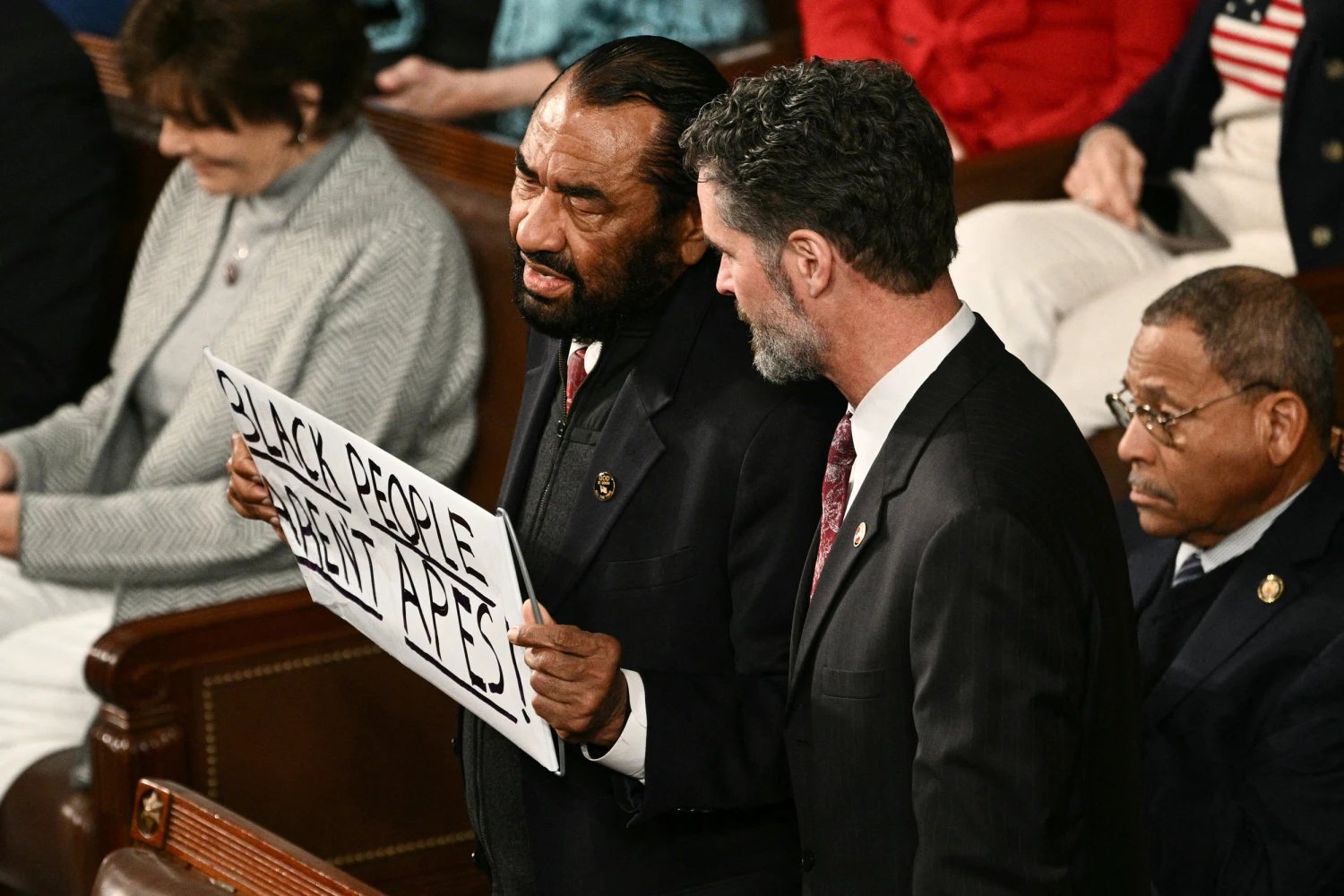
Green’s impeachment efforts have been a cornerstone of his political career since Trump’s inauguration. His continued calls for impeachment have made him a vocal leader within the Democratic Party’s more progressive wing. Green believes that Trump’s actions, particularly in relation to the Russia investigation and his conduct during the Ukraine scandal, warranted impeachment. Despite the lack of support from many moderate Democrats, Green pushed for accountability in the face of what he considered violations of the public trust.
In 2019, Green was instrumental in introducing the resolution for Trump’s impeachment, which ultimately led to the House passing articles of impeachment. Although Trump was acquitted in the Senate, Green’s relentless pursuit of impeachment continued to demonstrate his unwavering stance against the president. His protest during the State of the Union was a continuation of his broader political battle, where he saw Trump’s actions as fundamentally at odds with democratic values.
The Reactions from Other Members of Congress
The moment Rep. Green was escorted out of the chamber sparked varied reactions from his colleagues. Some of his fellow Democrats expressed support for his protest, understanding his frustration with the president and the current state of American politics. Others, however, viewed the protest as a disruption during a momentous event that traditionally emphasizes the unity of the country.
Republicans, for their part, criticized Green’s actions, calling them disrespectful to the office of the president and the tradition of the State of the Union address. The protest added to the already tense political atmosphere, with partisan divisions becoming more pronounced throughout the evening. The event underscored the bitter rivalry between the two major political parties as they faced off on the national stage.
The Role of the State of the Union Address in American Politics
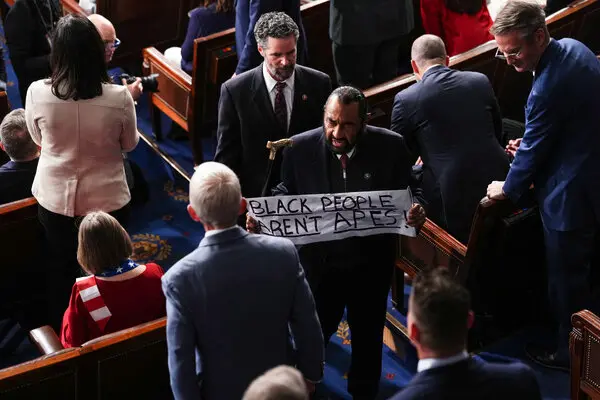
The State of the Union address has long been a forum for presidents to speak directly to the American people and to outline their legislative agenda. Traditionally, the event is a moment for national unity, where both parties come together to hear the president’s message, regardless of political affiliation. However, in recent years, the address has become a symbol of the deepening political divide in the United States.
The 2020 State of the Union address, in particular, was marked by partisan clashes, with the Democratic leadership in the House of Representatives boycotting parts of the event and others, like Green, openly challenging the president. The increasing partisan nature of the address highlights the growing animosity between the two political parties and signals the divisiveness that will likely define the upcoming election year.
The Influence of the Media and Public Perception
The media’s coverage of Green’s protest added fuel to the fire, amplifying the divide between the political parties and highlighting the drama of the moment. News outlets provided extensive coverage of the protest, with some focusing on the spectacle of the incident, while others delved into the broader implications of Green’s actions. For many, the incident served as another example of the increasing polarization in American politics.
Public reaction was mixed, with some praising Green for his bold stance against a president they believed was undermining democracy, while others saw it as a disrespectful act that only further divided the country. The media’s portrayal of the event was pivotal in shaping public perception of the protest and of the ongoing political battle between Trump and his opponents.
The Broader Implications of Political Protests in Congress
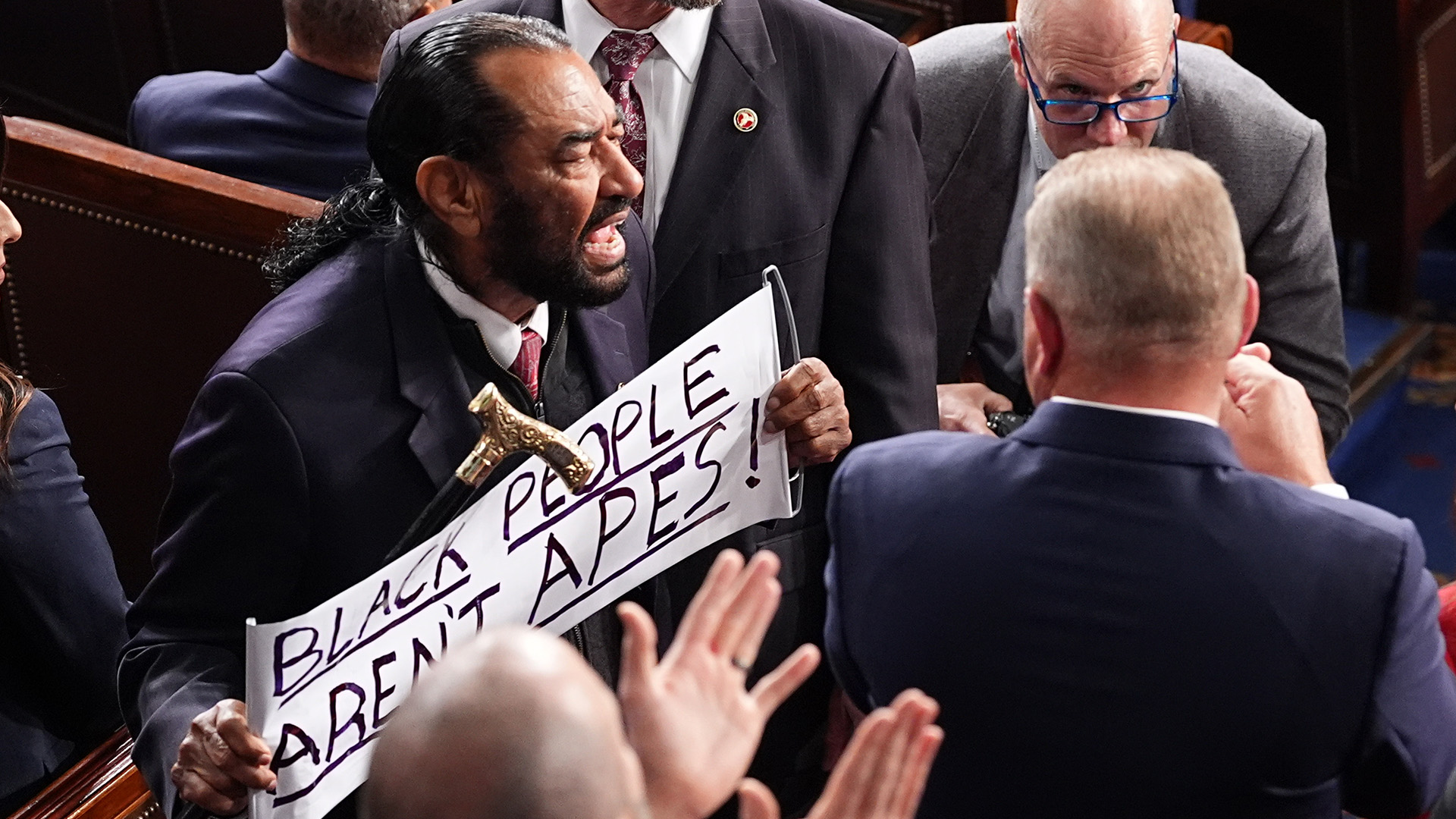
Green’s protest during the State of the Union was just one example of the increasingly common use of protests and dramatic gestures in Congress. In recent years, political protests within the chambers of Congress have become more frequent, as lawmakers on both sides of the aisle have grown more vocal in expressing their dissent. This reflects the broader trend in American politics, where protest movements have become a more prominent part of the political discourse.
While protests in Congress are not new, the frequency and intensity of these actions have grown in recent years as political divisions have deepened. The rise of populist movements, the growing influence of social media, and the increasing polarization of American politics have all contributed to this shift. Political protests, such as Green’s, highlight the challenges of maintaining civil discourse in an era of heightened partisan conflict.
The Long-Term Effects of Divisive Political Rhetoric
The political landscape in the U.S. has become increasingly divisive, with both parties entrenched in their ideological positions. The rhetoric used by political leaders, including President Trump, has been a major factor in exacerbating these divisions. Trump’s combative language, often aimed at political opponents and the media, has contributed to a climate where protests and political demonstrations are seen as necessary responses for some.
This divisiveness has far-reaching effects, particularly in the lead-up to the 2020 election. The increasing use of political protests as a form of expression could signal a shift in how Americans engage with the political process. The growing frustration on both sides of the aisle suggests that political protests, whether on the floor of Congress or in public demonstrations, will continue to be a key feature of the American political landscape.
A Sign of the Times
Rep. Al Green’s dramatic protest during the State of the Union address is a vivid example of the deepening polarization in U.S. politics. His actions reflect the growing frustration among many Democratic lawmakers who feel that President Trump’s administration represents a threat to democratic values and institutions. Green’s protest is also indicative of a broader trend of increased political activism, where symbolic gestures and protests are becoming more common as people seek to make their voices heard.
As the nation heads into the 2020 election year, political tensions are only expected to escalate. The question remains whether the increasing use of political protests will lead to greater polarization or if it will spur a new era of political engagement and reform. In any case, the events surrounding Green’s protest highlight the urgent need for a more civil and respectful political discourse, one that allows for disagreement without resorting to division and anger.