
Table of Contents
- The Passage of Bulgaria’s New LGBT Law
- The Motivations Behind the Law
- The Impact on LGBTQ+ Rights in Bulgaria
- The Role of International Criticism
- The Domestic Backlash
- The Law’s Effect on Education
- The Global Debate Over LGBTQ+ Rights
- The Future of LGBTQ+ Rights in Bulgaria
- A Call to Action for Global Support
- Bulgaria’s Ongoing Struggle for LGBTQ+ Equality
The Passage of Bulgaria’s New LGBT Law
In a tight vote, Bulgaria’s parliament passed a controversial law that prohibits the “promotion” of LGBTQ+ issues and rights in educational settings and public media. The law, which has been framed as a measure to safeguard children from what the government calls “LGBT propaganda,” has been criticized by human rights groups, the European Union, and LGBTQ+ activists. Supporters of the law argue that it is necessary to protect traditional family values and shield young people from controversial material. The law comes in the wake of growing acceptance of LGBTQ+ rights in many parts of Europe and the world, and it marks a significant shift in Bulgaria’s approach to LGBTQ+ issues.
The new legislation explicitly bans any form of education that promotes homosexuality or transgender issues in schools. It also prohibits the portrayal of same-sex relationships in a positive light on television, radio, and other public platforms. The law has sparked immediate protests and condemnation from domestic and international groups who see it as a regressive step that undermines Bulgaria’s obligations to protect the rights of LGBTQ+ citizens.
The Motivations Behind the Law
The motivations behind Bulgaria’s new LGBT law can be traced to a combination of social, political, and cultural factors. For years, LGBTQ+ rights in Bulgaria have been a contentious issue, with the country facing resistance to progressive changes in areas such as marriage equality, adoption, and anti-discrimination protections. Some political groups argue that the law is necessary to preserve national values and protect children from being exposed to what they consider “non-traditional” lifestyles.
The law has been promoted by conservative political parties and backed by religious groups, including the Bulgarian Orthodox Church, which has long voiced opposition to the recognition of LGBTQ+ rights. These groups argue that the promotion of LGBTQ+ issues in schools could lead to the normalization of what they see as “immoral behavior.” The law has become a rallying point for conservative forces in Bulgaria, who believe that the state should play an active role in reinforcing traditional family structures.
The Impact on LGBTQ+ Rights in Bulgaria
The passing of this law represents a setback for LGBTQ+ rights in Bulgaria, where the community has already faced significant challenges. While homosexuality was decriminalized in Bulgaria in 1999, LGBTQ+ individuals still face widespread discrimination, harassment, and social stigma. The new law has amplified these challenges, as it creates an environment in which LGBTQ+ individuals are further marginalized and denied the opportunity to freely express their identity.
For LGBTQ+ activists in Bulgaria, the law represents a direct attack on their rights to free expression and equality. The law also undermines the progress that has been made in other European countries regarding LGBTQ+ acceptance and inclusion. By restricting education on LGBTQ+ issues, the law effectively silences any positive representation of the community in public life, making it harder for young people to access the support and resources they need to understand and accept their identities.
The Role of International Criticism

The passage of Bulgaria’s LGBT law has attracted significant international criticism, particularly from the European Union. The EU has expressed concern that the law violates fundamental human rights and breaches Bulgaria’s commitments under EU treaties, which mandate the protection of minority groups. The EU has long been a proponent of LGBTQ+ rights, and the law threatens to undermine the bloc’s push for greater equality across its member states.
Human rights organizations, including Amnesty International and Human Rights Watch, have condemned the law, calling it a form of discrimination and an affront to the dignity of LGBTQ+ individuals. These organizations have called on the Bulgarian government to repeal the law and to take stronger action to protect the rights of the LGBTQ+ community. The international community’s response underscores the growing divide between countries that are advancing LGBTQ+ rights and those that are rolling them back.
The Domestic Backlash
While international organizations have condemned the law, domestic reactions in Bulgaria have been more mixed. Conservative groups and religious organizations have supported the law, claiming that it is necessary to preserve the country’s cultural and moral values. These groups have framed the law as a safeguard against what they view as an overreach of LGBTQ+ activism in public spaces, particularly in schools and media.
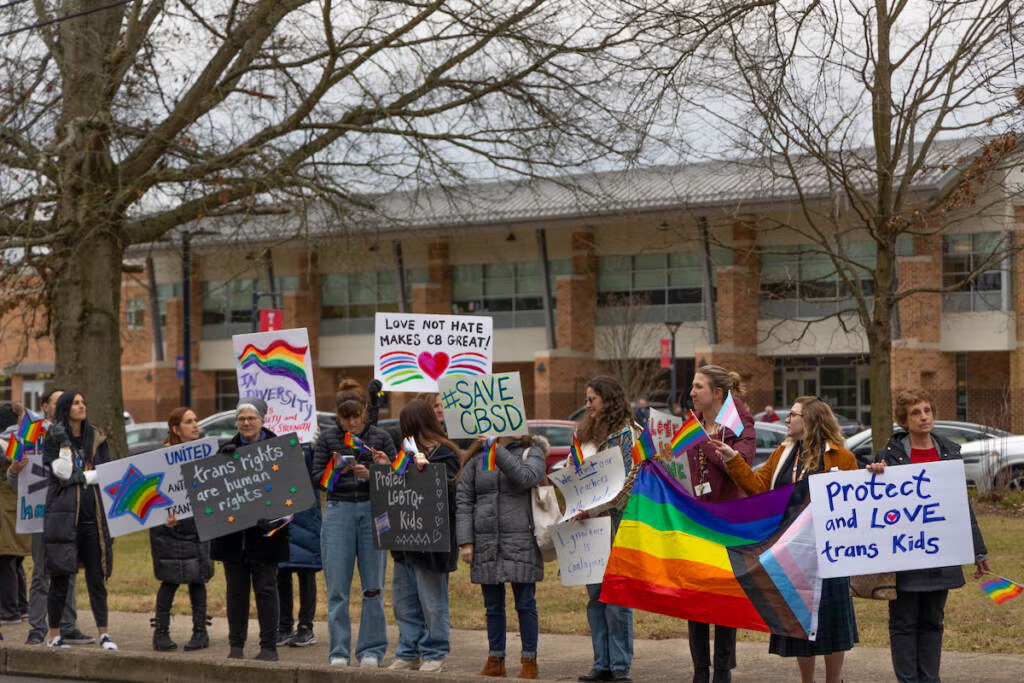
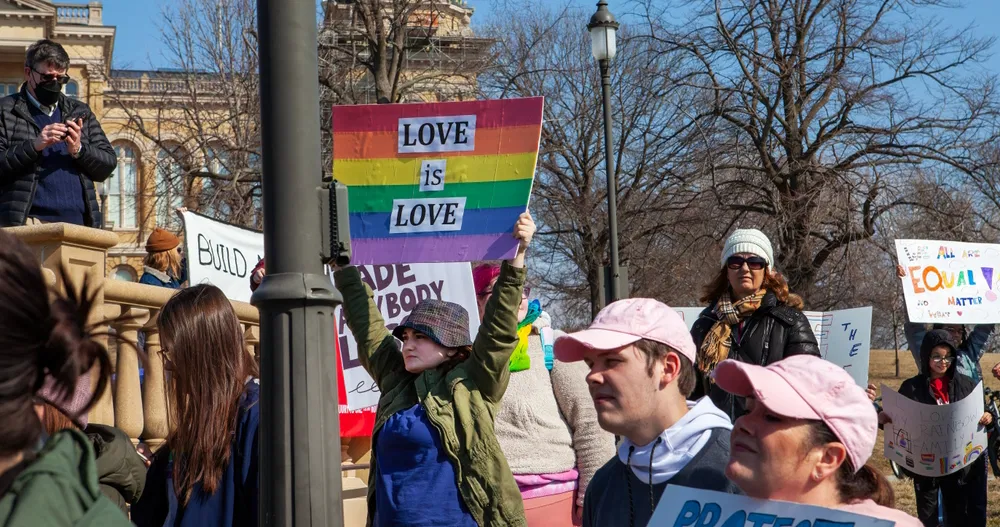
However, LGBTQ+ rights groups in Bulgaria have strongly opposed the law, organizing protests and campaigns to raise awareness of its impact. These groups argue that the law stigmatizes LGBTQ+ people and forces them to live in fear of expressing their identity. The law has also sparked protests from progressive political parties, human rights organizations, and the wider civil society, all of whom are calling for the Bulgarian government to reverse its decision and uphold the country’s human rights obligations.
The Law’s Effect on Education
One of the most significant aspects of the new law is its effect on education. By banning the promotion of LGBTQ+ issues in schools, the law effectively removes the possibility of LGBTQ+ topics being discussed in a positive or supportive light. This has serious consequences for young people who may be struggling with their sexual identity and need resources and support.
The law also restricts teachers and educators from addressing LGBTQ+ topics in their classrooms, making it difficult for students to access information that could help them better understand their own identities. In a country where LGBTQ+ visibility is already limited, the law further isolates young people who might benefit from inclusive education programs. This is particularly concerning given the increased risk of bullying and mental health issues faced by LGBTQ+ youth in countries where acceptance is low.
The Global Debate Over LGBTQ+ Rights
The controversy surrounding Bulgaria’s LGBT law highlights a broader global debate over LGBTQ+ rights. While many Western countries have made significant strides toward equality, other parts of the world remain entrenched in anti-LGBTQ+ sentiment, often driven by religious and cultural beliefs. The passing of the law in Bulgaria reflects this divide and serves as a reminder that the fight for LGBTQ+ rights is far from over.
In many countries, LGBTQ+ individuals still face persecution, discrimination, and violence, and the situation in Bulgaria is a stark example of how deeply entrenched prejudices can be. The law also raises important questions about the role of governments in regulating what can and cannot be taught in schools, especially when it comes to topics that concern human rights and social equality.
The Future of LGBTQ+ Rights in Bulgaria
Looking ahead, the future of LGBTQ+ rights in Bulgaria remains uncertain. While the country has made progress in recent years on issues like decriminalization and anti-discrimination laws, the passage of the LGBT law marks a step back for the community. LGBTQ+ activists are vowing to continue their fight, and the international community is closely watching the situation, hoping that Bulgaria will eventually amend the law to comply with European standards on human rights.
As the law stands, it could have a chilling effect on LGBTQ+ advocacy and progress in Bulgaria for years to come. However, the ongoing resistance from both domestic and international groups provides hope that the law may eventually be repealed or amended. The outcome of this fight will have broader implications for LGBTQ+ rights in the region and could set a precedent for other Eastern European countries with similar legal frameworks.
A Call to Action for Global Support
In response to the passing of Bulgaria’s LGBT law, international organizations and activists are calling for greater support for LGBTQ+ individuals in the country. The global community must stand united against discrimination and support efforts to protect LGBTQ+ rights wherever they are threatened. Bulgaria’s law is a reminder that the fight for equality is far from over and that solidarity and activism are crucial in securing the rights of marginalized groups.
Countries and organizations that prioritize human rights must continue to apply pressure on governments that pass regressive laws, urging them to uphold international standards of equality and freedom. The global fight for LGBTQ+ rights requires ongoing vigilance, and Bulgaria’s situation underscores the need for continued advocacy and support for vulnerable communities.
Bulgaria’s Ongoing Struggle for LGBTQ+ Equality
The passage of Bulgaria’s new LGBT law represents a significant setback for LGBTQ+ rights in the country. By banning the promotion of LGBTQ+ issues in education and public media, the law effectively silences the voices of those who need support the most. However, the resistance from activists and international organizations shows that the fight for LGBTQ+ equality is far from over.
As Bulgaria grapples with this controversial decision, it is clear that the global community must continue to push for positive change. The path forward will require dedication, advocacy, and a collective effort to protect the rights of all individuals, regardless of sexual orientation or gender identity. The ongoing struggle for LGBTQ+ equality in Bulgaria and beyond is a reminder that progress is never guaranteed and that the fight for human rights must continue.