

Table of Contents
- The Research Behind Mental Health and Being Single
- The Impact of Being Single in Early Adulthood (20s to Early 30s)
- The Midlife Struggles: 40s to 50s
- The Psychological Toll of Loneliness
- The Role of Social Support Systems
- The Positive Aspects of Being Single
- How Relationship Status Affects Mental Health
- Coping Strategies for Single Individuals
- Changing the Narrative Around Being Single
- Finding Balance in Singlehood
The Research Behind Mental Health and Being Single
The study conducted by a team of psychologists aimed to understand the relationship between mental health and marital status across various age groups. By analyzing data from thousands of participants, the researchers found that being single for prolonged periods could lead to higher levels of stress, anxiety, and depression. This trend was particularly noticeable at certain ages when individuals are more prone to feeling isolated or disconnected from social networks.
The research points to a number of factors that contribute to this phenomenon. At certain life stages, people experience a heightened need for companionship, emotional support, and intimacy. These unmet needs can take a toll on mental well-being, leading to feelings of loneliness and emotional distress. While being single is not inherently bad, it can have negative consequences when it extends beyond a person’s emotional threshold.
The Impact of Being Single in Early Adulthood (20s to Early 30s)

The study found that individuals in their 20s and early 30s are particularly vulnerable to the negative effects of staying single. During this period, individuals are often establishing their careers, exploring their identity, and navigating the complexities of romantic relationships. For many, the desire for companionship is at its peak, and the lack of a significant other can lead to feelings of loneliness and a fear of missing out on the experiences that others are having.
In this age group, romantic relationships often provide a sense of belonging and emotional support, which are crucial for mental health during these formative years. Without these connections, young adults may struggle with feelings of inadequacy or low self-esteem, further contributing to mental health struggles. The study highlights that while some people thrive in their single years, many may experience heightened anxiety or depression due to the lack of romantic attachment.
The Midlife Struggles: 40s to 50s
As individuals enter their 40s and 50s, the dynamics surrounding relationships and mental health shift. While some may find comfort in established friendships or close-knit family connections, the emotional need for a romantic partner may become more pronounced. This age range can be a time of reflection, with individuals evaluating their life choices, accomplishments, and, in some cases, their relationships.
For those who are single, this stage of life can be particularly challenging. The study suggests that people in their 40s and 50s may begin to feel a sense of social pressure, particularly as friends and peers start to settle down, get married, or raise families. These life transitions can leave single individuals feeling isolated or disconnected, which can contribute to feelings of sadness and even despair. As a result, being single during this period can have more pronounced negative effects on mental health.
The Psychological Toll of Loneliness
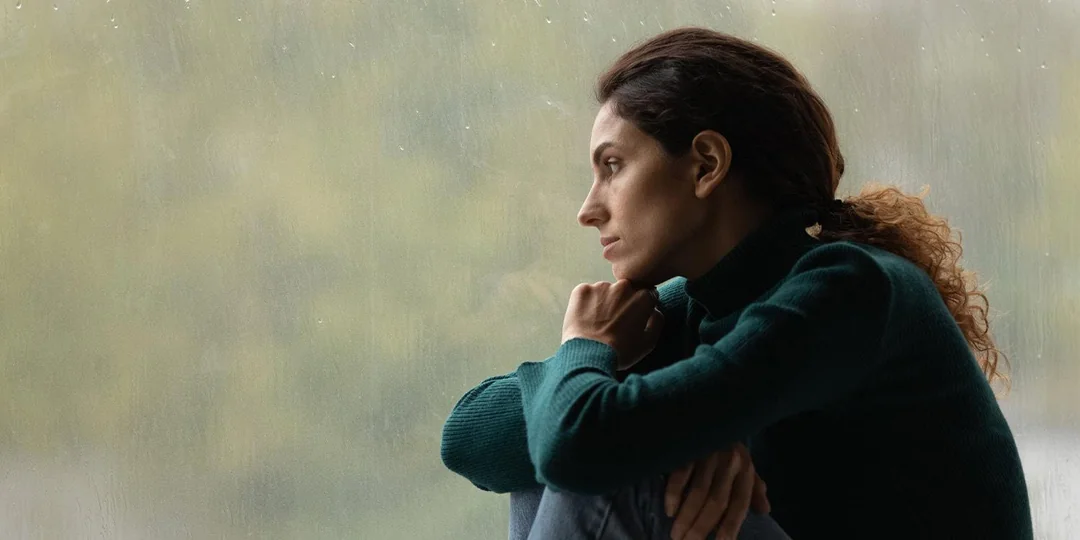
One of the primary factors contributing to the negative effects of being single is loneliness. While being alone is different from feeling lonely, chronic loneliness can lead to serious mental health issues. According to the research, loneliness has been linked to a higher risk of depression, anxiety, and even physical health problems like heart disease and high blood pressure.
For individuals who are single, the lack of a close, intimate relationship can lead to increased feelings of isolation. Even if they have supportive friends and family, the absence of romantic companionship can leave a void that is difficult to fill. Loneliness can create a cycle of negative thinking, where the individual feels disconnected from others and increasingly unworthy of love and companionship. This emotional spiral can worsen over time, leading to deeper mental health struggles.
The Role of Social Support Systems
While romantic relationships are important, the research also emphasizes the role of other social support systems in maintaining mental health. Strong friendships, family ties, and a sense of community can help mitigate the negative effects of being single. Individuals who have close friends or engage in social activities tend to have better mental health outcomes, regardless of their romantic status.
However, the research indicates that these social connections are not always enough to offset the emotional toll of being single, particularly during key life stages. For example, the need for romantic intimacy and companionship becomes more pronounced in the 40s and 50s, when individuals are more likely to experience feelings of regret or loneliness if they are not in a relationship. Social support can help, but it may not completely replace the emotional fulfillment that a romantic partner can provide.
The Positive Aspects of Being Single

Despite the potential mental health risks of staying single, it’s important to acknowledge the positive aspects of being single. Many people thrive in their single years, finding fulfillment through personal growth, career advancement, travel, or creative pursuits. For some, being single offers the freedom to focus on themselves and pursue goals that might be difficult to achieve in a relationship.
Single individuals often experience higher levels of self-sufficiency and independence, which can lead to increased self-esteem and confidence. In addition, being single can provide the opportunity to build deep friendships and connections that may not be possible when someone is in a romantic relationship. The study notes that while being single can have negative effects at certain stages, it can also be a period of self-discovery and personal empowerment.
How Relationship Status Affects Mental Health
The mental health effects of being single are not just about loneliness; they are also about the expectations society places on individuals based on their relationship status. Social norms and pressures often dictate that individuals should be in romantic relationships by certain ages, which can create feelings of inadequacy for those who remain single.
For example, many people in their 30s and beyond may feel the societal pressure to “settle down” or get married. The stigma surrounding being single at older ages can lead to a sense of failure or shame. This can significantly affect mental health, as people internalize societal expectations and compare themselves to others who are in relationships. These pressures are particularly evident in cultures where marriage and family are seen as milestones of success.
Coping Strategies for Single Individuals

For individuals who are single and struggling with mental health challenges, there are several strategies that can help mitigate the negative effects of loneliness. Building a strong support network, seeking professional counseling, and engaging in activities that promote emotional well-being are important steps in improving mental health.
Additionally, focusing on personal growth and self-care can help single individuals find fulfillment outside of a romantic relationship. Setting personal goals, pursuing hobbies, and developing a sense of purpose can help create a positive outlook, even in the face of loneliness. Mindfulness practices and regular exercise are also beneficial for managing anxiety and depression.
Changing the Narrative Around Being Single
As society continues to evolve, there is a growing movement to change the narrative around being single. More people are embracing the idea that being single is not a reflection of failure, but a valid and fulfilling lifestyle choice. Challenging societal norms and fostering a more inclusive view of relationships can help reduce the stigma that many single individuals experience.
The growing acceptance of diverse lifestyles means that more people can feel empowered to live authentically, whether they are in a relationship or not. Changing the narrative around singlehood can help improve the mental health of those who are single and reduce the pressure to conform to societal expectations.
Finding Balance in Singlehood
While staying single may have a greater impact on mental health at certain life stages, it is not inherently harmful. The key is finding balance and understanding the unique needs of each individual. For some, being single is a period of personal growth and independence; for others, the absence of a romantic relationship can be a source of emotional pain. By acknowledging the mental health challenges associated with being single and providing support for those who struggle, society can foster a healthier environment for individuals at all stages of life.