
Table of Contents
- The Growing Concern Over Political Violence
- The Factors Driving Political Violence
- The Impact of Political Violence on Society
- The Role of Political Leaders in Addressing Violence
- The Influence of Media and Misinformation
- The Psychological Toll of Political Violence
- The Role of the Public in Preventing Political Violence
- Government Policies to Address Political Violence
- The Future of Political Discourse in the United States
- The Need for Change
The Growing Concern Over Political Violence
The findings from a recent survey conducted by Navigator Research reveal that a significant portion of the American public—over 80%—is increasingly worried about political violence. This concern spans across various political affiliations, with Republicans, Democrats, and independents all expressing anxiety about the future of political discourse in the United States. While political violence is not new to the country, its visibility and frequency have increased in recent years, fueled by heightened political tensions, social media amplification, and ongoing protests.
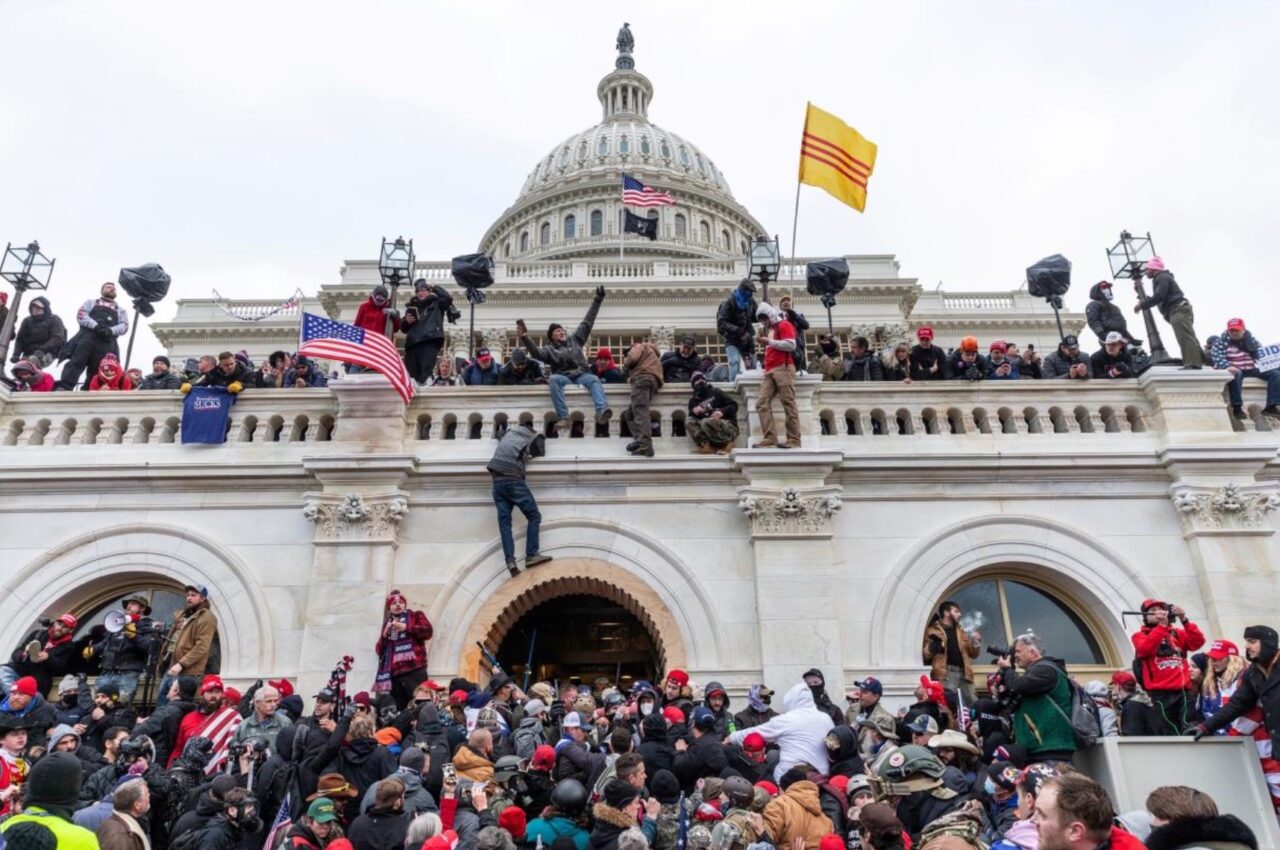
Political violence refers to violent actions taken to influence political decisions, intimidate opponents, or disrupt the political process. The United States has witnessed several high-profile incidents in recent years, including the January 6th Capitol riot, violent clashes at protests, and targeted attacks on politicians and government officials. These events have shaken public confidence in the country’s ability to manage its political differences without resorting to violence.
The Factors Driving Political Violence
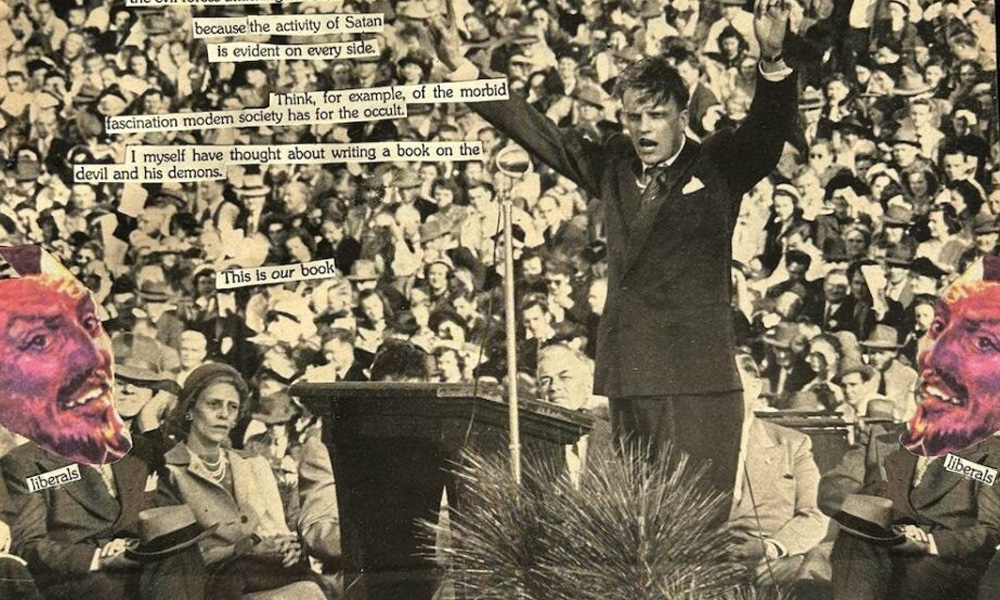
Several factors contribute to the growing concern about political violence in the U.S. One of the main drivers is the increasing political polarization that has gripped the country. Over the past few decades, Americans have become more divided along political lines, with little middle ground remaining between the two major political parties. This division has created an environment where extreme ideologies are more likely to be embraced, leading to greater hostility and, in some cases, violence.
Social media also plays a significant role in amplifying political tensions. Online platforms have become breeding grounds for misinformation, hate speech, and radicalization. In many cases, individuals are exposed to extreme viewpoints that fuel their anger and distrust of political opponents. Social media algorithms that prioritize sensational content only exacerbate the situation, creating echo chambers where people are more likely to become entrenched in their beliefs and less willing to engage in meaningful dialogue.
The Impact of Political Violence on Society
The rise in political violence is not just a concern for politicians and activists; it has a far-reaching impact on society as a whole. Public trust in government institutions and the political process is steadily eroding, with many Americans feeling that their voices are not being heard and that the system is rigged against them. This distrust is fueling political disengagement, as more people become disillusioned with the democratic process.
Moreover, political violence undermines the basic principles of democracy and free expression. When violence becomes a tool for political expression, it discourages open debate and discourages the peaceful resolution of conflicts. As political violence becomes more normalized, it threatens to destabilize the social fabric of the country, making it harder for individuals with differing viewpoints to coexist peacefully.
The Role of Political Leaders in Addressing Violence
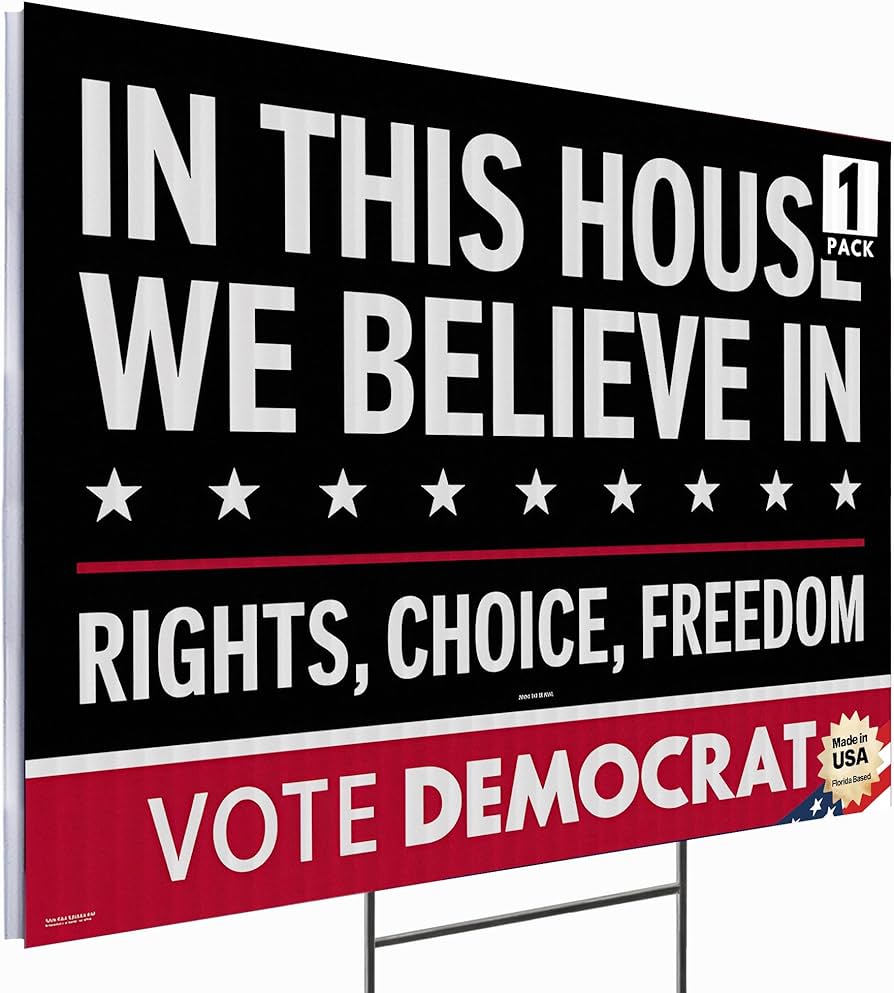
Political leaders have a crucial role to play in addressing the issue of political violence. When politicians and public figures use inflammatory rhetoric or refuse to condemn violent actions, they send a dangerous message to the public. Leaders who encourage divisiveness, attack their opponents, or refuse to acknowledge the reality of political violence only contribute to the problem.
On the other hand, leaders who promote unity, peaceful discourse, and respect for the democratic process can help de-escalate tensions. By speaking out against violence and taking steps to address the root causes of political division, political leaders can set the tone for the nation and help restore trust in the political system.
Unfortunately, many leaders have failed to take a firm stand against political violence, often excusing or downplaying violent incidents for political gain. This lack of leadership has further polarized the country and made it more difficult to address the issue effectively.
The Influence of Media and Misinformation
The role of media, particularly social media, in amplifying political violence cannot be overstated. The spread of misinformation, disinformation, and conspiracy theories has become rampant, especially in the lead-up to key elections and during moments of political unrest. Inaccurate or misleading information fuels public fear and anger, making individuals more likely to resort to violence in response to perceived threats.
Traditional media outlets also bear responsibility for contributing to the culture of political violence. Sensationalized reporting, especially on divisive issues, can inflame passions and perpetuate the idea that violence is an acceptable response to political differences. The media’s tendency to cover violent events with sensational headlines only serves to glorify the violence and make it seem more prevalent than it actually is.
Efforts to combat misinformation, increase media literacy, and promote responsible journalism are essential to reversing the cycle of political violence. It is vital that individuals and media outlets alike prioritize truth over sensationalism and work to foster a culture of informed, respectful discourse.
The Psychological Toll of Political Violence
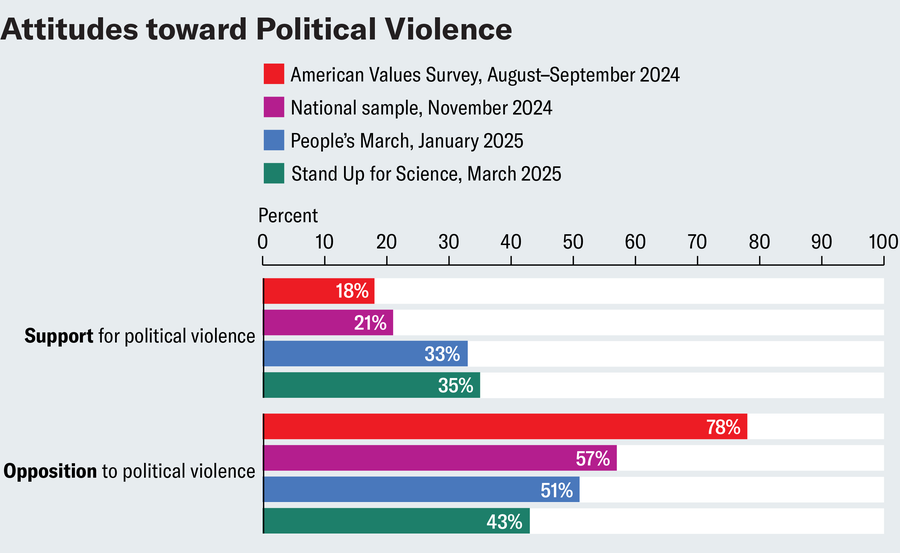
The growing concern about political violence is not just a political issue—it is also a psychological one. The constant exposure to violent events and heated political rhetoric takes a toll on individuals’ mental health. Anxiety, fear, and distrust are becoming increasingly prevalent in society, as people feel more threatened by the possibility of political violence affecting their lives.
Children, in particular, are vulnerable to the psychological effects of political violence. Growing up in an environment where political disagreements often lead to violent clashes can instill fear and uncertainty in young minds. It can also perpetuate cycles of division and intolerance that last into adulthood.
Addressing the psychological toll of political violence is just as important as addressing the physical aspects. Providing mental health support and fostering environments where people can engage in civil discourse is key to creating a healthier, more resilient society.
The Role of the Public in Preventing Political Violence
While political leaders and the media have significant influence, the public also plays a crucial role in preventing political violence. Engaging in respectful dialogue, regardless of political affiliation, is essential to reducing tensions. Individuals must also be mindful of the content they share on social media, as spreading harmful or misleading information only exacerbates the problem.
Community leaders, educators, and activists can also help by creating spaces for constructive conversation and promoting nonviolent forms of protest. Building bridges between different political and social groups is crucial to fostering understanding and mitigating the risk of violence.
Ultimately, it is the responsibility of every individual to contribute to a more peaceful and respectful political environment. By rejecting violence and embracing dialogue, the public can help create a culture where political disagreements are resolved peacefully.
Government Policies to Address Political Violence
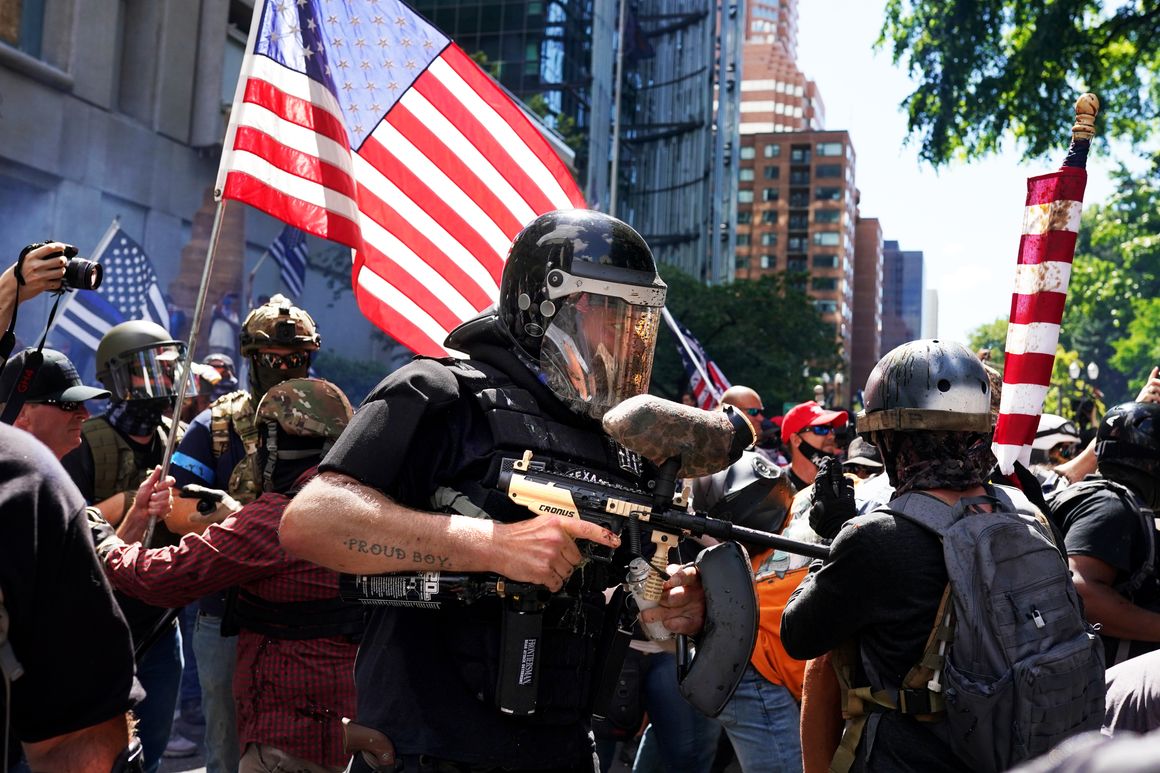
To address the rising concern about political violence, lawmakers must enact policies that promote peace, protect citizens from harm, and address the root causes of violence. Policies that focus on strengthening democratic institutions, ensuring equal access to justice, and promoting accountability in both public office and law enforcement are crucial steps in building a more stable political system.
Additionally, laws that curb hate speech, protect free speech, and limit the spread of misinformation can help reduce the risk of political violence. These measures must be implemented carefully to balance civil liberties with the need for public safety and security.
The Future of Political Discourse in the United States
As the country grapples with the rise in political violence, the future of political discourse in the U.S. is uncertain. Will America be able to bridge its divisions, or will political violence continue to grow? The answer lies in the hands of both leaders and citizens alike, who must commit to rebuilding trust, fostering civil discourse, and rejecting violence as a means of political expression.
Efforts to create a more united nation will require bold action from all sectors of society. Only through collective effort can the United States hope to overcome the threat of political violence and build a more peaceful and inclusive political future.
The Need for Change
The overwhelming concern about political violence in America is a clear signal that something must change. As the survey results reveal, a majority of Americans are worried about the impact of political violence on their lives and the future of democracy. It is essential that all Americans—politicians, media figures, and citizens—work together to address the root causes of this violence and promote a culture of peace and understanding.
The rising tide of political violence is not just a reflection of our current state; it is a warning for the future. If we fail to address the underlying issues, the consequences could be dire. It’s time for the nation to come together and find solutions that will ensure a safe, respectful, and democratic society for all.