

Table of Contents
- Americans Seeking Refuge in Canada: A Growing Trend Amid Political Tensions
- Rising Refugee Claims: What’s Behind the Surge?
- The Legal Landscape: How Canada Handles Asylum Claims from U.S. Citizens
- The Human Cost: Stories of Struggle and Survival
- Political Climate and Its Role in Rising Asylum Applications
- The Impact on Canada: A Nation Confronts a New Reality
- The Broader Global Implications of U.S. Citizens Seeking Refuge
- Looking Ahead: What Does This Trend Mean for the Future?
- Conclusion: A Call for Reflection and Action
Americans Seeking Refuge in Canada: A Growing Trend Amid Political Tensions
For generations, the United States has been a beacon of hope for people fleeing persecution. Its reputation as a safe haven for those seeking asylum has been deeply ingrained in global consciousness. Yet, in an unexpected twist, an increasing number of U.S. citizens are now crossing into Canada and applying for refugee status. In the first half of 2025, more Americans sought asylum in Canada than in any full year since 2019. This shift is far more than a simple statistic; it represents a profound change in the perceived safety and rights of individuals within the United States, particularly for marginalized groups like transgender and LGBTQ individuals. The fact that citizens of one of the world’s most powerful democracies are now seeking refuge abroad raises critical questions about security, safety, and the erosion of rights within the U.S.
Rising Refugee Claims: What’s Behind the Surge?
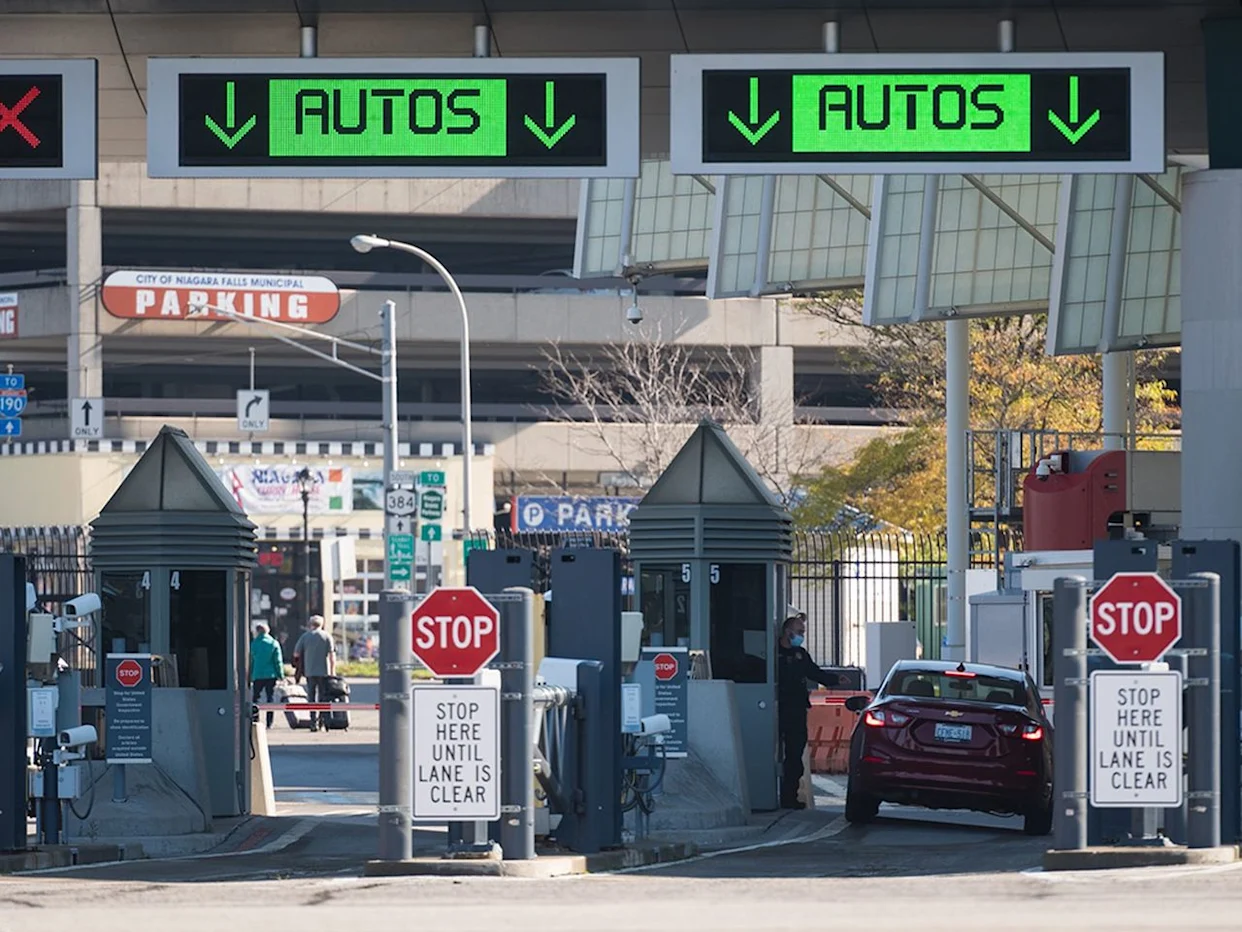
The data is undeniable. In the first six months of 2025, Canada saw more asylum applications from U.S. citizens than in all of 2024, marking a significant increase. According to Canada’s Immigration and Refugee Board, 245 claims were filed by American nationals in the first half of the year, out of approximately 55,000 total applications. While the number may seem small in proportion, the trend is a powerful signal of growing insecurity among some Americans. For decades, the U.S. was seen as a sanctuary for the persecuted, but the rise in applications to Canada flips that narrative. Now, a segment of U.S. citizens is looking to Canada for the same protections once afforded by the U.S. to others.
The reasons behind these claims are deeply personal and urgent. Many individuals, particularly transgender Americans, are leaving the U.S. because of heightened political and legal pressures. With the rollback of protections for LGBTQ individuals and increased restrictions on gender-affirming care in several states, many Americans no longer feel they can safely live in their home country. These are not just political disagreements; they are matters of survival, as many seek asylum to live authentically without fear for their safety or their health.
The Legal Landscape: How Canada Handles Asylum Claims from U.S. Citizens
The process of applying for refugee status in Canada is far from simple. Central to the complex landscape is the Safe Third Country Agreement, a bilateral pact between Canada and the U.S. that requires asylum seekers to file claims in the first “safe” country they enter. For most migrants, this agreement means that Canada can reject claims from individuals who arrived from the U.S., as it is deemed a “safe” country. However, Americans are exempt from this agreement, which allows U.S. citizens to directly apply for asylum in Canada.
The legal hurdle for Americans seeking refugee status is high. To succeed, applicants must convince Canada’s Immigration and Refugee Board that no safe place exists within the U.S. where they could live securely. Given the vast size and diversity of the U.S., this is a particularly tough case to make. Historically, Canada has granted refugee status to a very small number of U.S. citizens, reflecting the belief that, despite political and social tensions, the U.S. remains fundamentally safe.
However, the growing number of claims, especially among transgender individuals, signals a shift. There is increasing recognition in Canada’s legal system that U.S. laws are changing in ways that might justify claims of persecution. Recently, Canada’s Immigration and Refugee Board has included reports from human rights organizations like Human Rights Watch to support cases involving LGBTQ discrimination in the U.S. This shows a subtle but important shift in how Canada is viewing claims from American citizens.
The Human Cost: Stories of Struggle and Survival
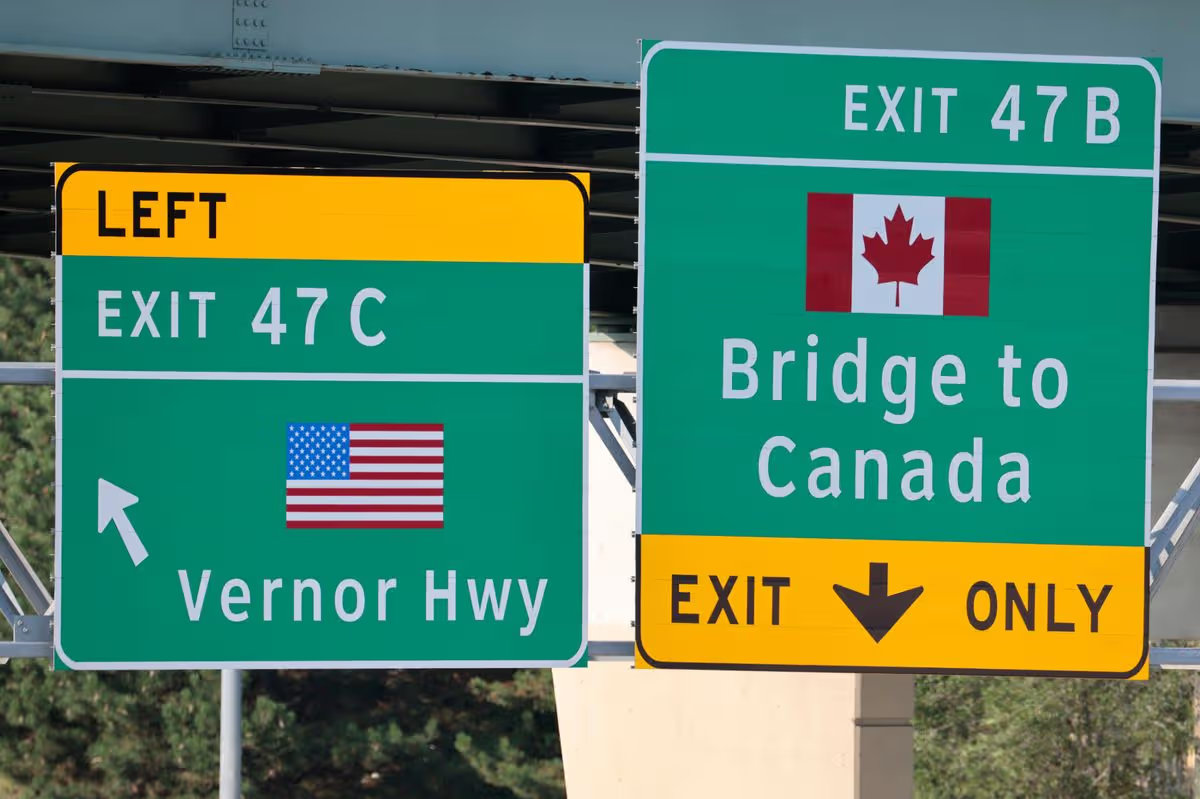
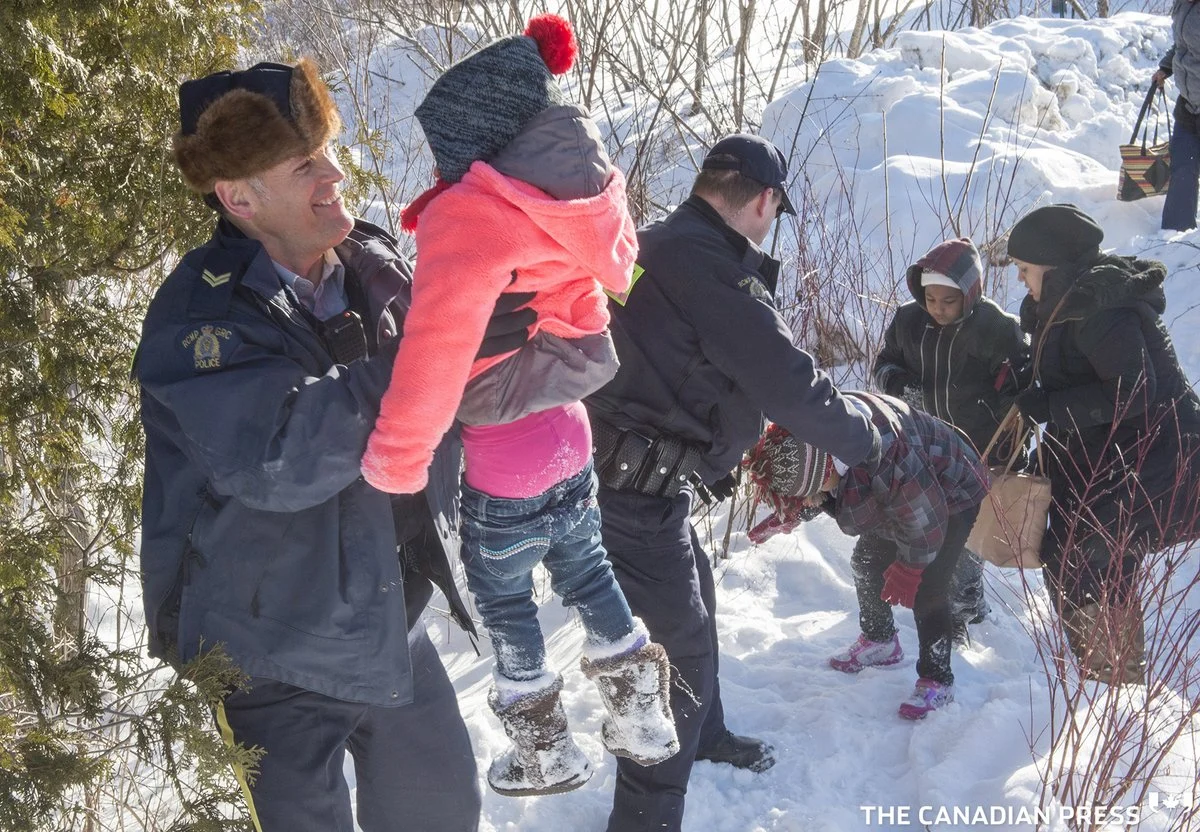
Behind the numbers are individuals who have been driven to seek refuge in Canada by the erosion of their rights in the U.S. Many claimants are transgender Americans who are fleeing states that have enacted laws restricting or even banning gender-affirming healthcare. For these individuals, the U.S. is no longer a safe place to live openly and authentically.
One example is a transgender woman from Arizona who crossed into Canada to apply for asylum. She felt that her ability to live freely, access necessary healthcare, and participate in public life had been severely compromised. Another case involved a mother who sought asylum for her young transgender daughter, fearing for the child’s safety and healthcare access in a state where such rights were rapidly being restricted. These stories are not abstract political arguments but real, urgent pleas for safety and survival.
These individuals face the unique challenge of proving their claims. Unlike refugees from war-torn countries or authoritarian regimes, Americans must demonstrate that they are experiencing systemic, government-sanctioned persecution. In many cases, claimants argue that the laws in certain U.S. states make it impossible for them to live securely. This is a difficult argument to prove, as the U.S. is a large country with varying laws from state to state. However, for those making these claims, the risks they face are very real.
Political Climate and Its Role in Rising Asylum Applications
The rise in asylum applications from Americans is directly tied to the broader political climate in the United States. Over the past decade, the political environment in the U.S. has become increasingly polarized, particularly around issues of gender, sexuality, and personal freedoms. During the Trump administration, many protections for transgender individuals were rolled back, including restrictions on military service and access to public facilities. This trend has accelerated in recent years, with various state legislatures enacting laws that severely limit access to gender-affirming care, restrict sports participation, and criminalize aspects of LGBTQ identity.
These legal changes are not happening in a vacuum. They are part of a larger cultural shift that has made LGBTQ rights a focal point of national debate. As these battles intensify, many individuals within the LGBTQ community feel that their rights are no longer secure in the U.S. This has created an atmosphere of fear and insecurity, particularly for transgender individuals who are directly affected by these laws. For many, Canada represents a place where they can live without fear of legal persecution.
The Impact on Canada: A Nation Confronts a New Reality
For Canada, this rising number of asylum applications from Americans presents both a challenge and an opportunity. While Canada has long prided itself on being a safe haven for refugees, these new claims from U.S. citizens force the country to reconsider its relationship with its closest neighbor. The Safe Third Country Agreement has been a cornerstone of Canada’s asylum policy, but these new claims suggest that the agreement may need to be revisited.
Canada’s refugee system is based on principles of protection and safety for those who face genuine persecution. But when the country’s closest ally is experiencing a breakdown in protections for vulnerable groups, it puts pressure on Canada to balance its humanitarian obligations with its diplomatic relationship with the U.S. This delicate balance has forced Canadian officials to reconsider what it means to be a “safe country” and whether those definitions are shifting.
The Broader Global Implications of U.S. Citizens Seeking Refuge
The fact that Americans are seeking asylum in Canada has significant global implications. The United States has long been viewed as a global leader in promoting human rights and freedoms. The idea that U.S. citizens are now seeking refuge abroad challenges this narrative and raises important questions about the state of democracy and rights within the U.S. It also calls into question the role of liberal democracies in safeguarding the rights of their citizens.
Internationally, the U.S. is often seen as a symbol of freedom, democracy, and opportunity. But as American citizens flee to Canada for refuge, it signals a growing crisis of confidence in U.S. institutions. This development highlights the fragility of rights in any society and the need for constant vigilance to protect them. It also underscores the importance of international solidarity in protecting those who are most vulnerable.
Looking Ahead: What Does This Trend Mean for the Future?
As the number of Americans seeking refuge in Canada continues to rise, it forces both countries to grapple with a new reality. For the U.S., it is a wake-up call about the erosion of rights and protections for vulnerable groups. For Canada, it is a moment to reflect on what it means to be a safe haven in a world where even the most powerful nations can lose their way.
The trend also raises questions about the global movement of people and the changing nature of asylum. No longer is asylum simply about fleeing war or dictatorship; it is also about fleeing cultural and legal battles that threaten fundamental rights. As Canada faces an increase in applications from its southern neighbor, it must navigate a complex political and legal landscape, balancing compassion with security.
Conclusion: A Call for Reflection and Action
The rise in refugee applications from Americans seeking asylum in Canada is a striking and important development. It reflects the changing political climate in the U.S. and the growing sense of insecurity felt by marginalized groups. For Canada, it is a reminder that safety is not guaranteed and that rights must always be protected, even in the face of shifting political landscapes. This trend calls for a broader reflection on the state of democracy, rights, and security in North America and beyond, urging all nations to reaffirm their commitment to protecting the most vulnerable among us.