
Table of Contents
- Trump’s Bible Reading Sparks Controversy with Christian Community
- The Event: A Spiritual Celebration or a Controversial Statement?
- The Public Fallout: Trump’s AI-Generated Image Sparks Pushback
- Trump’s Relationship with American Evangelicals
- The “MAGA Jesus” Movement: A Divisive Phenomenon
- A Divided Response from Christian Leaders
- Faith and Politics: A Delicate Balance
- A Moment for Reflection
Trump’s Bible Reading Sparks Controversy with Christian Community
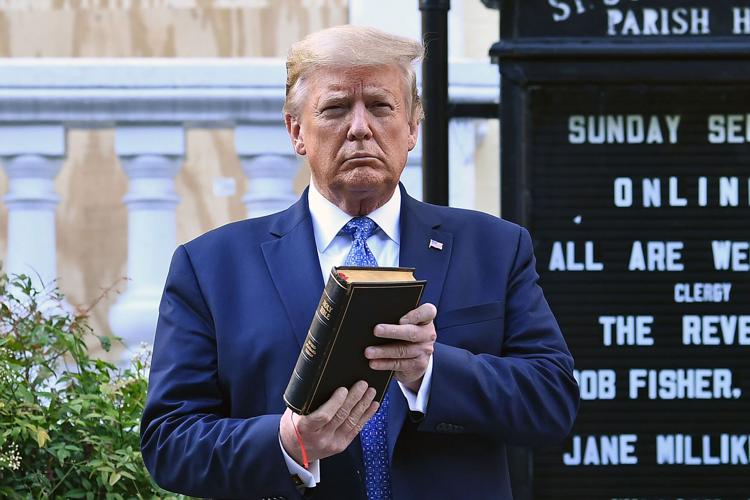
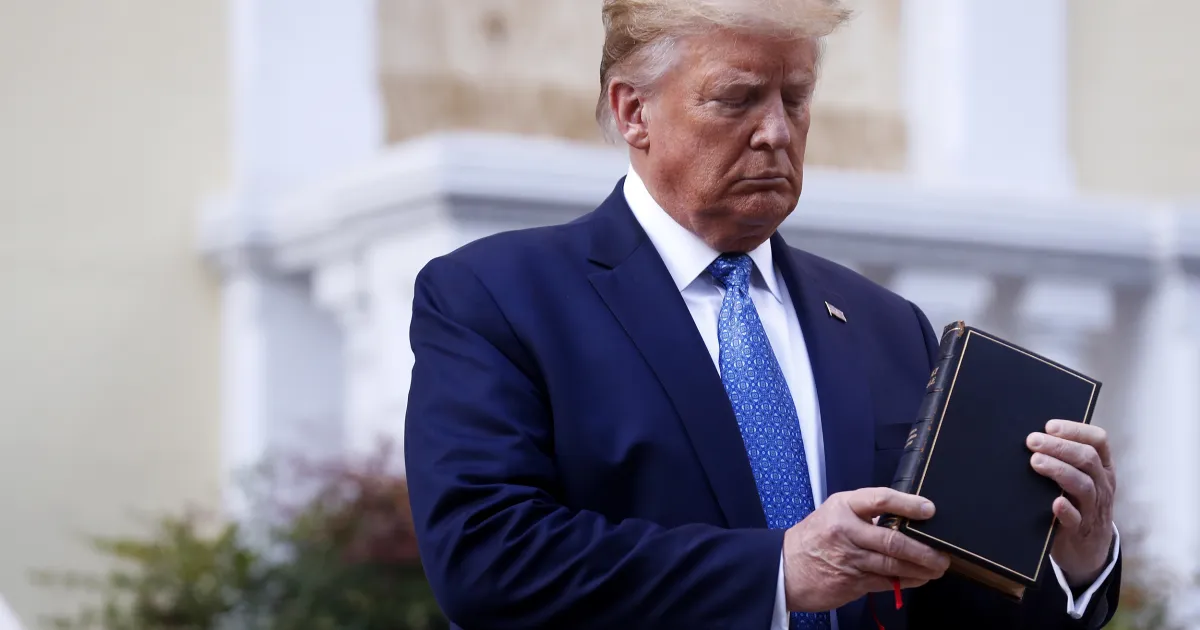
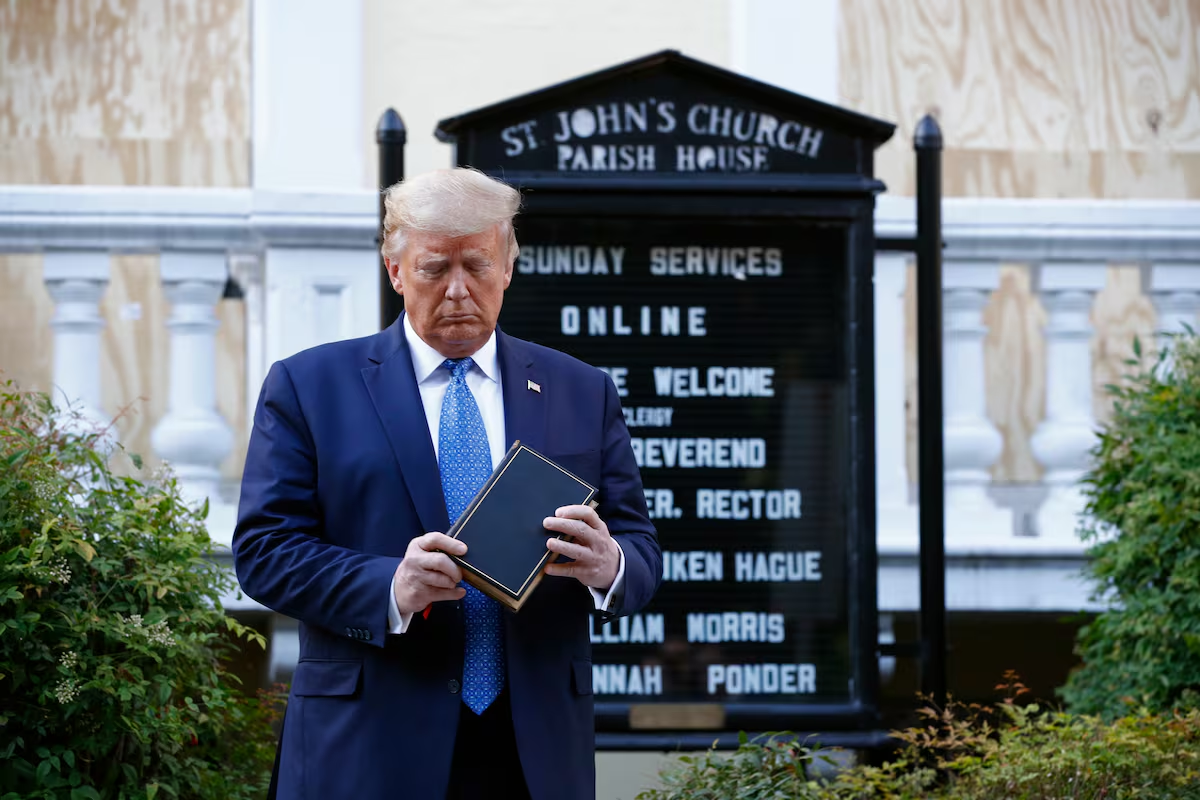
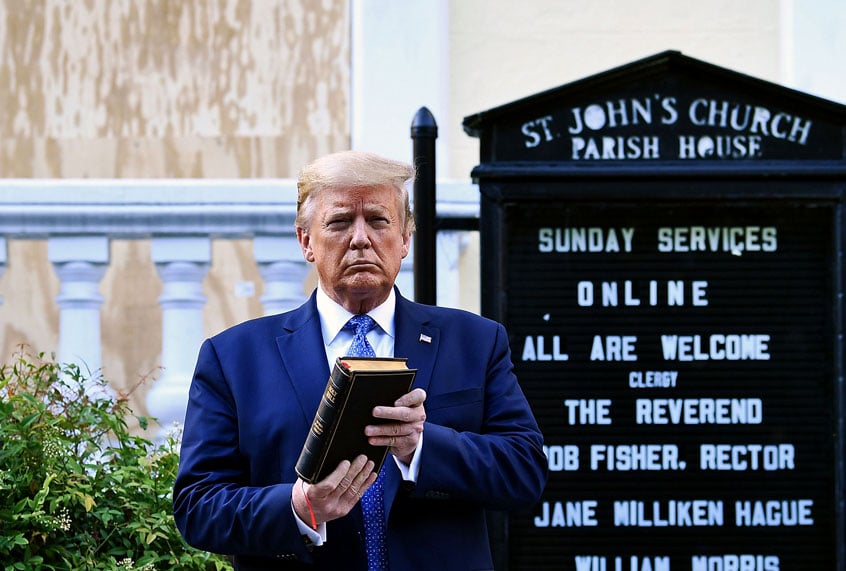
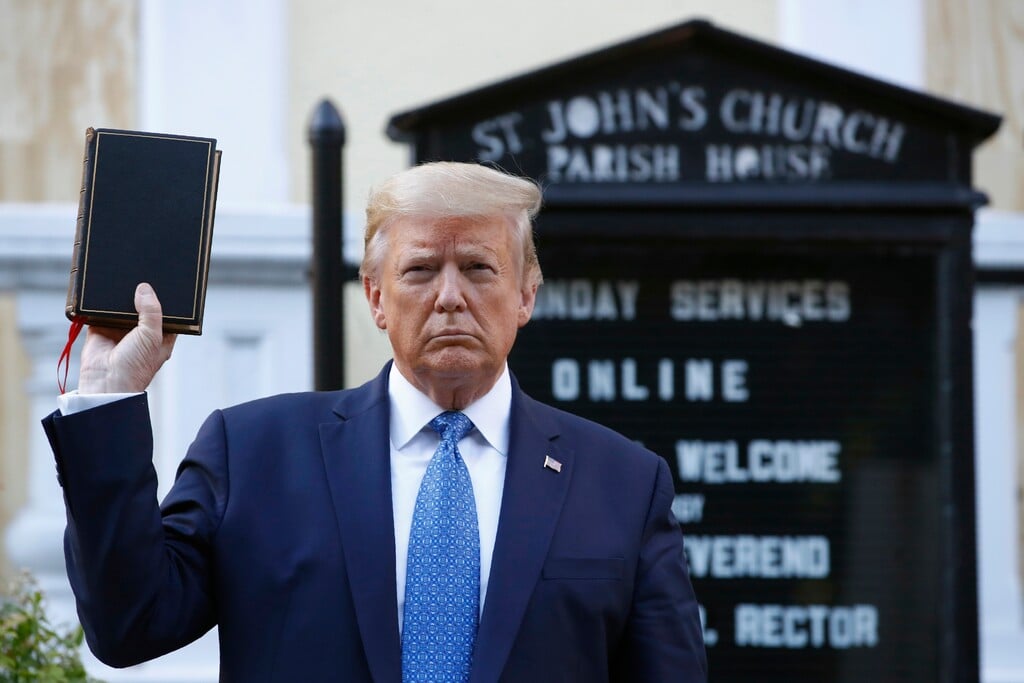
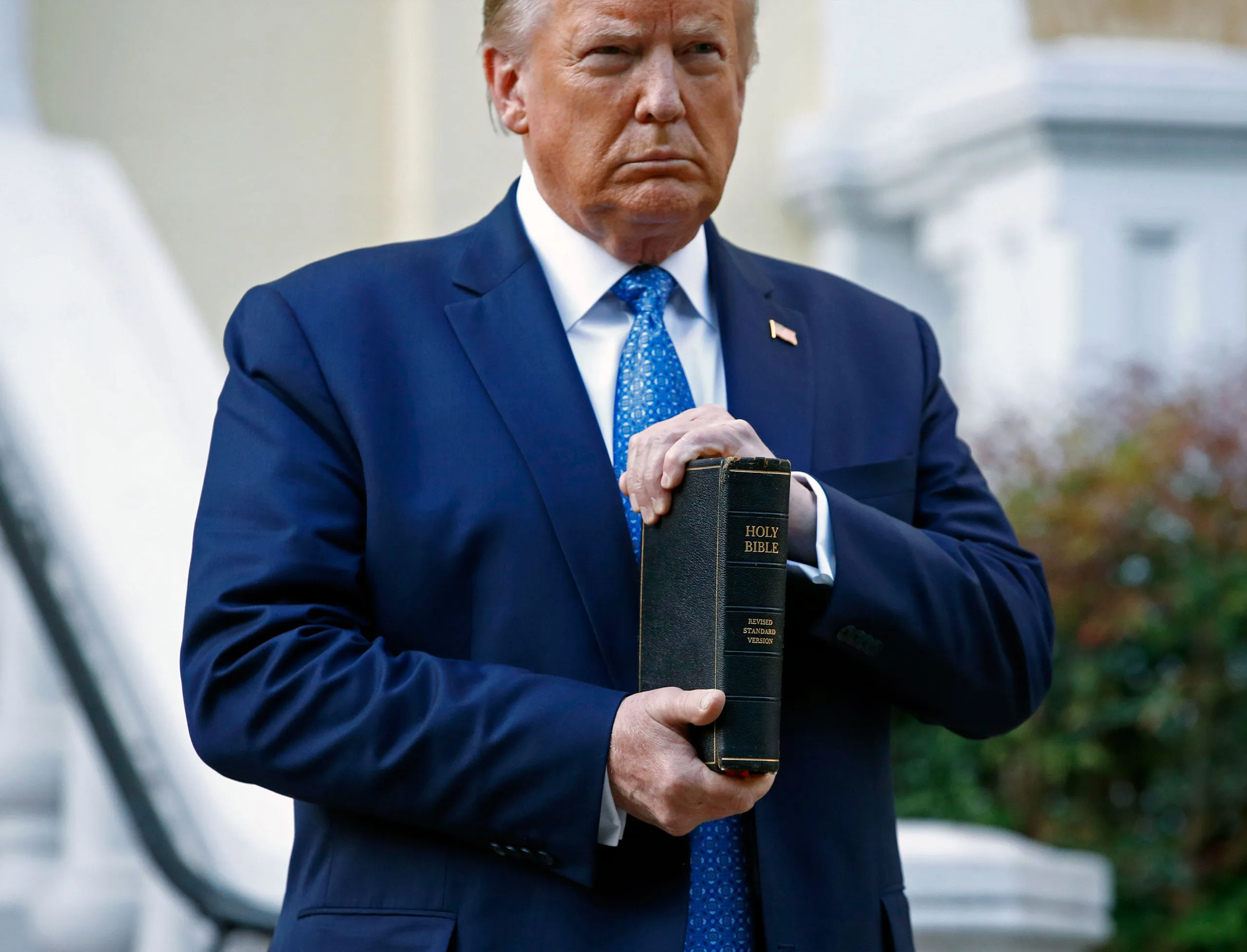
Donald Trump, the 45th President of the United States, has always maintained a complex relationship with American Christians. While his support among evangelical and conservative religious groups has been a cornerstone of his political identity, his recent actions have raised eyebrows and ignited debates within these communities. On June 1, 2020, Trump held up a Bible outside of St. John’s Episcopal Church in Washington, D.C., in a controversial photo-op, while later claiming that his intentions were grounded in faith. This moment, symbolizing his commitment to Christian values, became emblematic of his presidency’s appeal to religious voters. However, a recent development involving Trump’s participation in a Bible reading event has sparked new tensions, signaling the unraveling of his previously solid relationship with some factions of the Christian community.
Trump’s decision to participate in a Bible reading stream, part of an event celebrating America’s 250th anniversary, was a calculated move that seemed to further strengthen his image as a leader of faith. However, it also followed a peculiar and highly public incident—Trump had posted a social media image comparing himself to Jesus Christ. The image was quickly deleted, but it left behind significant fallout. Many Christian leaders and Trump’s staunch religious supporters expressed unease, even calling the comparison inappropriate. Despite this, Trump moved forward with reading 2 Chronicles 7:11-22 on the faith-based Pure Flix streaming service, a move that created both reflection and division within American Christianity.
The Event: A Spiritual Celebration or a Controversial Statement?
The Bible reading event, titled “America Reads the Bible,” was a week-long celebration designed to mark the country’s 250th anniversary, with nearly 500 individuals reading scriptures across the country. Organized by the Christian nonprofit Christians Engaged, the event attracted high-profile participation, including figures like Trump, his chief of staff Susie Wiles, and others in his administration. The reading was meant to encourage spiritual reflection and to connect the country’s foundations with its faith-based heritage. However, the event took on a new level of significance due to Trump’s participation.
Trump chose to read 2 Chronicles 7:11-22, a passage frequently referenced by conservative Christians. This specific verse includes the well-known line: “If my people, who are called by my name, will humble themselves and pray and seek my face and turn from their wicked ways, then I will hear from heaven, and I will forgive their sin and will heal their land.” The verse has historically been a rallying cry for American Christians, particularly among evangelicals, symbolizing a call for national repentance and divine healing. But the timing of this reading, following Trump’s controversial social media post, made it a point of contention.
The Public Fallout: Trump’s AI-Generated Image Sparks Pushback
The decision to read from the Bible came on the heels of a social media incident in which Trump shared an AI-generated image of himself resembling Jesus Christ healing a sick person. The post, which was later deleted, drew sharp criticism from even his most loyal religious supporters. For some, the image struck a dissonant note, creating discomfort and alienation among Christian groups that have long supported Trump. In his defense, Trump later clarified that the image was meant to depict him as a doctor associated with the Red Cross, not as a religious figure. However, the damage was done, and the event created an awkward juxtaposition between his faith-based initiatives and the reaction to the comparison to Jesus.
Evangelical leaders, who have been crucial to Trump’s political success, voiced their concerns about the image, with some even calling it blasphemous. The backlash was significant enough for Trump to delete the post and offer an explanation. But the underlying tensions remained, exposing the fragility of his relationship with key Christian groups. His participation in the Bible reading event, despite the social media controversy, was seen as an attempt to reassert his position within the Christian community. Yet it was not without complications, as his actions seemed increasingly at odds with the very people he once aligned himself with.
Trump’s Relationship with American Evangelicals

Trump’s relationship with American evangelicals has been a subject of intrigue since the start of his political career. Despite his personal history, which includes a non-traditional approach to religious observance, Trump’s administration made significant strides in securing evangelical support by pushing forward issues that resonated with Christian conservatives. His policies on abortion, religious freedom, and support for Israel solidified his position as a champion for the evangelical movement.
However, his approach to faith has always been complicated. Trump has rarely been seen attending church regularly and has faced criticism for his past moral failings, such as his multiple divorces and controversial statements. Despite this, his political power and stance on key issues appealed to evangelical voters who saw him as a defender of their values. But recent events, such as the backlash over the AI-generated image and his unpredictable actions, have made some Christians question the authenticity of his faith-driven rhetoric.
Margaret Susan Thompson, a professor of history and political science at Syracuse University, commented on the shift, stating, “The verse Trump read has been seen by many Evangelical Christians as a justification for calling upon God to bless the nation. But these recent developments have raised concerns about how Trump’s actions align with the very Christian values that his political base champions.”
The “MAGA Jesus” Movement: A Divisive Phenomenon
One of the more concerning developments for some American Christians is the rise of the “MAGA Jesus” movement. This movement, which has gained traction among some of Trump’s followers, elevates him to a messianic status, portraying him as a divine figure fighting against secular forces. While this movement has its supporters, it also alienates traditional Christian groups who see it as a distortion of the true message of Jesus. The “MAGA Jesus” narrative reflects the blending of politics and religion in a way that feels uncomfortable for many evangelical Christians who have long separated the two.
Trump’s controversial AI post, in which he depicted himself as a Christ-like figure, is seen by some as a reinforcement of the “MAGA Jesus” narrative. This only adds fuel to the fire for those within the Christian community who are uncomfortable with the increasing politicization of their faith. As Trump’s relationship with Christian voters becomes more polarized, it raises questions about the intersection of religion, politics, and the personal identity of a leader.
A Divided Response from Christian Leaders
The divide within the Christian community over Trump’s actions is apparent in the contrasting responses from different factions. For some evangelical leaders, Trump’s participation in the Bible reading event is a testament to his commitment to faith, especially considering his public decision to back down from the AI-generated post. Bunni Pounds, the founder and president of Christians Engaged, defended Trump’s actions, emphasizing his faith and authenticity. She remarked, “He wouldn’t have participated in this event if he didn’t believe it. His heart is really tender and open towards the Lord.”
However, for others within the faith community, this defense rings hollow. Critics argue that Trump’s faith is more performative than genuine, pointing to his divisive actions and inflammatory rhetoric as evidence of his lack of alignment with Christian values. These debates have sparked a deeper reflection within the Christian community, forcing individuals to reconcile their political allegiances with their spiritual beliefs.
Faith and Politics: A Delicate Balance
The ongoing tensions between Trump’s political identity and his relationship with American Christians underscore the increasingly delicate balance between faith and politics. As Trump continues to navigate his public persona, his Christian supporters must grapple with the complexities of supporting a leader whose actions often contradict the teachings they hold dear. This situation raises broader questions about the role of religion in political life and the risks of allowing political leaders to shape religious narratives for their own benefit.
Trump’s legacy among American Christians will likely continue to be debated for years to come. While his policies on religious freedom and support for conservative causes will remain important to his evangelical base, the recent controversies may signal a shift in how Christian voters view his authenticity and alignment with their faith. As the country moves forward, the relationship between religion and politics will continue to be a defining issue in American society.
A Moment for Reflection

The controversy surrounding Donald Trump’s Bible reading and the fallout from his AI-generated image serves as a critical moment for reflection within American Christianity. It forces Christian voters to consider what their faith truly means in the context of modern politics and how closely their values align with those of the politicians they support. While Trump’s participation in the Bible reading event may have been an attempt to reaffirm his connection to religious voters, the broader issues surrounding his authenticity, political actions, and controversial rhetoric continue to challenge that relationship.
As Trump’s political career continues to unfold, so too will the debate within the Christian community. This ongoing discussion about faith, politics, and leadership will shape the future of American Christianity, forcing individuals to confront difficult questions about their beliefs and how they interact with the political landscape.