
Table of Contents
- Immigrants and Their Children: A Growing Presence in the 118th Congress
- A Snapshot of Immigrant Representation in the 118th Congress
- Regional Patterns in Immigrant Representation
- Immigrant-Origin Legislators: From Diverse Backgrounds
- A Rising Trend: Transnational Politics and Immigrant Voices
- The Political Divide: Immigrants in the U.S. Congress
- Shifting Demographics: The Changing Face of American Leadership
- Moving Forward: A New Era of Representation
- The Power of Immigrant Voices in Congress
Immigrants and Their Children: A Growing Presence in the 118th Congress
The political landscape of the United States is shifting in ways that reflect the growing diversity of its population. As of 2025, immigrants and children of immigrants now make up at least 15% of the 118th U.S. Congress, marking a significant milestone in the country’s political evolution. This demographic, which includes 81 voting members, represents a broader spectrum of American identity than ever before, a trend that has developed over the past three Congresses. With at least 18 foreign-born voting members and 63 others with immigrant parents, this increase signals a change in how America’s political leadership is being shaped by its multicultural population.
For decades, the United States was considered the ultimate destination for immigrants, and its political institutions have traditionally been seen as a model of democratic inclusion. But as immigration patterns evolve, and more children of immigrants ascend to positions of power, the question arises: how will this increased representation impact the future of American governance?
A Snapshot of Immigrant Representation in the 118th Congress
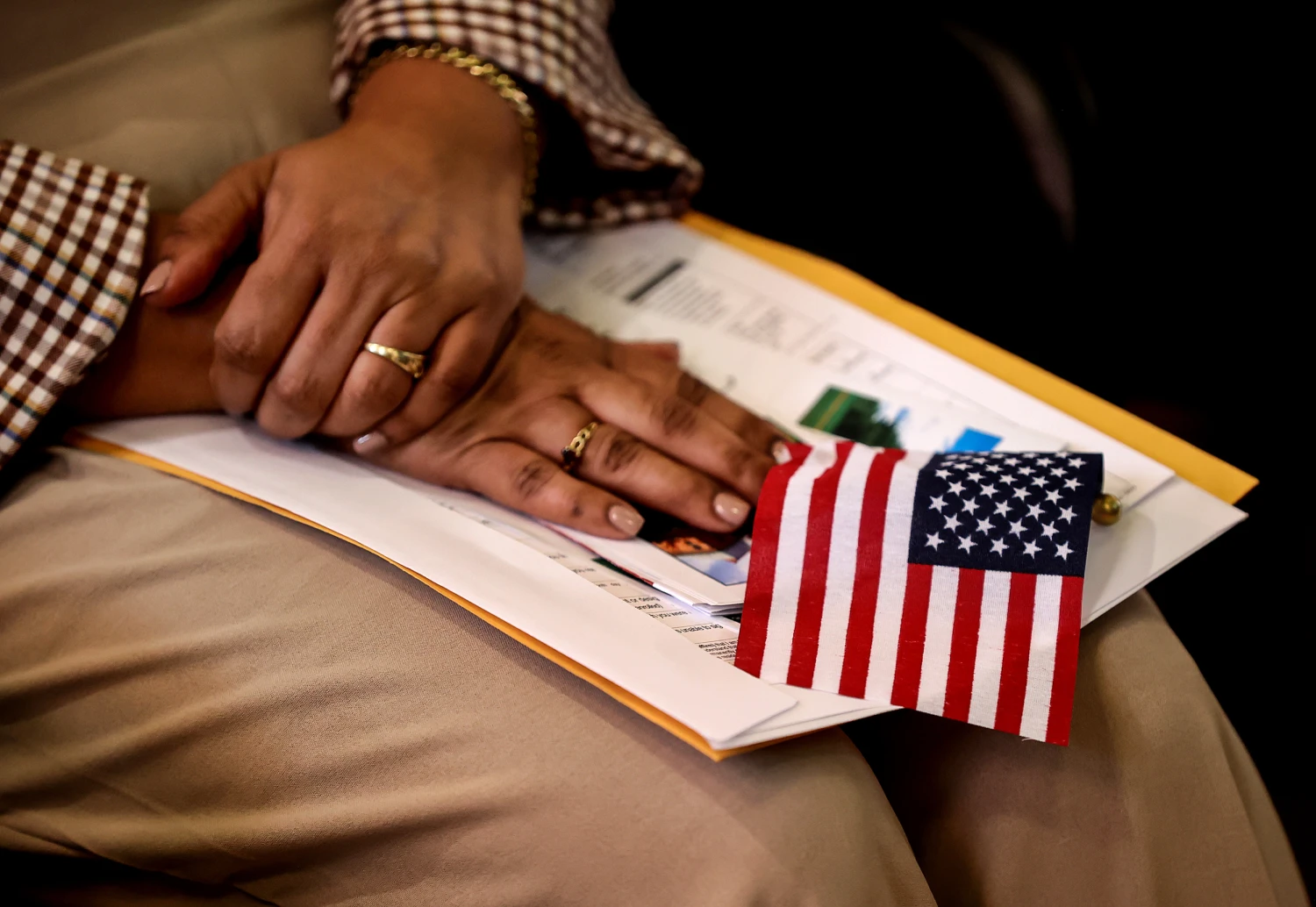
According to Pew Research Center’s analysis of biographical information from the Congressional Research Service and other sources, immigrants and children of immigrants now represent 15% of the U.S. Congress. This number is made up of 18 foreign-born lawmakers and 63 individuals with at least one immigrant parent, bringing new perspectives to the legislative process. This growing representation, which spans both the House of Representatives and the Senate, speaks to the evolving demographics of the United States, particularly as immigrant communities become more politically engaged.
While the share of foreign-born representatives is still relatively small—3% of voting members—what is noteworthy is the growing representation of children of immigrants, who now make up 12% of both chambers. This trend marks a dramatic shift in a country that has historically been reluctant to embrace such diversity in its leadership. For example, 2025 saw the highest number of immigrant-related claims in Congress since 2019, underscoring the gradual but significant rise of immigrant and second-generation representation.
Regional Patterns in Immigrant Representation
The geographical distribution of these immigrant lawmakers further highlights the increasing political power of immigrant communities in the United States. California stands out as the state with the largest share of immigrant representation, with 26% of these members coming from the West Coast. Other significant areas of immigrant representation include Florida (9%), Illinois (7%), and New York (6%).
Interestingly, nearly half (48%) of the immigrant and children of immigrants in Congress come from the Western states. This trend is largely driven by the state’s longstanding history of immigrant communities. Meanwhile, the Southern U.S. contributes 17% of immigrant-related representatives, with the Northeast and Midwest each providing a smaller but still notable share of lawmakers from immigrant backgrounds.
This regional breakdown not only highlights where immigrants are most politically active but also illustrates the growing role of immigrant populations in shaping the national conversation on immigration policy and social justice issues.
Immigrant-Origin Legislators: From Diverse Backgrounds
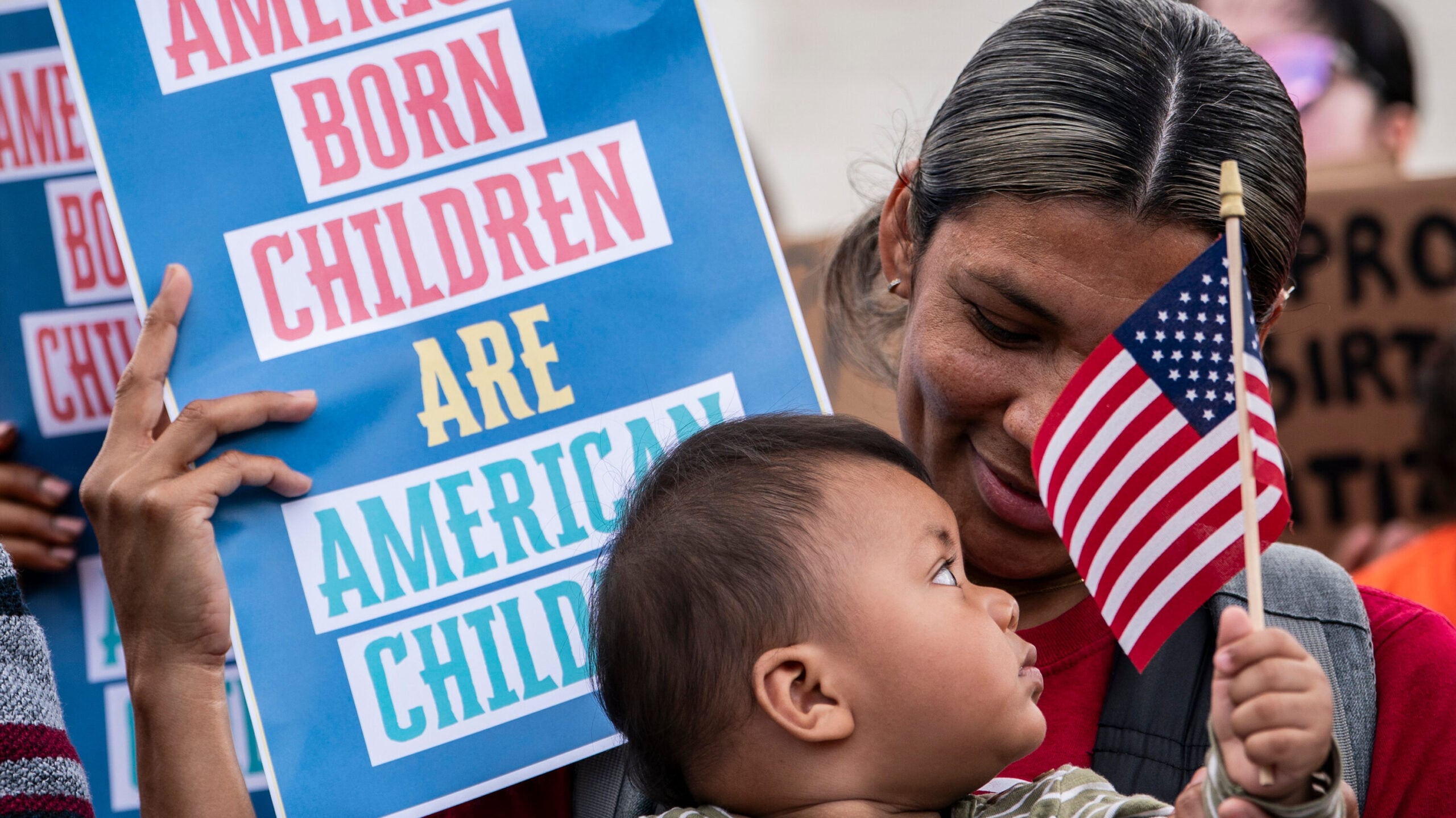
The diversity of backgrounds within this group of lawmakers is both vast and telling. While Central American immigrants have now surpassed Europeans in terms of political representation in Congress, the diversity within these communities is multifaceted. Central America contributes 30% of immigrant legislators, surpassing the 26% from Europe. Meanwhile, individuals of Asian (17%) and Caribbean (16%) descent also make up significant portions of the immigrant representation in Congress.
Among the countries of origin, Mexico tops the list, with 22 lawmakers having roots in Mexico, followed by Cuba (9), Germany (6), and India (5). This diversity of heritage underscores the varied and evolving nature of immigrant identity in the United States. Each group brings its unique set of experiences, priorities, and perspectives to the table, influencing legislation in ways that are reflective of their communities’ needs and aspirations.
A Rising Trend: Transnational Politics and Immigrant Voices
For many of the immigrant legislators in the 118th Congress, their personal and political journeys reflect the broader trends in transnational politics. These lawmakers, many of whom have personal ties to their countries of origin, bring an understanding of international relations that often transcends traditional political boundaries. Their ability to bridge cultural gaps and act as advocates for both their constituents and their countries of origin offers unique opportunities for diplomacy and cooperation on issues like immigration, foreign relations, and global trade.
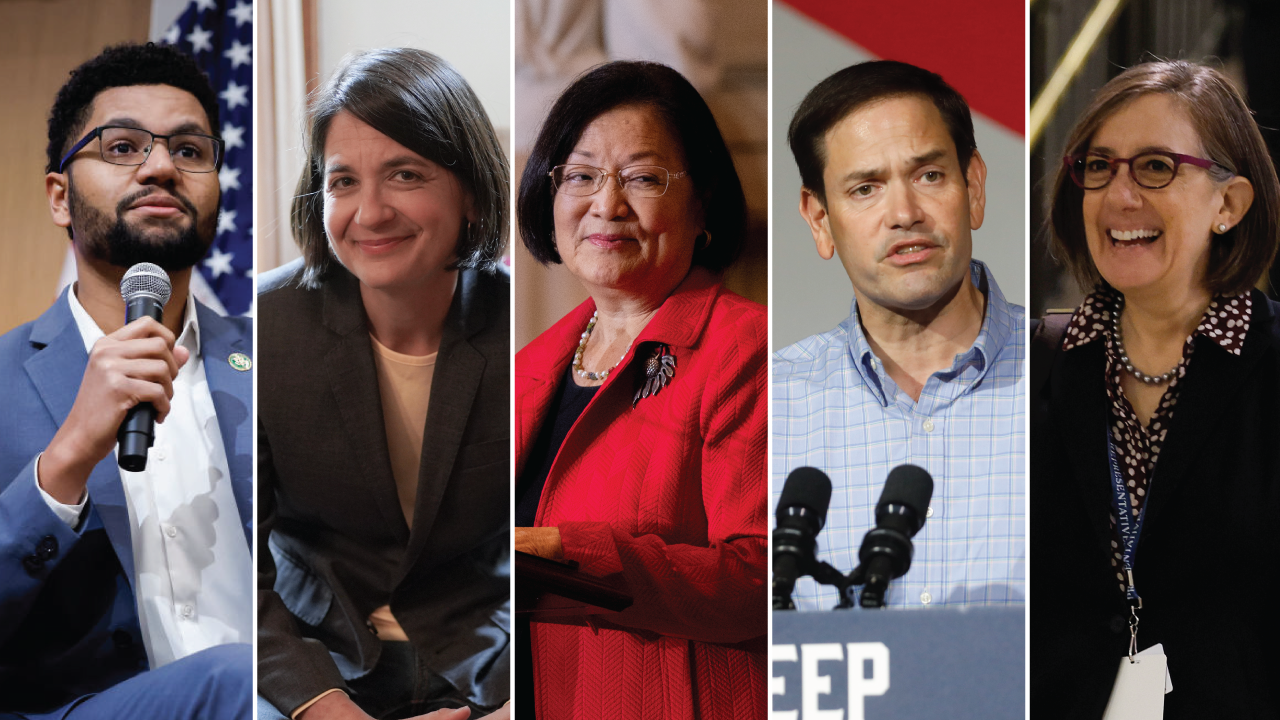
Notable examples of this phenomenon include Democratic Rep. Robert Garcia, who immigrated from Peru at age 5 and is the first openly gay immigrant to serve in Congress. Similarly, Rep. Becca Balint, the first woman and openly gay person to represent Vermont, hails from a Hungarian immigrant background, emphasizing the ways in which immigrant and LGBTQ identities intersect within the political sphere.
These diverse experiences are not just symbolic—they influence the way these lawmakers approach complex issues such as healthcare, climate change, and social justice. Their advocacy for immigrant communities and their firsthand understanding of the challenges these populations face in the U.S. have the potential to reshape political conversations and policies, leading to more inclusive and equitable legislative outcomes.
The Political Divide: Immigrants in the U.S. Congress
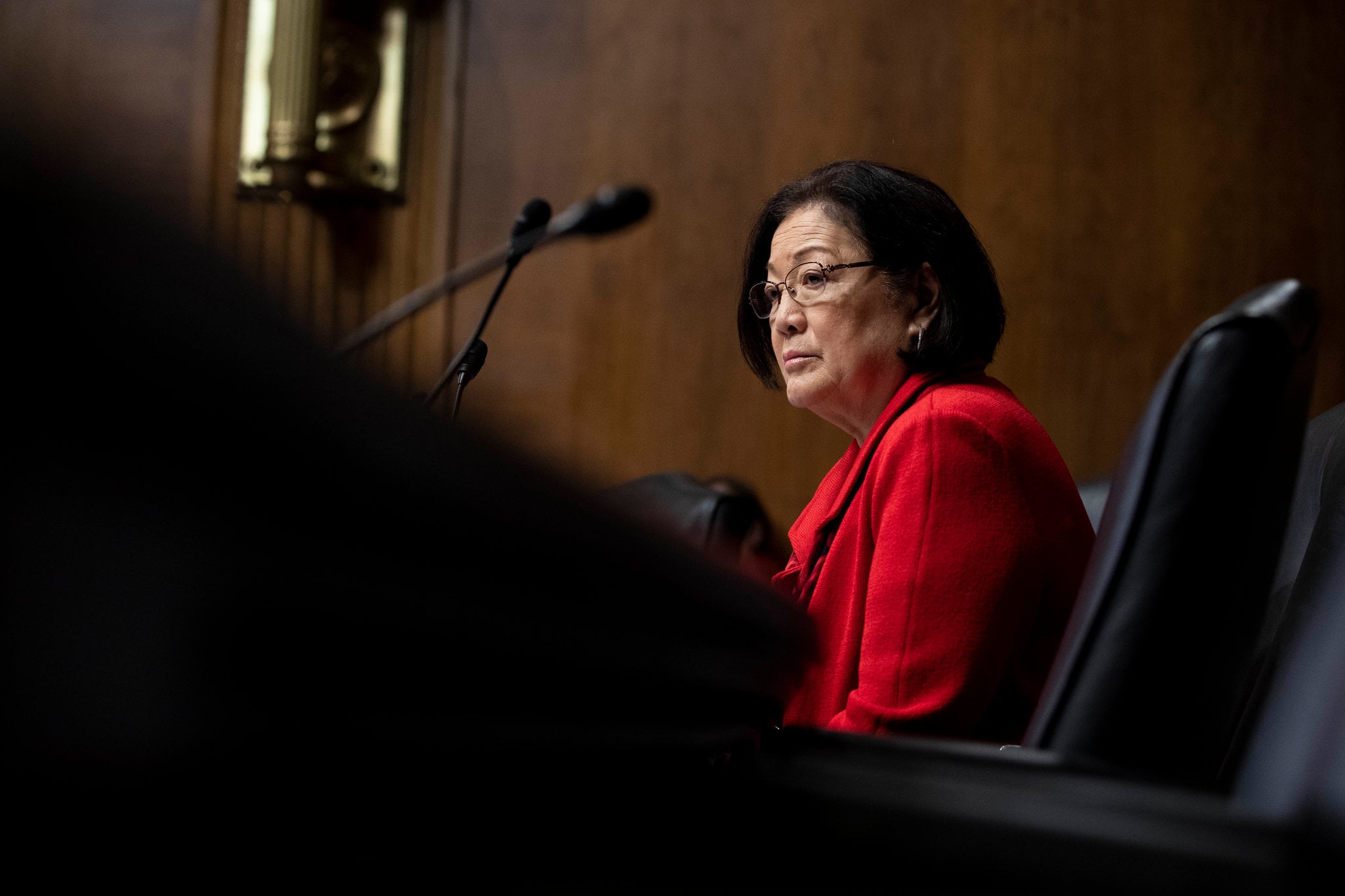
While the growing presence of immigrants in Congress is undeniable, there remains a significant political divide regarding immigration policy. Among the 17 senators who are either immigrants or children of immigrants, 12 are Democrats, and 4 are Republicans, with one independent. This partisan split reflects the broader ideological divide in U.S. politics over immigration issues.
In the House of Representatives, Democrats make up a significant portion of immigrant lawmakers, with 48 out of the 64 members hailing from immigrant backgrounds. However, the Republican Party also includes a growing number of immigrant voices, with notable figures like Rep. George Santos, who was born to Brazilian immigrant parents. Despite controversies surrounding Santos, his presence in the GOP reflects a broader trend of increased political engagement among immigrant communities within conservative circles.
The rise of immigrant voices in both parties signals a shift in the political landscape. No longer confined to one side of the aisle, immigrant lawmakers are contributing to debates across the political spectrum. As immigrant communities continue to grow, their influence in shaping national politics and policies will only become more pronounced.
Shifting Demographics: The Changing Face of American Leadership
The growing number of immigrants and children of immigrants in Congress reflects the broader demographic changes occurring within the United States. As more individuals from diverse backgrounds rise to positions of power, they challenge traditional notions of American identity and leadership. This shift is particularly significant as the U.S. faces increasing calls for immigration reform, and as the role of immigrants in shaping American culture and politics continues to evolve.
The rise of immigrant-origin lawmakers also highlights the changing nature of political representation. As the face of leadership diversifies, so too do the policies and priorities of elected officials. Immigrant lawmakers are more likely to advocate for policies that protect the rights and welfare of marginalized communities, including immigrants, refugees, and people of color.
This shift also speaks to the broader trend of increasing political participation among immigrant communities, which have long been underrepresented in political offices across the country. With more immigrant lawmakers gaining a seat at the table, their influence will help ensure that the needs and concerns of their communities are addressed in the halls of power.
Moving Forward: A New Era of Representation
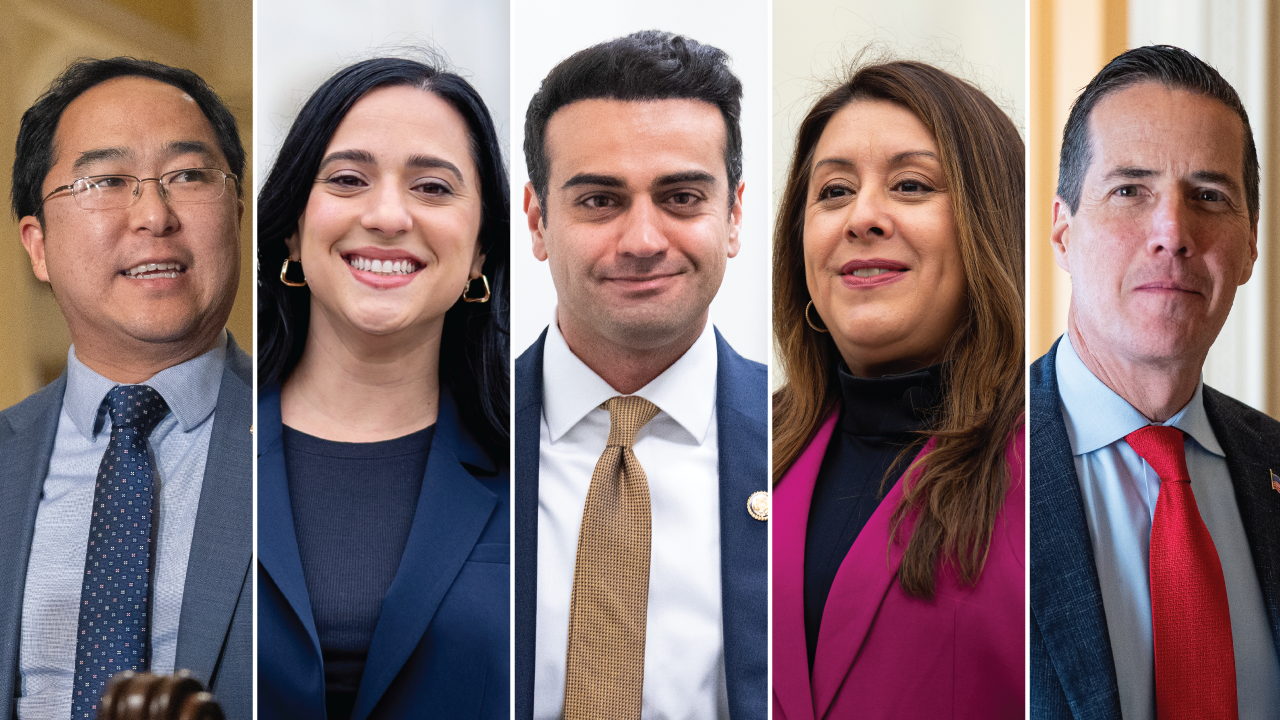
The increasing presence of immigrants and children of immigrants in Congress represents a new era of representation in American politics. As the country becomes more diverse, it is essential that its political leadership reflects that diversity. Immigrant-origin lawmakers are helping to reshape the political landscape, ensuring that the voices of marginalized communities are heard and that policies are crafted with their needs in mind.
This trend also raises important questions about the future of American democracy. As the population continues to diversify, the representation of immigrant communities in political offices will become even more critical. Their voices will be essential in addressing issues like immigration reform, healthcare access, and social justice, and in ensuring that the U.S. remains a land of opportunity for all.
The Power of Immigrant Voices in Congress
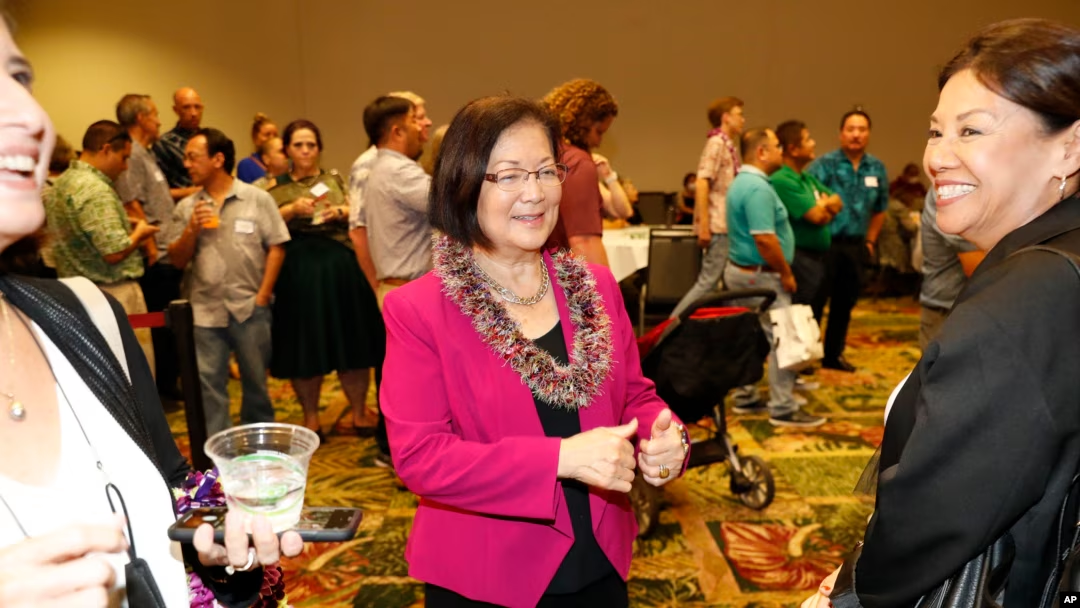
The growing representation of immigrants and children of immigrants in the 118th Congress is a testament to the evolving nature of American democracy. These lawmakers bring a wealth of diverse perspectives and experiences that are reshaping the political landscape and driving important conversations about immigration, justice, and equality. As their influence continues to grow, it is clear that immigrant voices will play a crucial role in shaping the future of American politics. The journey of these lawmakers serves as a powerful reminder of the contributions that immigrant communities have made—and continue to make—to the fabric of American society.