

Table of Contents
The Origins of the Claim
The rumor first gained traction through a viral post that claimed many schools across the country were removing analog clocks from their classrooms to “keep up with the times.” The post quickly went viral, with many users expressing concern that this was part of a broader educational trend toward digital dependence. The idea that students are no longer being taught how to read an analog clock struck a chord with people who view traditional learning methods as an important part of educational development.
However, as the claim spread, it became clear that there was no widespread movement to remove analog clocks. Instead, the story seemed to be rooted in a few isolated incidents where schools were replacing old, malfunctioning clocks with newer digital models, primarily as part of renovation projects or technological upgrades.
The Shift from Analog to Digital
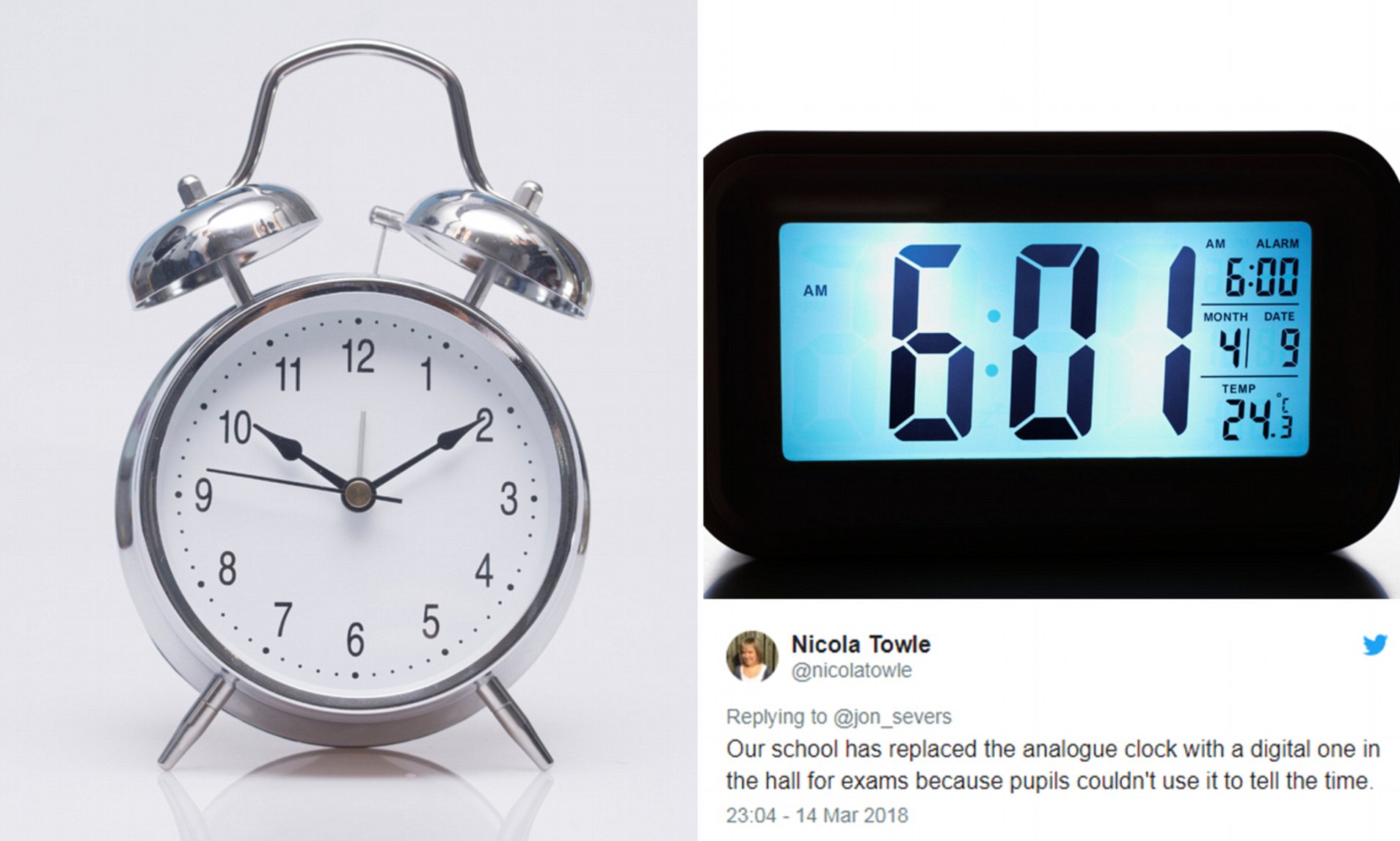
While it’s true that some schools have made the switch from analog to digital clocks, this shift is generally driven by practical considerations rather than any educational agenda. Many schools, particularly those in older buildings, had analog clocks that were outdated, inaccurate, or difficult to read. Replacing these clocks with modern digital ones offers a simple solution that helps maintain accurate timekeeping, especially in large classrooms or gyms where students may struggle to read small analog clocks from a distance.
Additionally, digital clocks often have features that are easier for students to understand. The ability to see the time in a straightforward numerical format is particularly useful for younger students who may not yet have mastered the art of reading an analog clock. For these students, the move to digital clocks is less about eliminating traditional learning and more about making sure they can efficiently manage time in their day-to-day school life.
The Educational Value of Analog Clocks
Despite the practical benefits of digital clocks, many educators argue that learning to read an analog clock is an important life skill. Analog clocks, with their traditional hour and minute hands, teach students how to read time in a way that develops their understanding of numerical relationships and spatial reasoning. Studies have shown that learning to read an analog clock helps children grasp more complex mathematical concepts, such as fractions and division, because they must understand how the hour and minute hands divide the clock into segments.
Some educators have expressed concern that removing analog clocks could deprive students of this valuable learning experience. They argue that knowing how to read both analog and digital clocks is an important part of a well-rounded education. In fact, some schools have even implemented dual-clock systems, with both analog and digital clocks placed side-by-side in classrooms, to allow students to learn both formats.
A Mixed Reaction: What Schools Are Actually Doing

While the claim of widespread analog clock removal is exaggerated, there are schools that are indeed opting for digital clocks in certain settings. These decisions are often made based on practicalities such as space constraints, budget limitations, and the availability of modern technology. For example, in schools with limited resources, replacing old analog clocks with digital models might be a cost-effective solution to an ongoing problem.
However, it’s important to note that many schools are not completely removing analog clocks from classrooms. Instead, they are simply updating outdated clocks or replacing broken ones with more efficient, digital alternatives. In fact, many schools continue to use analog clocks in hallways, classrooms, and other common areas where time management is crucial.
Moreover, the decision to replace analog clocks is not universal across schools. Some districts are maintaining analog clocks in classrooms to preserve the educational value of teaching students to read both analog and digital time. In these cases, the goal is to balance modernization with tradition, ensuring that students have a well-rounded understanding of time-telling methods.
The Impact on Students and Teachers
So, how is the shift to digital clocks impacting students and teachers? For many students, the transition is not a major issue. Most students, especially in older grades, are already proficient in reading digital clocks and have little trouble adjusting to the change. In fact, some students may find it easier to read digital clocks, especially in large classrooms or hallways, where analog clocks can be difficult to read from a distance.
For younger students, however, the change may present challenges. Some educators believe that learning to read an analog clock helps students develop critical thinking skills and spatial awareness. Removing analog clocks from classrooms could lead to a diminished opportunity for students to develop these skills. This has led to calls for maintaining analog clocks in certain settings to ensure that students continue to learn how to read both types of timepieces.
Teachers, for their part, have had mixed reactions to the shift. Some embrace the convenience and clarity of digital clocks, while others feel that analog clocks still have a place in the classroom. Teachers who advocate for analog clocks argue that they help students develop a deeper understanding of time, particularly as they learn to read and interpret the divisions between hours and minutes.
Why This Debate Matters:

At the heart of the debate over analog clocks in schools is a broader conversation about the role of technology in education. As schools increasingly rely on digital tools and devices, there is growing concern that traditional learning methods, such as reading analog clocks, are being phased out in favor of technology-driven solutions. This raises important questions about the balance between embracing new technology and preserving traditional educational practices.
While digital clocks offer convenience and accuracy, it’s essential to recognize the value of teaching students traditional skills that can help them think critically and problem-solve in real-world situations. Learning to read an analog clock may seem like a small skill, but it plays an important role in developing foundational math and cognitive abilities that students can carry with them throughout their lives.
Conclusion:
The debate over removing analog clocks from schools highlights the complexities of modern education. While digital clocks offer practical benefits, it’s important to ensure that students continue to learn the traditional skills that help them think critically and understand the world around them. As schools continue to update their classrooms and embrace new technologies, they must strike a balance between modernization and the preservation of important educational practices.
Ultimately, whether schools use analog or digital clocks, the goal should be to provide students with the tools they need to succeed. By fostering a learning environment that values both innovation and tradition, schools can ensure that students are equipped with the skills they need to navigate the challenges of the future, while still appreciating the value of the past.