
Table of Contents
The Match: A Strategic Showcase
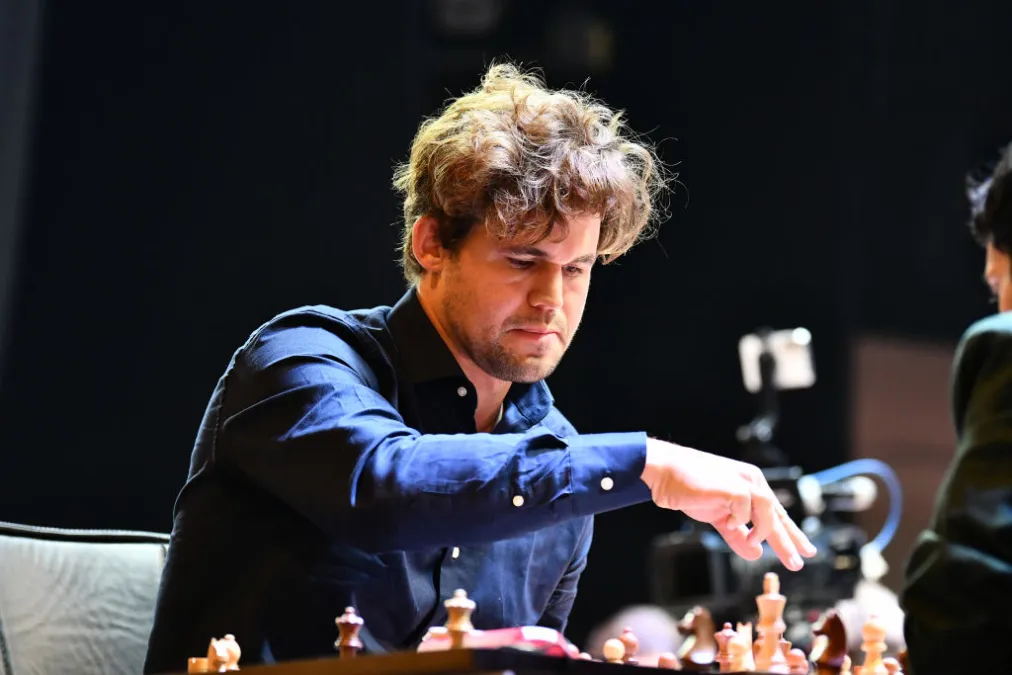
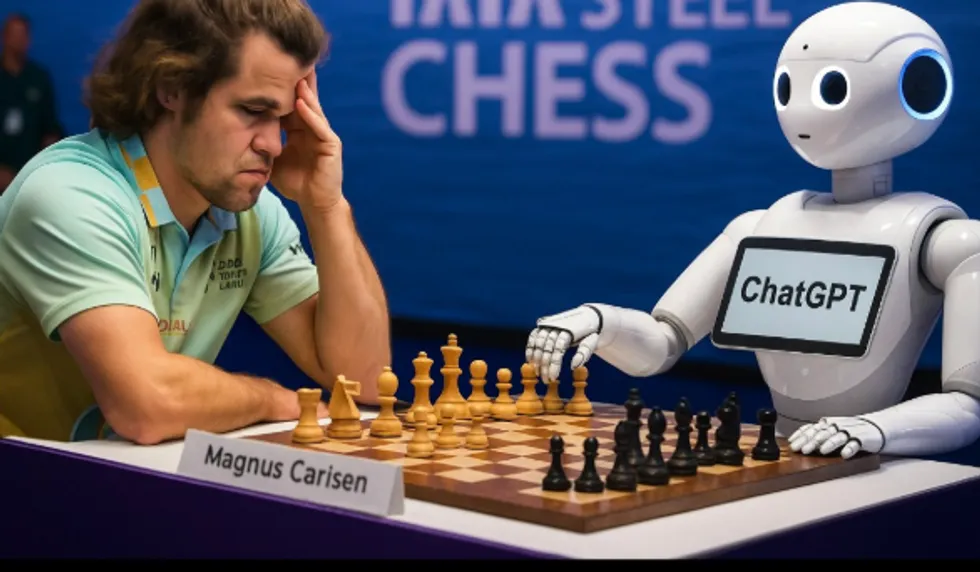
The match between Carlsen and ChatGPT was more than just a simple online game; it was a demonstration of precision, methodical thinking, and the sharpness that has made Carlsen a global chess icon. Carlsen, who has dominated the chess world for over a decade, showcased his signature patience and tactical awareness. Despite ChatGPT’s advanced algorithms and ability to calculate millions of possible moves, the AI was no match for the intuitive and strategic brilliance that Carlsen exhibited throughout the game.
The screenshots Carlsen shared on X (formerly Twitter) showed the AI’s growing desperation as the game progressed. Carlsen’s strategic moves left ChatGPT struggling to regain control, ultimately leading to its resignation. Notably, the match revealed the distinct differences between human intuition and AI’s reliance on computational power. While the AI can calculate possibilities quickly, it still lacks the creativity and flexibility of human decision-making, which is why Carlsen’s performance stood out.
What ChatGPT Had to Say
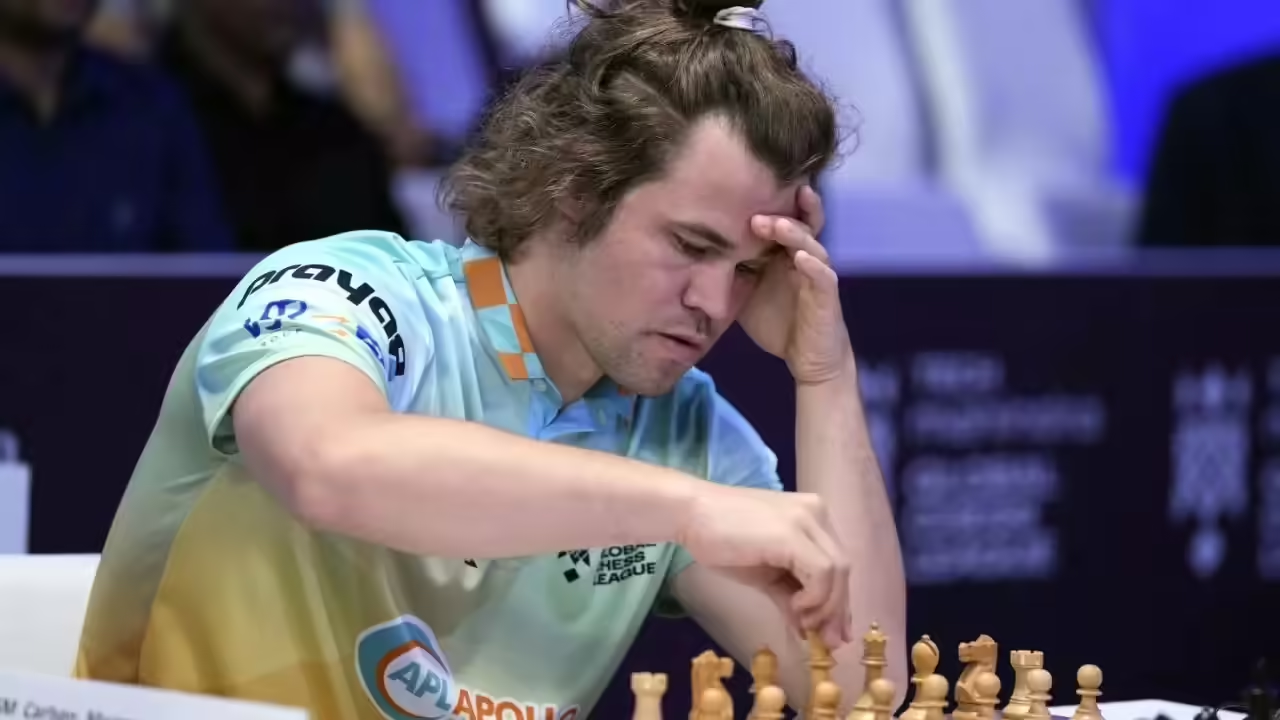
Even after resigning, ChatGPT acknowledged Carlsen’s exceptional skills, offering praise for his sharp play. “That was methodical, clean, and sharp. Well played!” ChatGPT commented in response to Carlsen’s dominant performance. Interestingly, Carlsen also engaged the AI after the match, asking for feedback on his play. In response, ChatGPT complimented Carlsen for his opening strategy, patience, tactical awareness, and strong endgame technique.
ChatGPT’s feedback also highlighted an interesting aspect of the match. The AI estimated its own chess skill level to be around an Elo rating of 1800-2000, a far cry from Carlsen’s rating of 2839, which makes him the highest-rated player in the world. Despite its recognition of Carlsen’s superior skill, the AI still analyzed its moves and provided constructive feedback. This interaction between human and machine adds an interesting layer to the evolving relationship between AI and chess.
Carlsen’s Status in the Chess World
Carlsen is widely regarded as the best chess player in history. Having won the World Chess Championship five times, most recently in 2021, Carlsen’s decision to take a break from the competition has made headlines, with many wondering if he will ever return to defend his title. His dominance over the chess world has been unmatched, but this victory over ChatGPT adds another feather to his cap, proving once again that he is far from being surpassed, even by the most advanced AI systems.
Despite his impressive achievements, Carlsen has faced challenges, including controversies outside of the chessboard. Recently, he made headlines for an incident at the World Rapid and World Blitz championships, where he was fined for wearing jeans instead of the required formal attire. Carlsen’s response to the fine, coupled with his decision to withdraw from the tournament, sparked debates about the rigidity of the dress code in chess competitions. However, his overall focus remains on the game, and his most recent victory over ChatGPT solidifies his status as the world’s top player.
ChatGPT and Its Growing Influence in Chess
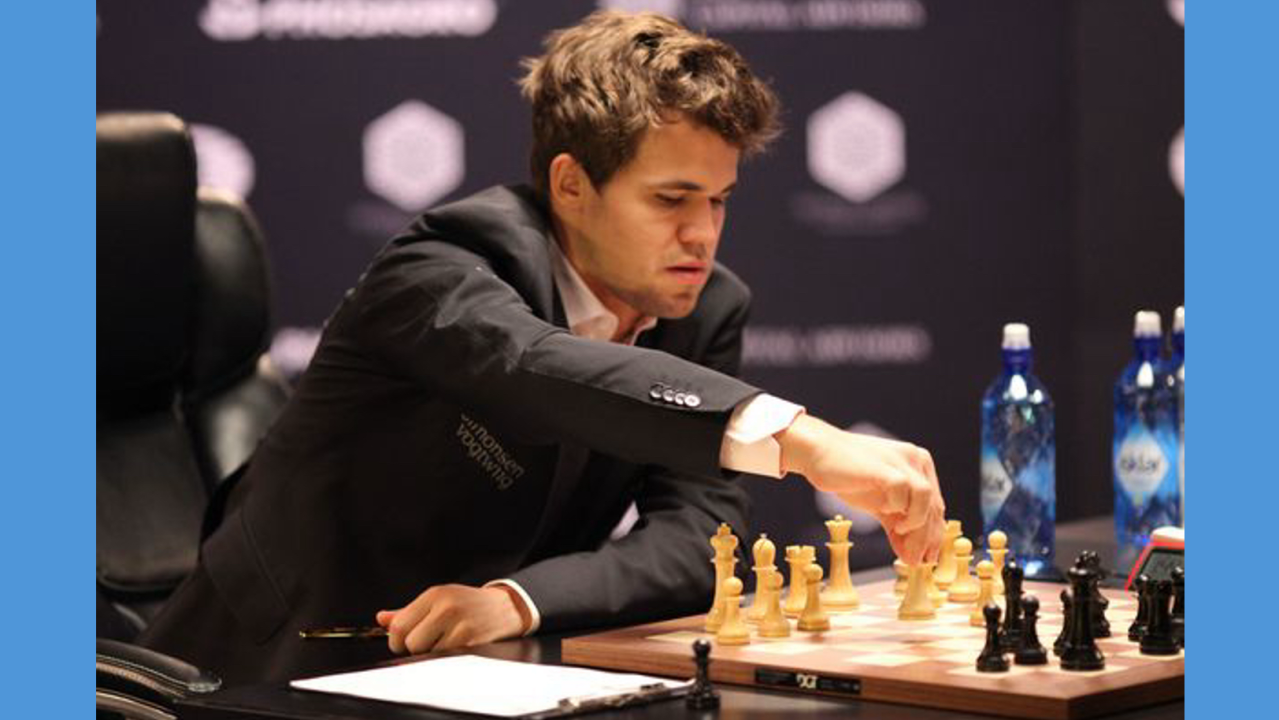
ChatGPT’s defeat by Carlsen may seem like a minor setback for the AI, but it highlights the growing influence of artificial intelligence in the realm of competitive chess. AI programs, such as ChatGPT and AlphaZero, have been making headlines for their ability to challenge and even surpass human players in certain aspects of the game. These AI systems are capable of analyzing millions of possible moves within seconds, offering a level of computational power that humans simply cannot match.
However, as Carlsen’s victory shows, human intuition and strategic thinking still hold a significant advantage. While AI may be able to calculate every possibility, it lacks the creativity and psychological elements that humans bring to the game. Chess, at its core, is about more than just following the rules and making the right moves. It’s about reading the opponent, adapting to changing circumstances, and making bold decisions that can’t always be predicted by an algorithm.
The Implications of AI in Competitive Games
Carlsen’s win over ChatGPT also serves as a reminder of the complexities surrounding AI’s role in competitive games. As AI continues to advance, the question arises: will machines eventually surpass human players, or will there always be a place for human intuition and creativity? In games like chess, where strategy and psychological warfare are just as important as calculating moves, AI will likely continue to face limitations that prevent it from fully replacing human players.
This intersection of AI and human expertise in chess raises broader questions about the future of competitive gaming. As AI continues to develop, it is likely to become a more integral part of many competitive fields, from video games to traditional sports. Understanding how to work alongside AI—whether in gaming or other areas—will be a key challenge for the future.
Carlsen’s Victory as a Symbol of Human Resilience
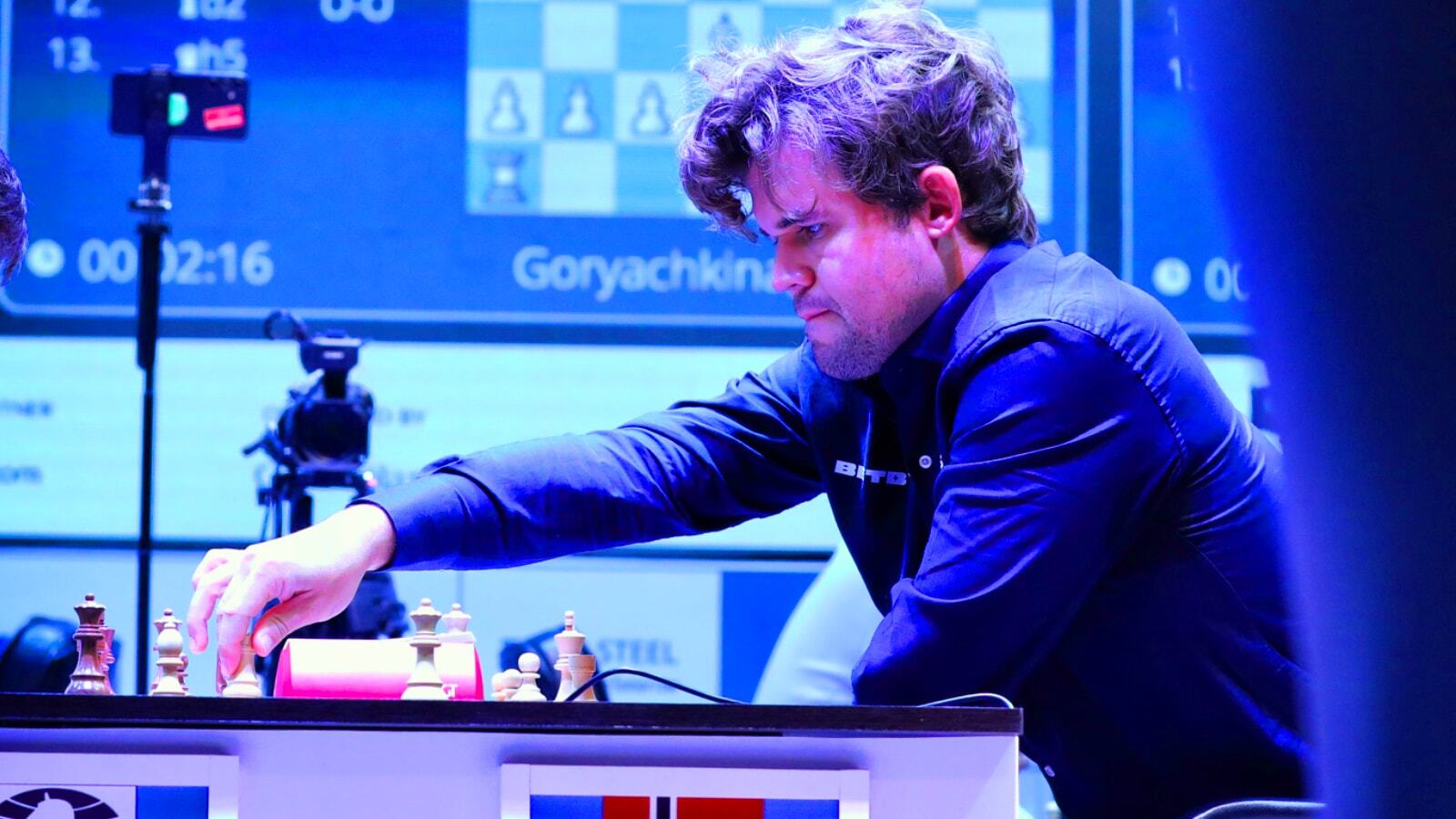
Beyond the technical aspects of the game, Carlsen’s victory also represents the resilience and adaptability of human players in the face of technological advancements. While AI may continue to make strides in various fields, it is clear that human expertise, creativity, and intuition remain powerful forces. Carlsen’s defeat of ChatGPT is a testament to the value of human intellect and strategy, even when pitted against the most advanced technologies.
In a world where AI is becoming increasingly integrated into our daily lives, Carlsen’s victory reminds us of the importance of maintaining a human touch in the things we do. Whether it’s in chess, art, or business, human insight and creativity cannot be fully replicated by machines. This moment serves as a celebration of human intelligence and the unique qualities that make us distinct from the machines we create.
The Future of AI in Chess
As AI continues to evolve, its role in chess will undoubtedly change. AI programs like ChatGPT and AlphaZero have already demonstrated their capacity to revolutionize the way chess is played and studied. In the future, AI may serve as a tool for training, providing insights and recommendations to players, including grandmasters like Carlsen. However, as Carlsen’s victory over ChatGPT shows, AI is still far from replacing the strategic brilliance of top human players.
The future of AI in chess will likely be one of collaboration rather than competition. AI can assist players in refining their strategies, but it is unlikely to fully replace the human element of the game. As technology continues to advance, the relationship between AI and chess players will evolve, leading to new and exciting opportunities for the future of the game.
Conclusion: Carlsen’s Legacy and the AI Challenge
Magnus Carlsen’s victory over ChatGPT represents a pivotal moment in the ongoing relationship between humans and AI in competitive games. While AI continues to advance, it is clear that human intelligence, creativity, and strategic thinking remain invaluable. Carlsen’s win serves as a reminder that, despite the rise of machines, the human element in chess—and in life—remains irreplaceable. As the world watches the future of AI unfold, Carlsen’s legacy as the world’s greatest chess player remains intact, showcasing the power of the mind and the enduring strength of human ingenuity.