

Table of Contents
- Artemis II Crew Breaks Apollo 13’s Distance Record
- Historic Flyby of the Moon’s Far Side
- Jim Lovell’s Message to the Artemis II Crew
- Proposed Names for Lunar Craters: Integrity and Carroll
- Stunning Views of Earth and the Moon
- A Tribute to the Apollo 13 Mission
- A Key Step Toward Returning Humans to the Moon
- A Step Toward Mars and Beyond
- The Future of Lunar Exploration
- The Legacy of the Artemis Missions
- Conclusion
Artemis II Crew Breaks Apollo 13’s Distance Record
The Artemis II mission has achieved an impressive feat by breaking the distance record held by the Apollo 13 mission for over 50 years. Apollo 13, which faced a life-threatening crisis in space, was originally on a mission to land on the Moon but was forced to abort due to a mechanical failure. Despite this setback, the mission still set the record for the farthest distance from Earth ever reached by humans at the time.
Artemis II, however, is on track to eclipse that record, pushing the limits of human space exploration once again. With the Orion spacecraft, the crew of NASA astronauts Reid Wiseman, Victor Glover, Christina Koch, and Canadian astronaut Jeremy Hansen, is now traveling farther than any human before them. Their mission is not just about breaking records but also about collecting vital data to support future missions, including those that will eventually return humans to the lunar surface.
Historic Flyby of the Moon’s Far Side

The Artemis II mission has also made history by becoming the first crewed mission to fly around the far side of the Moon. While the far side of the Moon has been photographed and studied by robotic missions, no human has ever had the opportunity to witness this mysterious side of the Moon firsthand. As part of their flyby, the astronauts are taking in extraordinary views of this previously unseen lunar landscape, capturing photos that will provide valuable insights for future lunar exploration.
The significance of this mission goes beyond the distance record. It’s a unique opportunity for astronauts to study the Moon’s far side, which is an area rich in scientific potential. The data collected during this historic flyby will help scientists better understand the Moon’s surface, its formation, and its potential for future exploration and habitation.
Jim Lovell’s Message to the Artemis II Crew
On the sixth day of their mission, the Artemis II crew received a special message from the late astronaut Jim Lovell, who flew aboard the Apollo 8 and 13 missions. Lovell, who passed away at the age of 97, sent a recorded message wishing the astronauts well on their historic journey. “Welcome to my old neighborhood,” Lovell said, referring to the deep space environment the crew was experiencing.
Lovell’s words underscored the historic nature of the mission and the connection between past and present space exploration. The message served as a reminder of the bravery and achievements of the Apollo program, which paved the way for Artemis and future lunar missions. Lovell’s passing adds an emotional layer to the mission, linking the early days of space exploration with the new generation of astronauts continuing the legacy.
Proposed Names for Lunar Craters: Integrity and Carroll
As the Artemis II crew reached the farthest point from Earth, they took the opportunity to name two new lunar craters they observed. The astronauts proposed the names “Integrity” and “Carroll” for the craters. “Integrity” was chosen to honor the integrity of the mission and the spacecraft itself, while “Carroll” was named in memory of Commander Reid Wiseman’s wife, who tragically passed away from cancer in 2020.
The naming of these craters is a meaningful gesture, symbolizing the personal sacrifices and deep connections that the astronauts share with their families and with the mission. It also highlights the human aspect of space exploration, which is often overshadowed by the technological achievements.
Stunning Views of Earth and the Moon
As part of their flyby, the Artemis II astronauts were able to capture stunning images of Earth and the Moon. One of the most remarkable moments came when the astronauts photographed both Earth and the Moon in the same shot, showcasing the contrast between our home planet and the desolate lunar surface. The photos taken during the mission not only highlight the astronauts’ achievements but also serve as a powerful reminder of the vastness of space and humanity’s small place within it.
The view of Earth, looking like a fragile blue marble from the distant Moon, is one that has inspired awe and wonder in generations of space explorers. For the Artemis II crew, it was a moment of reflection and awe, as they marveled at the beauty of our planet from a perspective few have ever seen.
A Tribute to the Apollo 13 Mission
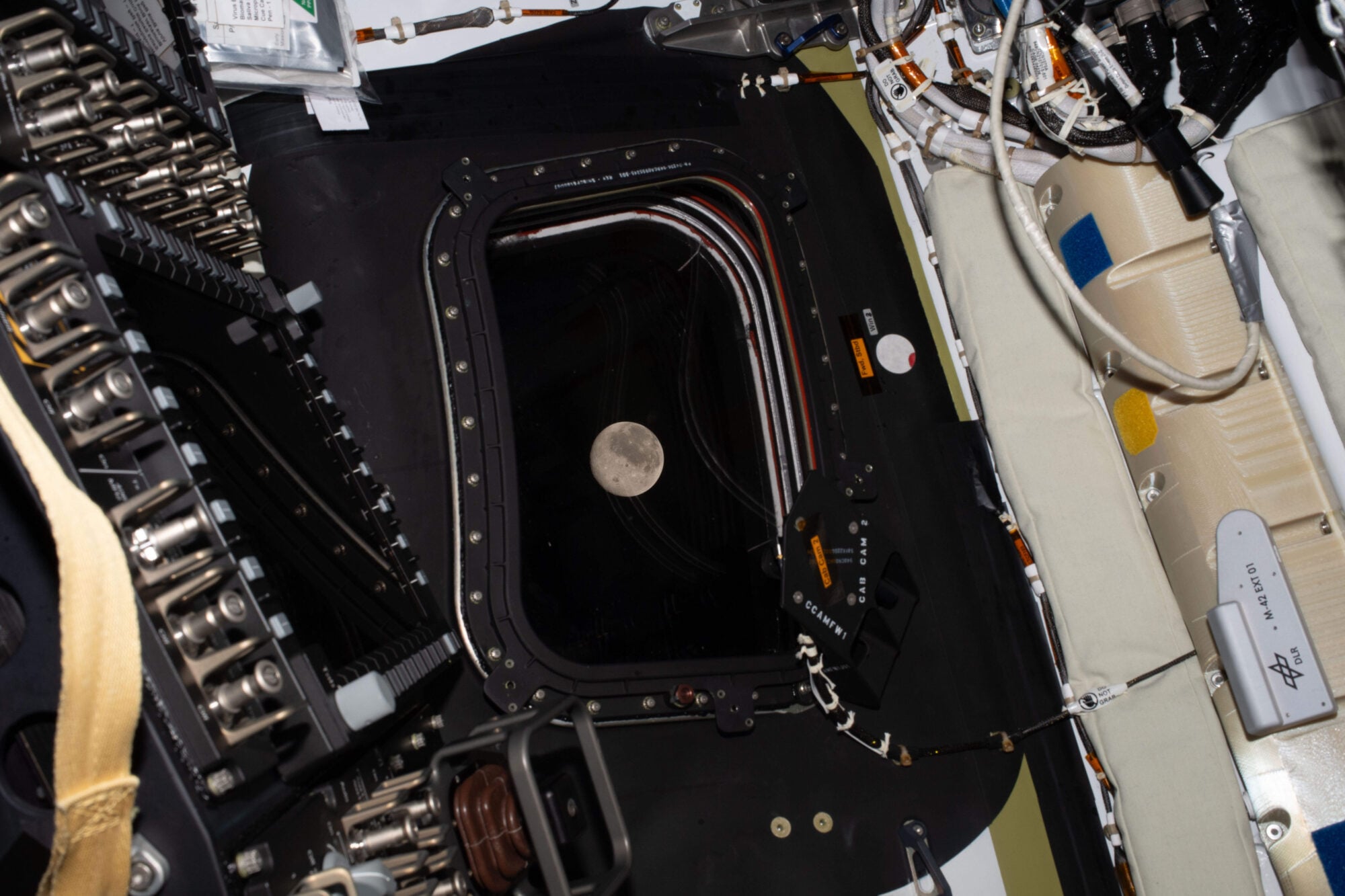
The Artemis II mission is particularly significant for one reason: it directly honors the legacy of the Apollo 13 mission. Apollo 13’s crew faced life-threatening circumstances and a failed mission, yet they still set a record for the farthest distance from Earth. Artemis II is a tribute to that spirit of perseverance and determination, and the astronauts aboard the Orion spacecraft have made sure to reflect on the historical significance of their mission.
The connection between Artemis II and Apollo 13 highlights how far space exploration has come. The technological advancements that have allowed humans to travel farther from Earth, with greater safety and reliability, demonstrate the immense progress made since the Apollo era.
A Key Step Toward Returning Humans to the Moon
The Artemis II mission is not only about breaking records; it is also a critical step in NASA’s plans to return humans to the Moon. In the coming years, NASA plans to send astronauts back to the lunar surface with the Artemis III mission, which will land near the Moon’s south pole. This will be the first time humans land on the Moon since the Apollo program, and the Artemis missions aim to establish a sustainable presence on the Moon in preparation for future missions to Mars.
Artemis II is the first crewed mission in this new era of lunar exploration, paving the way for the more complex missions to come. The data collected during the flyby, including insights into human performance in deep space, will inform the planning of future lunar landings and help ensure that the astronauts who return to the Moon will do so safely.
A Step Toward Mars and Beyond

The Artemis missions are not just about returning to the Moon; they are also a stepping stone for human exploration of Mars. By establishing a sustainable presence on the Moon, NASA aims to learn the necessary skills and technologies for long-duration space missions. The Moon will serve as a testing ground for the technology, life support systems, and habitats needed to sustain human life on Mars, where the challenges will be even greater.
Artemis II is an important part of this larger plan. By testing key technologies and human endurance in deep space, the mission will help NASA prepare for the eventual journey to Mars, which could take place in the 2030s.
The Future of Lunar Exploration

The Artemis program represents the future of lunar exploration, and Artemis II is just the beginning. As NASA moves forward with its plans to return to the Moon, the focus will shift from merely reaching the lunar surface to establishing a permanent presence. This will involve building infrastructure on the Moon, such as lunar bases and rovers, and developing sustainable energy sources that can support long-term exploration.
The success of Artemis II and future missions will lay the foundation for humanity’s next giant leap—the exploration of Mars. With each new milestone, NASA is one step closer to making this dream a reality.
The Legacy of the Artemis Missions

The Artemis missions are destined to leave a lasting legacy in the history of space exploration. By returning humans to the Moon, NASA is continuing the pioneering work started by the Apollo program, but with an eye on the future. The Artemis missions are about more than just exploration; they are about ensuring humanity’s future in space.
The success of Artemis II marks a significant milestone in this journey, and it will be remembered as a pivotal moment in the history of human space exploration. The astronauts aboard the Orion spacecraft have not only broken a record—they have helped secure humanity’s place in the future of space exploration.
Conclusion
Artemis II is a monumental achievement that has broken Apollo 13’s distance record, marking a new era in space exploration. The mission’s success brings us one step closer to returning to the Moon and eventually reaching Mars. As we continue to push the boundaries of space exploration, Artemis II serves as a reminder of the extraordinary progress we have made and the endless possibilities that lie ahead. The Artemis program is not just about reaching new frontiers; it’s about ensuring that humanity’s future in space is secure and sustainable.