
Table of Contents
- Trump’s Administration Would Collapse
- The Collapse Has Already Happened
- A Symbol of Administration Dysfunction
- Internal Chaos and Leadership Struggles
- Carville’s Call for Democratic Strategy: ‘Play Possum’
- Critics of Carville’s Assessment: Polling and Resilience
- The Political Stakes for Democrats
- Carville’s Track Record: Skepticism About Past Predictions
- The Future of the Trump Administration
- What’s Next for the Democratic Party?
- Conclusion
Trump’s Administration Would Collapse
Carville’s prediction about Trump’s second term began shortly after Trump returned to office in January 2025. At the time, Carville pointed to several troubling signs, including Trump’s rapidly declining approval ratings, a high turnover of federal employees, and a series of controversial executive orders. According to Carville, Trump’s approval ratings had dropped from the low 50s to the upper 30s within weeks of his second inauguration.
In an interview with Mediaite, Carville argued that Trump’s administration was showing signs of internal dysfunction, and he predicted that it wouldn’t hold up under scrutiny. “Democrats need to play possum,” Carville advised, suggesting that the administration’s collapse was imminent. At the time, Carville made the bold claim that the administration was on the verge of collapse, though he didn’t expect it to happen quite so quickly.
The Collapse Has Already Happened

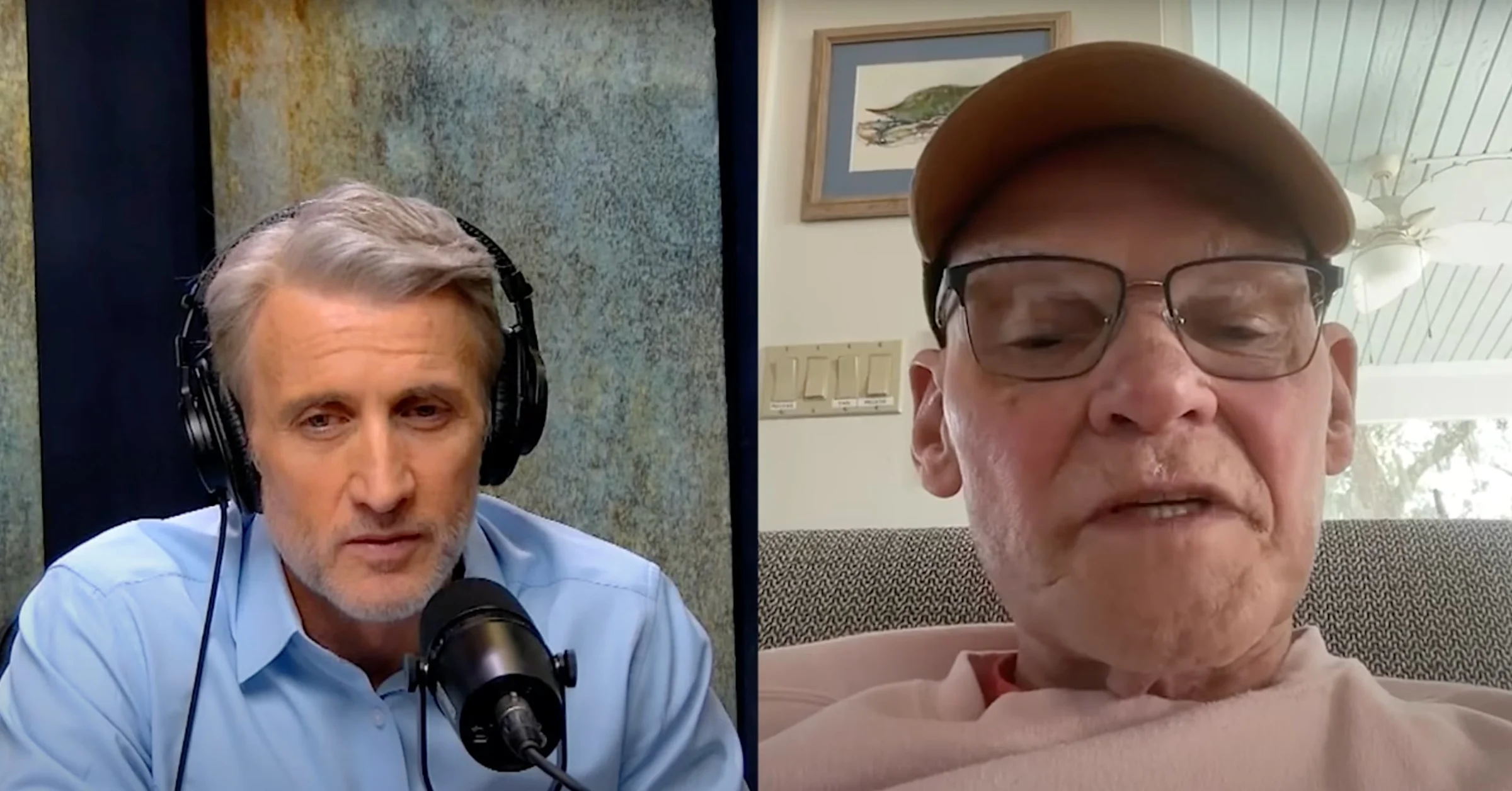
Less than three months into Trump’s second term, Carville now insists that the collapse of the administration has already occurred. In an interview with CNN’s Michael Smerconish, Carville remarked, “I had no idea. I thought I’d have to wait longer for the imminent collapse. It happened even faster than I could imagine.”
Carville’s rapid shift in assessment highlights the growing concerns within the Trump administration. He pointed to a series of events, most notably the “Signal-gate” controversy, as evidence of the administration’s unraveling. Signal-gate involved a leak of sensitive war plans to a journalist via the encrypted messaging app, Signal. Carville and others viewed this as more than just a slip-up; they saw it as a symptom of broader disorganization and a lack of discipline within the White House.
A Symbol of Administration Dysfunction
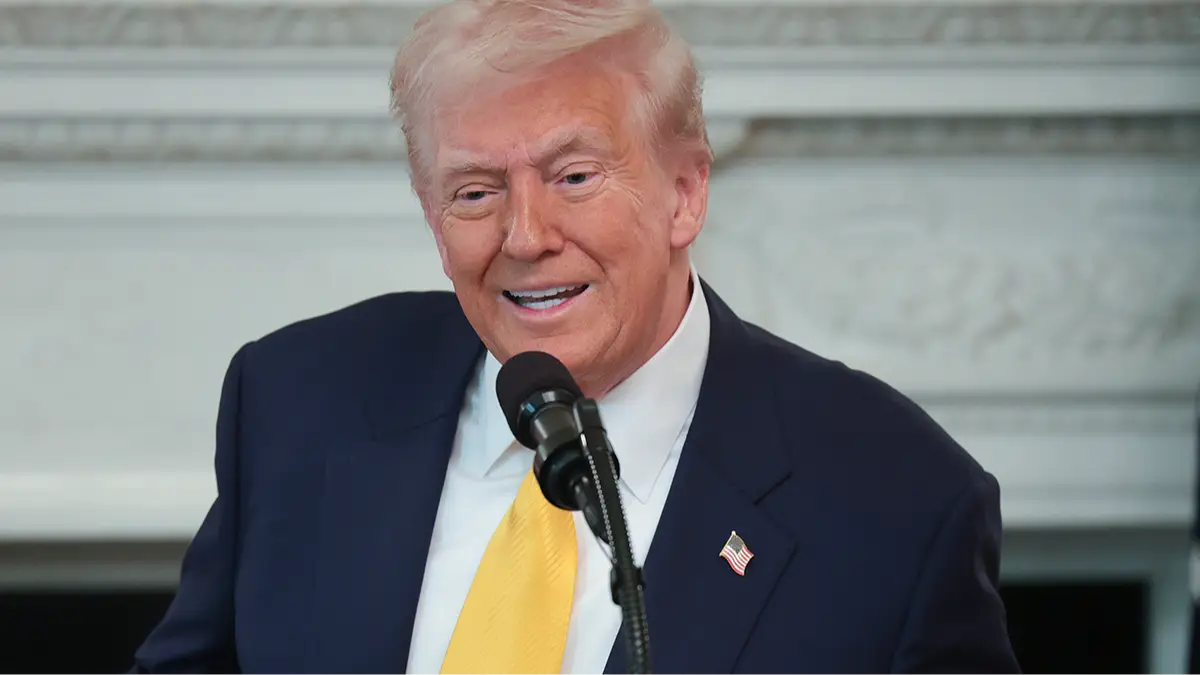
One of the key events Carville points to as evidence of the collapse is the Signal-gate scandal. According to Carville, the incident, which involved the inadvertent leak of military plans via the Signal app, was not just an isolated mistake but a reflection of broader internal dysfunction within the Trump administration.
The leak sparked a major security breach and raised concerns about the administration’s handling of sensitive information. For Carville, this represented the administration’s inability to manage even the most basic aspects of governance. The fallout from Signal-gate, combined with a series of other missteps, led Carville to conclude that Trump’s administration was already in a state of collapse.
Internal Chaos and Leadership Struggles
Beyond the public scandals and controversies, Carville also cites internal chaos and leadership struggles as key indicators of the administration’s collapse. According to Carville, the infighting among top aides and the chaotic decision-making process have further exacerbated the administration’s problems. Carville describes the Trump administration as being run by “nincompoops,” “blockheads,” and “buffoons,” a characterization that speaks to the level of frustration and disarray that Carville believes is pervasive within the administration.
For Carville, the administration’s dysfunction is not just a matter of public opinion or polling. It’s about governance, and in his view, the Trump administration’s inability to function effectively is the root cause of its collapse. “It doesn’t matter what the party rating is, what matters are elections,” Carville argued in a CNN interview. The implication is that, despite any temporary polling boosts, the administration’s internal issues will ultimately hinder its ability to govern.
Carville’s Call for Democratic Strategy: ‘Play Possum’
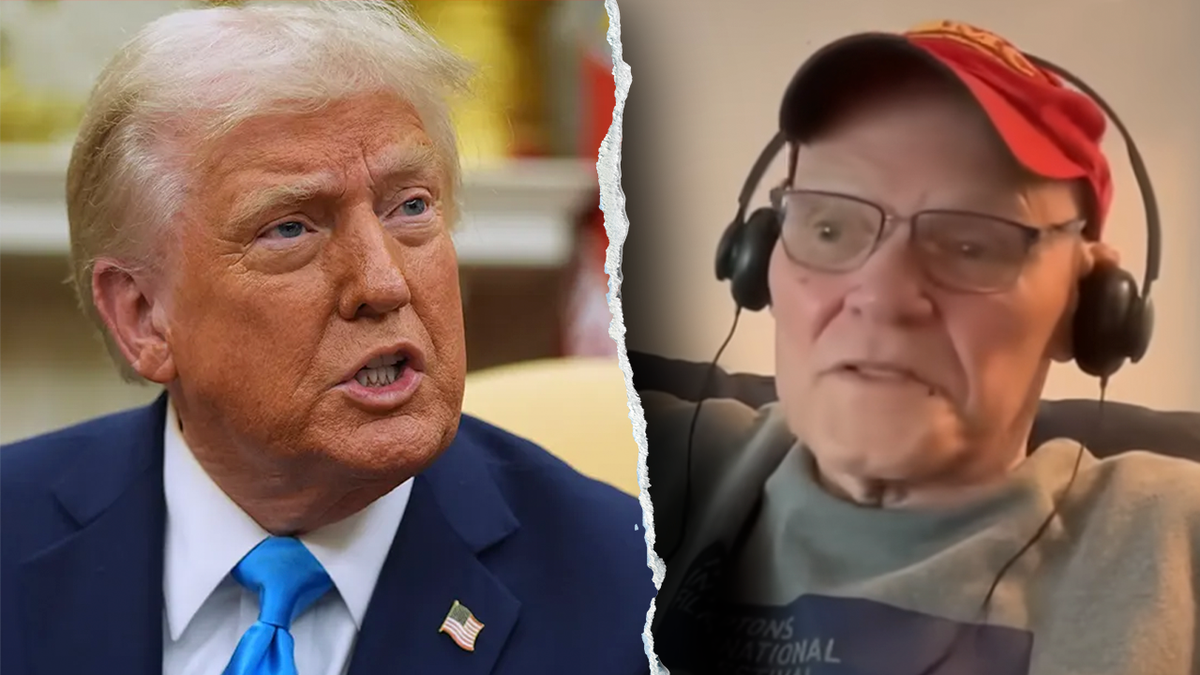
Despite his grim assessment of Trump’s administration, Carville believes that Democrats should be patient and allow the administration to collapse under its own weight. In his original prediction, Carville advised the Democratic Party to “play possum” and refrain from attacking Trump too aggressively. According to Carville, the best strategy for Democrats is to wait for Trump’s administration to implode, knowing that public support for the administration will continue to erode.
In a February op-ed, Carville urged Democrats to focus on their long-term strategy, rather than engaging in direct confrontation with Trump. “Sometimes the most powerful thing we can do is retreat on the immediate battlefield — and advance in another direction,” he wrote. The idea is that Democrats should allow Trump’s problems to grow and unfold on their own, rather than expending energy on attacking an already faltering administration.
Critics of Carville’s Assessment: Polling and Resilience
While Carville’s view is certainly provocative, not everyone agrees with his assessment. Critics argue that Trump’s approval ratings, though not stellar, have shown signs of resilience. A Gallup poll from the first quarter of 2025, for example, showed Trump’s approval at 45%, a slight increase from 42% at the same point in his first term.
Furthermore, a Fox News poll conducted at the 100-day mark of Trump’s second term found that 44% of Americans approved of his job performance. These numbers suggest that, while Trump’s approval may be lower than it was during his first term, he still maintains a significant base of support, particularly among older voters and working-class Americans in the Midwest and South. Critics argue that this support is largely driven by his hardline stance on issues like immigration and border security, which continue to resonate with certain conservative demographics.
The Political Stakes for Democrats

For Carville, the collapse of Trump’s administration presents an opportunity for the Democratic Party to regain momentum and capitalize on the growing disillusionment with the president. However, the party will need to navigate its own internal challenges if it hopes to take advantage of this political opening.
Carville’s analysis suggests that Democrats should focus on key issues like reproductive rights, voting access, and economic inequality while distancing themselves from the internal divisions that have plagued the party in recent years. The 2026 midterm elections may offer the first real test for the Democratic Party, as they work to regain the political ground lost in the previous election cycle.
Carville’s Track Record: Skepticism About Past Predictions
Despite his influence in Democratic circles, Carville’s past predictions have not always proven accurate, which has led some to view his latest declaration with skepticism. For example, in the months leading up to the 2024 election, Carville confidently predicted that Kamala Harris would win the presidency, a statement that turned out to be far from the truth when Donald Trump returned to office instead.
Given this track record, some critics are hesitant to take Carville’s latest prediction too seriously. While Carville’s political insight is often insightful, his bold predictions have sometimes veered into the realm of hyperbole, leading some to question whether this latest declaration will stand the test of time.
The Future of the Trump Administration

While Carville insists that the Trump administration has already collapsed, the future of the administration remains uncertain. If Trump’s approval ratings continue to rebound, and if the administration can stabilize its internal dysfunction, there’s a chance that the collapse Carville predicts will prove premature.
However, if the administration’s chaotic decision-making and internal struggles continue, Carville’s prediction could very well prove accurate. The coming months will be critical in determining whether the Trump administration can regain its footing or if it will continue to unravel.
What’s Next for the Democratic Party?
Carville’s assessment of Trump’s administration presents a critical moment for the Democratic Party. With Trump’s approval in a state of flux, Democrats have the chance to reset their messaging and reassert themselves as the party of stability and progress.
How the party handles the coming months, including the 2026 midterm elections, will be pivotal. If Carville’s prediction proves accurate, the Democratic Party could find itself in a strong position to reclaim power and reshape the political landscape for years to come.
Conclusion
James Carville’s bold prediction that Donald Trump’s second administration has already collapsed has sparked significant debate. While critics remain skeptical, Carville’s analysis raises important questions about the future of the Trump administration and the broader political landscape. As the situation continues to unfold, the coming months will determine whether Carville’s prediction holds true, and whether the Democratic Party can capitalize on the political opening presented by the administration’s dysfunction.