
Table of Contents
- Historic Artemis II Lunar Flyby Makes Space Exploration History
- A New Milestone Beyond Apollo 8’s Legacy
- A Solar Eclipse Seen From the Far Side of the Moon
- Victor Glover’s Poetic Reaction to the Solar Eclipse
- The Crew of Artemis II Honors Apollo 8’s Legacy
- Naming a Crater on the Moon in Memory of Reid Wiseman’s Wife
- A Day of Reflection and Human Connection for the Artemis II Crew
- The Surreal Experience of Seeing Earth From 4,000 Miles Above the Moon
- Recreating Apollo 8’s Iconic “Earthrise” From a New Perspective
- A New Chapter in Human Space Exploration
- Conclusion:
Historic Artemis II Lunar Flyby Makes Space Exploration History
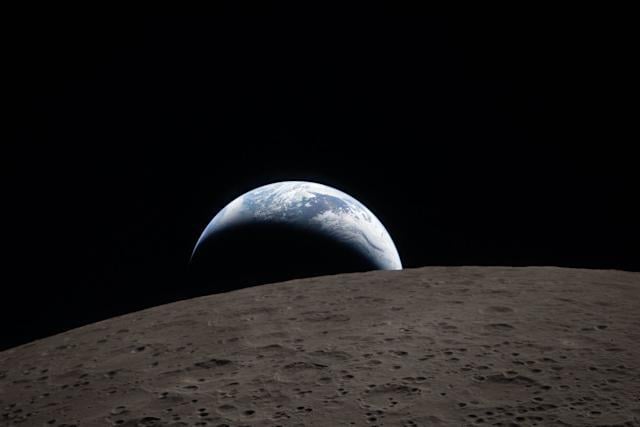
When Artemis II’s crew embarked on their historic lunar flyby, they not only broke space exploration records but also captured moments that would make history books. The mission reached a significant milestone, surpassing Apollo 13’s 1970 distance by over 4,000 miles. But the biggest surprise was yet to come. The crew took a remarkable photograph that would replicate one of the most iconic images in human history: Earthrise—but with a twist. Instead of rising, Earth appeared to set beyond the moon’s surface in a breathtaking shot dubbed Earthset. This achievement was not just a technical breakthrough but a symbolic continuation of humanity’s journey into space.
A New Milestone Beyond Apollo 8’s Legacy
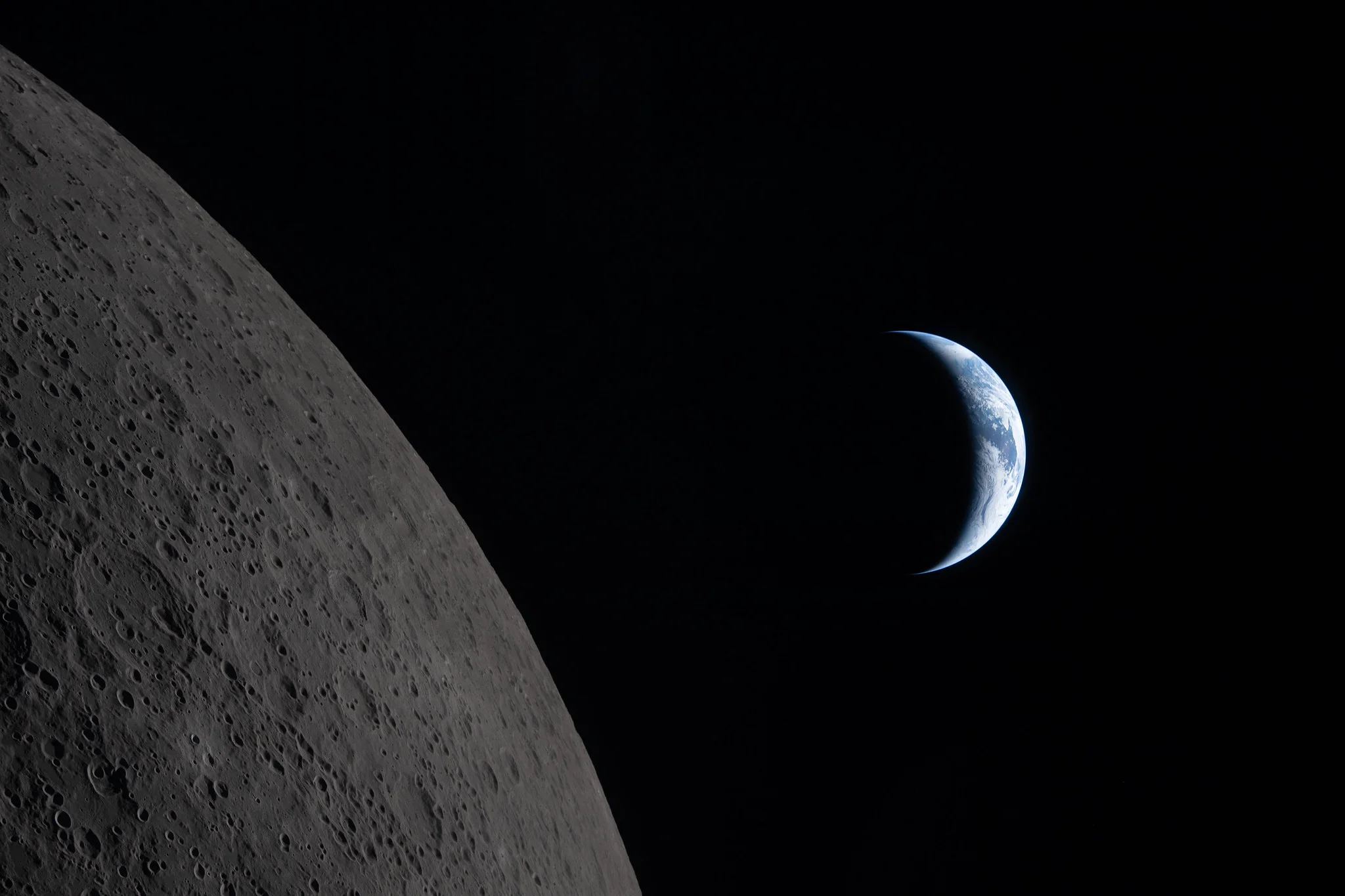
Apollo 8’s 1968 Earthrise image changed the course of human history, sparking the global environmental movement and forever altering humanity’s view of Earth. Now, Artemis II has captured its own historic photo, one-upping the previous milestone. While Apollo 8 flew at a modest 60 miles above the moon’s surface, Artemis II ventured an astounding 4,000 miles farther, creating an unparalleled vantage point. The crew’s Earthset image captures the serene beauty of Earth setting over the moon’s surface—a poignant moment as they ventured farther than any human before. This photograph ties humanity’s past to its future, intertwining the legacy of Apollo with the new frontiers Artemis aims to explore.
A Solar Eclipse Seen From the Far Side of the Moon
The Artemis II crew’s space odyssey didn’t stop at Earthset. Shortly after capturing the breathtaking image, the astronauts were treated to another celestial phenomenon: a solar eclipse seen from the far side of the moon. As Artemis II journeyed through the shadowed part of its flight path, the moon blocked out the sun, revealing the sun’s ethereal corona in a way never before seen by human eyes. To witness a solar eclipse from this vantage point is an extraordinary feat—one that has never been captured by human eyes. The crew, equipped with special eclipse glasses, was awestruck as the shadow of the moon perfectly aligned with the solar corona, creating a sight so surreal it felt like something straight out of a science fiction movie.
Victor Glover’s Poetic Reaction to the Solar Eclipse
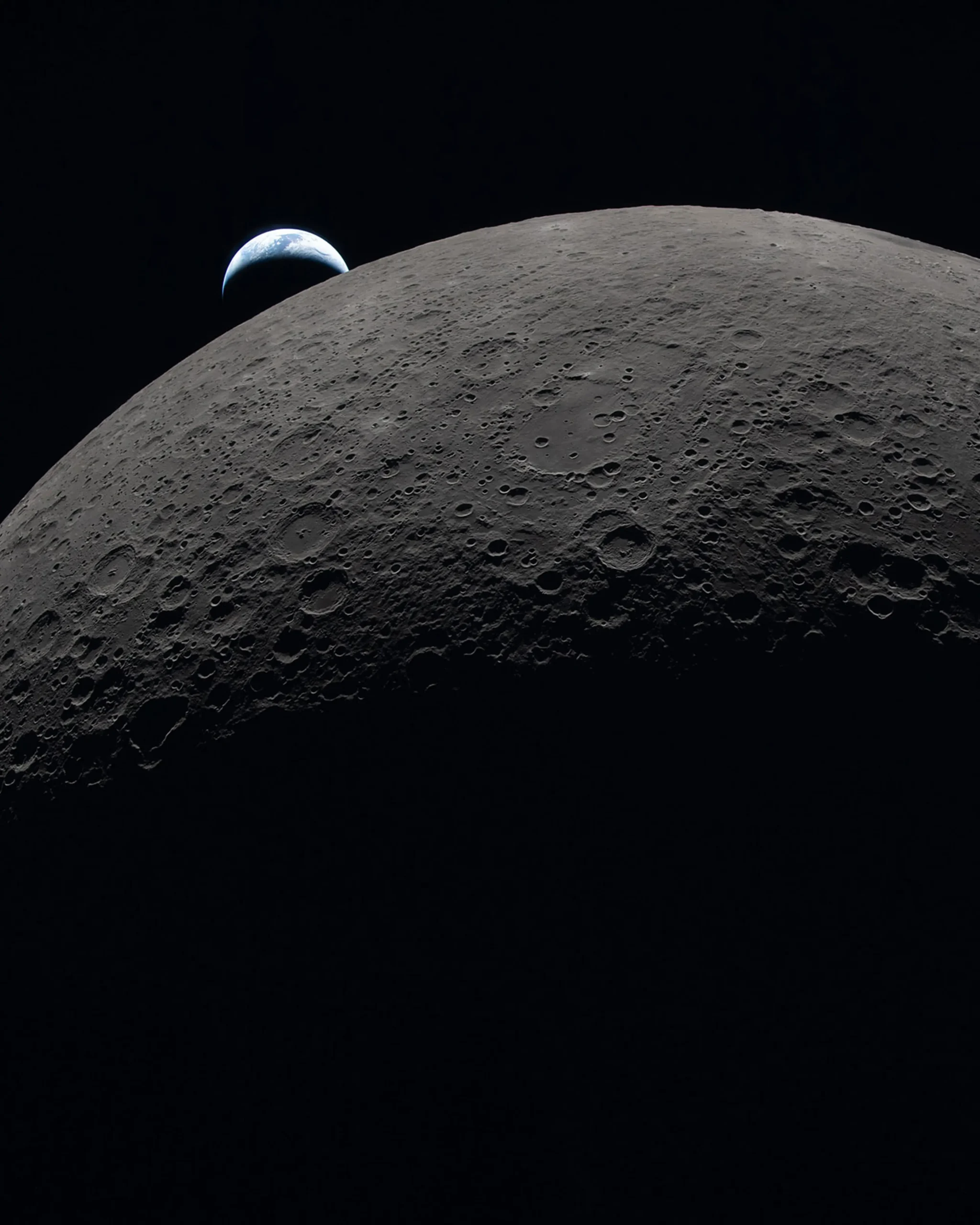
As the eclipse unfolded, Artemis II pilot Victor Glover shared his awe and wonder, describing the event with a sense of poetic reverence. “The gray blends into the blackness,” Glover remarked, noting the surreal contrast between the moon’s surface and the cosmos surrounding it. Even as the sun disappeared, Earth’s distant light illuminated the lunar surface, revealing craters and features barely visible in the darkness. “It’s the strangest looking thing,” Glover continued, marvelling at the scene. “Humans probably have not evolved to see what we’re seeing. It is truly hard to describe. It is amazing.” His words captured the profound impact of witnessing such a rare event—one that further exemplified the unparalleled nature of the Artemis II mission.
The Crew of Artemis II Honors Apollo 8’s Legacy
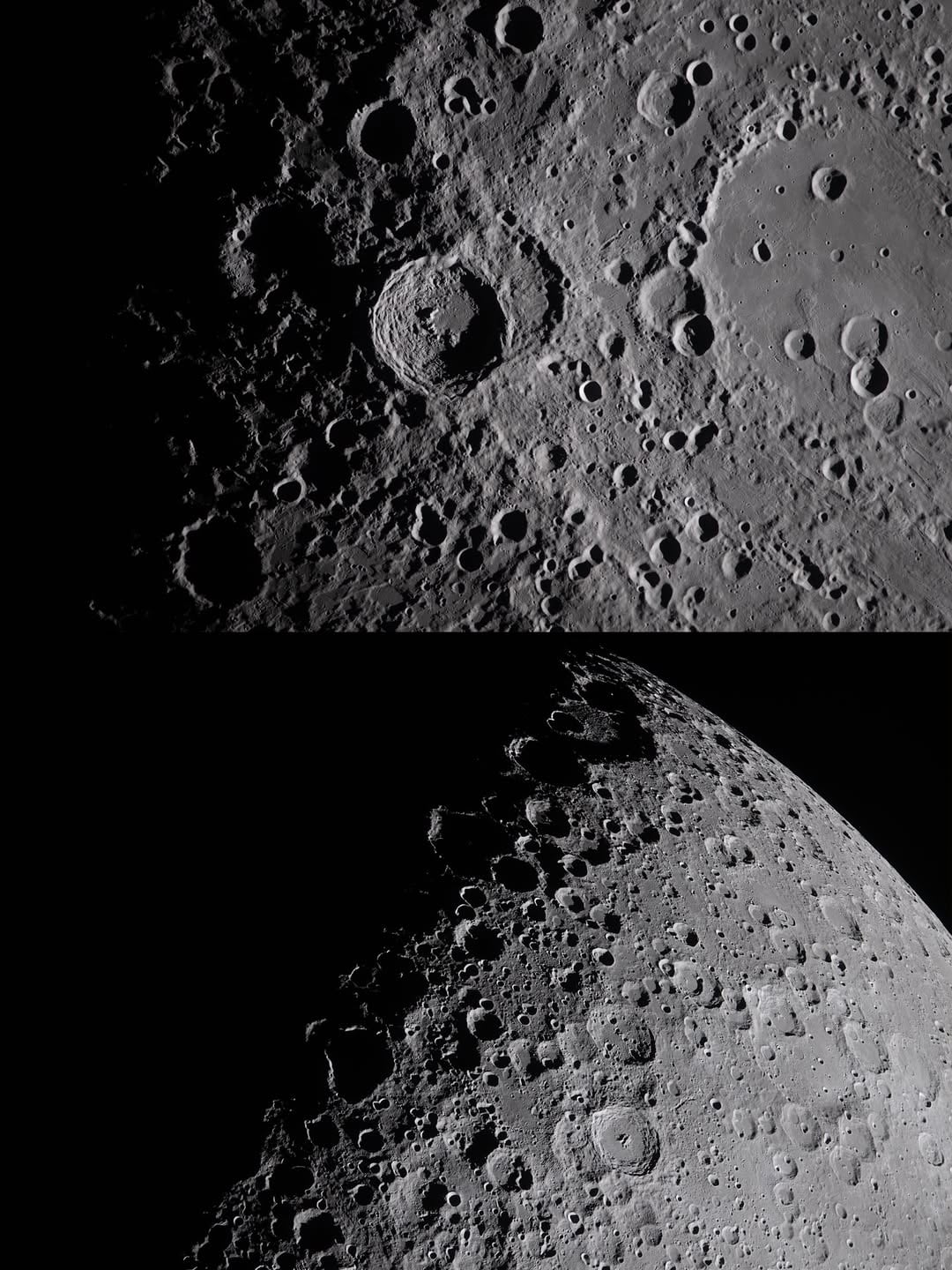
Throughout Artemis II’s mission, the crew remained mindful of the pioneers who came before them. Early on the sixth day of the mission, they received a heartfelt message from Jim Lovell, the commander of Apollo 13 and one of the astronauts on Apollo 8, who passed away in August 2025. Lovell’s message resonated deeply with the crew as they ventured into the same lunar region where Apollo 8 had first shown humanity the Earth from space. Lovell’s message to the Artemis II team was simple yet profound: “Welcome to my old neighborhood!” These words served as a reminder of the significance of their mission and the continuation of the legacy that began with Apollo 8.
Naming a Crater on the Moon in Memory of Reid Wiseman’s Wife
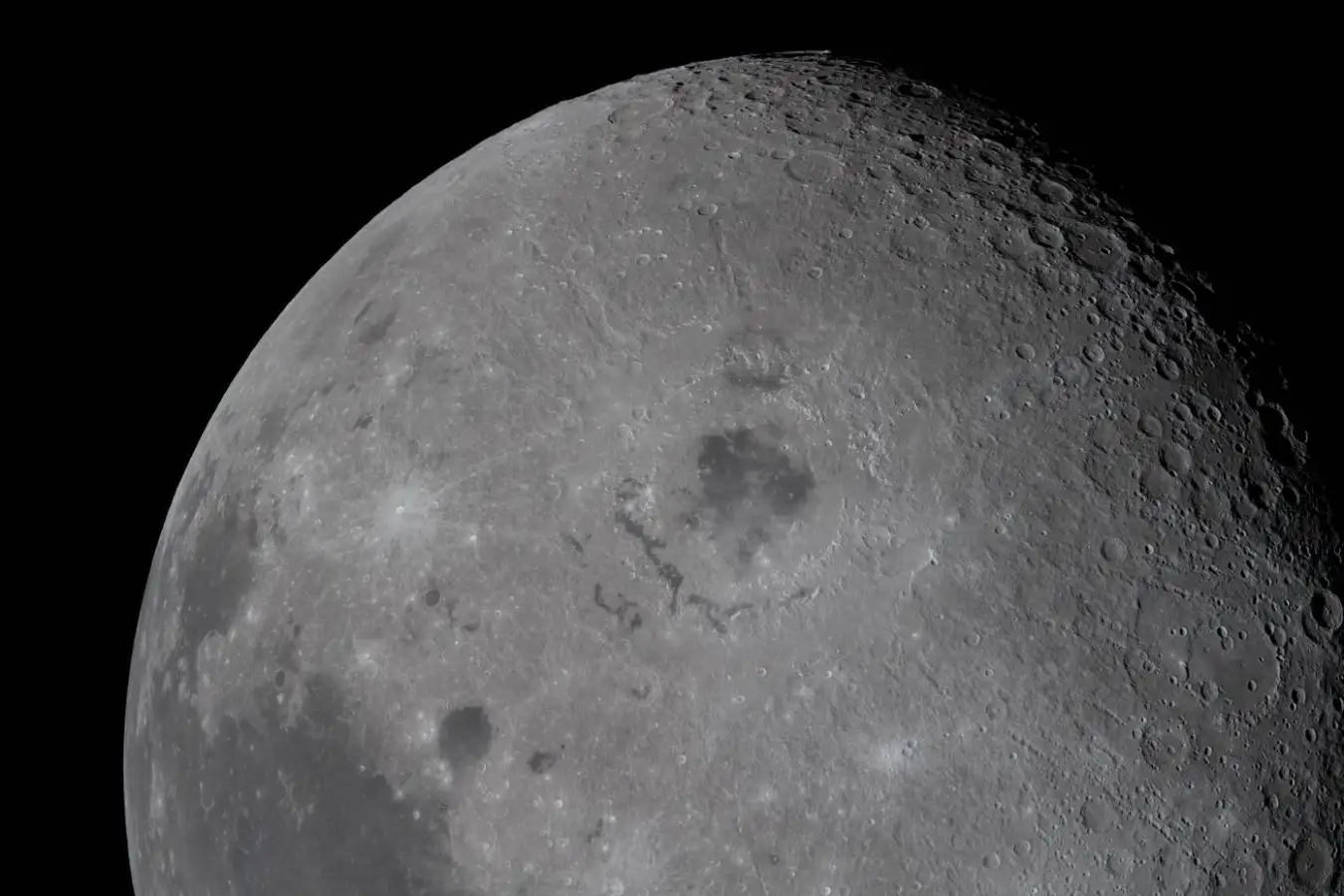
As Artemis II flew past the moon’s far side, the crew shared a deeply personal moment. Canadian astronaut Jeremy Hansen, moved by the significance of their journey, proposed that a new crater near the moon’s boundary be named in honor of Commander Reid Wiseman’s late wife, Carroll Wiseman, who had passed away in 2020. “It’s a bright spot on the moon,” Hansen said. The crew then embraced, a moment of unity and tribute to their fallen comrade’s beloved. This gesture symbolizes not just the scientific achievements of the mission, but also the emotional bonds that tie astronauts together as they journey through the vast unknown.
A Day of Reflection and Human Connection for the Artemis II Crew
The emotional depth of Artemis II’s mission was not limited to breathtaking visuals. It was also a day of reflection, as the crew pondered the significance of their voyage and the connections they had with those who had embarked on similar journeys. The mission wasn’t only about achieving technical milestones or breaking records—it was about forging a deeper understanding of humanity’s place in the universe. For the crew, the experience was personal and emotional, as they honored the past while pushing the boundaries of what’s possible. Their actions on the far side of the moon resonated not only in scientific communities but also among people across the globe, who felt the weight of their journey.
The Surreal Experience of Seeing Earth From 4,000 Miles Above the Moon

Artemis II’s crew was in uncharted territory, experiencing a view of Earth that no human had ever witnessed before. With their spacecraft soaring 4,000 miles above the moon’s surface, the crew had an unparalleled vantage point of the planet below. This remarkable sight not only showcased the vastness of space but also underscored humanity’s interconnectedness. In a moment that echoed the sentiments of Apollo 8, the astronauts marveled at the beauty of their home planet, seeing it in a new light. The image of Earth from this distance was not just a scientific achievement but also a visual representation of the fragile beauty of our world, seen from the edge of space.
Recreating Apollo 8’s Iconic “Earthrise” From a New Perspective
The Artemis II crew’s stunning Earthset photograph wasn’t just an accident of angle—it was a conscious tribute to the iconic Earthrise shot taken by Apollo 8. As part of their mission, the Artemis II team aimed to recreate this historical image but from a unique vantage point. While the Apollo 8 crew captured Earth rising from just 60 miles above the moon’s surface, Artemis II ventured much farther—allowing the team to capture Earthsetting beyond the moon’s surface, a breathtaking moment never seen before. This creative homage to Apollo 8 serves as a reminder of how space exploration is a continuous story, with each new mission building on the successes of the past.
A New Chapter in Human Space Exploration
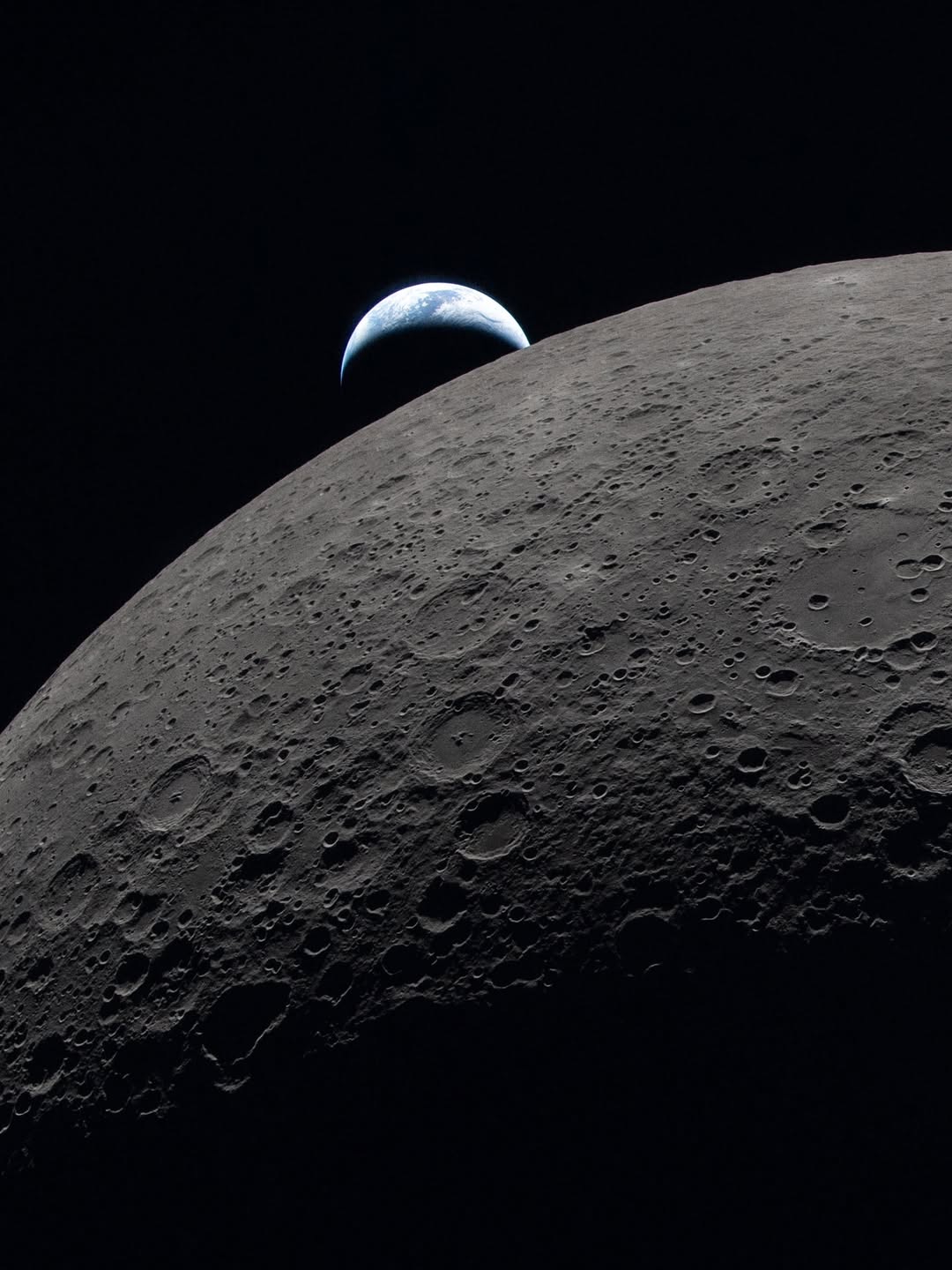
Artemis II has solidified its place in the history of space exploration, not just for its technical achievements but for the profound moments that have resonated with people around the world. By honoring the legacy of Apollo 8, capturing Earthset, and witnessing a solar eclipse from the far side of the moon, the mission has helped to rekindle humanity’s passion for space. These historic events are more than just milestones—they are reminders of the unyielding spirit of exploration that propels humanity to reach beyond the stars. With Artemis II, the next chapter in human space exploration has begun, offering a glimpse of what lies ahead as we continue to journey further into the unknown.
Conclusion:
The Artemis II mission marks an extraordinary moment in the history of space exploration. The crew’s awe-inspiring Earthset photograph and the rare solar eclipse from the far side of the moon demonstrate the breathtaking beauty and vastness of our universe. These moments continue the legacy of the Apollo missions while setting new records and pushing the boundaries of what we thought possible. As humanity looks to the future, Artemis II’s achievements serve as a reminder of the power of exploration and the connections that unite us all.