
Table of Contents
- Artemis II Breaks New Ground with Historic Space Station Call
- A Space Reunion Beyond Earth
- A Moment of Joy and Reflection
- Earth From 230,000 Miles Away
- Pushing the Boundaries of Exploration
- Cosmic Debris and the Unexpected Spectacle of Meteor Showers
- Viewing the Solar Eclipse from Space
- Artemis II and the Road Ahead
- Challenges and Triumphs: The Toilet Troubles of Artemis II
- Artemis II’s Nearing Splashdown
- Conclusion
Artemis II Breaks New Ground with Historic Space Station Call
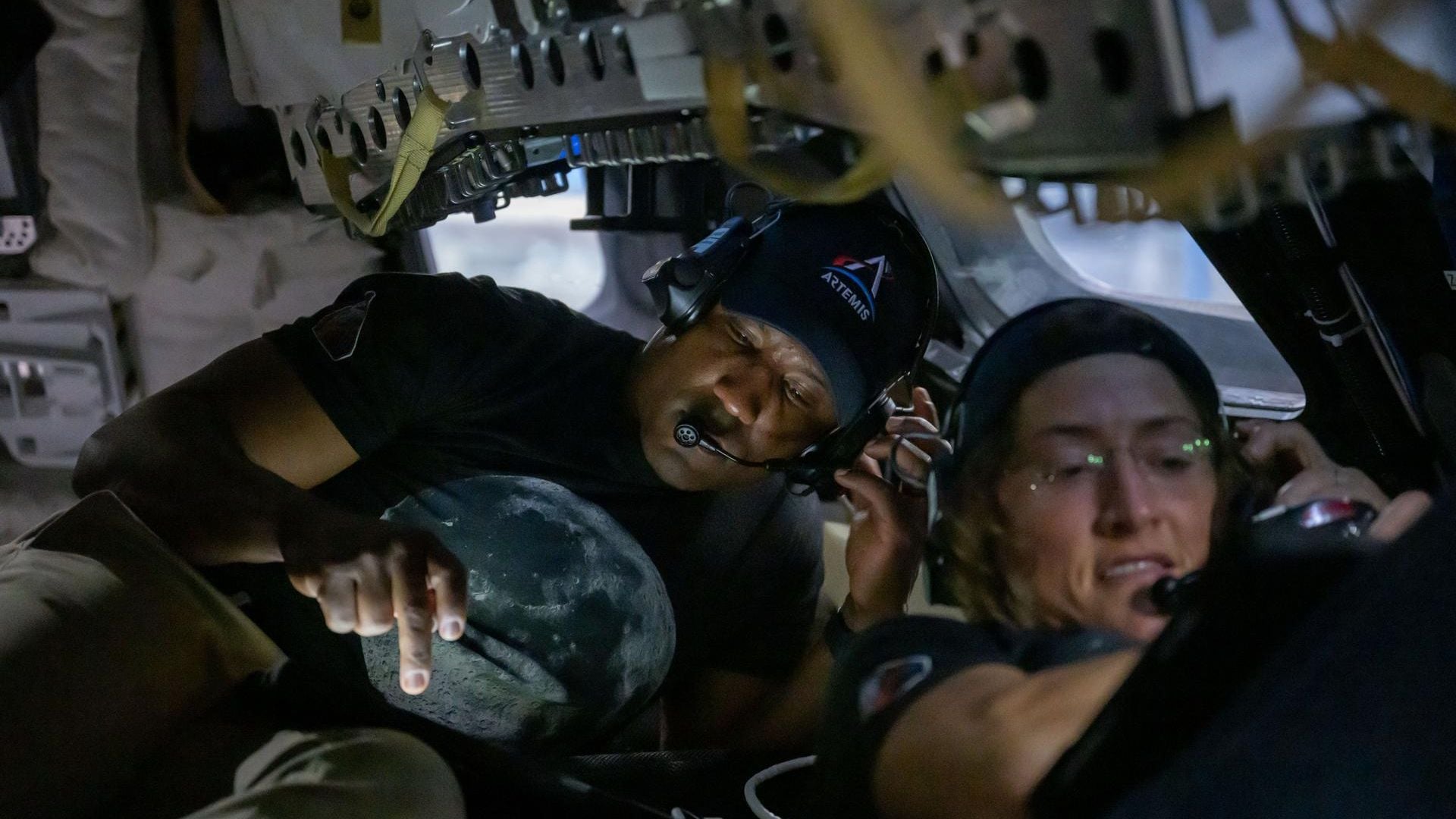
In a moment that marked another historic first for the Artemis II mission, astronauts aboard the spacecraft made a long-distance radio call to their colleagues on the International Space Station (ISS). This marked the first-ever link between a spacecraft returning from the moon and astronauts aboard the orbiting ISS. For the Artemis II crew, it was a moment of connection, as the astronauts shared a joyous reunion with their space station counterparts, despite being 230,000 miles apart. This communication is a significant leap for space exploration, as previous moon missions, such as those conducted by Apollo, had no contact with off-planet colleagues.
A Space Reunion Beyond Earth
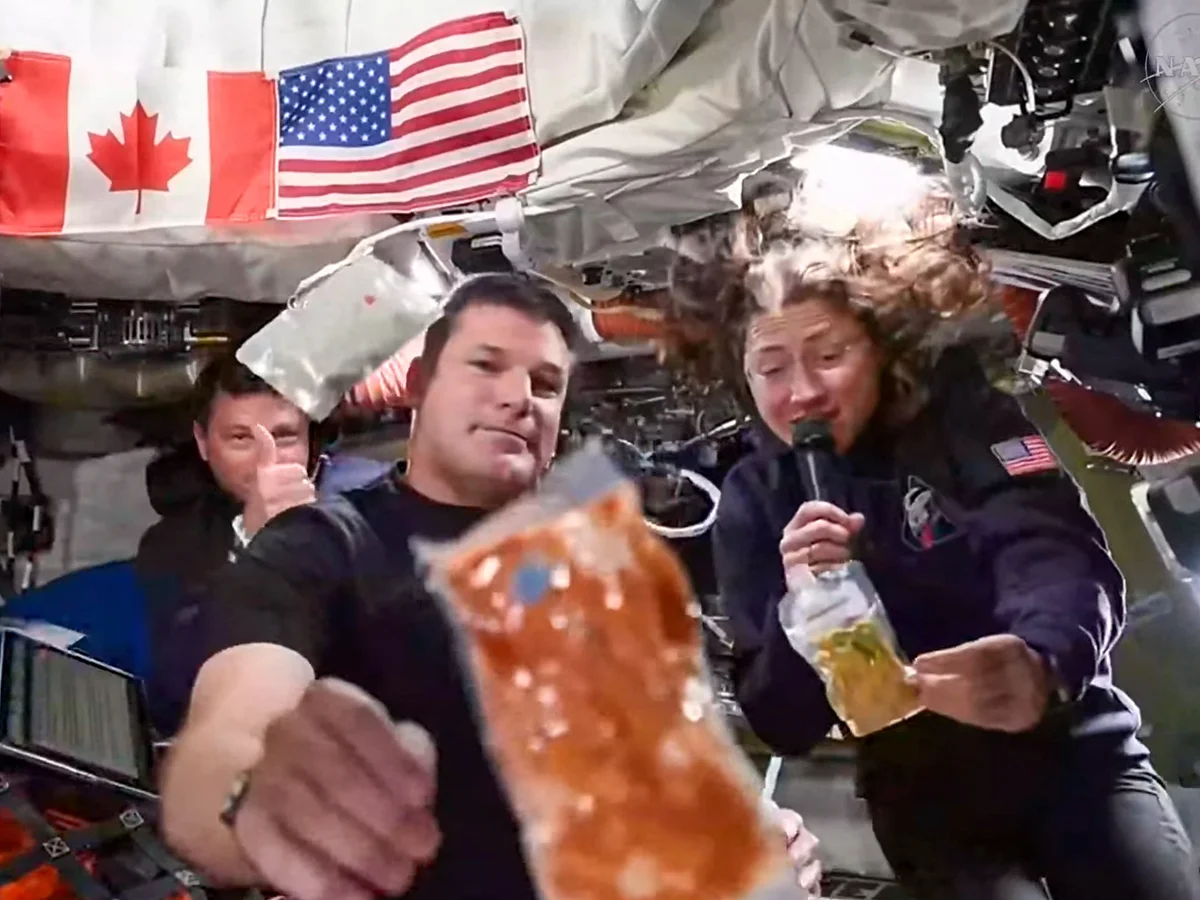
The astronauts aboard Artemis II were no strangers to the thrill of space. Commander Reid Wiseman, who called out to the ISS, captured the moment’s emotional significance with a simple yet heartfelt message: “We have been waiting for this like you can’t imagine.” For Christina Koch, an astronaut on Artemis II, and Jessica Meir, currently stationed on the ISS, this was more than just a technical achievement—it was a long-awaited reunion. Both Koch and Meir had teamed up in 2019 for the world’s first all-female spacewalk, and now, years later, they found themselves reconnecting in the vastness of space, despite the 230,000 miles between them.
A Moment of Joy and Reflection
This historic call between Artemis II and the ISS wasn’t just about technological breakthroughs; it was also a chance for personal connections to shine through. Koch and Meir shared a heartfelt conversation about their experiences in space, with Meir noting, “I’m so happy that we are back in space together, even if we are a few miles apart.” As they spoke about their shared experiences, the profound significance of the call was clear. For the astronauts on both sides, it was a reminder of the close-knit bonds forged in space, no matter the physical distance that separated them.
Earth From 230,000 Miles Away
One of the most powerful aspects of this moment was the shared experience of looking at Earth from space. Koch expressed awe at seeing the planet from such a great distance. “The specialness and preciousness of that really is emphasized,” she said, reflecting on how Earth appeared against the vast blackness of space. The Earth, often perceived as small and distant, took on new meaning as Koch and her fellow astronauts looked out at it from the moon’s orbit. This perspective shift highlighted the interconnectedness of all life on Earth and underscored the need to protect the planet for future generations.
Pushing the Boundaries of Exploration
While the personal connection between astronauts was an emotional highpoint, the scientific achievements of Artemis II were equally impressive. As the astronauts beamed back over 50 gigabytes of data and images from their lunar flyby, they surpassed humanity’s previous distance record. The crew’s photo of Earthset—a modern twist on the iconic Earthrise shot from Apollo 8—captured the beauty of our planet in a new light. This milestone reinforces the scientific value of the Artemis program and sets the stage for future exploration missions that will push the boundaries of space travel even further.
Cosmic Debris and the Unexpected Spectacle of Meteor Showers
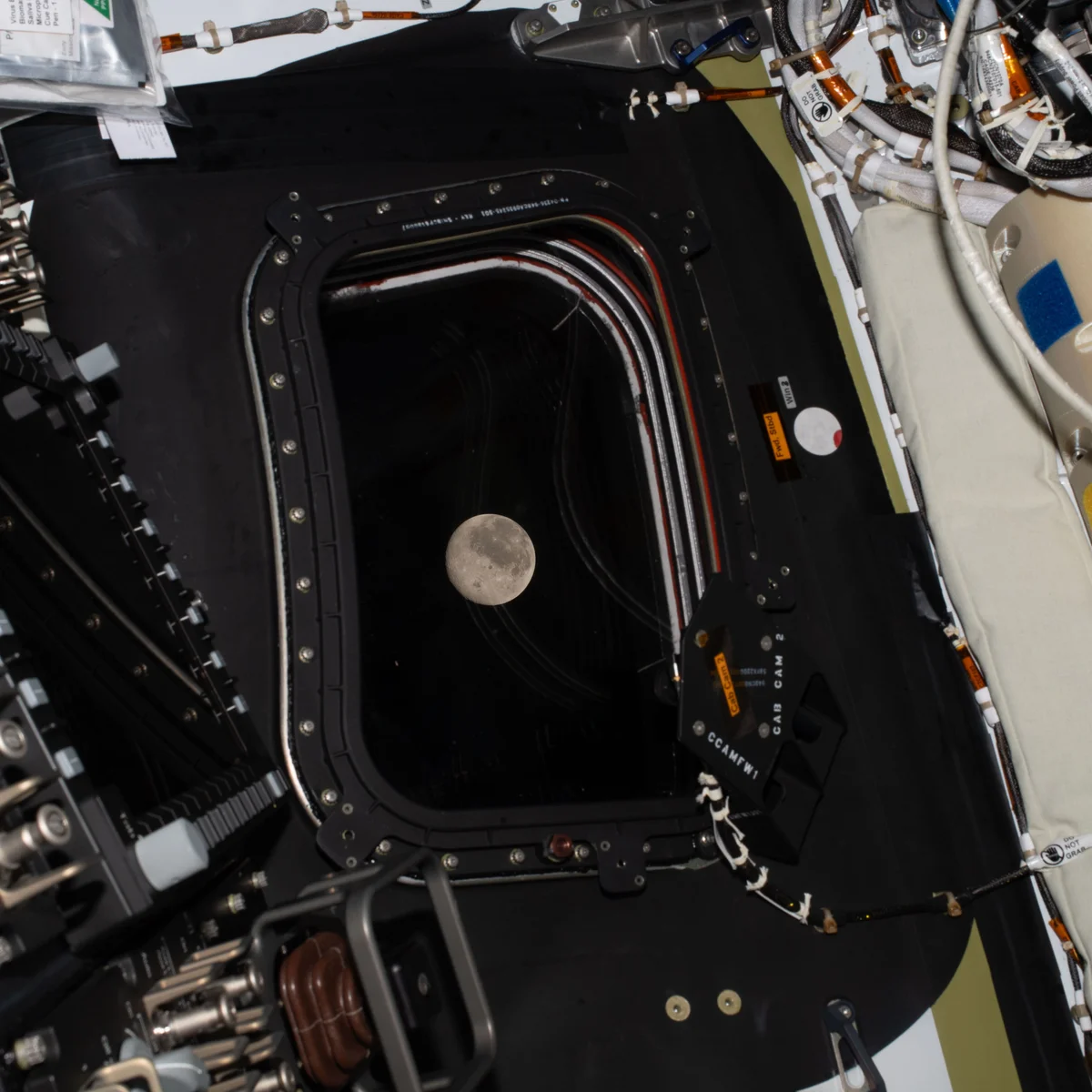
As the Artemis II crew took in the beauty of the lunar surface, they witnessed an unexpected cosmic phenomenon. The astronauts observed brief flashes of light on the lunar surface, created by cosmic debris striking the moon. These pinpricks of light, which lasted only milliseconds, coincided with a total solar eclipse that occurred just hours before. Though it was too early to confirm whether the crew had witnessed a full meteor shower, the discovery added another layer of intrigue to their already historic journey. The flashes of light were a reminder of the unpredictable nature of space, offering a moment of serendipity amidst the crew’s otherwise meticulously planned mission.
Viewing the Solar Eclipse from Space
In a once-in-a-lifetime event, the Artemis II crew was able to witness a solar eclipse from the far side of the moon. As the crew passed into the shadow of the moon, they were treated to a surreal view of the sun being blocked by the moon, revealing the solar corona—the sun’s outer atmosphere. This celestial spectacle had never been seen by human eyes before, marking a new milestone in space exploration. The crew’s reaction was a mix of awe and scientific curiosity, with Pilot Victor Glover describing the event as “sci-fi.” This moment not only added to the crew’s scientific data but also showcased the sheer wonder of space exploration.
Artemis II and the Road Ahead
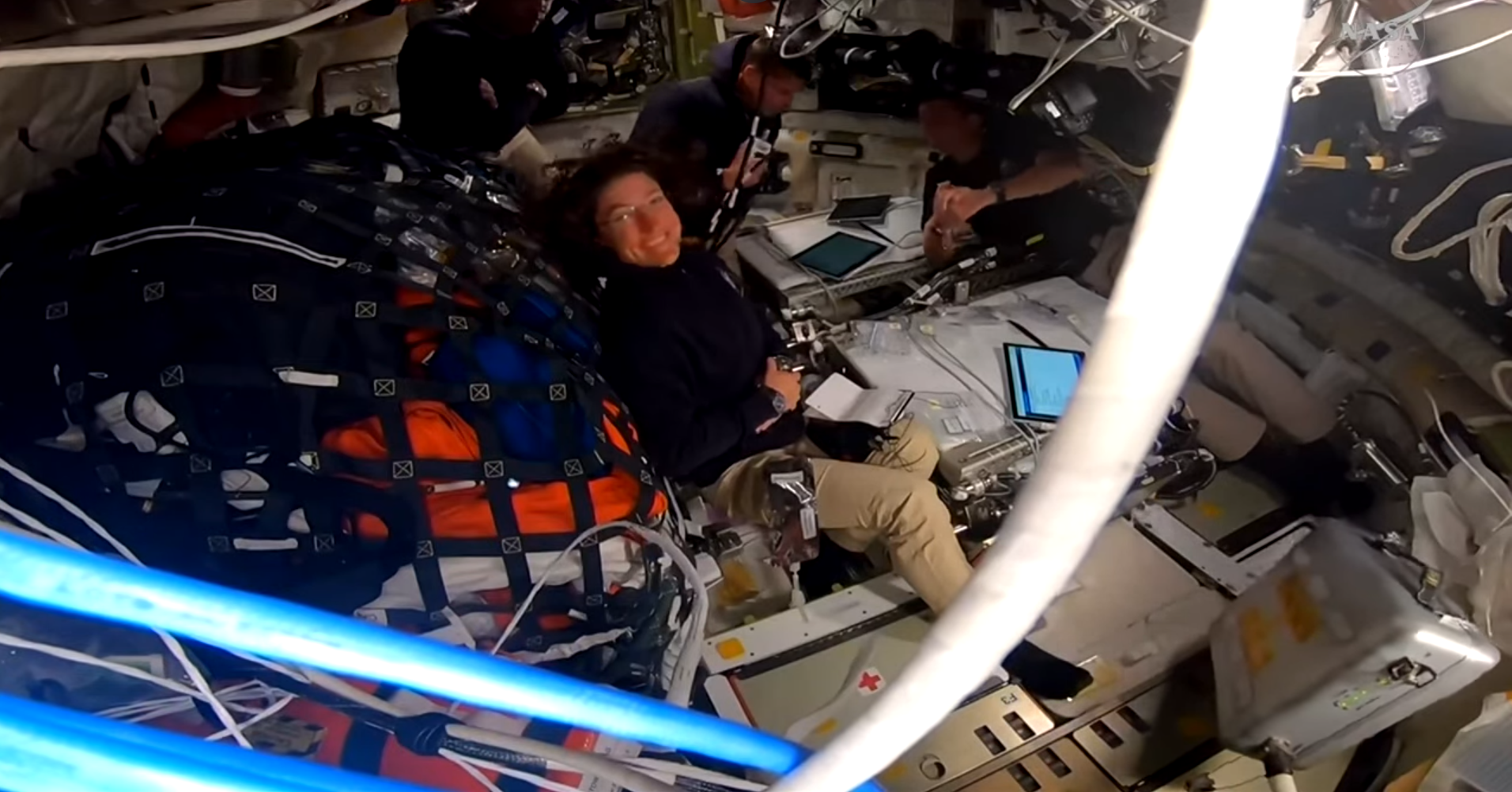
The Artemis II mission is not just a milestone in its own right; it’s also a precursor to future space exploration missions. As the crew prepares for their return to Earth, the stage is set for upcoming missions, such as Artemis III and Artemis IV, which will take astronauts to the lunar surface. These missions will push further into the unknown, testing new technologies and techniques for sustained human presence in space. Artemis II’s achievements—scientific, emotional, and technical—are only the beginning of what will likely become one of the most exciting chapters in space exploration history.
Challenges and Triumphs: The Toilet Troubles of Artemis II
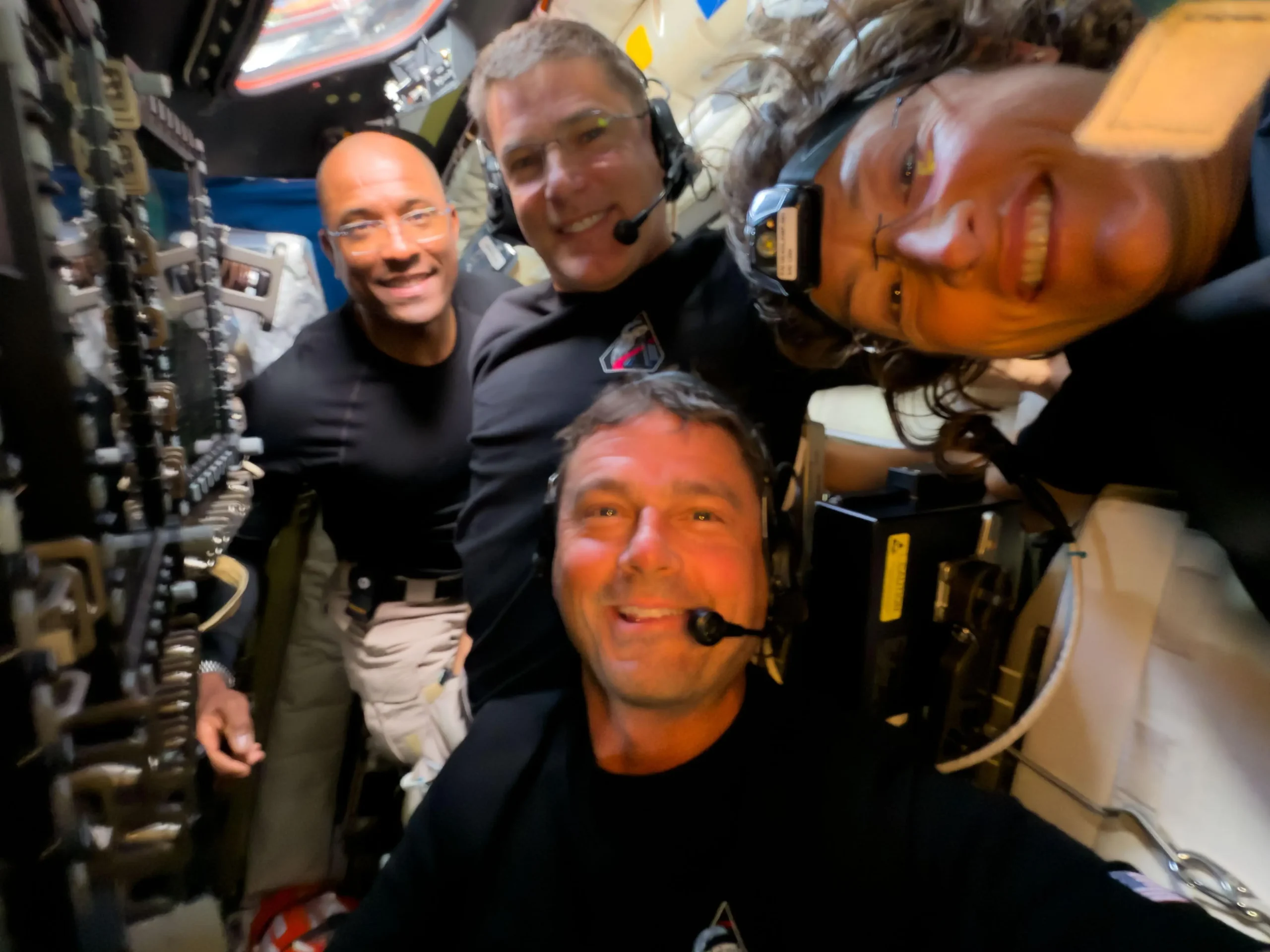
While the historic achievements of Artemis II took center stage, the mission wasn’t without its minor setbacks. One such issue was the malfunctioning toilet onboard the Orion capsule. Although the astronauts managed to get by with a backup bag-and-funnel system, the toilet issue highlighted the complexities of space travel. Mission Control confirmed that the astronauts didn’t need to make any emergency repairs, but the malfunction remained a point of concern. NASA Administrator Jared Isaacman humorously remarked that the plumbing issues would be addressed before the next Artemis mission, offering a lighthearted moment in an otherwise triumphant mission.
Artemis II’s Nearing Splashdown
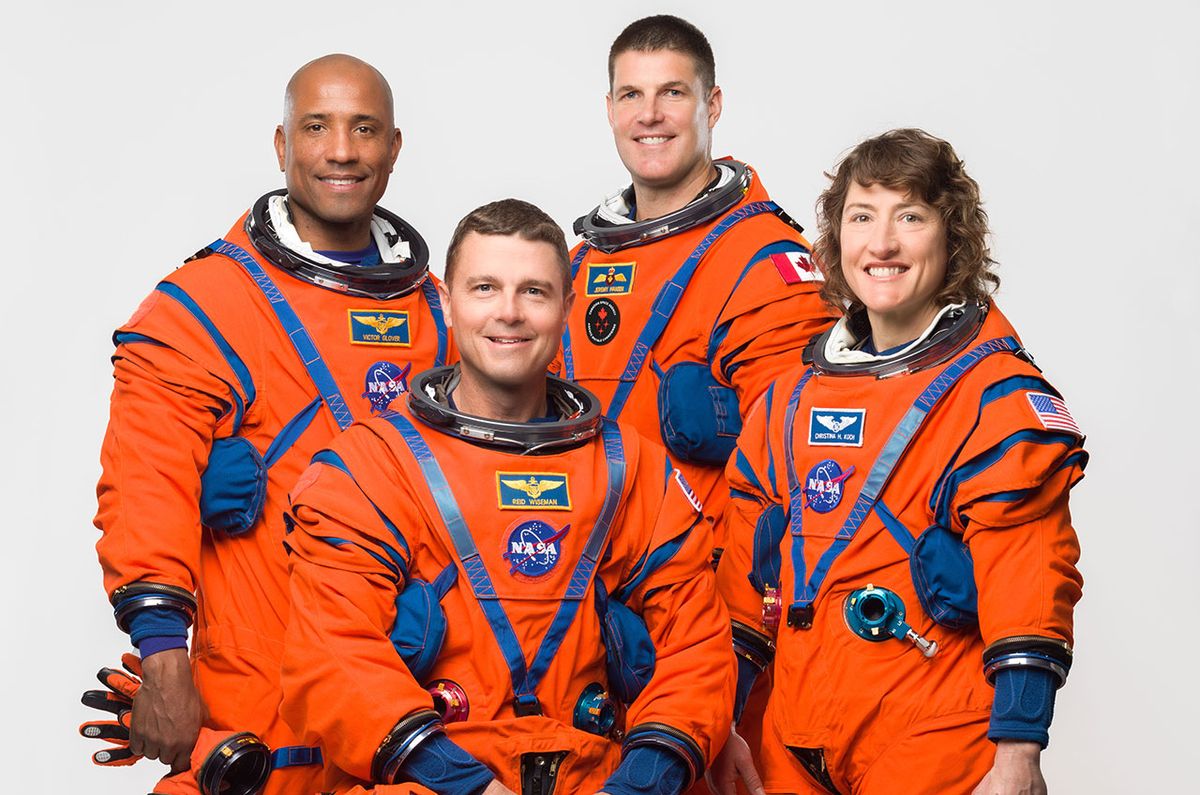
As the Artemis II mission draws to a close, the crew is now focused on their return to Earth. With the final splashdown scheduled for Friday off the coast of San Diego, the astronauts are preparing to complete their nearly 10-day journey. The crew has already set numerous records and broken new ground in space exploration, and now they are one step closer to reuniting with their families and loved ones. The recovery ship, USS John P. Murtha, is already on its way to the target zone, and the world is waiting to see how this historic mission will conclude.
Conclusion
Artemis II has proven itself to be a landmark mission in the history of space exploration. The crew’s historic moonship-to-space station radio call, their awe-inspiring photographs, and the scientific data they’ve transmitted back to Earth have set the stage for future space missions. As humanity continues to push the boundaries of exploration, Artemis II’s accomplishments serve as a testament to what is possible when we dare to look beyond our planet.