
Table of Contents
- The Blockade of the Strait of Hormuz
- The Global Impact on Developed and Developing Nations
- A Temporary Solution
- The Environmental and Geopolitical Stakes
- The Role of the U.S. and Israel in the Crisis
- The Strain on Global Energy Markets
- A Turning Point for the Future of Energy
- The Future of Global Oil and Gas Supply
- A Global Wake-Up Call
The Blockade of the Strait of Hormuz
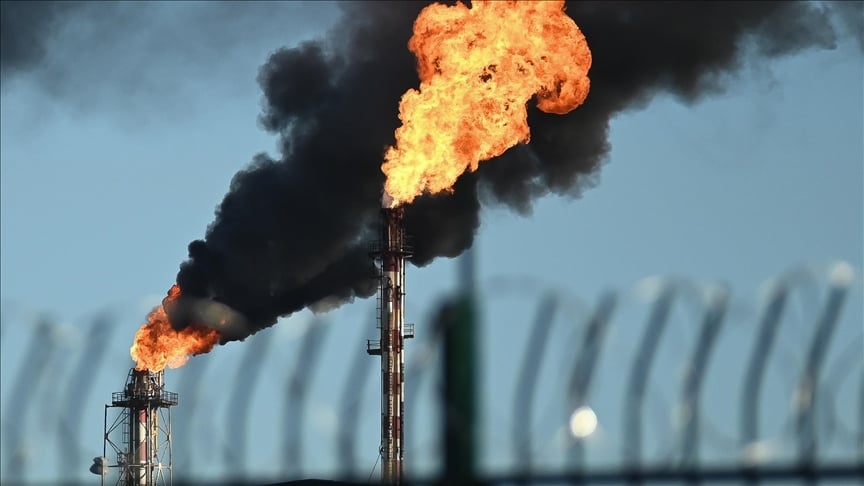
The Strait of Hormuz, located between the Persian Gulf and the Gulf of Oman, has long been a vital artery for global energy trade, especially for oil and natural gas. This critical waterway sees the passage of millions of barrels of oil every day, fueling economies around the globe. However, following escalating tensions between the U.S., Israel, and Iran, the Iranian government took drastic action, nearly shutting down the Strait, thereby crippling the flow of energy exports from the region.
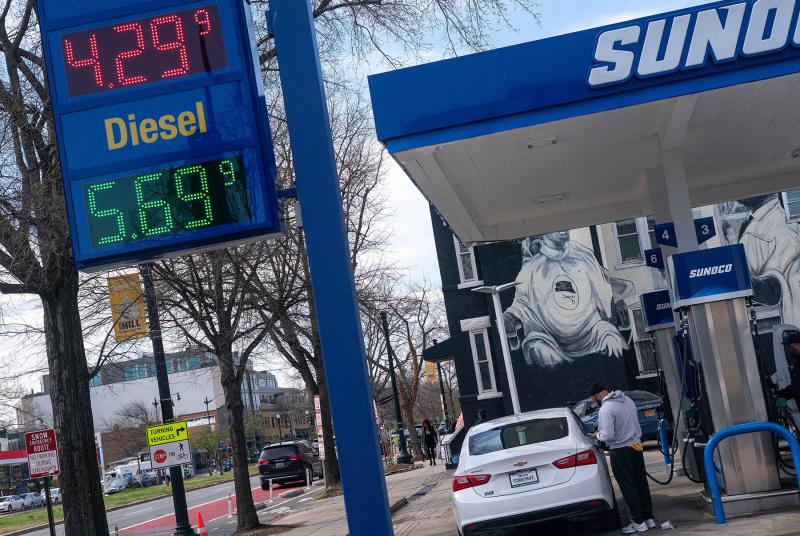
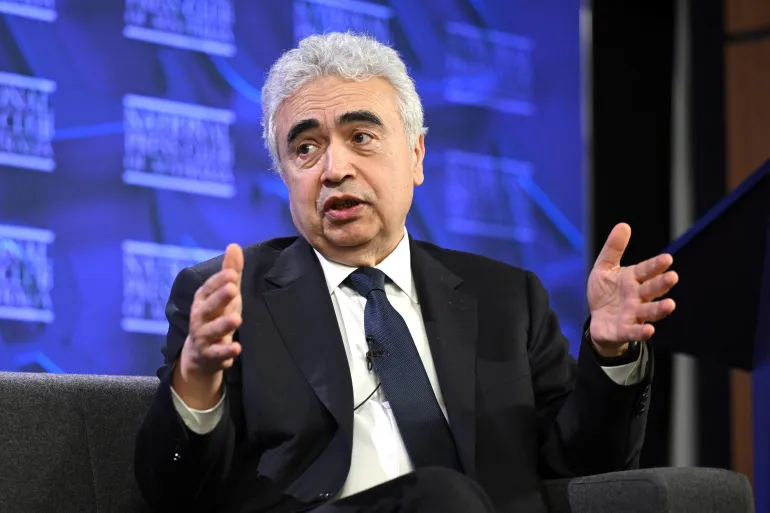
This move has resulted in an immediate surge in energy prices, as countries scramble to secure their oil and gas supplies. As Birol emphasized in his interview with Le Figaro, the magnitude of this disruption is unprecedented. Unlike past energy crises, which were tied to specific regional conflicts or political decisions, this current crisis is more widespread and is having a disproportionate impact on developing countries, which are most vulnerable to rising fuel prices.
The Global Impact on Developed and Developing Nations
The global economic landscape has been significantly affected by the escalation of energy prices. For developed nations like European countries, Japan, and Australia, the immediate effects are being felt through higher oil and gas prices, which in turn are driving up the cost of living and contributing to rising inflation. This has created a domino effect, increasing food prices and making basic necessities harder to afford for millions of people.
However, the most vulnerable are the developing nations, who are disproportionately dependent on imported energy. Countries in Africa, Southeast Asia, and Latin America are particularly at risk, as their economies are heavily reliant on affordable energy imports for transportation, industry, and agriculture. As a result, these nations are facing a double-edged sword: not only are their energy costs skyrocketing, but they are also witnessing a sharp rise in food prices as the cost of transportation and agricultural inputs increases.
A Temporary Solution
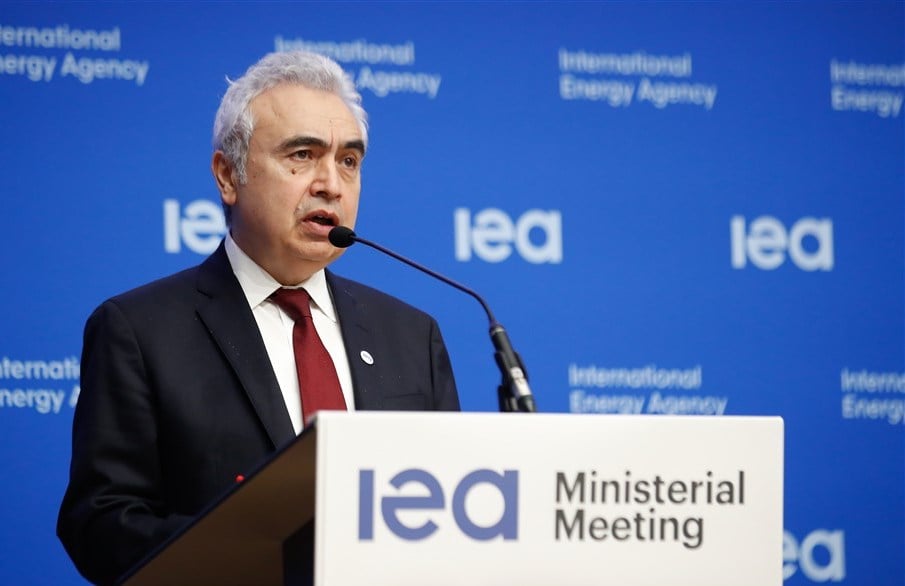
In response to the crisis, the member countries of the IEA agreed to release a portion of their strategic oil reserves. This decision was made to mitigate the short-term effects of the blockade and provide some relief to global markets. While the release of these reserves has helped stabilize prices to a degree, it is not a permanent solution. Birol stressed that the reserves are finite and will eventually run out if the blockade continues for an extended period.
The IEA has been working with member countries to ensure that strategic reserves are used wisely, balancing between emergency supply and maintaining long-term energy security. The agency’s efforts, however, remain a stopgap measure, and the real challenge lies in resolving the situation in the Strait of Hormuz, which is essential for the uninterrupted flow of global oil and gas.
The Environmental and Geopolitical Stakes
Beyond the immediate economic implications, this crisis also has significant environmental and geopolitical ramifications. The blockade has strained international relations, particularly between Iran and the Western powers, who have been pushing for a resolution to the ongoing tensions in the region. With oil prices climbing to unprecedented levels, the strain on diplomatic relations could worsen, especially if no resolution to the conflict is achieved in the near future.
On the environmental front, the disruption in energy supply has sparked renewed discussions about the global dependence on fossil fuels. The rising energy prices are forcing many countries to reconsider their energy policies, and some are looking to accelerate the transition to renewable energy. While renewable sources like wind, solar, and hydro power are seen as the future, they still account for a small fraction of global energy consumption compared to fossil fuels, which remain the dominant energy source.
The Role of the U.S. and Israel in the Crisis
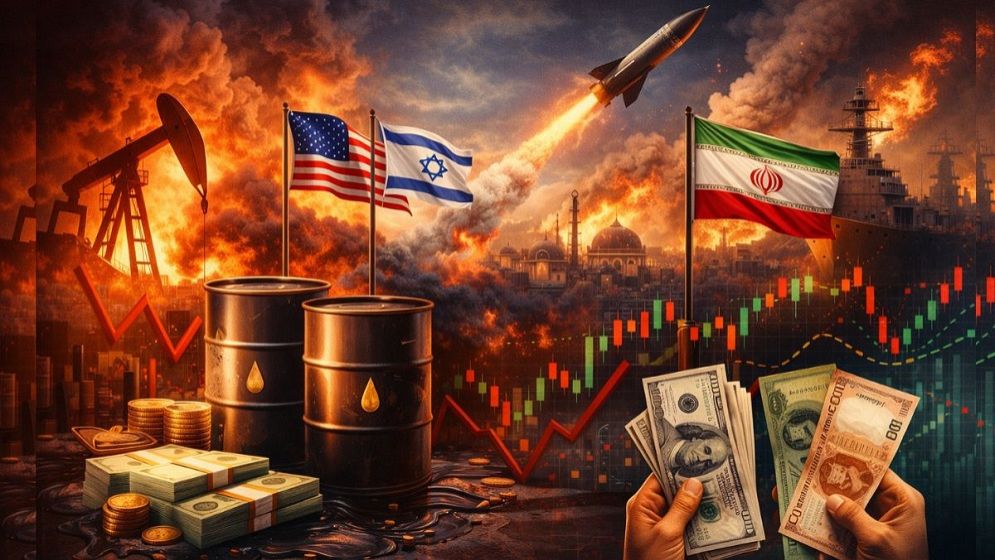
The U.S. and Israel have been at the forefront of efforts to address the crisis. As part of the response to Iran’s actions, both countries have increased their military presence in the region. The U.S. has deployed naval forces to protect shipping lanes, while Israel has been actively involved in diplomatic efforts to de-escalate the situation. However, these efforts have not been without controversy. Iran has accused the U.S. and Israel of exacerbating the conflict and has vowed to continue blocking the Strait unless its demands are met.
The involvement of these two powerful nations in the crisis raises concerns about the potential for military conflict, which could further destabilize the region and have even more severe consequences for global energy markets. The stakes are high, and the outcome of this geopolitical struggle will have lasting implications for the global energy landscape.
The Strain on Global Energy Markets
As the blockade continues, the strain on global energy markets becomes increasingly apparent. Oil and gas prices have been rising steadily, and some analysts predict that this trend could continue for months, if not years. The longer the crisis drags on, the more difficult it will be for countries to stabilize their energy supply and prevent further economic fallout.
In addition to rising energy prices, there is also the issue of energy security. Many countries are now re-evaluating their energy policies, seeking ways to reduce their dependence on oil and gas imports. This includes increasing domestic production, exploring alternative energy sources, and investing in energy efficiency measures.
A Turning Point for the Future of Energy
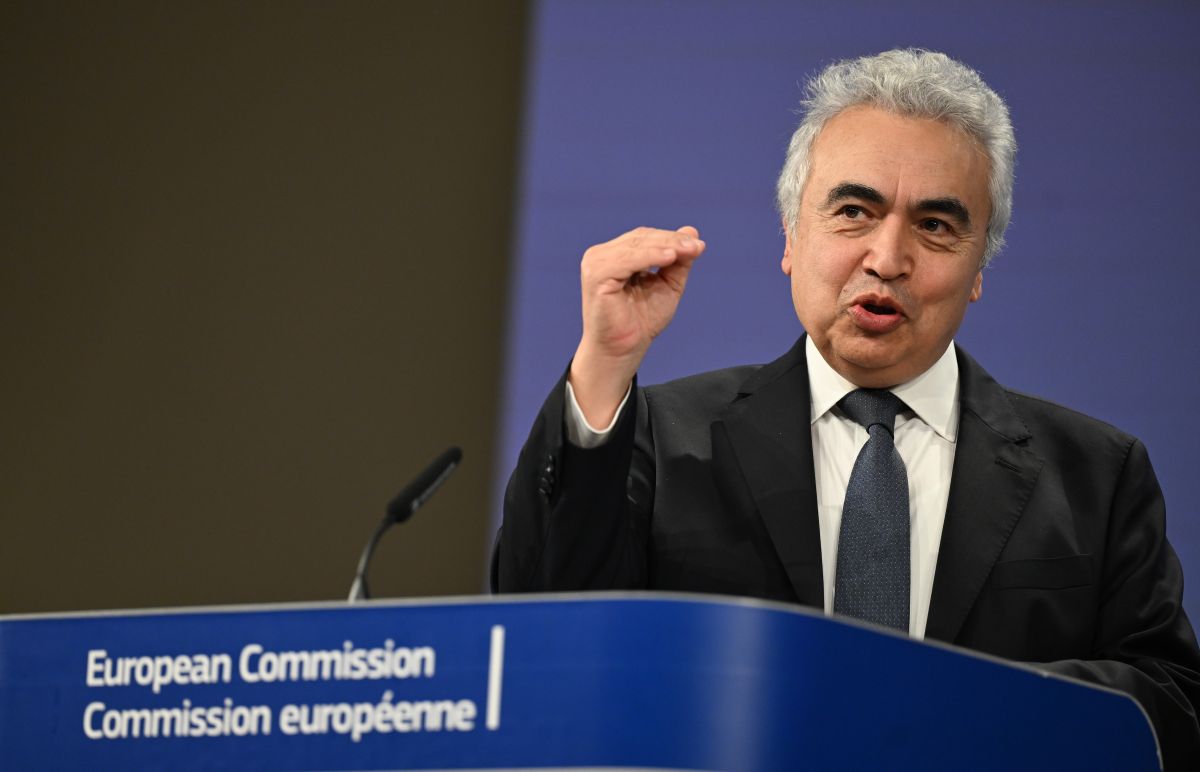
In the wake of the blockade, many experts are calling this crisis a turning point for the global energy sector. It has underscored the vulnerability of the world’s energy supply and highlighted the urgent need for diversification. While the immediate focus is on resolving the conflict in the Strait of Hormuz, the long-term implications of this crisis could lead to a shift in how countries approach energy security and sustainability.
The crisis has prompted a reevaluation of the role of fossil fuels in the global economy and has spurred interest in alternative energy sources. As countries grapple with rising energy prices and the threat of future disruptions, there is growing momentum to accelerate the transition to renewable energy. While this transition will take time, the current crisis could serve as a wake-up call for the world to invest in a more sustainable energy future.
The Future of Global Oil and Gas Supply
Looking ahead, the future of global oil and gas supply remains uncertain. While the IEA’s efforts to release strategic reserves have provided some short-term relief, the long-term solution lies in resolving the geopolitical tensions that are driving the crisis. Until then, countries will continue to face the dual challenges of rising energy prices and the need to secure their energy supply.
This crisis has highlighted the fragility of the global energy system and the urgent need for diversification. As the world’s energy landscape continues to evolve, the lessons learned from this crisis will likely shape the future of energy policy for decades to come.
A Global Wake-Up Call
In conclusion, the ongoing oil and gas crisis, triggered by the blockade of the Strait of Hormuz, is a global wake-up call. It has exposed the vulnerability of the world’s energy supply and underscored the need for greater energy security and diversification. While the crisis has had significant economic and geopolitical consequences, it has also spurred renewed interest in renewable energy and energy efficiency measures.
As the world works to resolve the crisis, the implications of this event will continue to reverberate across the globe, shaping the future of energy policy for years to come. Whether this crisis leads to lasting change in global energy markets remains to be seen, but one thing is clear: the world’s reliance on oil and gas is no longer sustainable, and the time for change is now.