
Table of Contents
A Critical Energy Choke Point
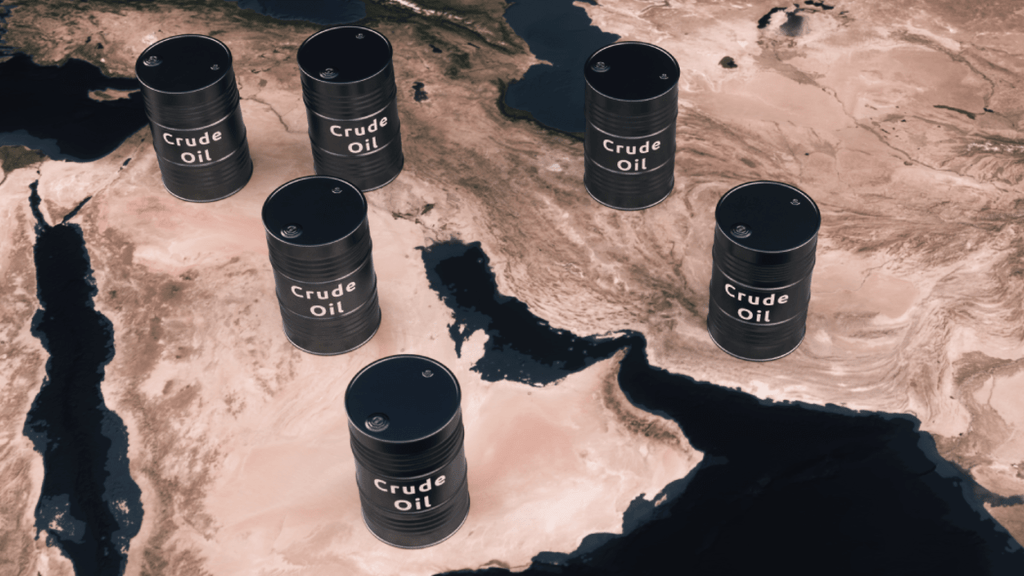
The Strait of Hormuz is one of the most important oil trade routes in the world, through which approximately 20% of the globe’s oil and gas is transported. The closure of this strategic passage has led to immediate concerns about energy shortages. As Iran effectively closed off this vital waterway, the oil market became extremely tight, with analysts estimating a loss of around 12 million barrels per day — about 12% of the world’s oil supply.
While oil futures have shown an increase in prices, it is the physical oil market — where actual barrels of crude are bought and sold for immediate delivery — that has felt the full impact of this crisis. As the supply chain was disrupted, refiners in Europe and Asia began scrambling to secure replacement crude from alternative sources, driving up prices to historic levels.
Crude Hits Record Highs
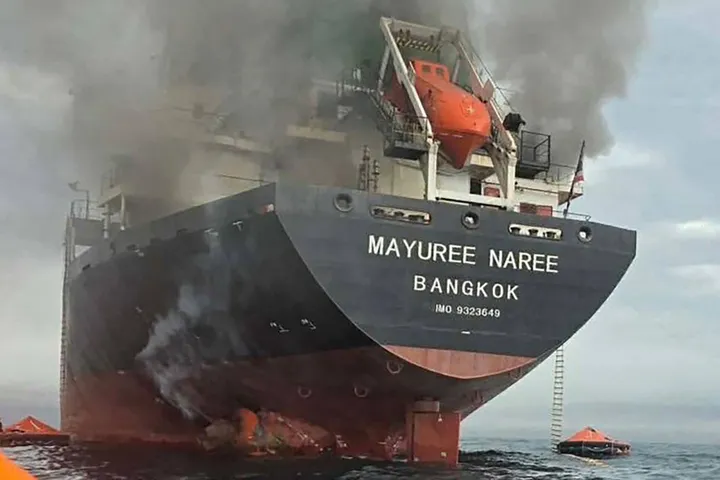
As the crisis continues to unfold, the price of certain crude grades has reached unprecedented levels. For example, North Sea Forties crude, one of the key benchmarks for European refiners, hit a record high of $146.09 per barrel, surpassing previous highs set during the 2008 global oil price spike. This surge is largely due to the competition among refiners, who are now prioritizing immediate delivery of crude oil over future contracts, a situation that has pushed the physical price well beyond the levels indicated by futures prices.
The shift in the market dynamics has been described as a panic-driven response to the supply shortage. Adi Imsirovic, a veteran oil trader, noted that when there is a real, immediate shortage of oil, traders and refiners are less concerned with future delivery dates and more focused on securing crude for immediate use. This has created a situation where physical oil prices are significantly higher than paper futures, reflecting the acute scarcity of supply.
Competition and Skyrocketing Costs
The impact of this price surge is being felt most acutely by refiners in both Europe and Asia. The competition for available crude oil is fierce, as countries from both regions struggle to replace the disrupted Middle Eastern oil supplies. European refiners are now paying nearly $20 more per barrel for prompt delivery crudes, such as those from the North Sea, compared to the futures price for June delivery. This disparity between physical oil prices and futures prices has never been seen before, underscoring the severity of the situation.
As refiners are forced to pay record prices for crude oil, the cost of producing refined products, such as jet fuel and diesel, has also increased dramatically. In Europe, jet fuel prices have reached $226.40 per barrel, approaching the record highs seen earlier in 2022. Similarly, diesel prices have remained near their peak, contributing to rising transportation and logistics costs across the continent. The ripple effects of these price hikes are now being felt at gas stations and in the broader economy.
Rising Fuel Prices and Inflation
The spike in oil and gas prices is not just an issue for the energy industry; it has far-reaching consequences for global economies. The increased cost of fuel has led to higher transportation costs, which in turn has driven up the prices of goods and services worldwide. In Thailand, for example, long queues at gas stations are becoming a common sight as citizens struggle to keep up with the soaring fuel prices.
The ripple effect of these price increases is also being felt in the food sector, where rising transportation and input costs are pushing food prices higher. As oil prices continue to rise, developing nations are especially vulnerable, as many of them are reliant on imported oil and are unable to cushion the blow of these price hikes. This has raised concerns about food security and inflation, particularly in countries that are already struggling with high poverty rates.
The Role of Brent and Forties Crude in the Price Surge
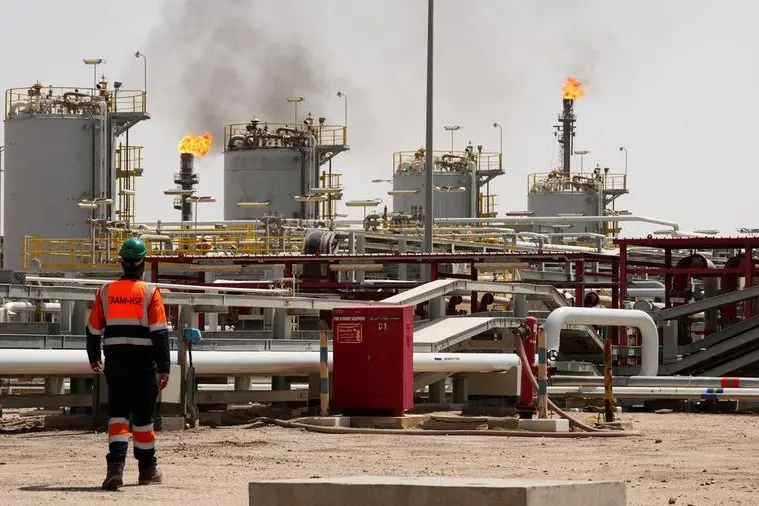
The surge in oil prices is being driven by a variety of factors, with the price of Brent crude oil — the global benchmark — reaching $119.50 per barrel, the highest it has been since 2022. However, it is the price of Forties crude, a major component of the North Sea blend, that has been most affected by the current crisis. As one of the most widely traded crudes in Europe, Forties has seen its price jump significantly in recent weeks, surpassing the previous record set in 2008.
This price surge is indicative of the broader trends in the oil market, where physical oil prices are becoming decoupled from futures prices due to the immediate shortage of supply. This divergence is likely to persist until the situation in the Strait of Hormuz is resolved and supply begins to stabilize.
Iran and the U.S.-Israel Conflict

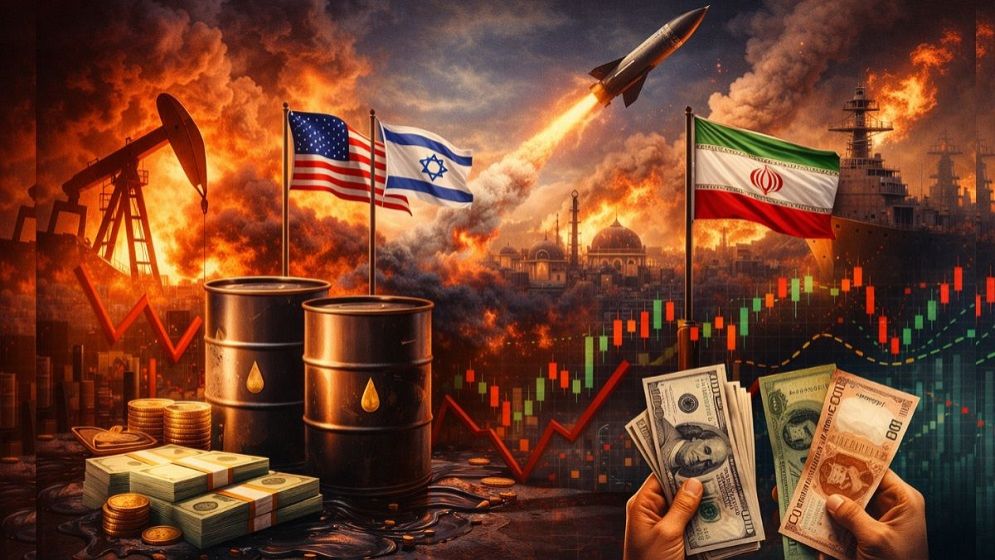
The closure of the Strait of Hormuz is the result of escalating tensions between Iran, Israel, and the United States. The Iranian government has effectively blocked traffic in the Strait in response to military actions by the U.S. and Israel, which have been involved in a series of strikes aimed at Iran’s military infrastructure. These strikes have intensified the already volatile situation in the Middle East, exacerbating the disruption to global oil supplies.
The geopolitical tensions surrounding the Strait of Hormuz are unlikely to ease in the short term. While the U.S. and Israel have bolstered their military presence in the region, Iran has vowed to continue blocking the Strait unless its demands are met. This ongoing conflict has created a level of uncertainty in the oil market, as traders and refiners struggle to predict when the crisis will end and what the long-term consequences will be.
Will the Surge Continue?
Looking ahead, the future of oil prices remains uncertain. As the situation in the Strait of Hormuz continues to evolve, analysts are divided on whether the current surge in prices is sustainable. Some believe that prices could continue to rise if the blockade persists, while others argue that the market will eventually stabilize once alternative routes for oil transportation are established.
In any case, the current crisis has underscored the vulnerability of the global oil supply and highlighted the need for diversification. As countries around the world grapple with rising fuel prices, the focus will likely shift towards exploring alternative energy sources and improving energy efficiency. This crisis could act as a catalyst for change in the global energy landscape, prompting governments and businesses to reconsider their reliance on fossil fuels.
A Wake-Up Call for Global Energy Markets
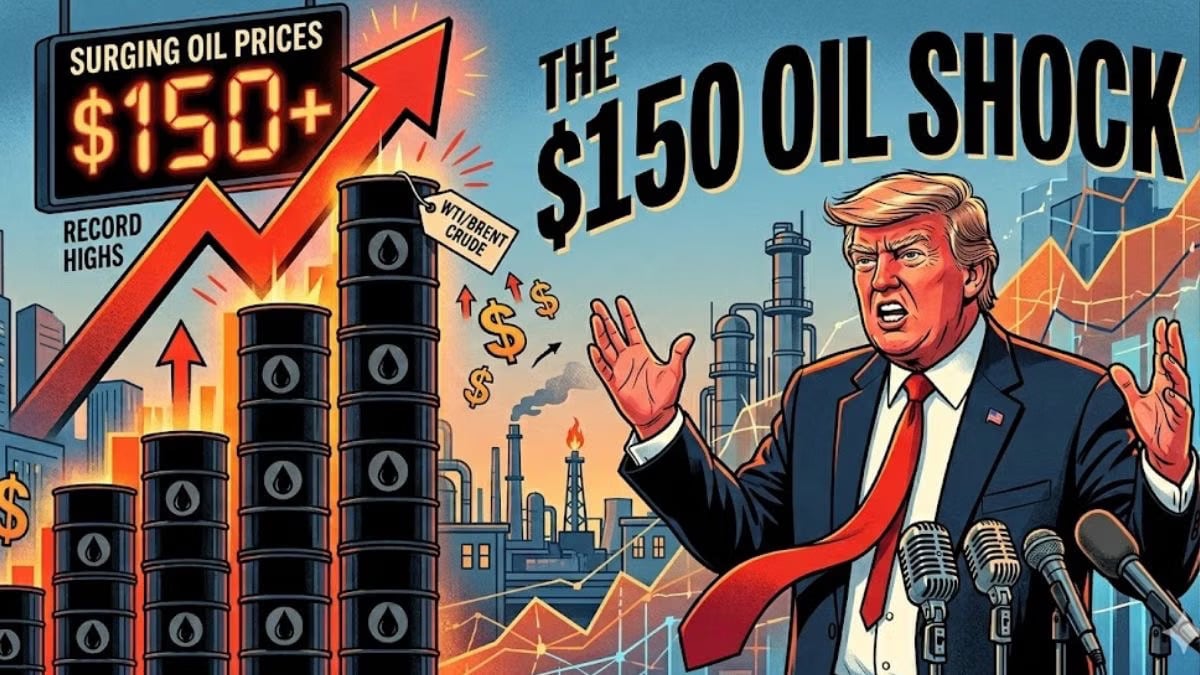
In conclusion, the ongoing oil crisis triggered by the closure of the Strait of Hormuz is a wake-up call for the global energy market. The surge in oil prices, coupled with the disruption of oil flows from the Middle East, has highlighted the fragility of the world’s energy supply chains. As countries scramble to secure their energy needs, the crisis is likely to have long-lasting economic and geopolitical implications.
The situation in the Strait of Hormuz also serves as a reminder of the need for energy diversification and sustainability. As the world grapples with the immediate consequences of this crisis, the long-term shift towards renewable energy sources and alternative solutions will become increasingly important. This crisis may be the tipping point that accelerates the transition to a more sustainable and secure energy future.