
Table of Contents
- Breaking the Distance Record
- A Surreal Lunar Experience: Astronaut Reactions
- Experiencing the Eclipse: A Cosmic Moment
- The Communications Blackout: A Crucial Test
- Naming Lunar Craters
- Apollo 13’s Legacy: A Tribute to the Past
- A Close-Up Look at the Moon: The Crew’s Observations
- The Significance of the Lunar Flyby
- A Glimpse into the Future: Artemis II’s Legacy
- Reflecting on Humanity’s Journey to the Moon
Breaking the Distance Record
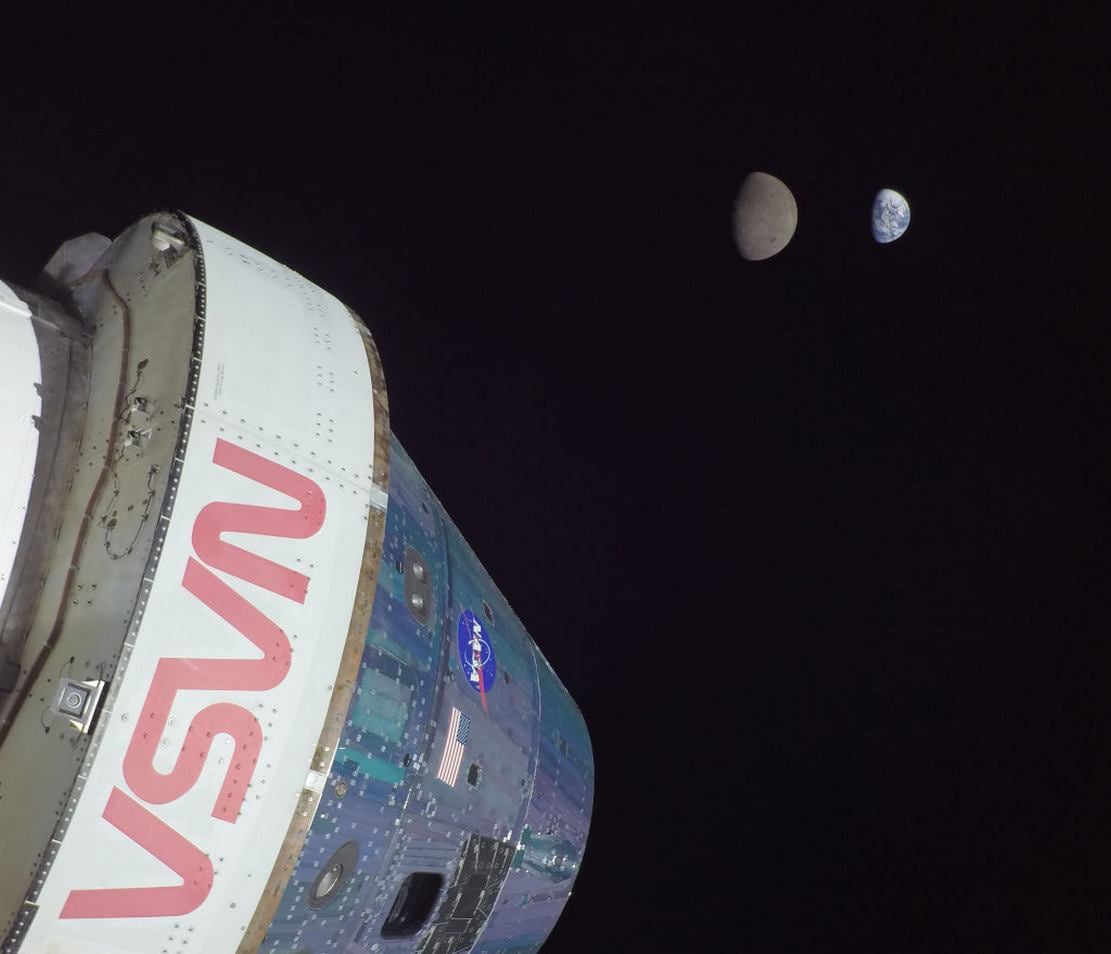
The Artemis II crew made history on Monday, surpassing the Apollo 13 distance record. The previous record of 400,171 kilometers, set by Apollo 13 in 1970, was broken at 1:57 p.m. ET when Artemis II’s Orion spacecraft reached a new distance of 406,771 kilometers from Earth. This marks the farthest humans have ever traveled from our planet, an extraordinary feat that highlights the progress made in space exploration since the Apollo missions. For the crew, this achievement is a testament to the dedication of the engineers, scientists, and astronauts who have worked tirelessly to make this moment a reality.
A Surreal Lunar Experience: Astronaut Reactions
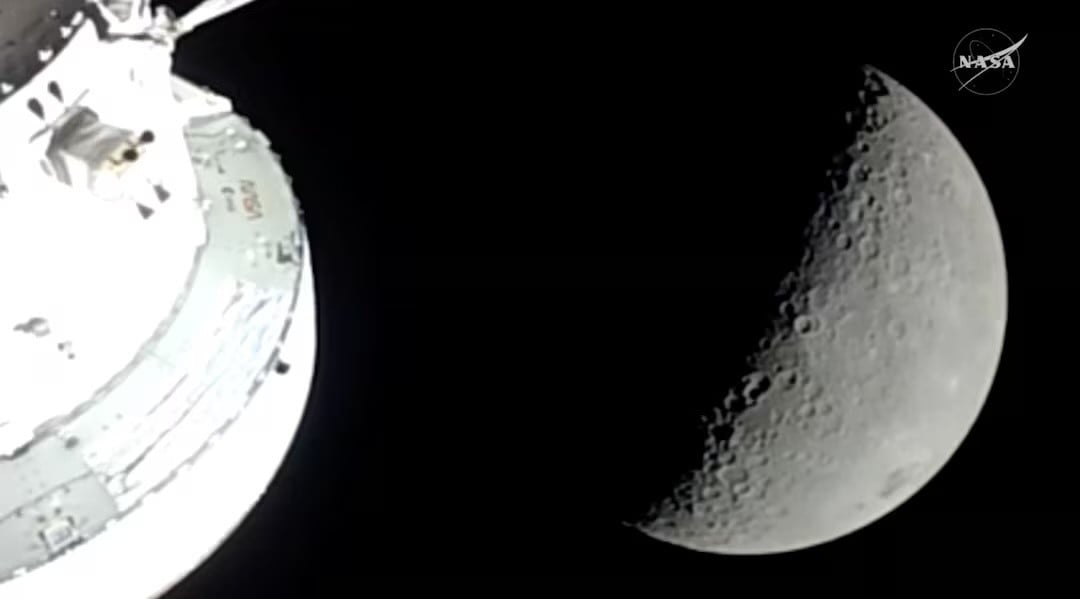
The Artemis II crew struggled to find words to describe the otherworldly sights they encountered as they approached the moon. “Humans probably have not evolved to see what we’re seeing,” said pilot Victor Glover. “It is truly hard to describe. It is amazing.” Commander Reid Wiseman echoed these sentiments, calling the view “absolutely spectacular” and “surreal.” The astronauts’ awe was palpable as they observed meteors hitting the moon’s surface, distant planets like Mars, Venus, and Saturn, and the intricate geological features of the lunar surface. These moments are not just significant for the crew; they serve as a reminder of the vastness and beauty of space, inspiring future generations to continue exploring.
Experiencing the Eclipse: A Cosmic Moment
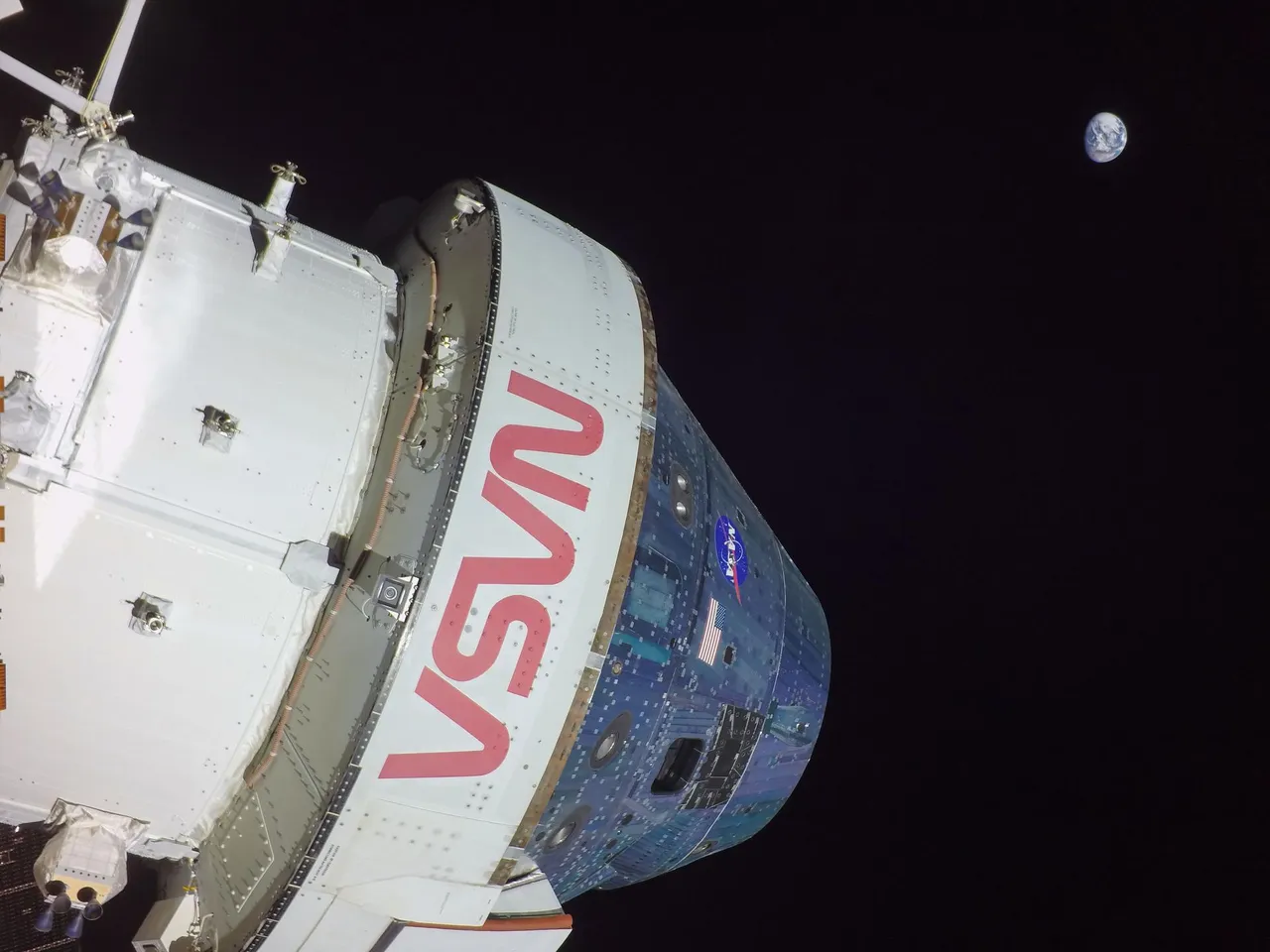
In one of the most visually stunning moments of the mission, the Artemis II crew entered a total solar eclipse, a phenomenon that allowed them to witness the rare alignment of the Earth, moon, and sun. As the spacecraft passed behind the moon, the crew experienced a moment of complete darkness as the moon’s shadow covered them. This eclipse provided a unique vantage point from space, offering an unforgettable experience for the astronauts. “It’s hard to put into words,” said Wiseman. “It’s truly something out of this world.”
The Communications Blackout: A Crucial Test
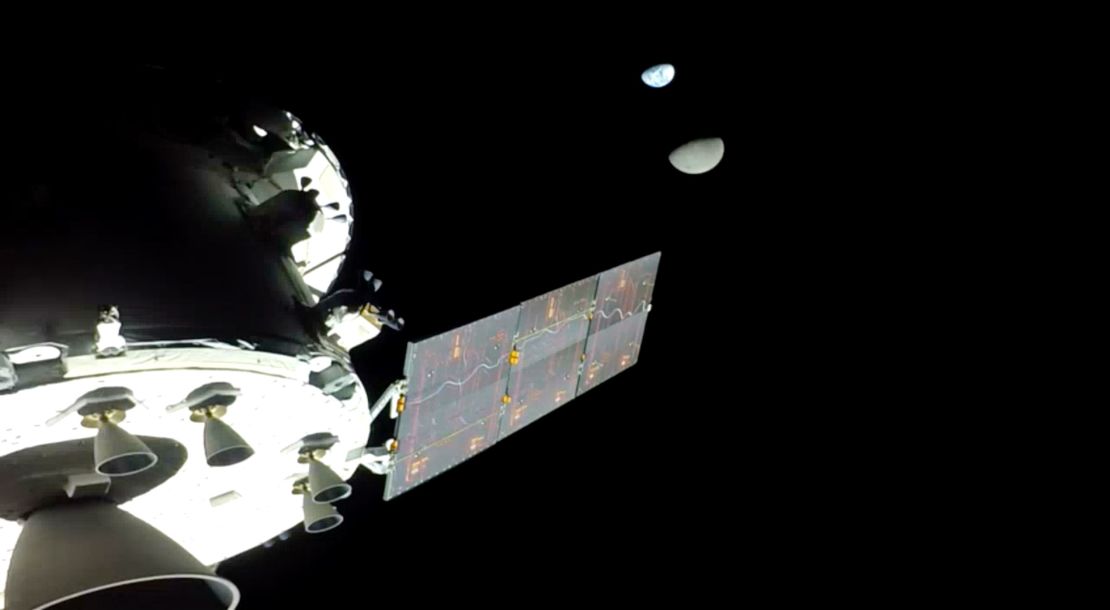
As the Orion spacecraft passed behind the moon, the crew entered a 40-minute communications blackout, a planned part of the mission. During this time, the spacecraft was cut off from mission control, and the crew had to rely entirely on their training and the spacecraft’s systems. When communications were restored, mission specialist Christina Koch expressed relief, saying, “It is so great to hear from Earth again. To Asia, Africa, and Oceania, we are looking back at you. We hear you can look up and see the moon right now. We see you, too.” This blackout was a test of both the crew’s preparedness and the spacecraft’s reliability, and it served as a reminder of the risks and challenges involved in deep space exploration.
Naming Lunar Craters
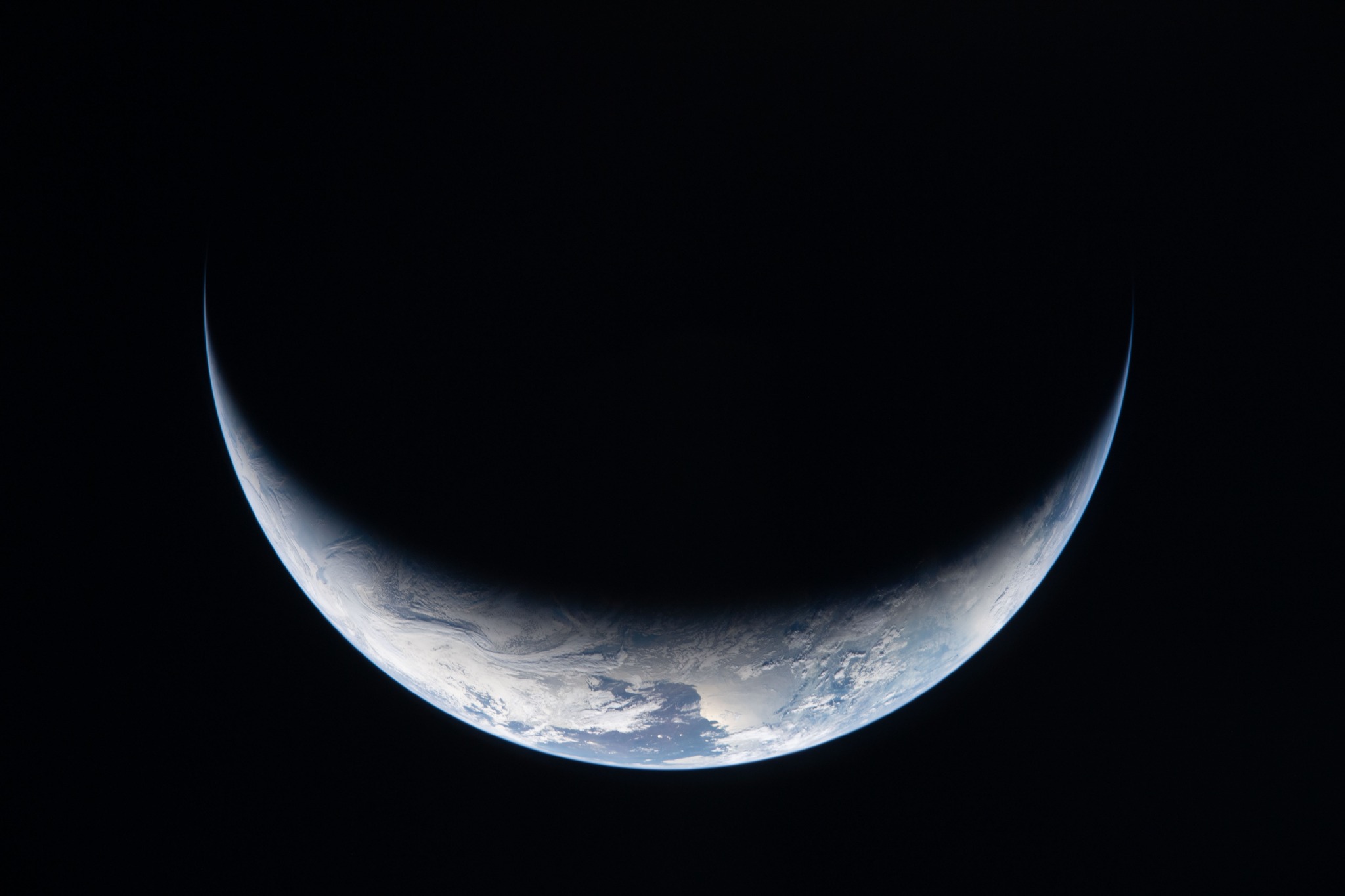
In a deeply emotional moment, the Artemis II crew proposed names for two newly discovered lunar craters. The first, named “Integrity,” honors the crew’s capsule, Orion, and the second, “Carroll,” was named in honor of Commander Wiseman’s late wife, who passed away in 2020. The proposal was met with heartfelt support from mission control, and Wiseman, overcome with emotion, wept as the request was made. This gesture symbolizes the crew’s connection not only to space but also to the loved ones they carry with them on this historic journey. It highlights the personal sacrifices and deep bonds that astronauts form during their missions.
Apollo 13’s Legacy: A Tribute to the Past

The Artemis II crew began their historic day with a wake-up message from Jim Lovell, the commander of Apollo 13. Lovell, who passed away last year, recorded the message just two months before his death. “Welcome to my old neighbourhood,” he said, referencing the lunar space that both Apollo 13 and Artemis II would traverse. This connection to the Apollo missions serves as a tribute to the astronauts who paved the way for the current generation. The crew carried with them a silk patch from Apollo 8, a memento that represented the ongoing legacy of space exploration and the dedication of all those who have contributed to the mission.
A Close-Up Look at the Moon: The Crew’s Observations
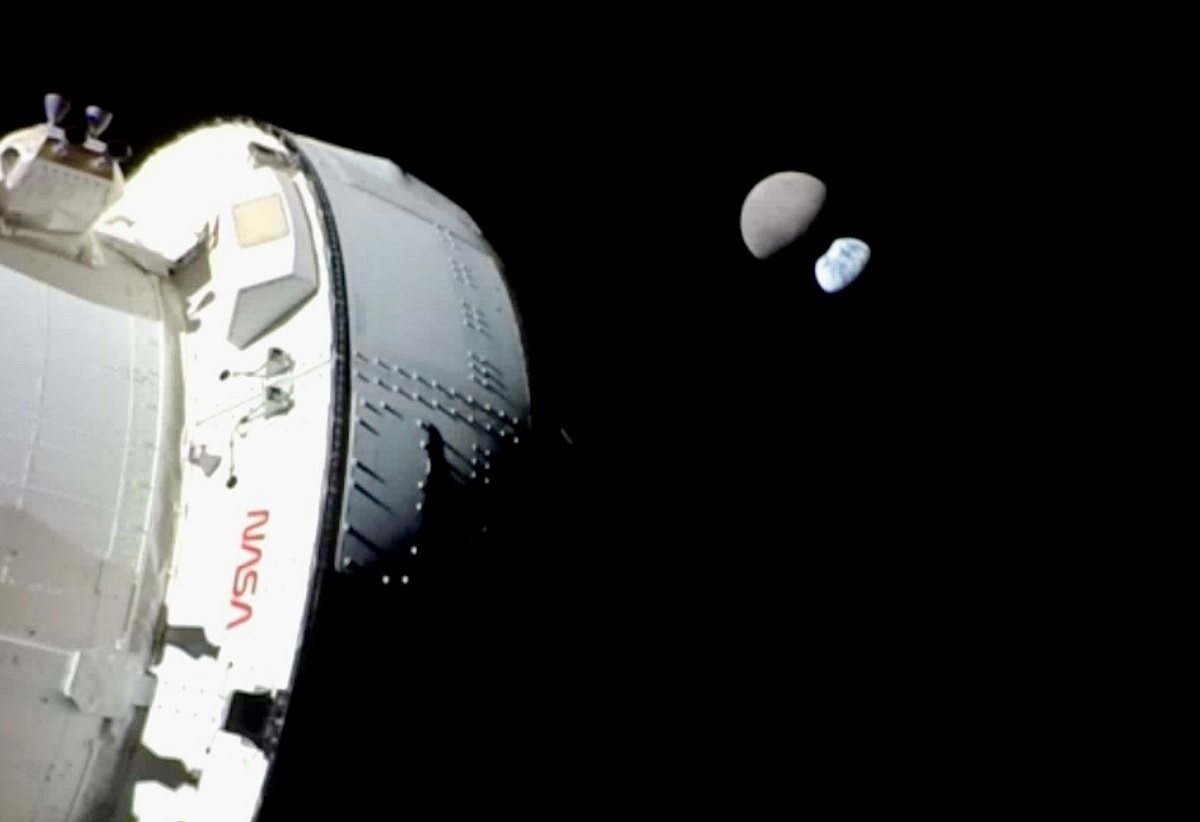
After passing behind the moon and completing the communications blackout, the Artemis II crew spent seven hours observing and photographing the moon’s surface. They focused on geological features such as impact craters and ancient lava flows, collecting valuable data that will help inform future lunar missions. The crew’s close proximity to the moon allowed them to observe features that were previously difficult or impossible to see, including the Orientale Basin, a 3.8-billion-year-old crater. These observations provide essential information for NASA’s ongoing research into the moon’s history and its potential for future exploration.
The Significance of the Lunar Flyby
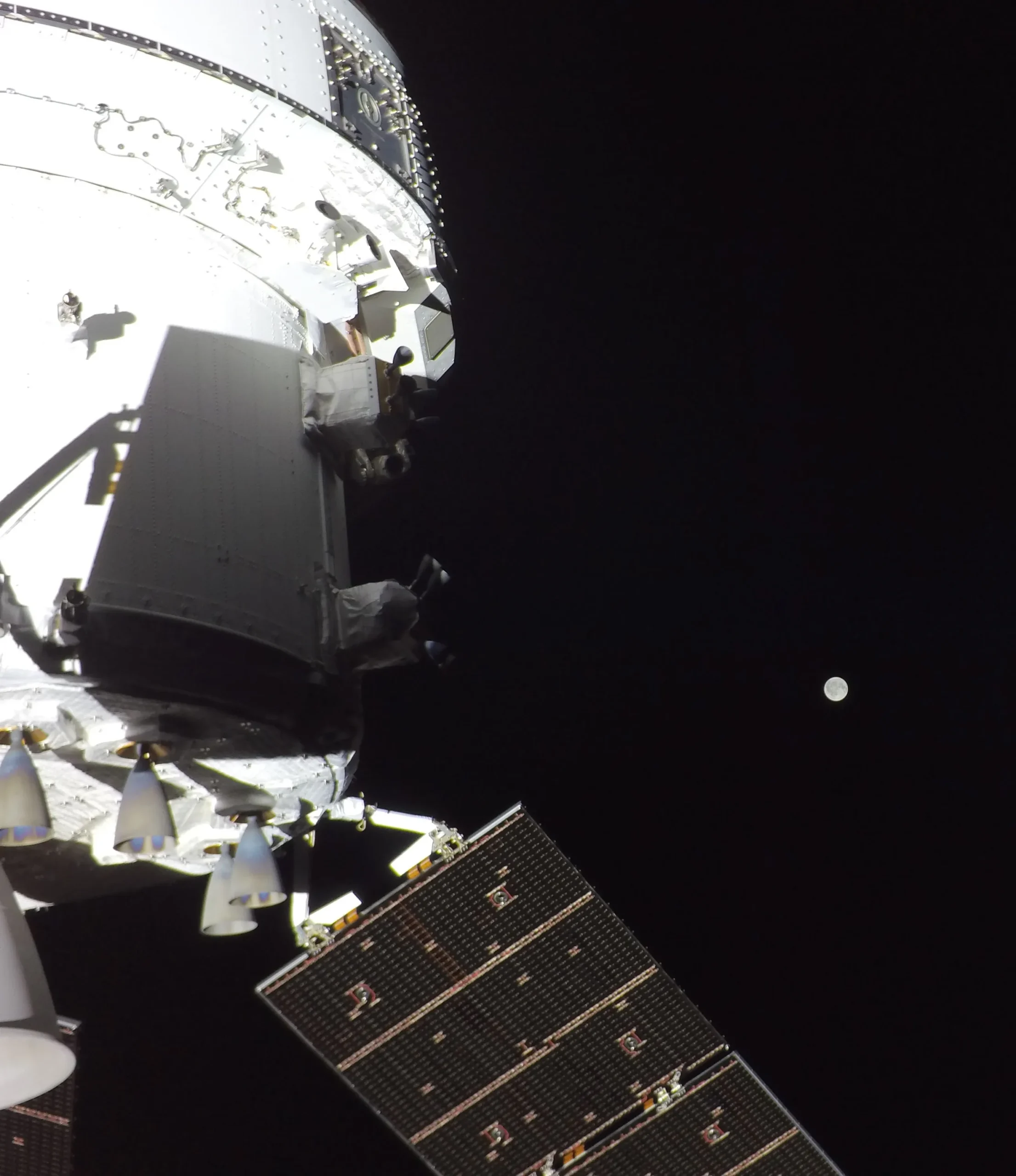
The Artemis II mission is not just about breaking records; it’s about laying the groundwork for future exploration of the moon and beyond. The lunar flyby provides a crucial test of NASA’s capabilities, allowing the crew to gather data and assess the spacecraft’s performance in deep space. The mission also serves as a reminder of the importance of space exploration in expanding our understanding of the universe. By studying the moon up close, scientists can gather insights that will be essential for future lunar landings and the eventual goal of Mars exploration.
A Glimpse into the Future: Artemis II’s Legacy
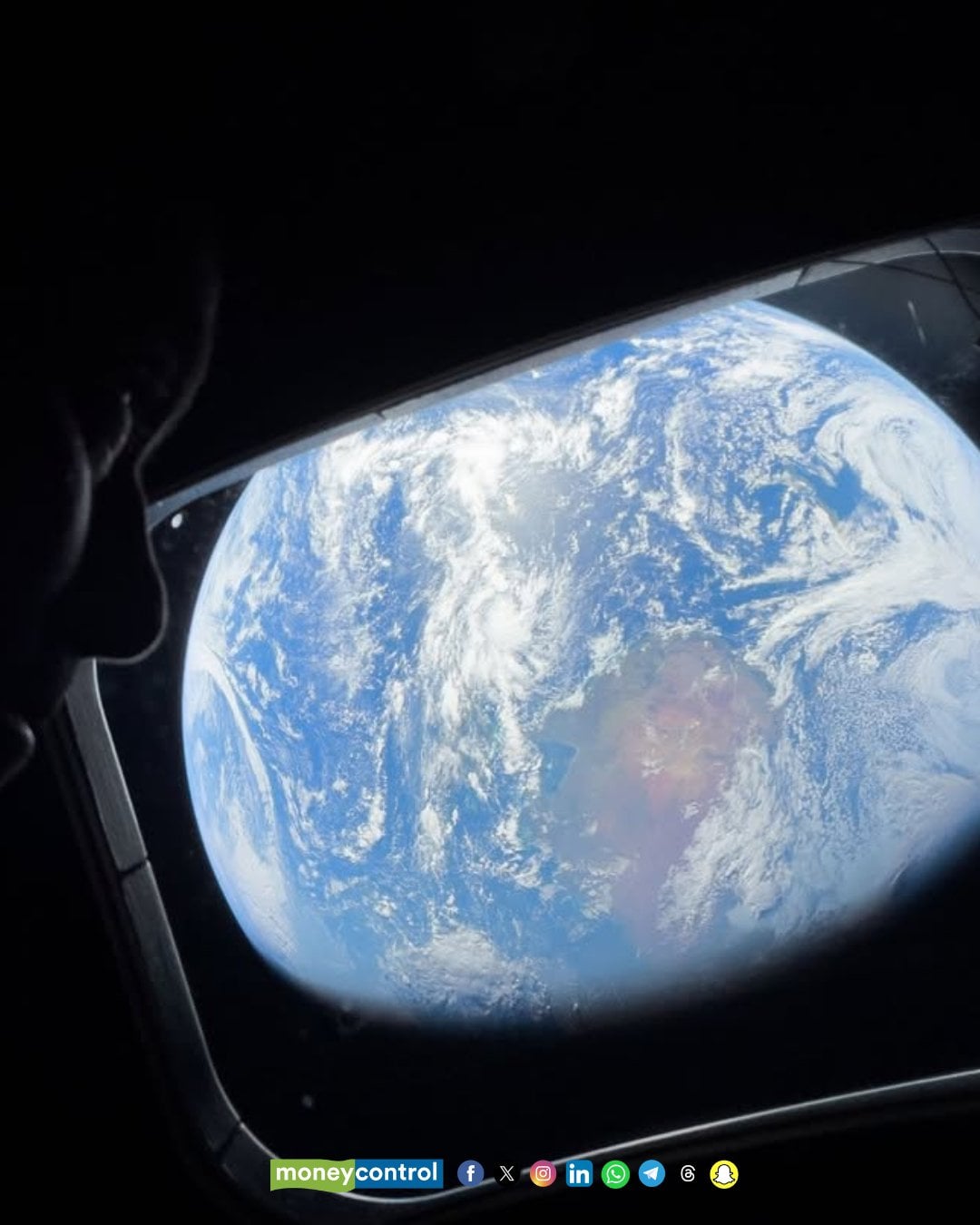
As the Artemis II crew makes its way back to Earth, their mission will leave a lasting legacy. The photographs, data, and experiences gathered during the journey will serve as a foundation for NASA’s next steps in space exploration. The mission also emphasizes the importance of international collaboration, as evidenced by the inclusion of Canadian astronaut Jeremy Hansen alongside American astronauts. The success of Artemis II highlights the potential for global partnerships in space exploration and sets the stage for the next generation of space pioneers.
Reflecting on Humanity’s Journey to the Moon
The Artemis II mission is a remarkable milestone in humanity’s ongoing journey into space. From breaking the distance record to experiencing the awe-inspiring sights of the moon, the crew’s accomplishments are a testament to the progress of space exploration. As they continue their voyage back to Earth, the astronauts will return as the furthest humans to ever travel from Earth, marking a new chapter in the history of space exploration. The mission not only honors the legacy of past explorers but also sets the stage for the future of lunar exploration, paving the way for humanity’s eventual return to the moon and beyond.