
Table of Contents
- A New Milestone for Human Exploration
- Witnessing a Total Solar Eclipse
- The Eclipse and Solar Observations: A Scientific Opportunity
- A Test of Spacecraft Systems
- Naming Lunar Craters
- Studying the Moon’s Surface
- The Impact of the Artemis II Mission on Space Exploration
- The Role of International Collaboration in Artemis II
- The Crew’s Connection to Apollo
- Returning to Earth
- A New Era in Space Exploration
A New Milestone for Human Exploration
At 1:57 p.m. ET on Monday, the Artemis II crew officially surpassed Apollo 13’s distance record, reaching 406,771 kilometers from Earth. This new achievement is a monumental moment in human space exploration. The crew’s journey is not only a test for the technologies involved but a testament to the progress humanity has made since the Apollo missions. The previous record, set during the Apollo 13 mission in 1970, stood at 400,171 kilometers from Earth. As the crew ventured further into space, they made history, pushing the boundaries of what we thought possible.
Witnessing a Total Solar Eclipse

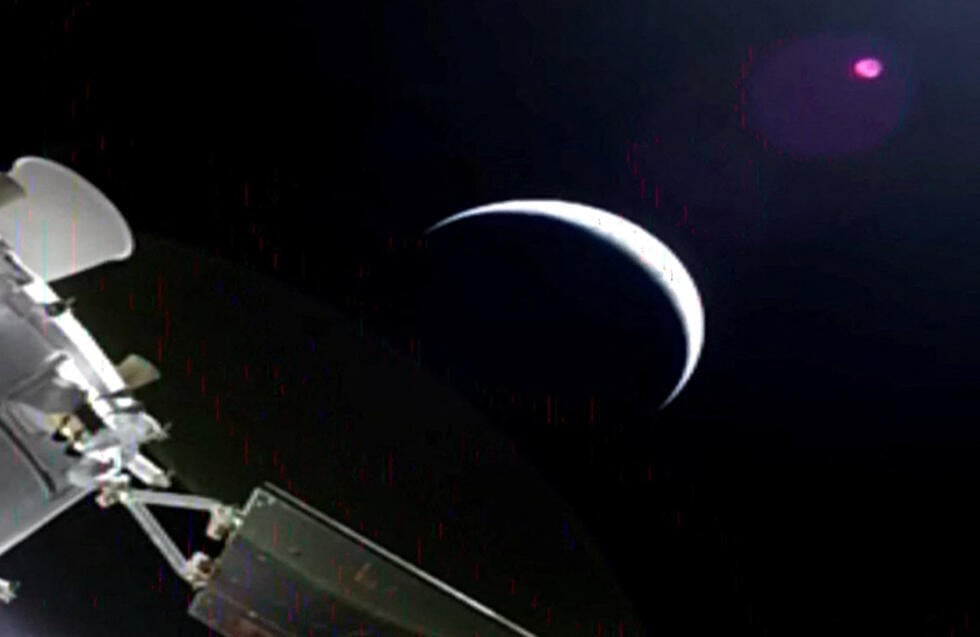
One of the most unforgettable moments of the Artemis II mission came when the crew entered a total solar eclipse. As the spacecraft passed behind the moon, the astronauts were treated to a once-in-a-lifetime view of the solar corona—the sun’s outermost atmosphere. “Humans probably have not evolved to see what we’re seeing,” said pilot Victor Glover, describing the surreal experience. The crew marveled at the cosmic spectacle, which was visible only from their unique vantage point aboard the Orion spacecraft. The eclipse, lasting about an hour, provided an unprecedented opportunity to study the sun’s activity from a location far beyond Earth’s atmosphere.
The Eclipse and Solar Observations: A Scientific Opportunity
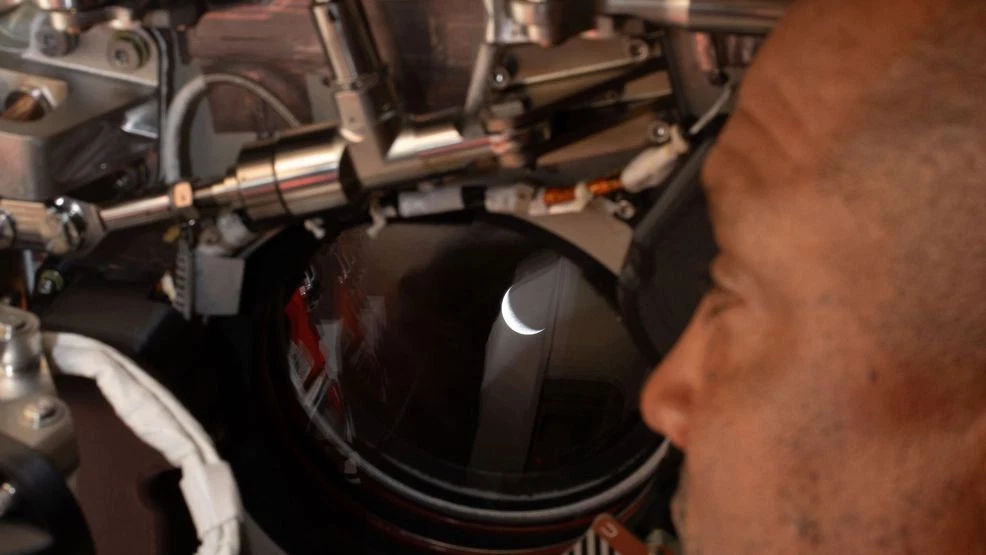
During the solar eclipse, the Artemis II astronauts focused on studying the solar corona and any unusual solar activity. The solar corona, which is typically difficult to observe from Earth due to the sun’s brightness, became visible as the moon passed between the spacecraft and the sun. The astronauts used their unique perspective to gather valuable data, contributing to ongoing research into solar phenomena. This opportunity underscores the potential for future space missions to provide critical insights into the workings of our sun, enhancing our understanding of space weather and its impacts on Earth.
A Test of Spacecraft Systems
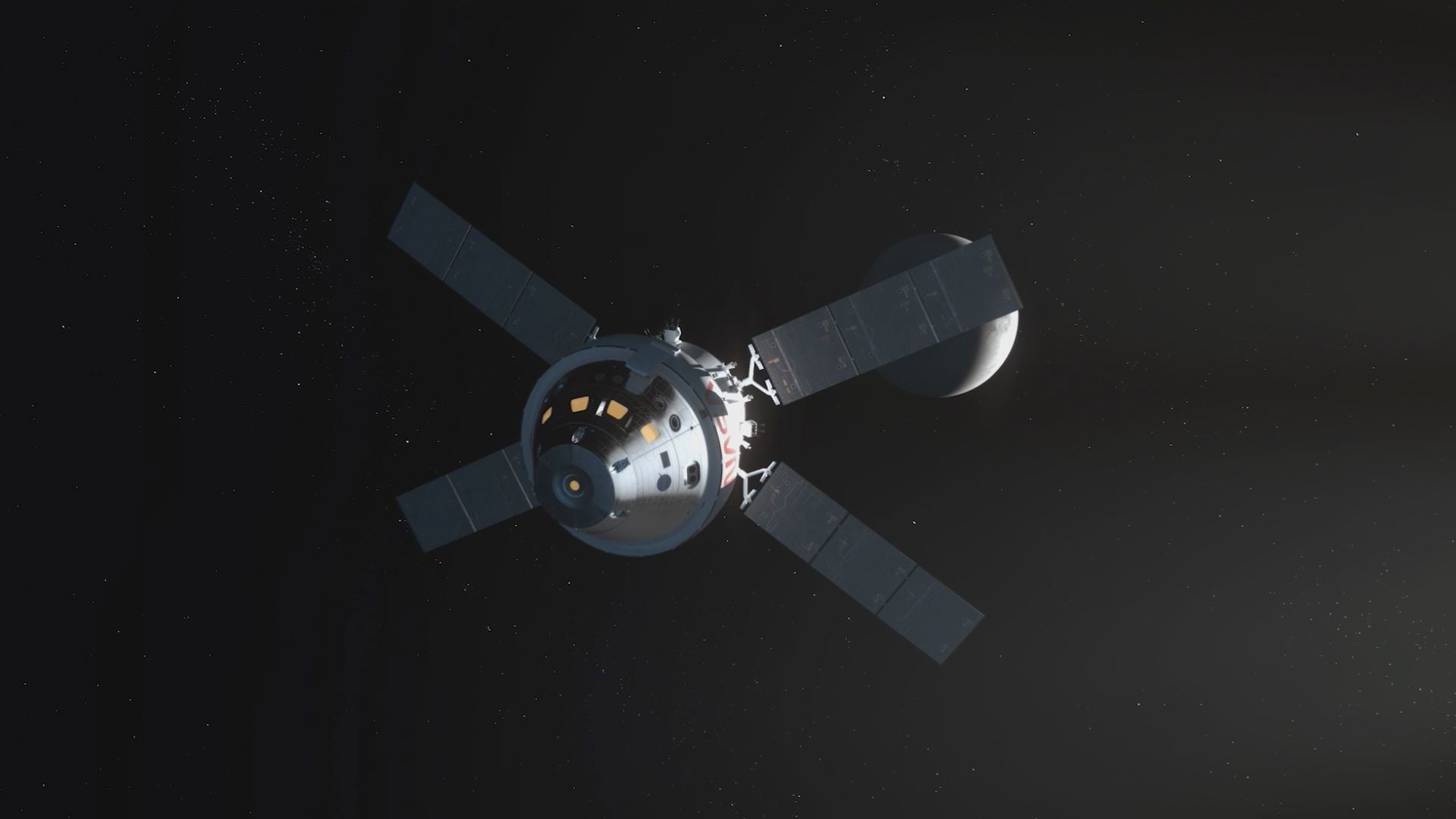
As Orion passed behind the moon, the crew experienced a 40-minute communication blackout, a planned aspect of the mission. The loss of contact with mission control is a routine occurrence during deep space missions when spacecraft travel behind celestial bodies that block radio signals. While the Apollo missions also experienced such blackouts, modern spacecraft like Orion are equipped with more advanced technology to ensure the crew’s safety. Flight director Judd Frieling assured the public that “physics takes over,” as the spacecraft’s systems rely on the moon’s gravity to guide it back toward Earth. During the blackout, the crew remained calm, focusing on their tasks and preparing for the next phase of the mission.
Naming Lunar Craters

In a deeply emotional gesture, the Artemis II crew proposed names for two newly discovered lunar craters: Integrity and Carroll. Integrity was named in honor of the Orion spacecraft, while Carroll was named in memory of Commander Reid Wiseman’s late wife, who passed away from cancer in 2020. The moment was filled with emotion as Wiseman wept while making the request to mission control. “Such a majestic view out here,” he said. This emotional tribute highlights the personal sacrifices astronauts make during their missions, as well as the connections they carry with them to space.
Studying the Moon’s Surface

After the eclipse, the Artemis II crew spent several hours observing and photographing the moon’s surface. They studied geological features such as impact craters and ancient lava flows, gathering crucial data for future lunar missions. The crew was able to examine the moon from a vantage point that previous astronauts, including those on the Apollo missions, never had the opportunity to experience. These observations provide invaluable insights into the moon’s history and its potential for future exploration, as NASA plans to build infrastructure on the moon in the coming decades.
The Impact of the Artemis II Mission on Space Exploration
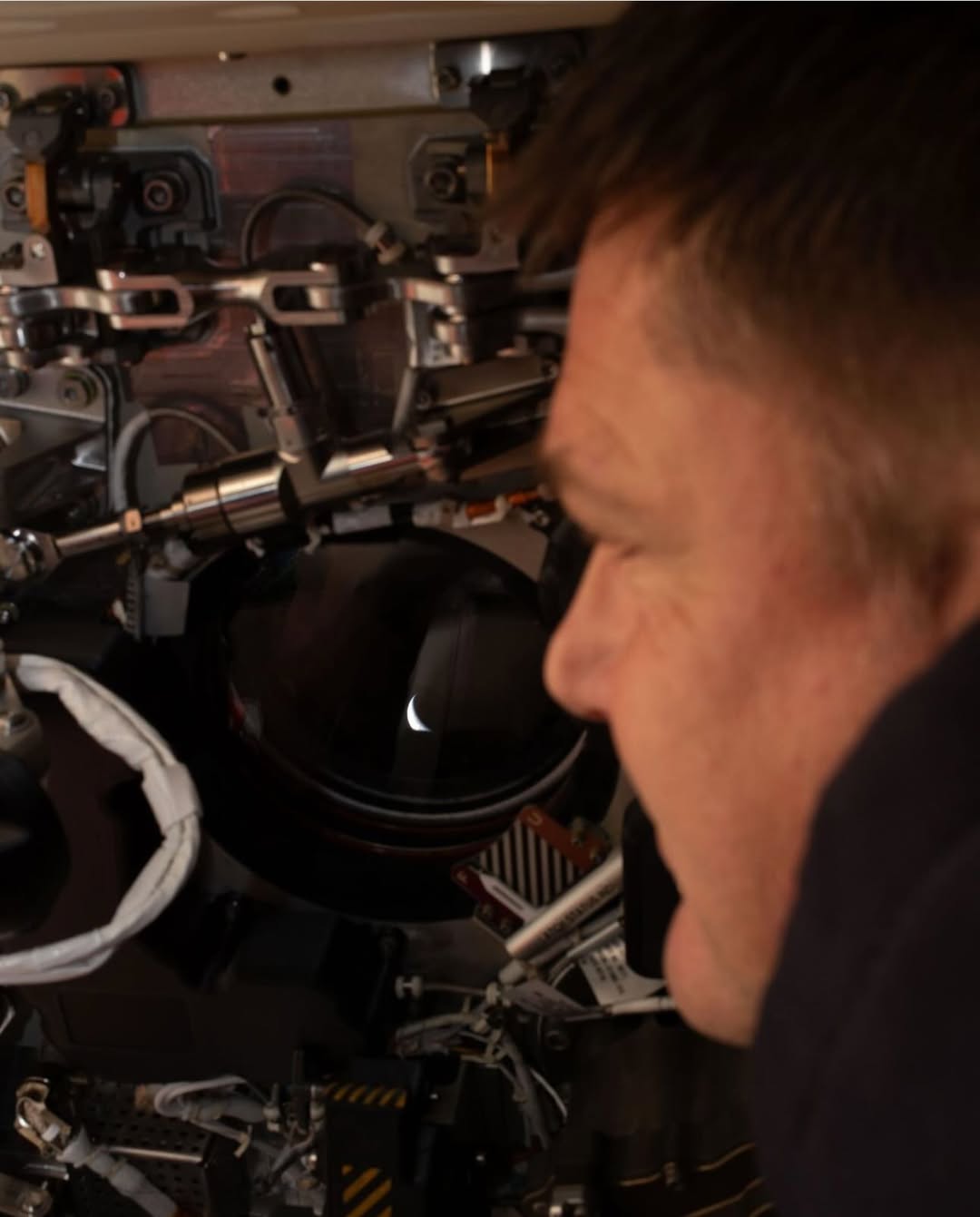
The Artemis II mission is not just about breaking records or witnessing solar eclipses—it’s about paving the way for humanity’s return to the moon. As the crew passed the halfway point of their mission, they gathered data that will inform future lunar landings, including NASA’s Artemis III mission. The lessons learned from this mission will be critical as NASA prepares to build sustainable infrastructure on the moon, with the goal of establishing a permanent human presence on our closest celestial neighbor. The success of Artemis II is a key milestone in the broader goal of space exploration and the eventual mission to Mars.
The Role of International Collaboration in Artemis II
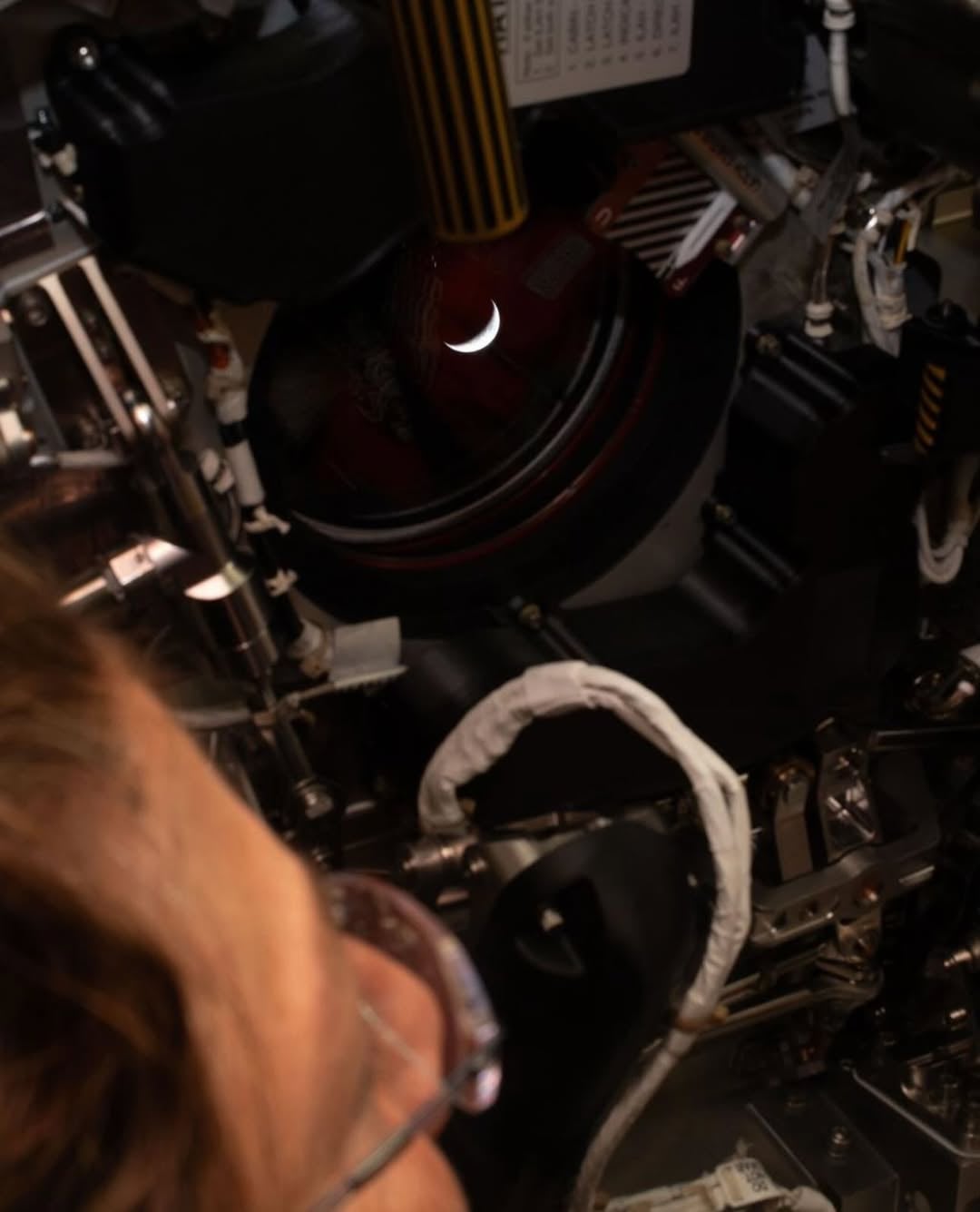
The Artemis II crew includes astronauts from both NASA and the Canadian Space Agency, emphasizing the importance of international collaboration in space exploration. This mission marks the first time that astronauts from different countries have embarked on a mission together to the moon. The partnership between NASA and international space agencies highlights the shared global interest in exploring space and advancing scientific research. This collaboration sets a positive precedent for future space missions, where teamwork and shared knowledge will be crucial for achieving long-term goals like lunar settlement and Mars exploration.
The Crew’s Connection to Apollo
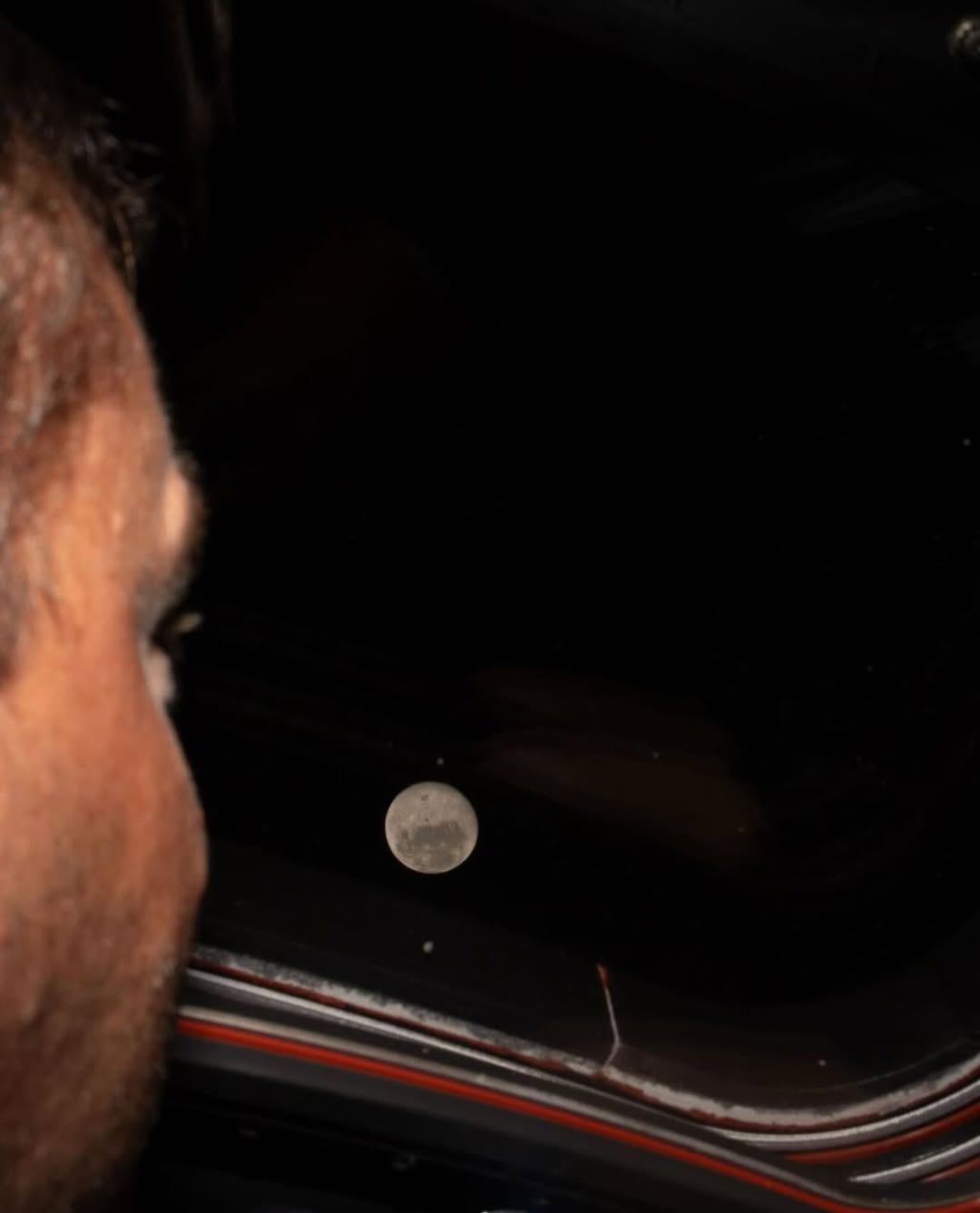
The Artemis II crew’s historic journey was further marked by a tribute to the Apollo missions. The crew began their day with a special wake-up message from Jim Lovell, the commander of Apollo 13. Lovell’s recorded message was a poignant reminder of the legacy of the Apollo missions, as well as the strides humanity has made in space exploration. The crew carried with them a piece of Apollo history: a silk patch from Apollo 8, which had accompanied Lovell on his lunar voyage. This connection to the past serves as a powerful reminder of the generations of astronauts who have worked to make space exploration a reality.
Returning to Earth
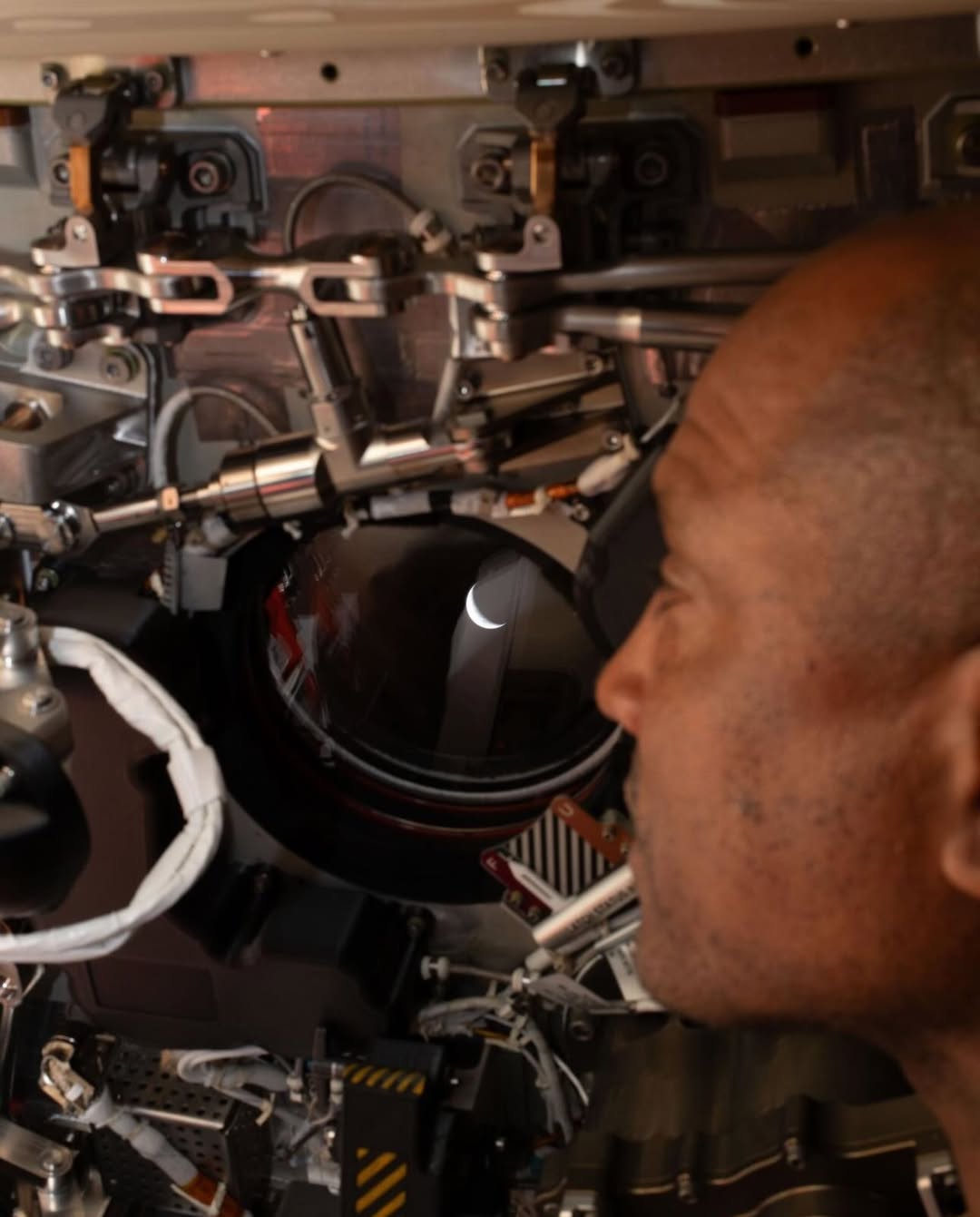
As the Artemis II crew completes their journey around the moon, they are now preparing for their return to Earth. The spacecraft will take four days to journey back, with a planned splashdown in the Pacific Ocean near San Diego on April 10, 2026. The crew will continue their mission by communicating with the astronauts aboard the International Space Station, marking the first time that moon-bound astronauts have interacted with colleagues in space at the same time. This final leg of the mission will bring the crew back to Earth, concluding their historic journey and setting the stage for the next phase of lunar exploration.
A New Era in Space Exploration
The Artemis II mission represents a new chapter in space exploration, breaking records and achieving milestones that were once thought impossible. From witnessing a total solar eclipse to setting a new distance record, the crew’s journey is a testament to the advancements in space technology and international cooperation. As the mission continues, it lays the foundation for future lunar exploration, including NASA’s Artemis III mission. The success of Artemis II marks the beginning of humanity’s return to the moon and the long road ahead toward exploring Mars and beyond.