
Table of Contents
- A New Milestone for Human Space Travel
- The Approach to the Lunar Surface
- The Communication Blackout: A Test of Nerve
- Preparing for the Worst
- The Moon’s Gravitational Pull: A Natural Slingshot Back to Earth
- The Record-Breaking Distance
- Exploring the Moon’s Far Side
- What Happens During the Silence?
- The Safety Precautions and Risks
- Returning to Earth
- What Artemis II Means for the Future
A New Milestone for Human Space Travel
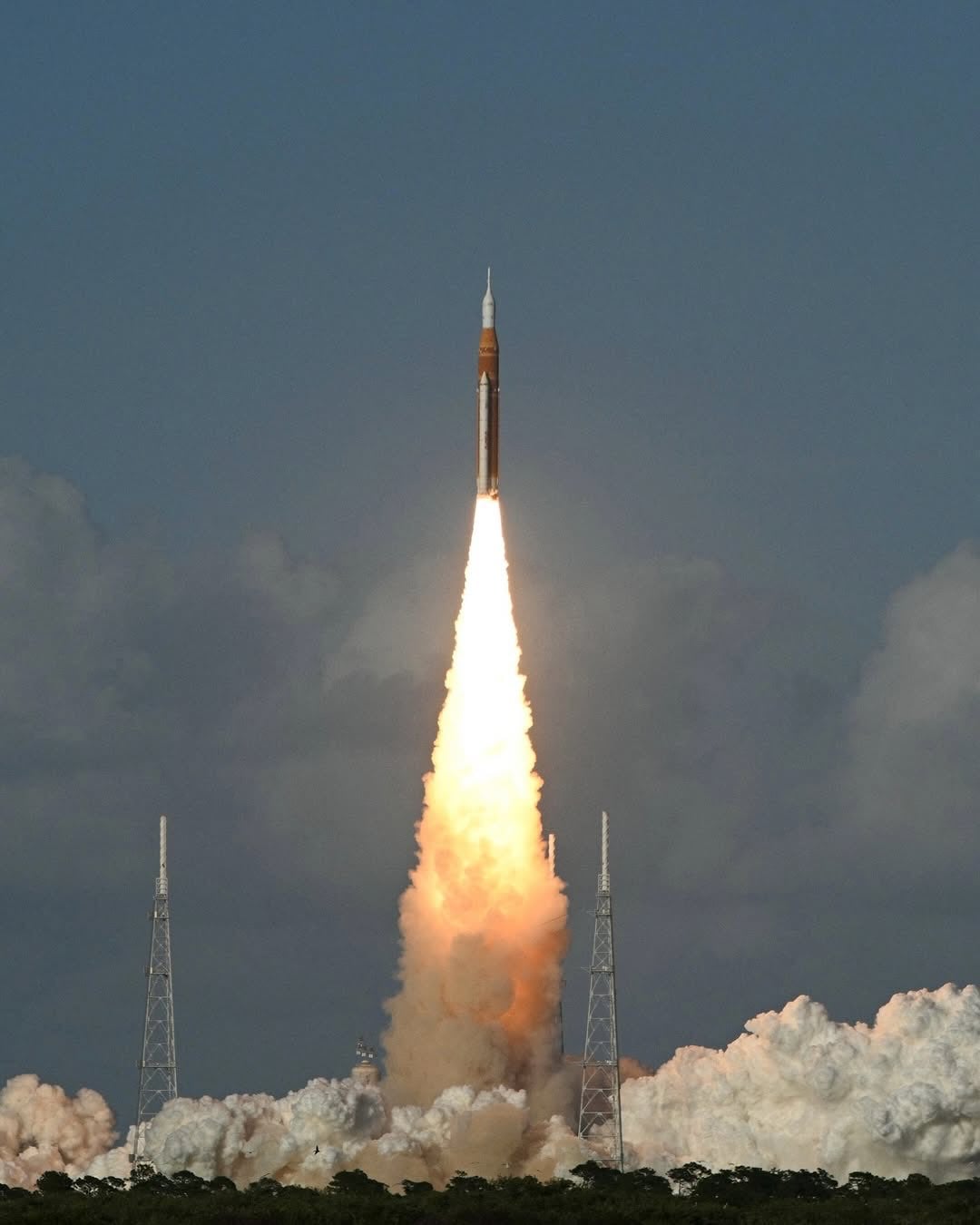
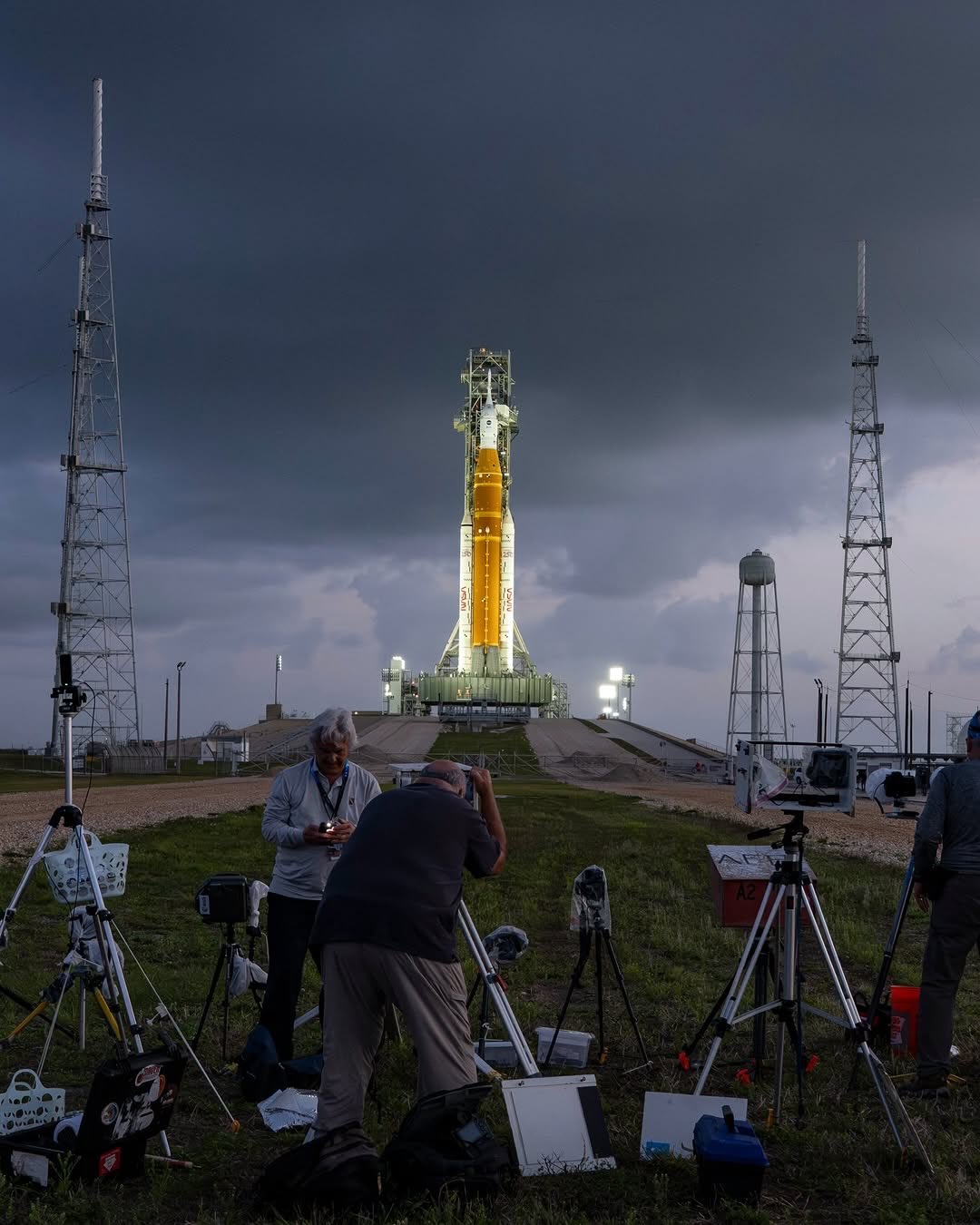
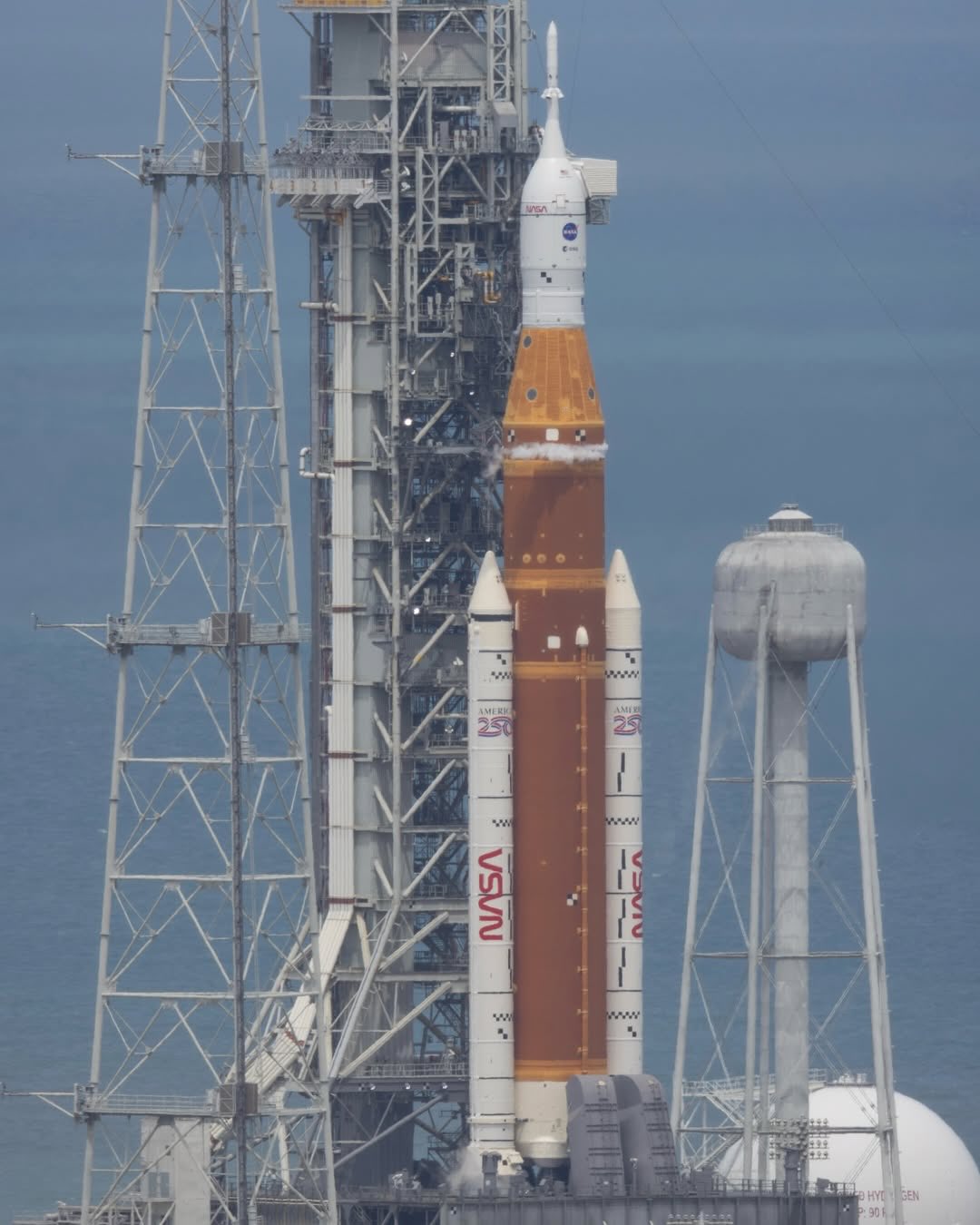
The Artemis II mission, part of NASA’s Artemis program, aims to send astronauts to the lunar orbit, pushing the boundaries of space exploration. This mission follows more than 50 years after humans last set foot on the moon, during the Apollo 17 mission in 1972. But unlike Apollo missions, Artemis II will not land on the moon. Instead, it will serve as a key precursor for future lunar landings, particularly the planned Artemis III, which will return humans to the lunar surface by 2025.
The Approach to the Lunar Surface
As the Artemis II spacecraft gets closer to the moon, its trajectory will be closely watched by mission control. The crew will be approaching the lunar surface for a flyby, which will allow them to observe the moon in ways never before captured. The astronauts will spend several hours capturing stunning images and videos, observing both the near and far sides of the moon. The flyby also marks a significant achievement: surpassing the Apollo 13 mission’s record for the farthest distance humans have ever traveled from Earth.
The Communication Blackout: A Test of Nerve
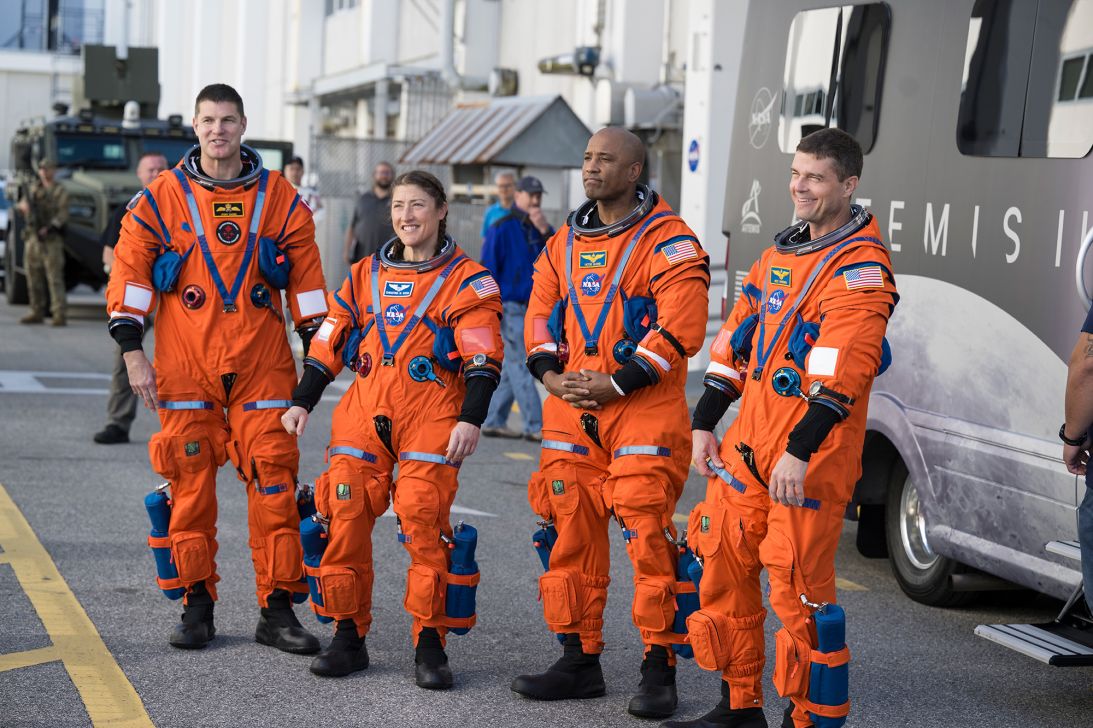
At around 6:47 pm ET, the crew aboard the Artemis II spacecraft will experience a communication blackout as they pass behind the moon. For a full 40 minutes, the Deep Space Network will lose contact with the astronauts. This is a crucial moment in the mission, as there will be no way for mission control to assist the crew should something go wrong. During this period, the astronauts will rely solely on their training and the spacecraft’s systems, making this one of the most perilous moments of the journey.
Preparing for the Worst
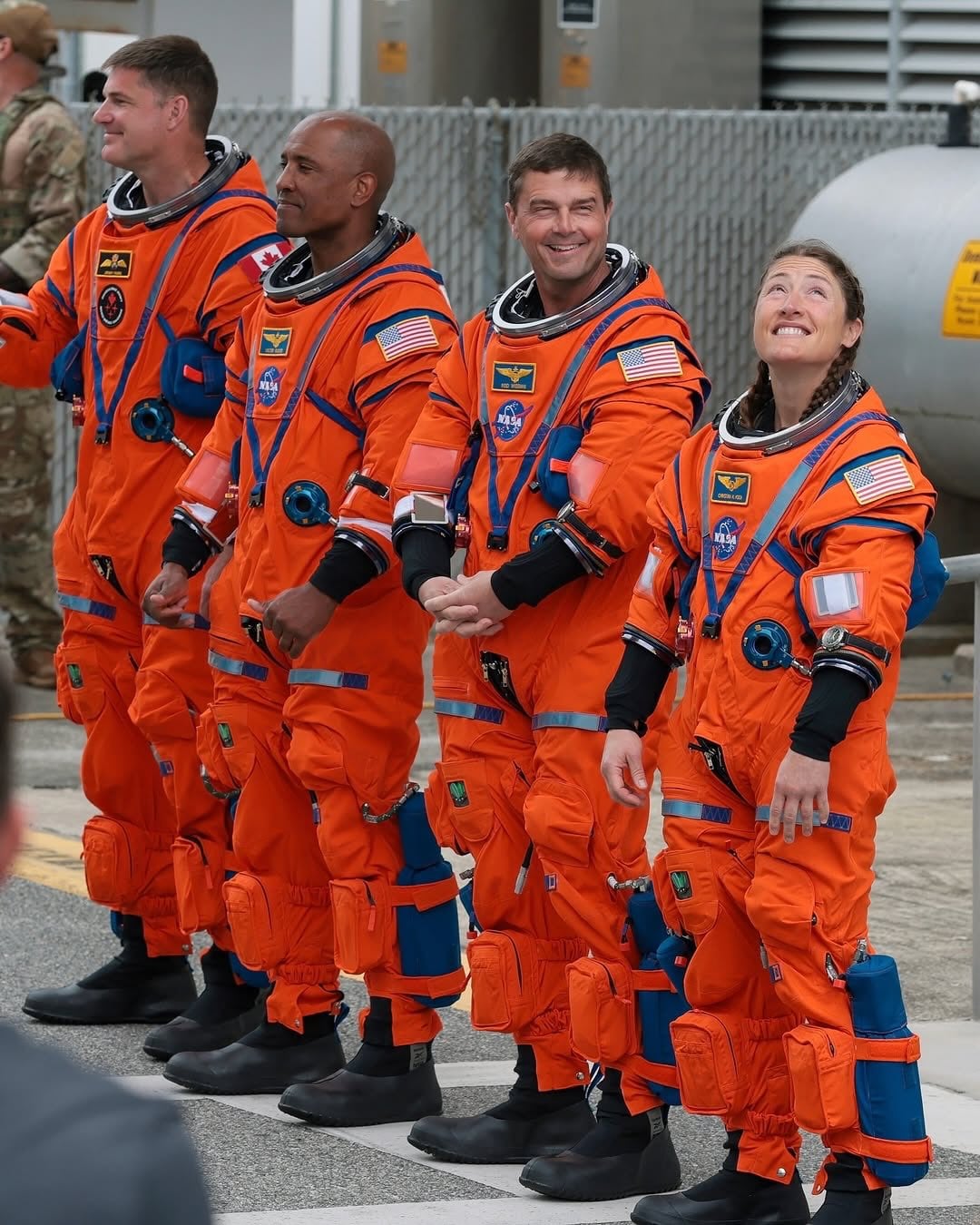
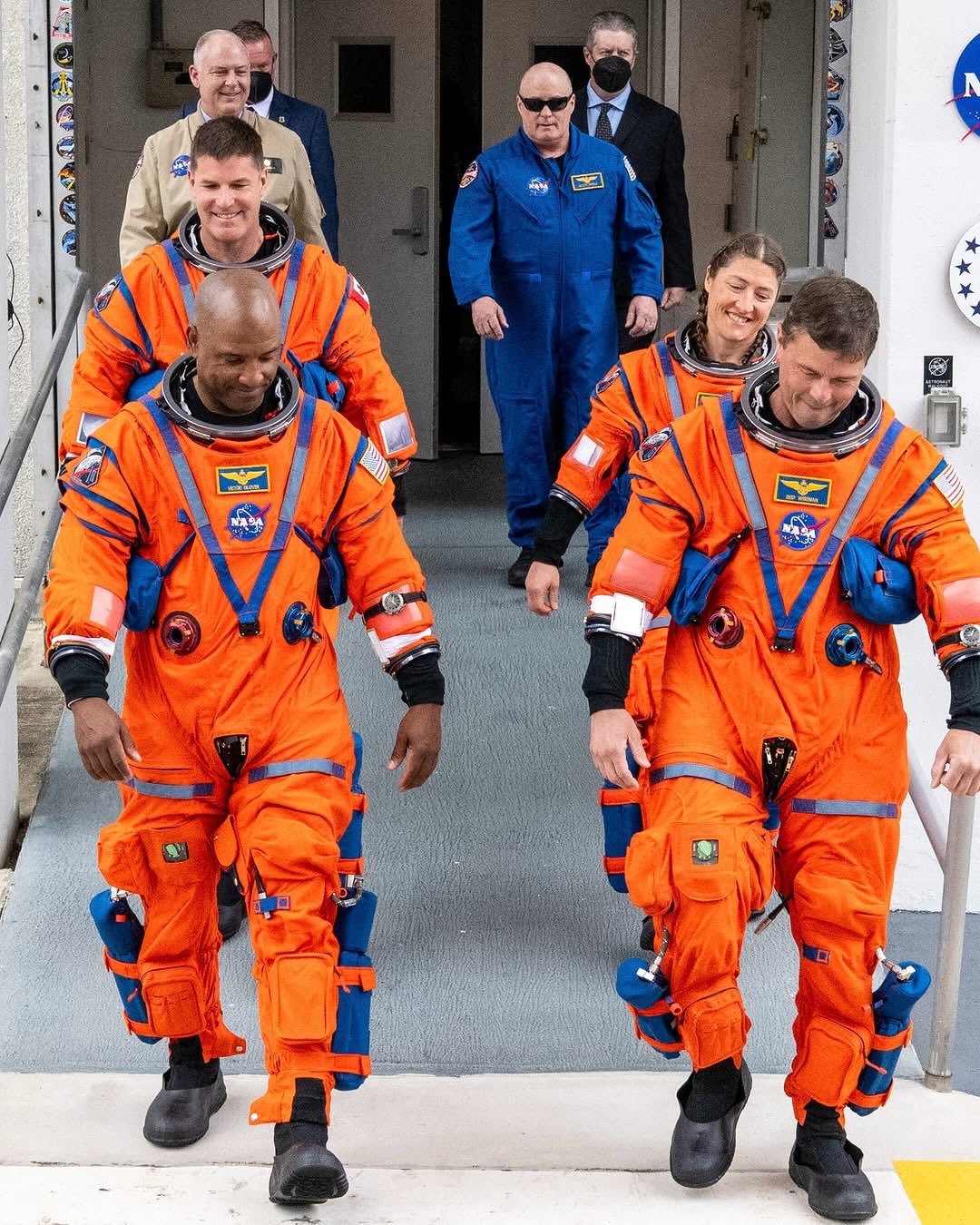
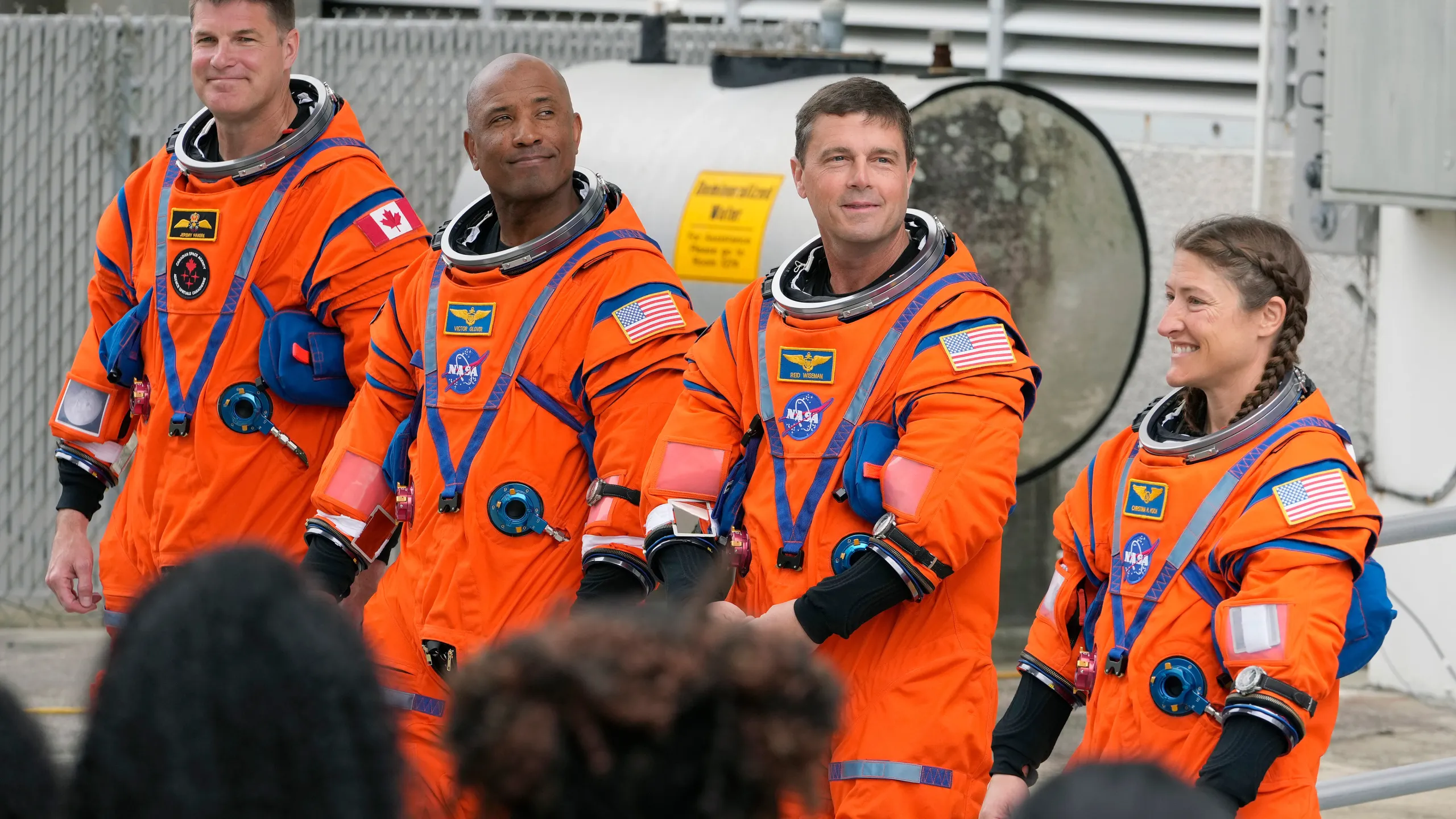
Artemis II astronaut Victor Glover expressed his thoughts on the impending communication blackout, telling BBC: “When we’re behind the moon, out of contact with everybody, let’s take that as an opportunity. Let’s pray, hope, send your good thoughts and feelings that we get back in contact with the crew.” This sentiment speaks to the sense of responsibility and calm the astronauts must maintain in such a high-stakes situation. It’s a moment when the silence can be both daunting and empowering.
The Moon’s Gravitational Pull: A Natural Slingshot Back to Earth
One of the unique aspects of the Artemis II mission is the reliance on the moon’s gravity to propel the spacecraft back to Earth. Instead of using traditional engine burns, the crew will employ a “slingshot” maneuver, using the moon’s gravitational field to increase their speed and alter their trajectory. This method, known as a gravity assist, is both cost-effective and efficient, ensuring that the spacecraft will return safely despite the long communication gap.
The Record-Breaking Distance
Artemis II is set to break a 50-year-old record by traveling further from Earth than any other crewed mission in history. The Apollo 13 mission previously held this record, reaching a maximum distance of 248,655 miles from Earth. Artemis II will surpass that, reaching an impressive 252,757 miles from Earth, a milestone that marks the furthermost humans have ever traveled. This achievement emphasizes the growing capabilities of human space exploration.
Exploring the Moon’s Far Side
During the flyby, the crew will spend seven hours observing the moon. One of the key tasks will be to capture images of the far side of the moon, which is rarely visible from Earth. The astronauts will take turns at the spacecraft’s windows, each observing for up to 85 minutes. This close-up examination of the lunar surface will provide scientists with invaluable data, potentially leading to new insights about the moon’s geology and history.
What Happens During the Silence?
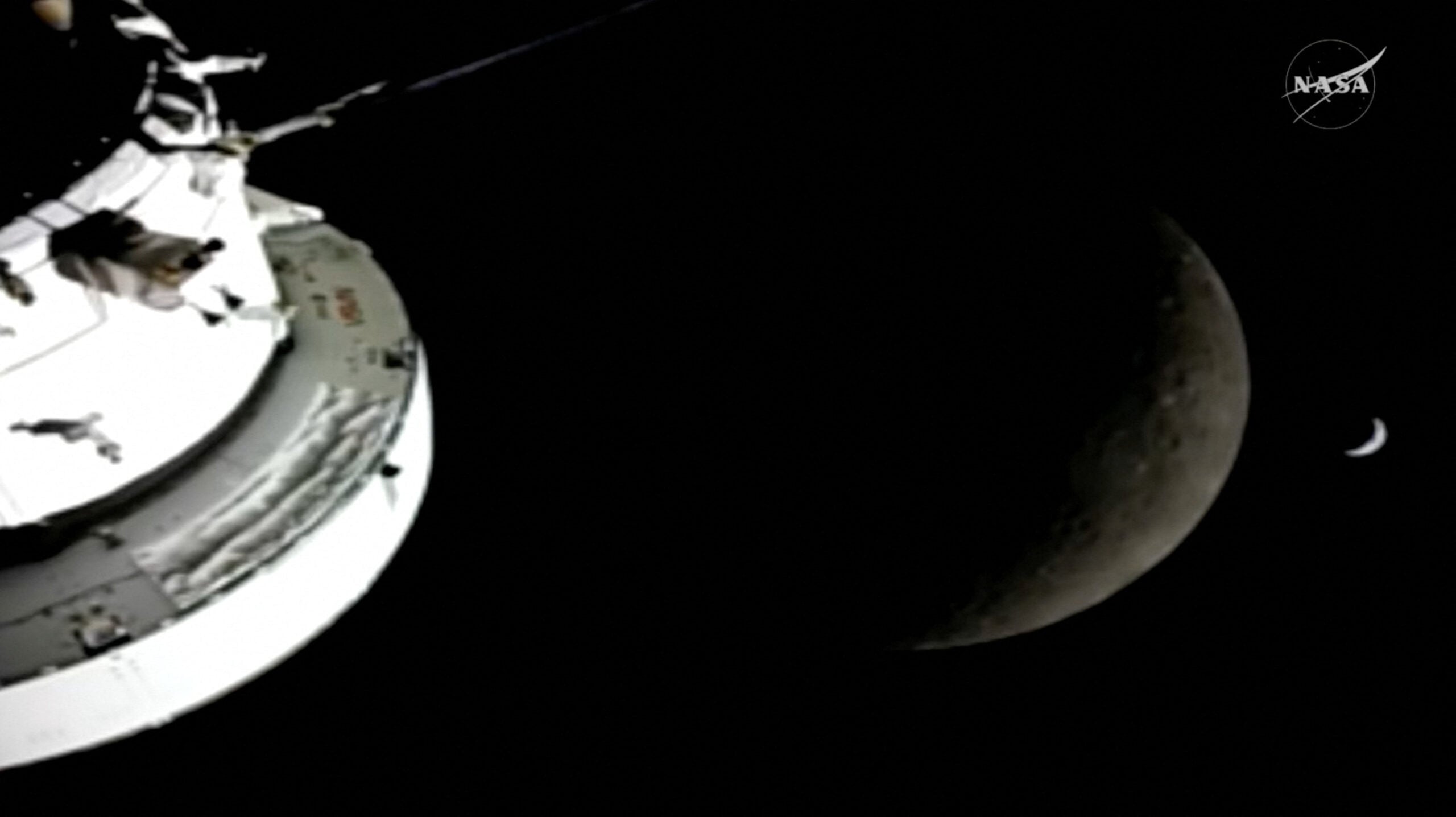
During the 40-minute communications blackout, the crew will be essentially on their own. Mission control will lose all contact with the astronauts, and no help will be available should a problem arise. However, the crew’s training ensures they are prepared for this situation. In previous missions, including Apollo and Artemis I, such blackouts were part of the plan. Despite the eerie silence, the astronauts are trained to handle emergencies and rely on the spacecraft’s systems.
The Safety Precautions and Risks
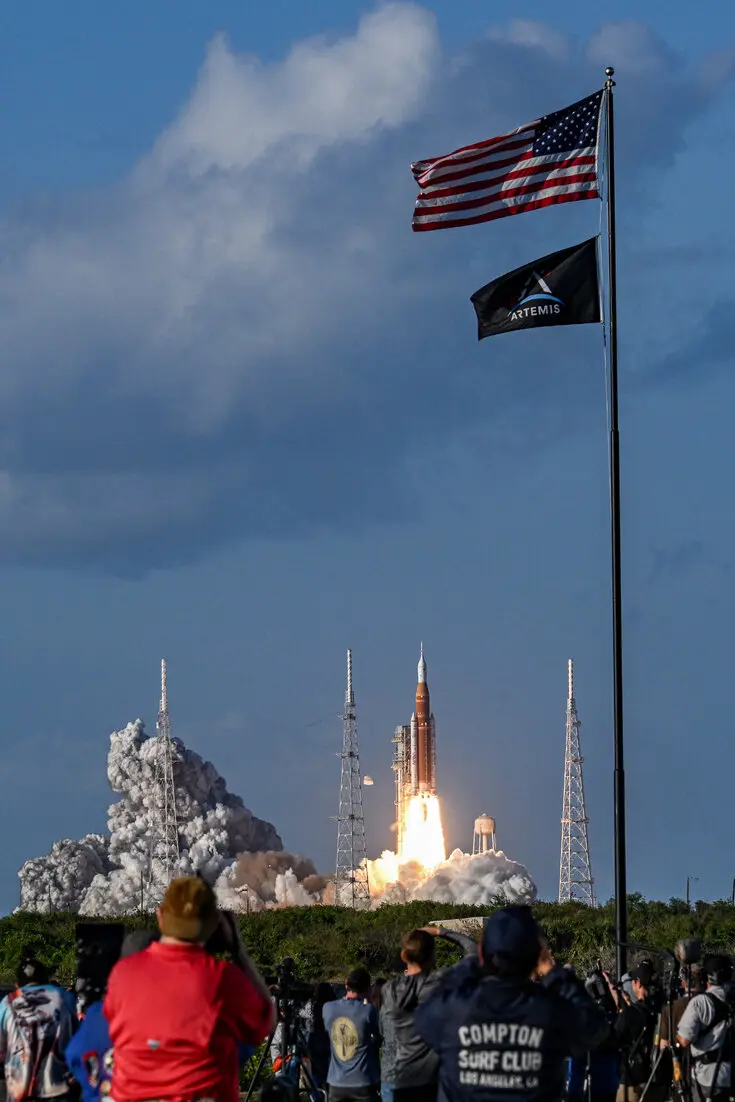
While the loss of communication is a major concern, NASA’s ascent flight director, Judd Frieling, reassured the public that the spacecraft would remain on course. “We absolutely know physics is going to take them back to us,” Frieling said. The mission control team is confident that, despite the communication challenges, the spacecraft will return safely to Earth, using the moon’s gravity as a natural slingshot.
Returning to Earth
Once the Artemis II mission completes its flyby, the astronauts will continue their journey back to Earth. The return trip will take another four days, during which the crew will conduct key safety demonstrations and test procedures designed to protect them from dangerous solar radiation. As they approach Earth, the spacecraft will separate key components before re-entering the atmosphere at speeds of about 25,000 mph. The capsule will then splash down in the Pacific Ocean, marking the end of a historic journey that paves the way for future lunar landings and, ultimately, Mars exploration.
What Artemis II Means for the Future
The Artemis II mission is not just about breaking records; it is a vital step in humanity’s return to the moon. The mission’s success will serve as a foundation for future space exploration, including the planned Artemis III lunar landing and NASA’s ambitious Mars program. Despite the communication challenges and the risks involved, the astronauts’ journey is a testament to human determination and the relentless pursuit of discovery. As we look ahead to the next phases of space exploration, Artemis II stands as a beacon of progress, marking the beginning of a new era in human space travel.