
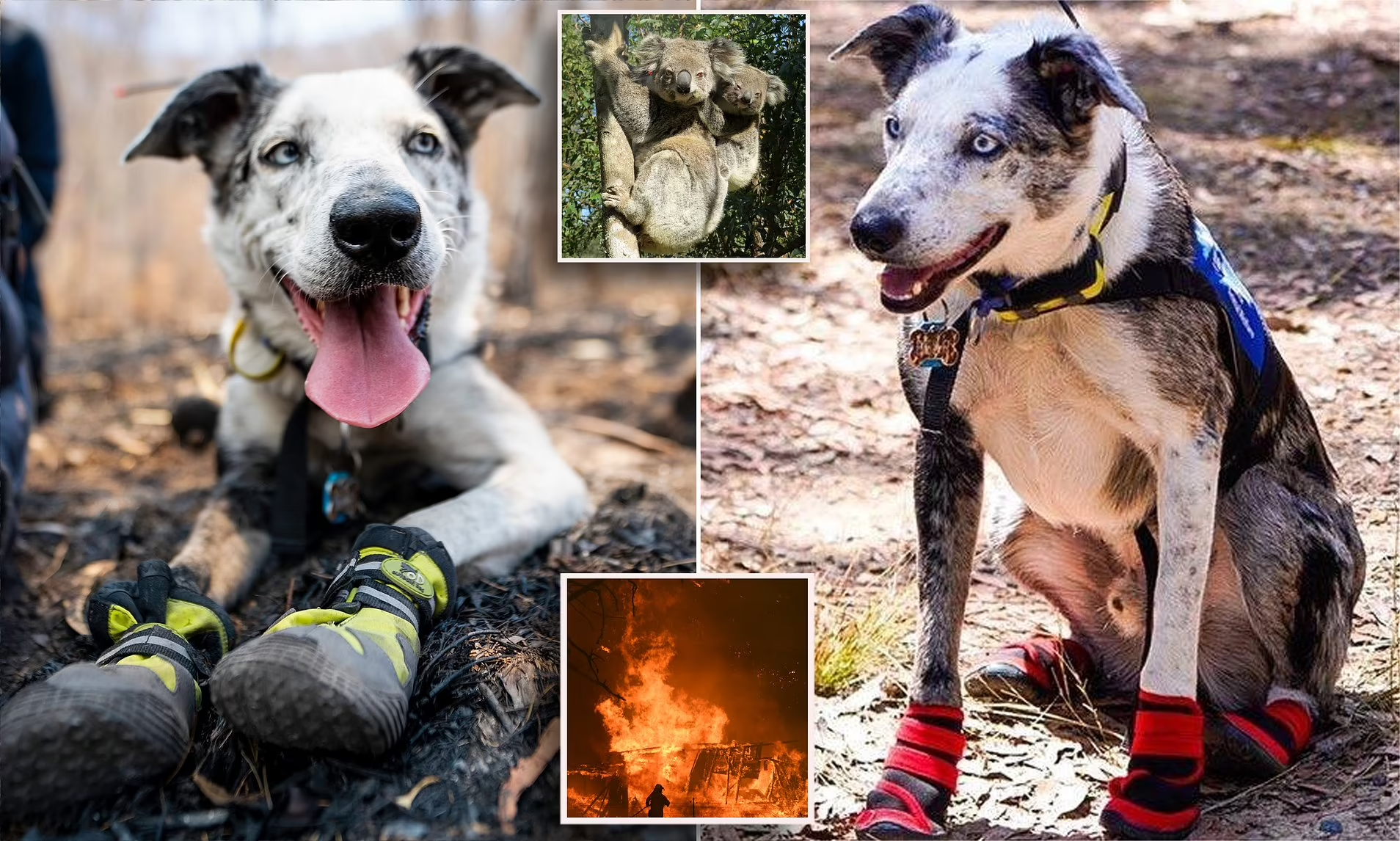
When news broke that a dog once surrendered by humans had charged into Australia’s raging bushfires to help rescue koalas, the reaction was immediate and visceral. Headlines called the act heroic. Social media flooded with praise. Yet beneath the surface of admiration sat an uncomfortable question few were willing to confront. Why does it take an animal risking its life for us to recognize the moral failure of the systems that abandoned it in the first place.
This was not a trained rescue dog deployed by emergency services. It was not a symbol carefully curated for inspiration. It was a dog who had already experienced rejection, displacement, and loss at the hands of humans, choosing to run toward danger while people fled in the opposite direction.
What follows is not simply a feel-good animal story. It is an examination of instinct, trauma, and the quiet ways animals continue to expose human contradictions during moments of crisis.
Table of Contents
- A Landscape on Fire and a Choice No One Expected
- The Dog That Humans Gave Up On
- Instinct or Moral Intelligence
- Koalas and the Cost of Human Delay
- Why This Story Makes People Uncomfortable
- Heroism Without Recognition
- The Myth That Animals Need Us More Than We Need Them
- Trauma as a Source of Empathy
- Climate Crisis and the Silent Heroes It Creates
- Why This Was Not a One-Off Miracle
- Rethinking What We Call Loyalty
- What This Story Demands From Humans
- A Fire, a Dog, and a Mirror Held to Humanity
A Landscape on Fire and a Choice No One Expected
Australia’s bushfires have become grim markers of climate reality. Entire ecosystems vanish within hours. Smoke darkens the sky. Wildlife scatters in terror. During these fires, survival becomes instinctive, brutal, and fast.
As flames tore through bushland, koalas, already slow-moving and vulnerable, found themselves trapped in trees surrounded by heat and smoke. Many perished unseen. Others waited, helpless, clinging to branches as fire crept closer.
In that chaos, the dog ran forward.
Witnesses described the animal darting through burned terrain, alerting rescuers to koalas still alive, refusing to retreat even as embers fell and heat intensified. There was no command. No reward. No guarantee of survival.
The dog acted not because it was told to, but because it chose to.
The Dog That Humans Gave Up On

Before the fires, this dog’s life followed a familiar pattern. Surrendered. Rehomed. Treated as disposable when circumstances changed. Its early story mirrored thousands of others, animals passed between shelters and owners, labeled as problems rather than beings shaped by experience.
Behaviorists note that surrendered animals often develop heightened sensitivity to distress. Trauma does not dull awareness. It sharpens it. The dog’s responsiveness during the fires may not have emerged despite abandonment, but because of it.
Pain had already taught the animal how to recognize fear.
While humans debate whether animals feel complex emotions, this dog responded to suffering with clarity that defied those doubts.
Instinct or Moral Intelligence
Skeptics often dismiss animal heroism as instinct. Dogs chase. Dogs bark. Dogs react. Yet instinct alone does not explain why one animal freezes while another runs into danger.
Neuroscientists studying canine cognition increasingly argue that dogs possess forms of social intelligence shaped by millennia of coexistence with humans. They read distress. They anticipate outcomes. They make choices based on social context.
The dog did not blindly charge into flames. It navigated terrain, responded to calls, and returned repeatedly to danger zones. These are not reflexes. They are decisions.
If a human firefighter had done the same, we would call it courage.
Koalas and the Cost of Human Delay

Koalas are not built to outrun fire. Their evolutionary defenses assume stable ecosystems, not landscapes altered by extreme heat, deforestation, and climate shifts. When bushfires erupt with modern intensity, koalas suffer first and most quietly.
Rescue teams often arrive too late. Smoke obscures visibility. Flames move faster than response systems.
The dog’s actions shortened that gap. It became a moving alarm, a living sensor, drawing attention to lives that would have otherwise disappeared unnoticed.
In that sense, the dog did not just save animals. It compensated for human limitations.
Why This Story Makes People Uncomfortable
Stories like this spread quickly because they soothe guilt. They allow audiences to celebrate goodness without interrogating responsibility. Yet this story refuses to stay comfortable for long.
An abandoned animal showed more willingness to protect the vulnerable than many systems designed to do so. That contrast is hard to ignore.
While people argue about climate policy, wildlife funding, and disaster preparedness, an animal acted without debate.
The discomfort lies not in the dog’s bravery, but in what it reveals about human hesitation.
Heroism Without Recognition
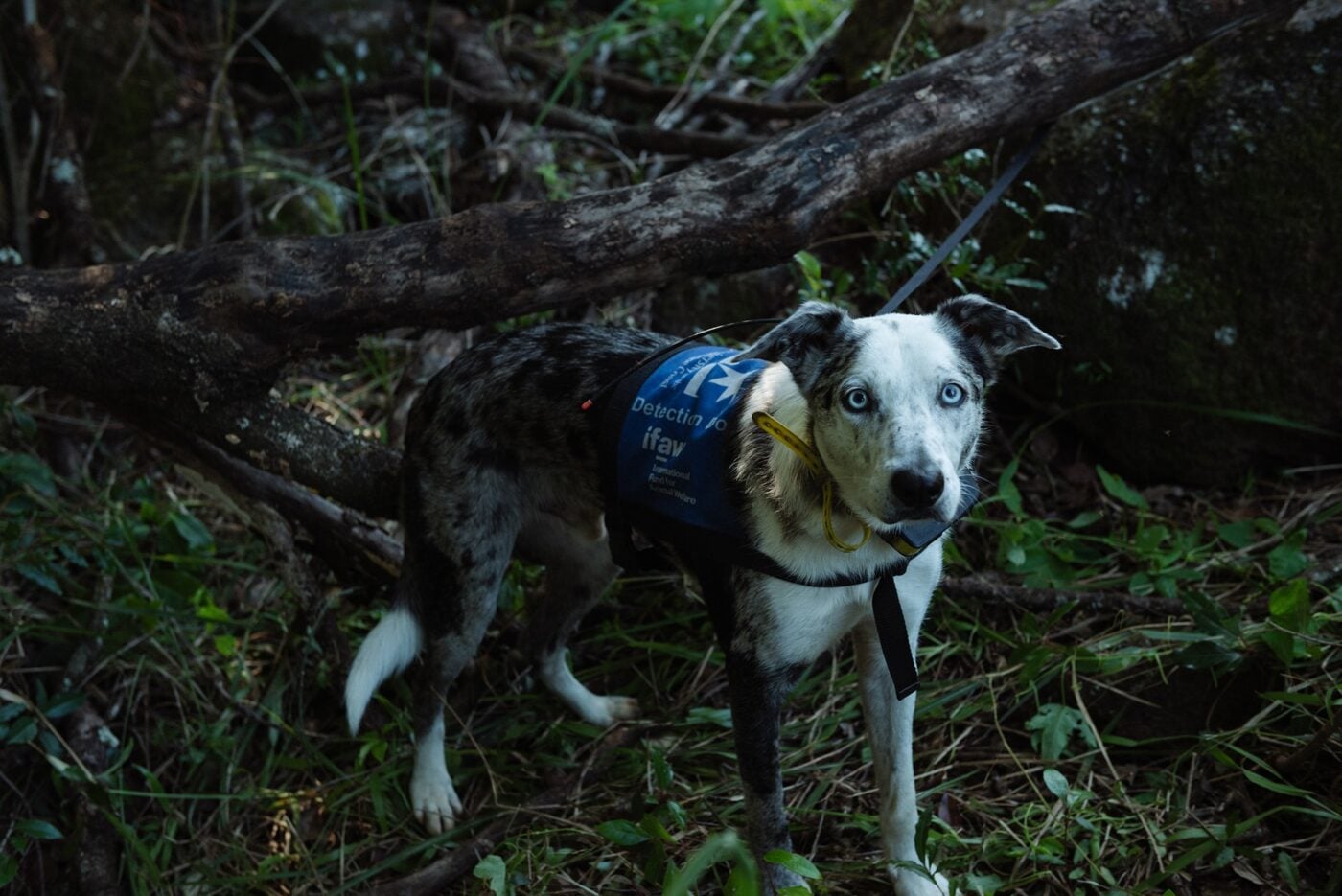
The dog did not receive medals. It did not seek validation. It did not understand headlines. Its actions were not shaped by legacy or reputation.
This absence of ego is often romanticized, but it also exposes how deeply human hero narratives depend on recognition. Animals act because action is necessary. Humans often act because acknowledgment follows.
The difference matters.
Ethicists argue that moral action stripped of self-interest represents a purer form of ethics. By that standard, animals frequently outperform humans.
The Myth That Animals Need Us More Than We Need Them
Human-centered thinking frames animals as dependents, beneficiaries of human protection. This story inverts that hierarchy.
During the bushfires, humans depended on the dog’s awareness, speed, and resilience. Without it, lives would have been lost.
The relationship was not one of ownership or control. It was collaboration born under pressure.
This challenges the assumption that animals are passive recipients of care rather than active participants in survival.
Trauma as a Source of Empathy
Psychologists studying post-traumatic growth note that individuals who experience abandonment or harm sometimes develop heightened empathy. The same appears true across species.
The dog’s history of surrender may have tuned it to recognize fear quickly. Where humans saw chaos, the dog saw signals.
This reframes trauma not as weakness, but as a lens that sharpens moral response.
Climate Crisis and the Silent Heroes It Creates
As climate disasters intensify, stories like this will become more common. Animals will respond long before policy catches up. Instinct does not wait for consensus.
Dogs will guide. Birds will flee. Wildlife will adapt or die.
The real question is whether humans will continue to rely on animal sacrifice while debating action.
Why This Was Not a One-Off Miracle
This story feels extraordinary because it contradicts expectations, not because it is rare. Animals routinely demonstrate protective behaviors during disasters. What is rare is attention.
Countless animals act unseen. They warn. They rescue. They stay.
The difference this time was that someone noticed.
Rethinking What We Call Loyalty
Loyalty is often framed as obedience. The dog’s actions suggest a different definition. Loyalty to life itself. Loyalty to suffering beings, regardless of species.
The dog did not owe koalas anything. Yet it chose them.
That choice exposes how limited human definitions of loyalty have become.
What This Story Demands From Humans
Admiration alone is insufficient. Stories like this demand structural change. Better animal welfare systems. Stronger disaster preparedness. Faster wildlife rescue protocols.
Most importantly, they demand humility.
If an abandoned dog can recognize responsibility in the face of danger, humans cannot continue claiming ignorance as an excuse.
A Fire, a Dog, and a Mirror Held to Humanity
In the end, the most haunting aspect of this story is not the fire or the rescue. It is the mirror it holds up.
An animal once discarded by humans ran into flames to save lives humans could not reach in time.
That is not just a story about a dog.
It is a story about who we are when everything burns, and who we still have time to become.