
Table of Contents
The Beginning of a Life-Changing Initiative
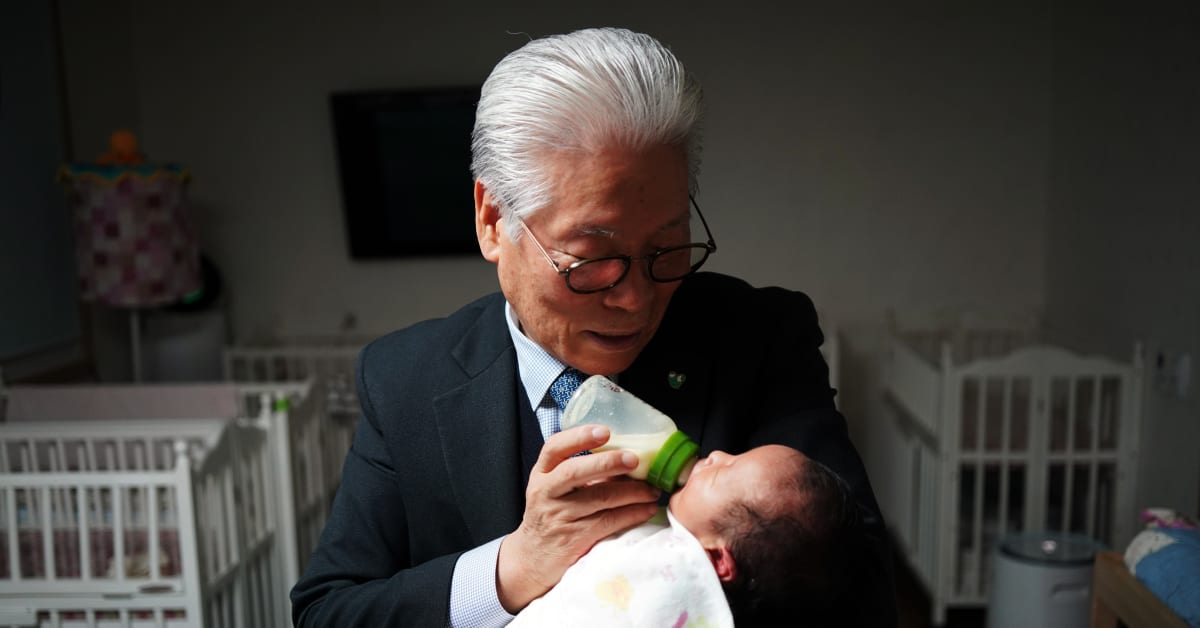
The concept of the baby box was conceived by Pastor Lee Jongrak as a response to the growing number of abandoned babies in South Korea. In a country where the stigma of unwed mothers and unwanted pregnancies often leads to difficult decisions, Pastor Lee saw a desperate need to provide a solution that would prevent infants from being left to die in unsafe environments.
Inspired by similar programs in Europe, Lee founded the first baby box in 2009, placing it in his church in the capital city of Seoul. The box is an incubator-like container, where parents can anonymously place their infants for safe care. Once a baby is placed in the box, an alarm triggers, notifying staff that a baby has been left inside. The child is then immediately taken to a nearby hospital for medical evaluation and care.
Pastor Lee’s decision to create a baby box was not just an act of compassion; it was a direct response to the harsh realities that many mothers in South Korea face. The country has long struggled with a deep-rooted stigma around unwed pregnancies, which has led to a rise in abandoned infants. The baby box was Lee’s way of offering an alternative to the tragic fate of abandonment or, worse yet, infanticide.
The Controversy and Criticism
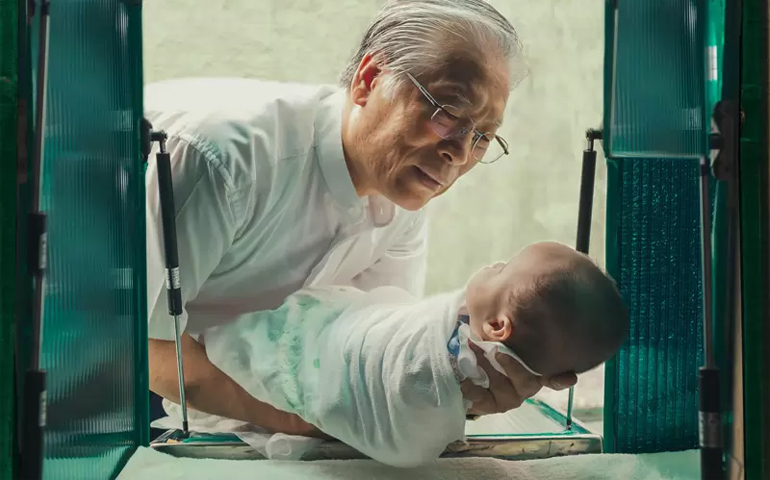
Despite the immense good that the baby box program has done, it has not been without controversy. Critics argue that the program may encourage abandonment, as it provides an easy out for parents in distress. They argue that the baby box could potentially undermine efforts to address the root causes of child abandonment, such as the social stigmas surrounding unwed mothers and the lack of support systems for single parents.
Additionally, there are concerns about the ethics of allowing parents to anonymously leave their babies. Some critics fear that this could lead to an increase in baby trafficking or that the anonymity could prevent proper investigation into the circumstances behind the abandonment. In response, Pastor Lee has consistently emphasized that the goal of the baby box is to protect the babies and provide them with a chance at life, rather than encourage abandonment.
Despite these concerns, the baby box initiative has saved over 1,600 babies, many of whom were in critical danger. For Pastor Lee and his supporters, this achievement is a testament to the program’s success in offering an alternative to unsafe and illegal child abandonment.
The Social Impact
Pastor Lee’s baby box initiative has not only saved lives but has also ignited important conversations about child abandonment in South Korea. The program has shone a spotlight on the issue, prompting government officials and social services to reconsider how society addresses the needs of unwed mothers and unwanted children.
Before the baby box, many women in South Korea faced harsh societal judgment for being pregnant outside of marriage, with little to no support. The stigma surrounding unwed mothers often led to extreme measures, including abandoning babies in unsafe places. Pastor Lee’s program has allowed many women to make the difficult choice to place their babies in the box, knowing they will be cared for and given a chance at life.
The initiative has also brought attention to the need for greater support for single mothers. While the baby box offers a life-saving option, it does not address the deeper societal issues that contribute to child abandonment. Advocates argue that more efforts should be made to provide unwed mothers with financial, emotional, and social support to help them keep their children and raise them in a stable, loving environment.
A Humanitarian Mission in Action
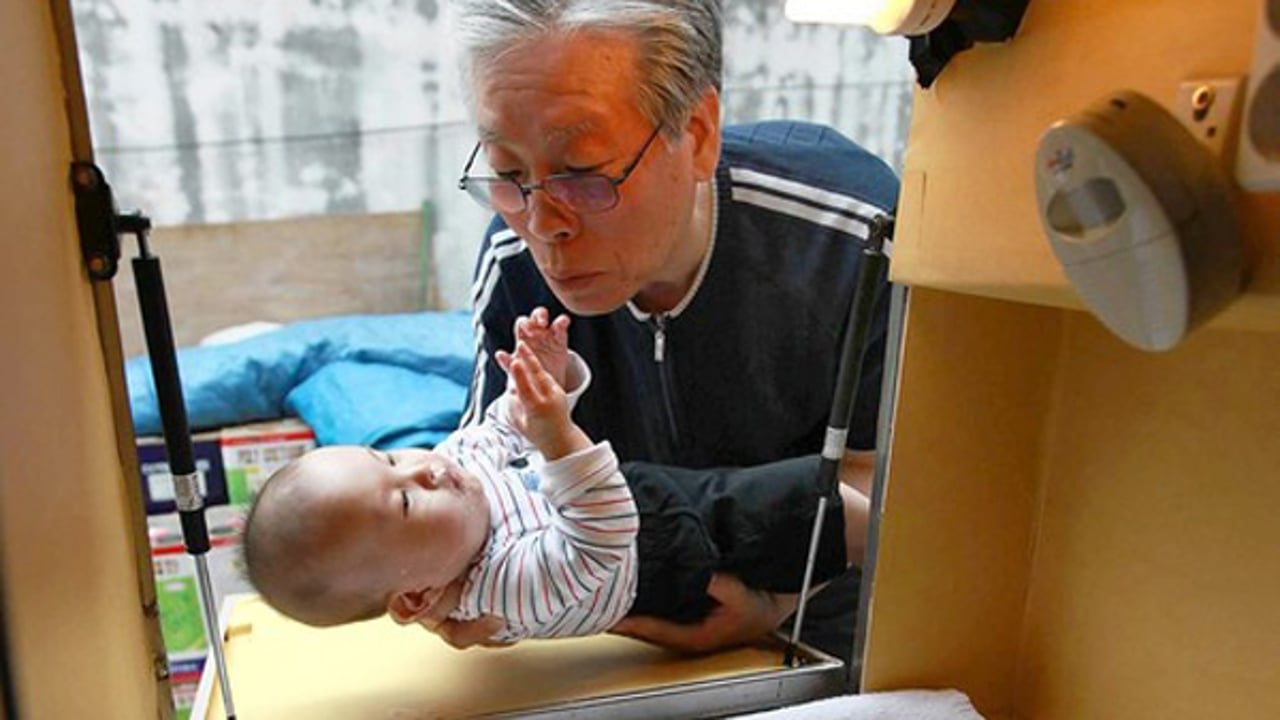
Pastor Lee Jongrak’s efforts have saved more than just lives; they have inspired countless people to take action and become more compassionate toward those facing difficult circumstances. His work demonstrates that, while policies and laws are important, human empathy and understanding are equally crucial when addressing complex social issues like child abandonment.
Beyond the baby box, Pastor Lee’s church has become a haven for unwed mothers and families in need. The church provides resources, counseling, and even housing to those who are struggling, offering a sense of community and support for those who often feel isolated and abandoned by society. His work has shown that small acts of kindness can have far-reaching impacts, transforming lives and giving people a second chance.
The baby box has also inspired similar initiatives in other countries, with activists and religious groups around the world looking to Pastor Lee’s example for guidance. His model demonstrates the power of compassion in addressing complex social issues and shows that, sometimes, the best way to make a difference is through practical action.
Changing Lives
The real measure of the baby box’s success lies in the stories of the babies it has saved. Each baby brought to the box represents a life spared from the tragic fate of abandonment. Many of these babies are placed by mothers who are unable to care for them due to financial hardship, lack of family support, or the fear of societal judgment. The baby box gives these mothers a chance to give their children a better future, while also protecting them from the dangers of unsafe abandonment.
The program has also created a network of families who have adopted babies saved from the box. These families often share their experiences, recounting the joy of giving a child a loving home and the satisfaction of knowing they made a difference in a child’s life. For Pastor Lee, each story of adoption is a testament to the power of second chances and the ability to transform a life.
Looking Toward the Future
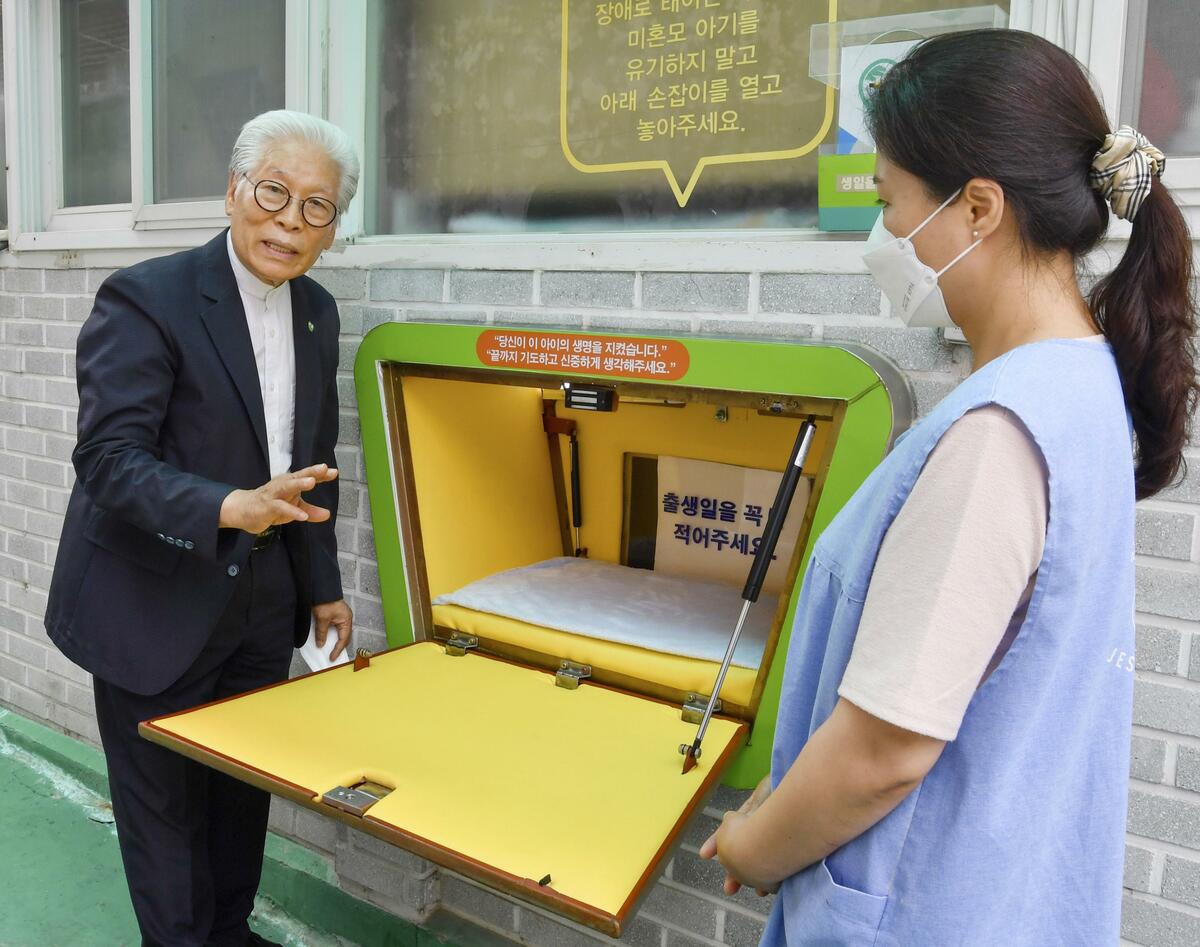
As the baby box initiative continues to grow, Pastor Lee is working toward expanding its reach and impact. His ultimate goal is not just to save more babies but to shift the conversation around child abandonment in South Korea. He envisions a society where unwed mothers no longer have to fear judgment and where children born into difficult circumstances have access to the resources they need to thrive.
While the baby box initiative has faced its share of criticism, its success in saving lives cannot be denied. For Pastor Lee, the mission is clear: to offer hope and a future to those who need it most. His work has laid the foundation for further reforms in South Korea’s social support systems and has sparked a global conversation about the role of compassion in solving complex social problems.
Conclusion
Pastor Lee Jongrak’s baby box initiative is a powerful reminder of the importance of compassion and empathy in solving the world’s most pressing problems. Since 2009, he has saved over 1,600 lives, offering abandoned babies a second chance at life. While the program may not solve all of South Korea’s social challenges, it represents a crucial step toward addressing the deep-rooted stigma surrounding unwed mothers and child abandonment.
The success of the baby box initiative highlights the transformative power of practical, compassionate action. By providing an alternative to unsafe abandonment, Pastor Lee has not only saved lives but also inspired others to act with kindness and understanding. His work serves as a model for future efforts to create a more compassionate, supportive world for those in need.